

Edited by Margrit Brehm, Roberto Ohrt, Axel Heil.
Margrit Brehm Livres


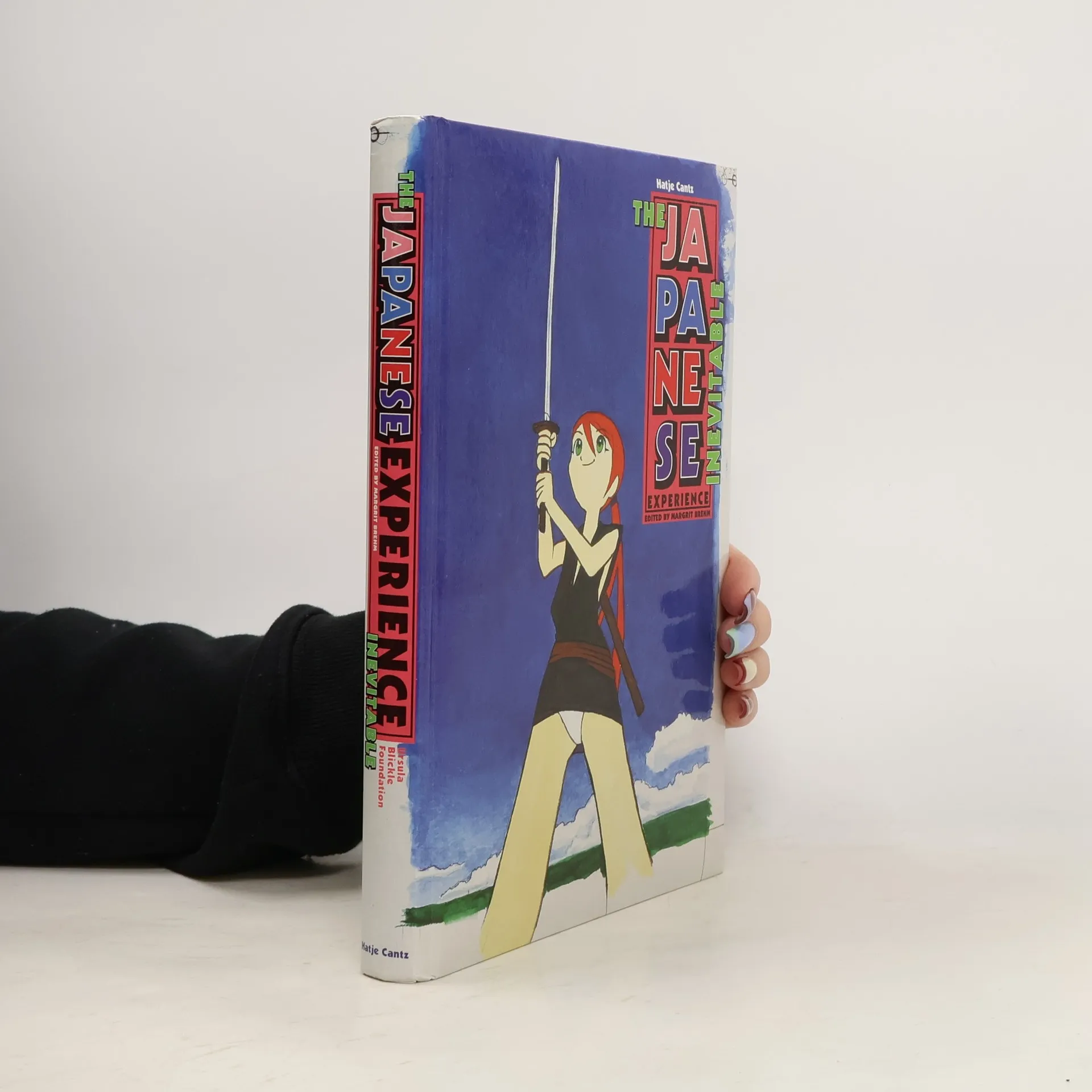
The Japanese Experience - Inevitable
- 208pages
- 8 heures de lecture
At first sight, it appears brand new, pure Tokyo pop. But The Japanese Inevitable reveals far more than the successful cloning of morphed manga motifs onto stretched canvas and museum walls. It represents eight positions in contemporary Japanese art and scrutinizes their complex visual vocabulary, noting references to Japanese and Western art traditions as frequently as the borrowing of mass culture motifs from the realms of manga and anime . Takashi Murakami's MR. DOB questions the place of contemporary art in our global society; Aya Takano's glowing watercolors combine Japanese sensitivity, issues of female identity, and sci-fi; Masahiko Kuwahara's mutant animals provide shades of softness and mysterious openness, and Yoshitomo Nara's reworking of historical Japanese woodcuts disturbs the floating world. Not only are the artists' visual repertoires new and surprising, but their creative methods and strategies help conquer a public that is mostly untouched by contemporary art. Published in association with the Ursula Blickle Foundation.
Einerseits der Sterne wegen
- 152pages
- 6 heures de lecture
Highlights aus dem Haags Gemeentemuseum
- 157pages
- 6 heures de lecture
Der Fall Caravaggio
- 448pages
- 16 heures de lecture
Die Bibliographie zum Werk Michelangelo Merisis genannt Caravaggio (1571-1610) umfaßt über 1000 Texte und einen Zeitraum von 1604 bis heute. Die Persönlichkeit des lombardischen Malers aus der Zeit der Gegenreformation war und ist dabei ebenso von Interesse wie sein künstlerisches Schaffen. Die historische Kontinuität der Rezeption einerseits und das breite Spektrum an - zwar in sich schlüssigen, aber zugleich unvereinbaren - Interpretationen andereseits bildet den Ausgangspunkt dieser Studie. Sie dokumentiert, wie Caravaggios Kunst in den einzelnen Epochen beurteilt wurde und zeigt auf, welche historischen, theoretischen und subjektiven Determinanten das jeweilige Rezeptionsprofil bestimmen. Ausgehend vom «Fall Caravaggio» sind dabei die historische Entwicklung des Naturalismus-Begriffs und das Selbstverständnis der Kunstgeschichte als Wissenschaft von besonderem Interesse.
Susanne Ackermann
- 27pages
- 1 heure de lecture