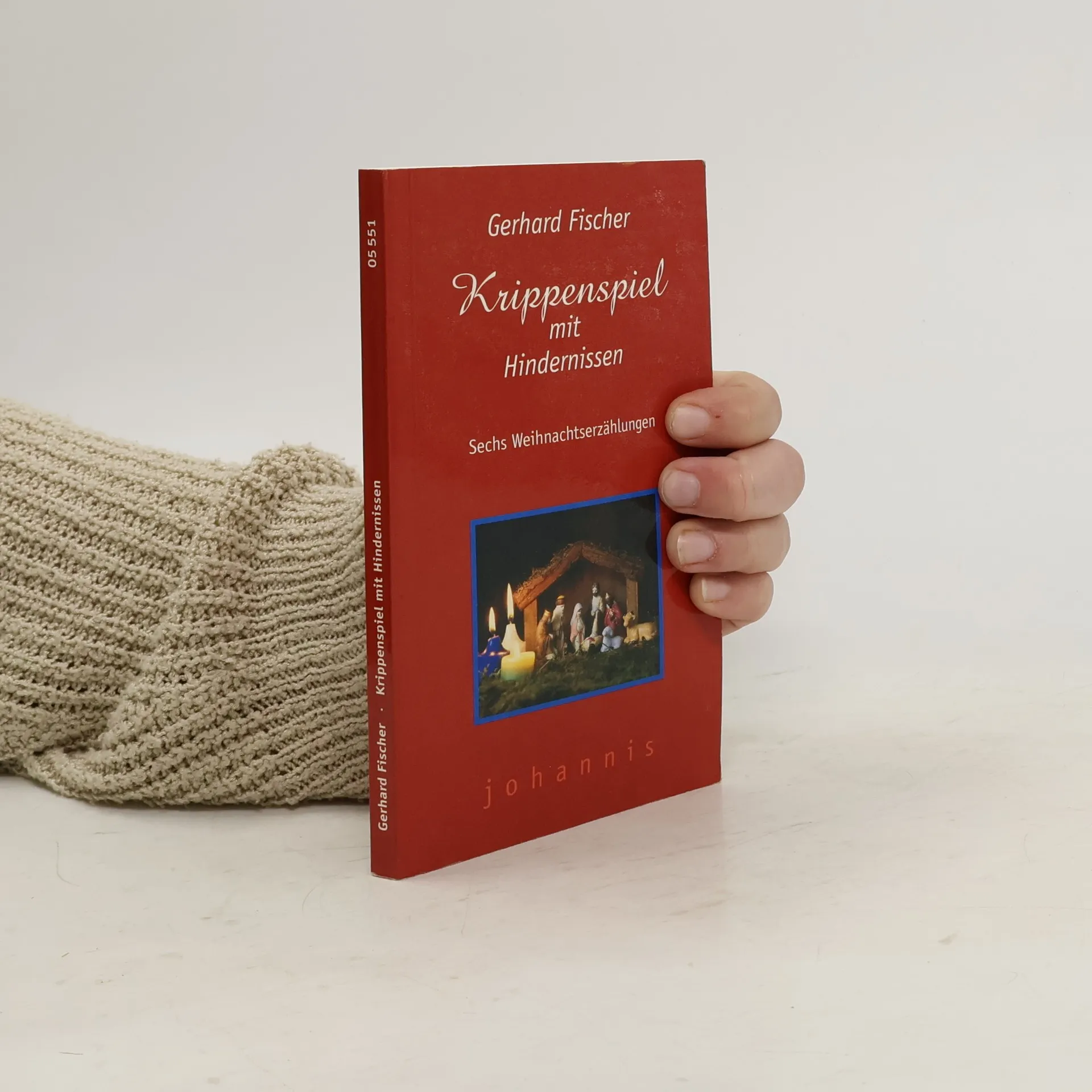
This new translation of the original texts of over 750 songs allows the reader to follow, line by line, the English directly opposite the German.“Will no doubt become the standard lieder-resource for the English-speaking world...”– Choice
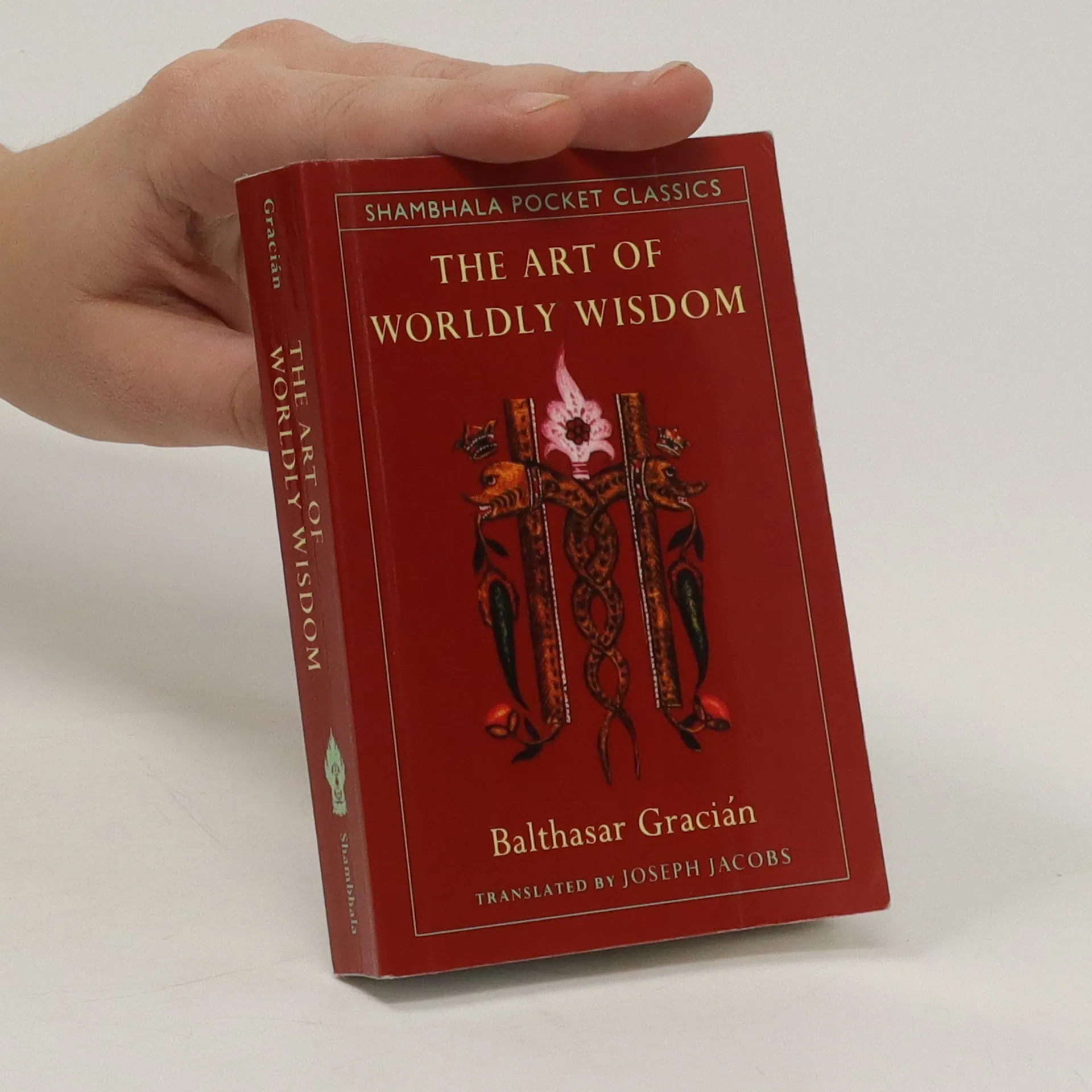
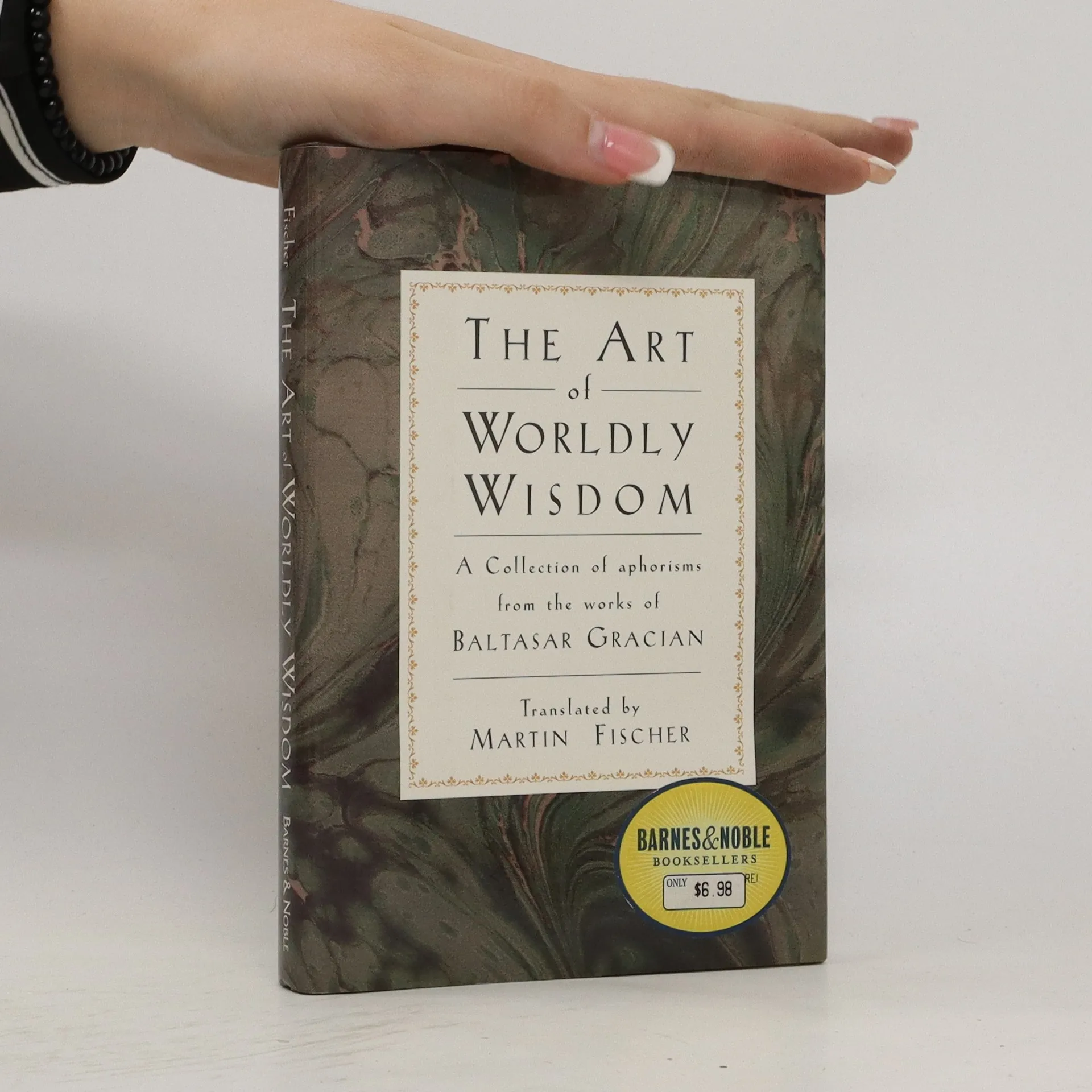
The remarkable best-seller -- a long-lost, 300-year-old book of wisdom on how to live successfully yet responsibly in a society governed by self-interest -- as acute as Machiavelli yet as humanistic and scrupulously moral as Marcus Aurelius.
Collective Creativity combines complex and ambivalent concepts. While 'creativity' is currently experiencing an inflationary boom in popularity, the term 'collective' appeared, until recently, rather controversial due to its ideological implications in twentieth-century politics. In a world defined by global cultural practice, the notion of collectivity has gained new relevance. This publication discusses a number of concepts of creativity and shows that, in opposition to the traditional ideal of the individual as creative genius, cultural theorists today emphasize the collaborative nature of creativity; they show that 'creativity makes alterity, discontinuity and difference attractive'. Not the Romantic Originalgenie , but rather the agents of the 'creative economy' appear as the new avant-garde of aesthetic teams, groups and collectives in business and science, in art and digital media who work together in networking clusters to develop innovative products and processes. In this book, scholars in the social sciences and in cultural and media studies, in literature, theatre and visual arts present for the first time a comprehensive, inter- and transdisciplinary account of collective creativity in its multifaceted applications. They investigate the intersections of artistic, scientific and cultural practice where the individual and the collective merge, come together or confront each other.
Band 23 (2020/2021): (V)erdichtete Leben. Literarische Lebensmuster in Mittelalter und Früher Neuzeit
456pages
16 heures de lecture
Der Tagungsband der Oswald von Wolkenstein-Gesellschaft untersucht die Rolle von (Auto)biographie im Mittelalter und in der Frühen Neuzeit, fokussiert auf die Verbindung zwischen realem Leben und literarischer Darstellung. Die Beiträge beleuchten höfische Romane, Lieddichtung und geistliche Literatur, einschließlich der deutschen Mystik. Analysen erstrecken sich über verschiedene Lebensbeschreibungen, von Ulrich von Liechtenstein bis Kaiser Maximilian I. Themen wie höfische Selbstinszenierung, Exempelhaftigkeit und die Funktion ritterlicher Kämpfe in der Literatur werden umfassend behandelt.
Traue niemandem! Eine Mordserie erschüttert Stockholm: Die Opfer tragen Uniformen aus dem Dritten Reich, doch wer sind sie wirklich? Kommissar Kodi Blom und seine smarte Kollegin Eva Pelle nehmen die Ermittlungen auf – und müssen sich schon bald durch ein undurchsichtiges Dickicht an Verdächtigen, Vermutungen und Beweisen schlagen. Am Ende steht alles und jeder infrage – auch das Ermittlerduo selbst. Der neue Ermittler Kodi Blom ist eine großartige Bereicherung für das Genre Skandinavien-Krimi.
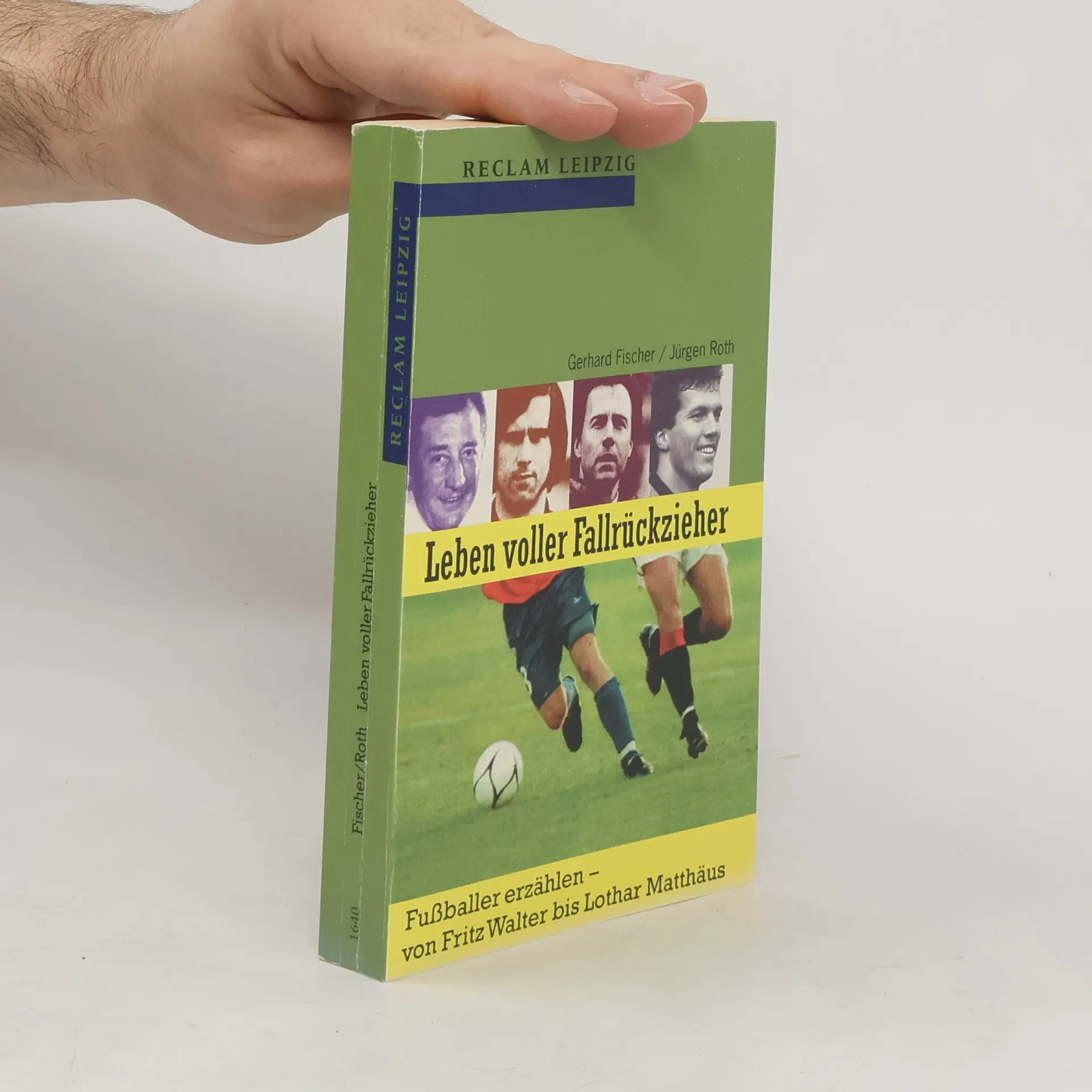
„„Er hatte keine Nerven, war eiskalt. Für mich der größte aller Torjäger.“ Fritz Walter über Ernst Willimowski Fragt man Fußball-Fans nach Ernst Willimowski, würden einige sagen: Ach, das war doch dieses Schlitzohr, der rothaarige Spaßvogel, der Weiberheld, der mit der Schnapsfl asche, der Torjäger. Aber die meisten würden sagen: Ernst Willimowski? Nie gehört. DIE JAHRHUNDERTELF stellt elf spannende Portraits von Spielern vor, die durch elf Jahrzehnte hindurch, von 1903 bis heute, die deutsche Fußballgeschichte mitgeprägt haben. Angefangen bei Theodor Schöff ler, dem ersten deutschen Marathon sieger und Mit begründer des DFB, über Bernd Trautmann, dem englischen Kriegsgefangenen und legendären Torwart von Manchester City, bis zu Gerald Asamoah, dem ersten in Afrika geborenen deutschen Nationalspieler. Gerhard Fischer, SZ-Redakteur, zeichnet ihre Geschichten vor dem Hintergrund ihrer Zeit auf. Eine ganz besondere Elf und ein Muss für jeden Fussballkenner.“
»Die DDR war zu einem in der internationalen Staatengemeinschaft hoch geachteten Mitglied geworden... Sie wird nun mit Hilfe der Totalitarismusdoktrin und einem übergestülpten Einigungsvertrag bis zur Unkenntlichkeit verleumdet und entwürdigt – und damit die Lebensleistung und Weltanschauung von Millionen ihrer Bürgerinnen und Bürger.« »Die gegen den Sozialismus gerichtete Totalitarismusdoktrin hat die gleiche unwissenschaftliche und unmoralische Qualität wie Rassismus, Völkerhass oder Diskriminierung von Minderheiten.« Wolfgang Richter Festschrift für Professor Gerhard Fischer zum 80. Geburtstag, mit Beiträgen von Klaus Eichner, Gerhard Fischer, Vorstand des Gesellschaftswissenschaftlichen Forums e. V., Georg Grasnick, Horst Helas, Detlef Joseph, Lorenz Knorr, Eckart Mehls, Peter Michel, Hans Modrow, Harry Nick, Wolfgang Richter, Horst Schneider, Horst Schützler und Siegfried Wege.
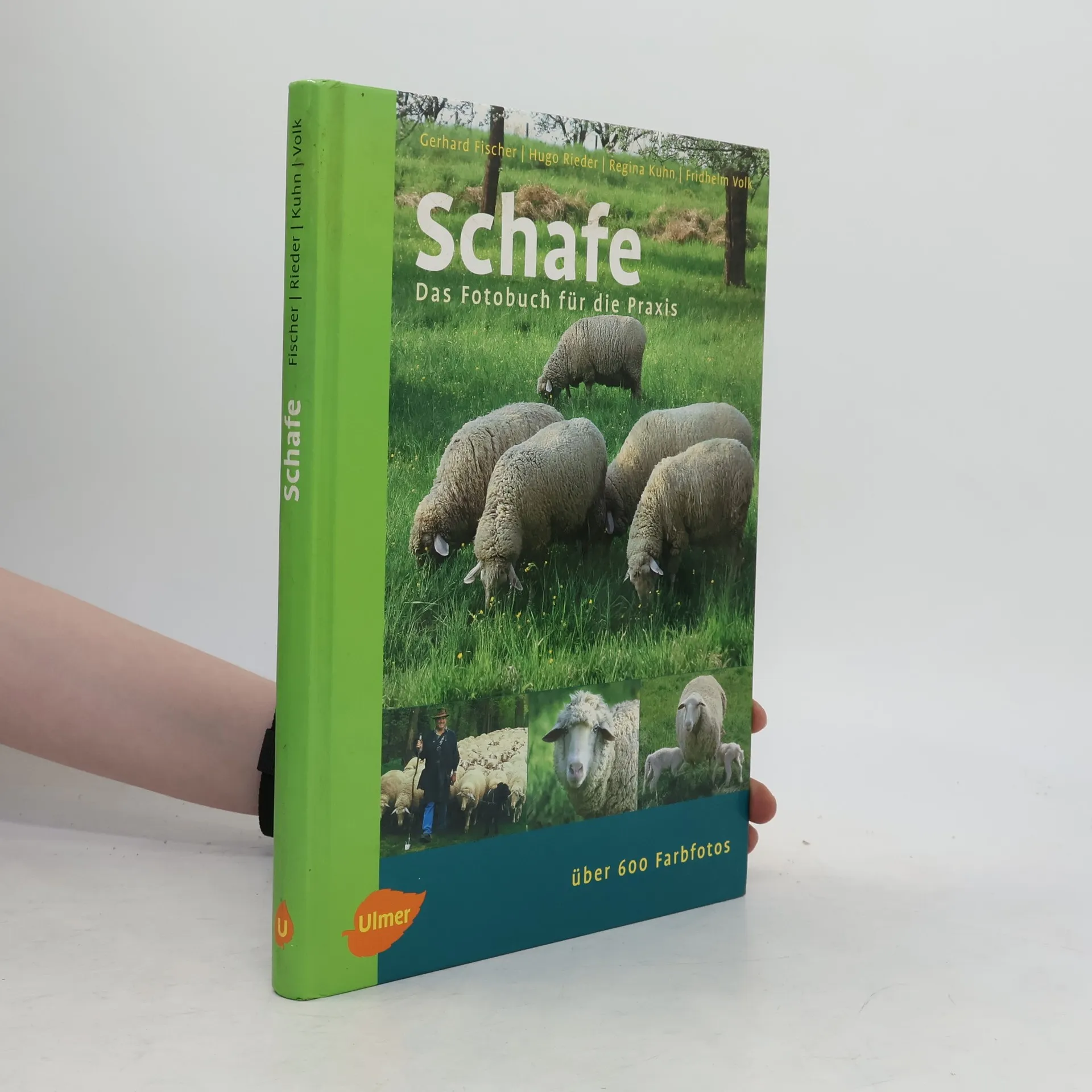
In 680 farbigen Fotos und Fotoserien und knappen, klaren Texten werden alle Aspekte, die mit dem Nutztier Schaf, seiner Haltung, Pflege und seinen Produkten zu tun haben, dargestellt. Sämtliche Arbeiten und Abläufe in der Schafhaltung werden detailliert gezeigt und erklärt. Themenbereiche sind: Porträts verschiedener Schafrassen, das Verhalten der Schafe, der Umgang mit ihnen, das Schaf als Landschaftspfleger, die verschiedenen Arten des Herdenmanagements, Fütterung, Stall- und Weidepflege, Zucht und Lämmeraufzucht, Gesunderhaltung, Produktegewinnung und -verarbeitung. Aber auch die Freude, die die Schafhaltung mit sich bringt und die Schönheit dieser Nutztiere seit Urzeiten Begleiter des Menschen zeigt dieses Buch.
Die Zeit des Nationalsozialismus ist das unrühmlichste Kapitel des deutschen Fußballs. Dieses Buch beleuchtet die Jahre zwischen 1933 und 1945 erstmals ausführlich. Es belegt, wie sich Vereine und DFB in vorauseilendem Gehorsam mit den neuen Machthabern arrangierten, berichtet über nationalistische Sportpolitiker, willfährige Trainer und angepaßte Kicker, über die Verfolgung jüdischer und linker Fußballer sowie über eine mißratene Vergangenheitsbewältigung nach 1945.
Das Nachschlagewerk der Bauphysik wurde f r die sechste Auflage vollst ndig berarbeitet und gibt damit wieder einen kompakten berblick der aktuellen Normung. Alle wichtigen Neuerungen zur EnEV wurden ber cksichtigt. Viele neue Beispiele zeigen zum besseren Verst ndnis den Weg zur Praxis. Das Kapitel Licht enth lt einen neuen Abschnitt zum Thema Solare Energetik. Das Buch vermittelt damit umfassend die wichtigsten bauphysikalischen Grundlagen, unterst tzt den Anwender effektiv bei der t glichen Bauplanung.
Ärztliche Erkenntnisse und Entscheidungen werden in verschiedenen medizinischen Kontexten, von der Allgemeinmedizin bis zur klinischen Versorgung, dargestellt. Die Szenen reflektieren den Alltag zwischen Hannover und Bern und sind authentisch. Die Herausgeber begründen die Veröffentlichung aus eigener Unzufriedenheit über die Entwicklungen in der Medizin sowie der öffentlichen Kritik daran. Diese Unzufriedenheit bezieht sich auf unreflektierte Diagnosen und Handlungen sowie die unkritische Übernahme von Handlungsstrategien. Patienten werden oft überdiagnostiziert, statt dass sie die Möglichkeit haben, ausführlich mit ihren Ärzten zu sprechen. Zudem werden sie häufig mit Überweisungen von Allgemeinärzten zu Spezialisten geschickt, was zu einer "Verzettelung der Verantwortung" führt. Die Wissenschaftlichkeit der angewandten Medizin, insbesondere in der ambulanten Versorgung, wird in Frage gestellt. Dies führt dazu, dass viele Bereiche der Medizin in einem ständigen Abwehrkampf sind. Es herrscht die fragwürdige Überzeugung, dass Wissenschaft nur in Klinik und Labor realisierbar sei, während die Praxis als methodisch weniger eigenständig betrachtet wird. Diese einseitigen Sichtweisen haben zur Folge, dass wichtige politische Entscheidungen zur Wissenschaftspolitik getroffen werden, die bestehende Verhältnisse perpetuieren.
Seit Jahrzehnten gilt der brasilianische Fußball als das Nonplusultra. Stars wie Garrincha, Pelé oder Ronaldo begeisterten bei WM-Turnieren Millionen Zuschauer. Mittlerweile spielen Fußball-Legionäre vom Zuckerhut weltweit in den Profiligen – auch in Deutschland, wo Spieler wie Lucio, Ailton oder Marcelinho zu den ganz großen Namen der Bundesliga zählen. Die Autoren hinterfragen den gern gepflegten Mythos um die 'Samba-Kicker von der Copacabana'. Sie schildern die Geschichte und Entwicklung des brasilianischen Fußballs und untersuchen das spezielle Verhältnis zwischen Deutschland und Brasilien – der beiden Länder also, die seit einem halben Jahrhundert um die Vorherrschaft im Weltfußball wetteifern.
Dieses Buch zeigt faszinierende Methoden, wie man Gelassenheit und Überlegenheit gewinnt. Ehrgeiz, Fleiß und Wissen allein reichen nicht mehr aus, um vorwärtszukommen und bestehende Grenzen zu überschreiten. Eine völlig neue Denk- und Bewusstseinsebene ist Voraussetzung dafür, völlig Neues zu schaffen. Dazu ist es notwendig, erst allen alten Ballast abzuwerfen und sich selber leerzumachen, um Raum für Neues zu schaffen. Ein Buch, das neue Perspektiven für das Verständnis unserer Zeit, unserer Mitmenschen und unseres eigenen Handelns eröffnet. Dieses Buch zeigt, wie man - gute und schnelle Entschlüsse fasst - um 300 % die Leistung steigert - die geistige Kapazität um das zehnfache erhöht - eine überdurchschnittliche Konzentrationssteigerung erhält - eine Methode zur Änderung von Gewohnheiten und Charaktereigenschaften nutzt - mentale Kontrolle gewollter Eigenschaften einsetzt - sich auf wichtige Lebensgesetze einstellt - den sicheren Weg zur Selbstbeherrschung und Disziplin beschreitet. Das alles zusammen bedeutet souveränes Darüberstehen!
Historische Studie über das 18. Jahrhundert aus dem Jahre 1876
596pages
21 heures de lecture
Es ist besorgniserregend, dass das historische Wissen in der Medizin mit jeder Generation abnimmt. Oft wird angenommen, dass das Wissen junger Arbeiter höchstens 3-5 Jahre zurückreicht. Was vor wenigen Jahren veröffentlicht wurde, scheint nicht mehr relevant zu sein. Je weiter die medizinischen Naturwissenschaften voranschreiten, desto dringlicher wird die Frage, ob es für praktizierende Ärzte möglich ist, diesen Fortschritten zu folgen. Der junge Doktor, der mit dem festen Vorsatz in die Praxis eintritt, der Wissenschaft treu zu bleiben, sieht sich bald einem entscheidenden Scheideweg gegenüber. Hier entscheidet nicht das Talent, sondern der Charakter, welcher Weg eingeschlagen wird. Die Wahl ist gravierend, da sie oft das gesamte Leben beeinflusst. Entweder verabschiedet er sich von der Wissenschaft und wird Teil der medizinischen Handwerker, wobei er möglicherweise auf fragwürdige Methoden zurückgreift, oder er strebt danach, sich den Ruf eines wissenschaftlichen Praktikers zu erarbeiten. Nach den anstrengenden Prüfungsjahren könnte man sich jedoch eine gewisse Ruhe gönnen, da die universitären Kenntnisse in den ersten Jahren ausreichend sein sollten.