Naked. The Nude in America
- 476pages
- 17 heures de lecture
Surveys the history of the nude in American art, photography, and popular culture.


Bram Dijkstra était un professeur de littérature anglaise dont le travail explorait les images troublantes de la sexualité féminine dans la culture. Ses livres influents, tels que "Idols of Perversity" et "Evil Sisters", analysaient la personnification féminine du mal dans l'art et la littérature de la fin du XIXe siècle. Dijkstra s'est concentré sur la manière dont ces images reflètent et façonnent les angoisses et les désirs masculins. Son œuvre académique et populaire offre un aperçu fascinant des fondements psychologiques et culturels de la représentation féminine.
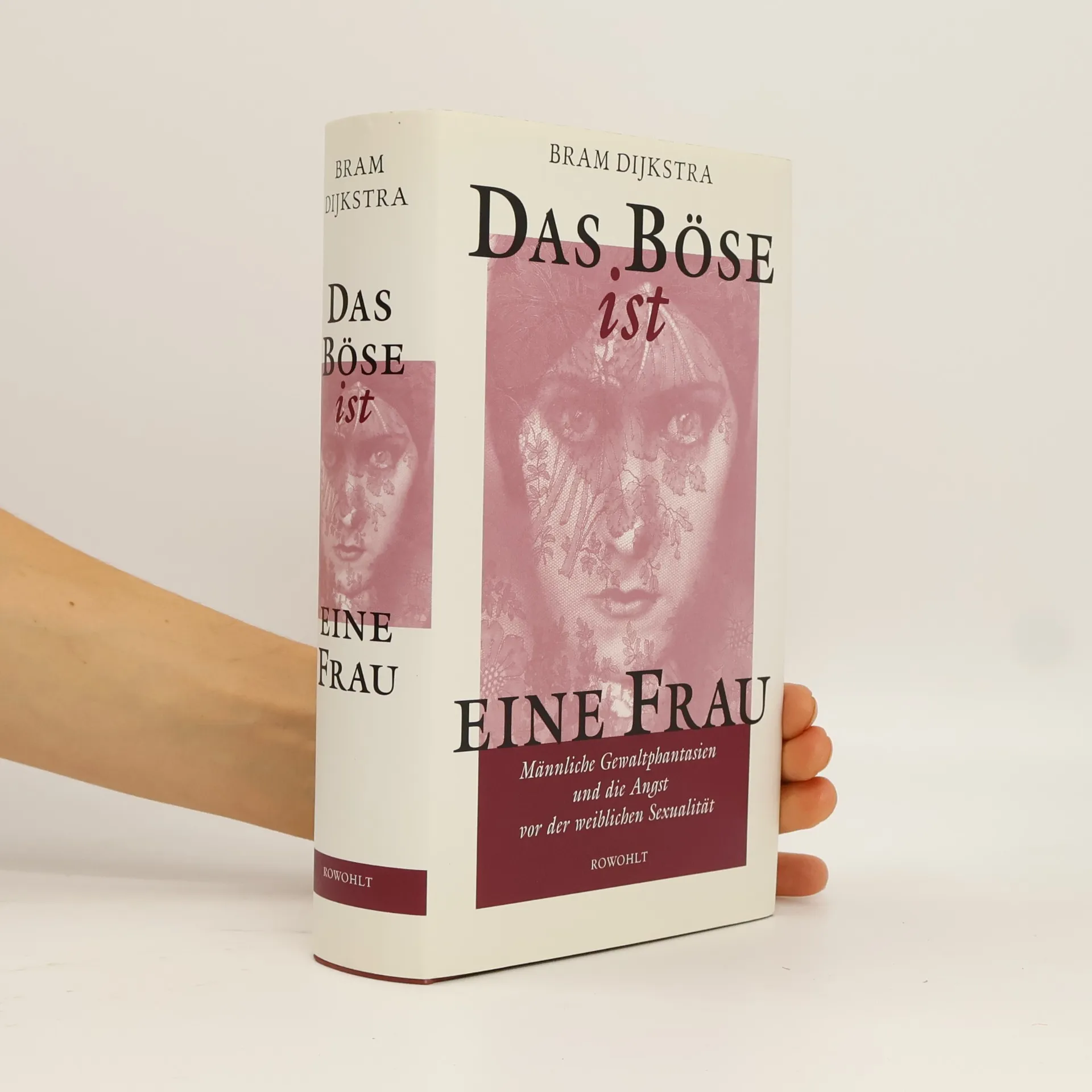

Surveys the history of the nude in American art, photography, and popular culture.
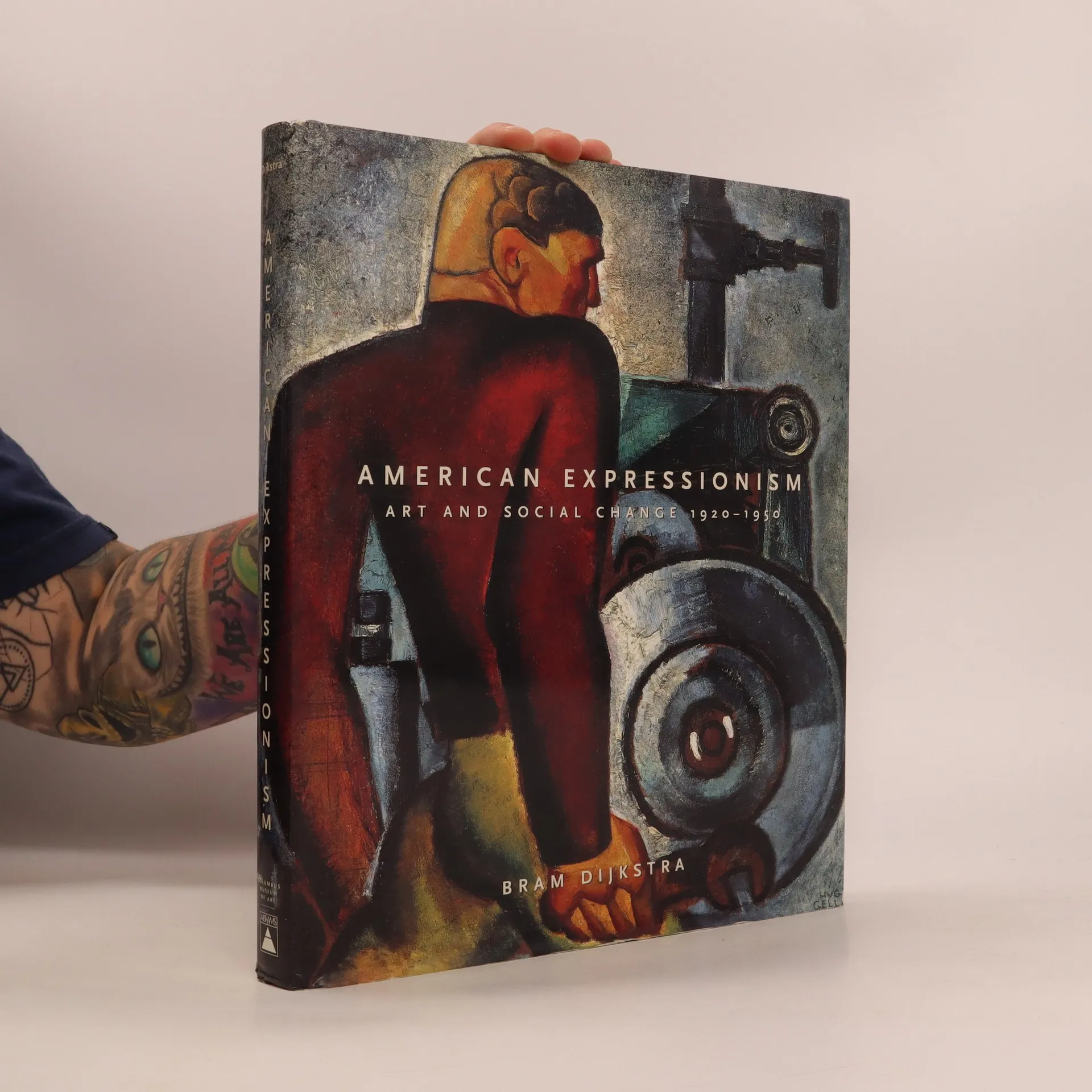
During the 1920s and '30s and until the end of World War II, a distinctly American form of Expressionism evolved. Most of the artists in this movement, children of immigrants from eastern and southern Europe, African-Americans and other outsiders to American mainstream culture, grew up in the urban ghettoes of the East Coast or Chicago. Their art was sympathetic to the disposessed and reflected a deep concern with the lives of working people. Providing a look at this art - and the beginnings of a new movement, Abstract Expressionism, which followed it - cultural historian Bram Dijkstra offers insights into the roots of painting in modern America.
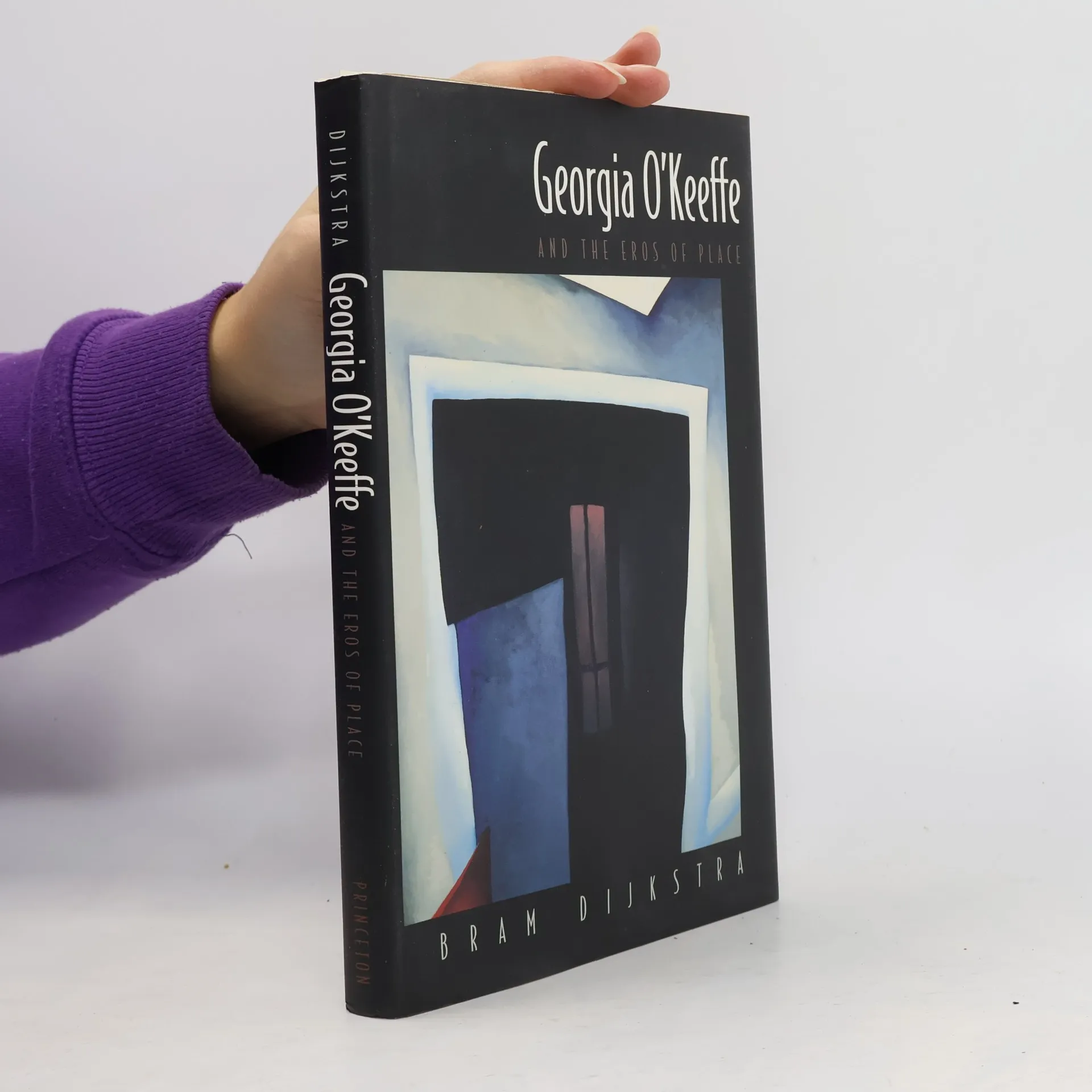
Georgia O'Keeffe has long been recognized as one of America's most adventurous early modernist artists. But critics often suggest that she became a revolutionary despite her American background, not because of it. Bram Dijkstra challenges that point of view. In this searching reappraisal of O'Keeffe's work, the distinguished cultural historian shows that her art was decisively shaped by the America in which she grew up. In doing so, he casts new light on the facts of O'Keeffe's remarkable life and offers incisive new readings of many of her most important paintings. Art historians have largely accepted the view that O'Keeffe's art was shaped by Alfred Stieglitz and the work of the European modernists she encountered under his tutelage--a view actively encouraged by the famous photographer himself. Dijkstra counters this idea by taking us into the cultural environment of her childhood and by illuminating the details of her early education in art. He shows that O'Keeffe's mature style found its origin in such apparently unlikely sources as Edgar Allan Poe's speculations about the androgynous nature of the soul before industrialism, and in what Dijkstra calls the transcendental materialism of the tonalist movement in turn-of-the-century American art. Dijkstra also explores O'Keeffe's important--but until now widely neglected--identification with the feminist aims and artistic concerns of the radical periodical <i>The Masses</i>. And he shows that even the daring new styles of illustration featured there, and in other magazines of the period, significantly influenced her development of a personal style. Dijkstra argues, moreover, that O'Keeffe's very American search for an organic abstraction of form that would <i>celebrate</i> nature allowed her to develop a humanist style that deliberately challenged the early European modernists' emphasis on mechanistic constructions of form <i>against</i> nature. Beautifully written and painstakingly researched, <i>Georgia O'Keeffe and the Eros of Place </i>is a major reassessment of O'Keeffe's place in American culture and a tribute to the artist's steadfast refusal to abandon her provincial belief in the shaping spirit of place.