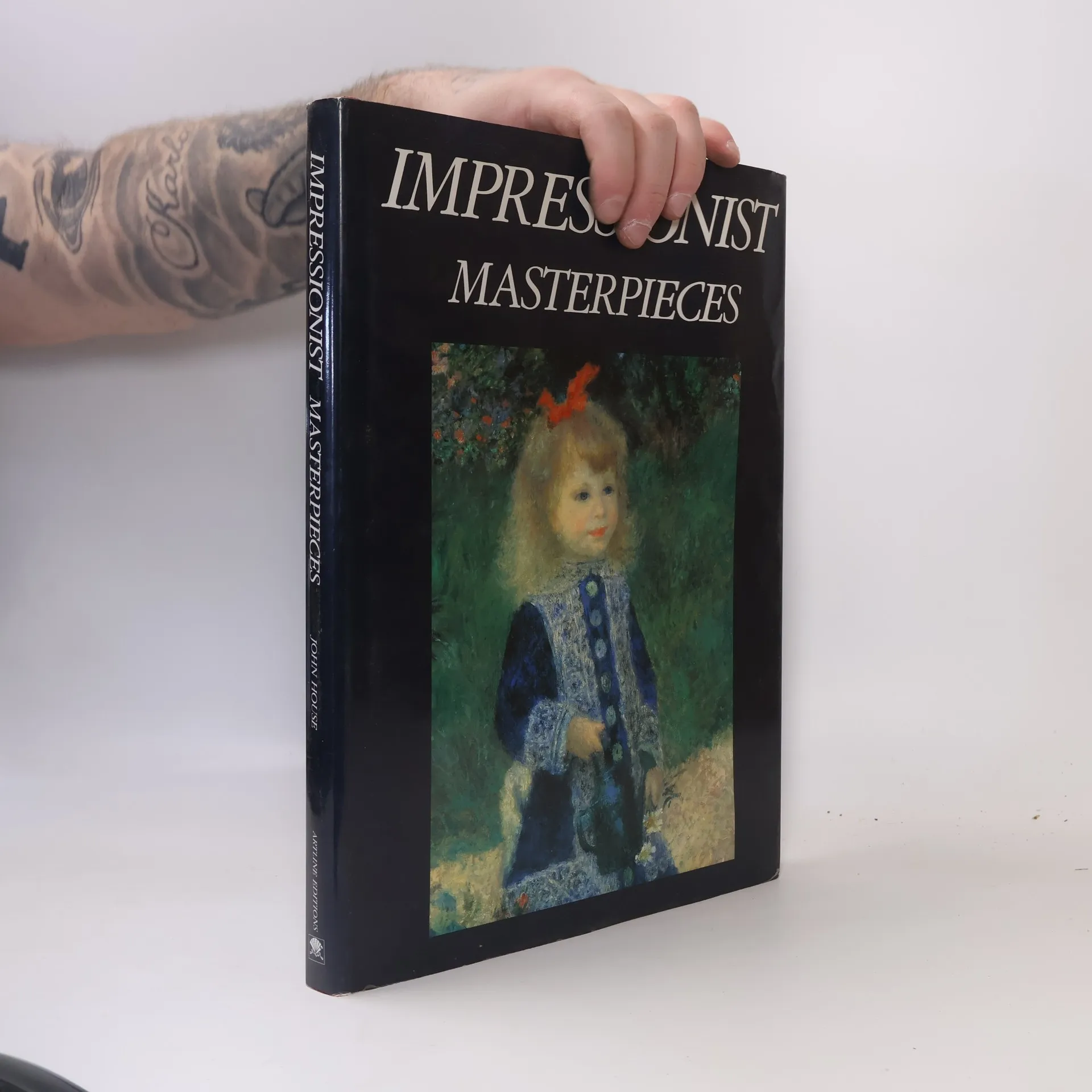
John House fut le doyen des historiens de l'impressionnisme. Loin d'être superficiels ou conciliants, les impressionnistes furent révélés dans les écrits de House comme des observateurs perspicaces du changement social. Au lieu d'être un mouvement autonome, ils furent présentés comme de fins négociateurs des conventions et institutions artistiques. House joua un rôle essentiel dans la transformation de l'étude académique de cette période et présida au développement de son appréciation publique à travers les expositions spectaculaires qu'il a organisées.
Highlighting the first-ever exhibition of Paul Czanne's complete collection at The Courtauld Gallery, this catalogue celebrates the 75th anniversary of The Courtauld Institute of Arts. It features an exceptional array of seminal paintings, alongside rarely seen drawings and watercolors, showcasing the breadth of Czanne's artistic evolution throughout his career. The collection's significance is underscored by its quality and diversity, offering a comprehensive insight into one of the most influential artists in art history.
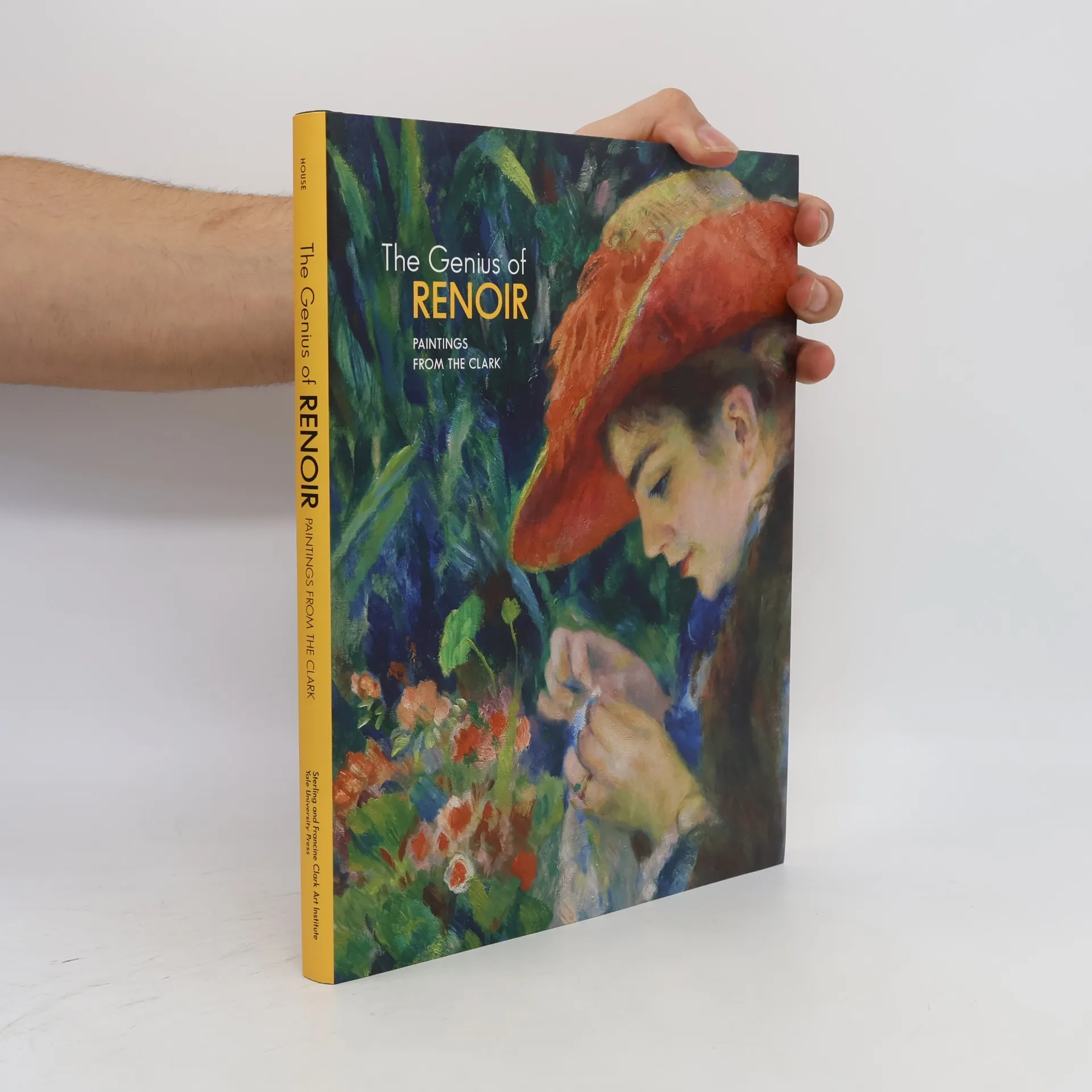
With a consuming enthusiasm for the paintings of Pierre-Auguste Renoir (1841-1919), art collector Sterling Clark assembled one of the greatest private collections of Renoir's work during the first half of the 20th century. Today the masterpieces he so admired form a vital part of the Impressionist holdings of the Sterling and Francine Clark Art Institute. The Genius of Renoir: Paintings from the Clark offers a fascinating, fresh look at the thirty-two Renoir paintings in the Clark collection, featuring beautiful digital color reproductions created especially for this volume. The book brings to light new and often revelatory scholarship concerning the importance of each work, both within Renoir's oeuvre and within the Clark collection. Among the richly varied paintings, encompassing portraits, landscapes, and still lifes, are such key works as Marie-Thérèse Durand-Ruel Sewing, A Box at the Theater (At the Concert), Onions, and Venice, the Doge's Palace. John House, a leading authority on Renoir, offers an in-depth analysis of each of the works in the collection, and curator-author James A. Ganz draws on extensive archival research on Sterling Clark's pursuits as an art collector and museum founder to illuminate this visionary and often enigmatic man.
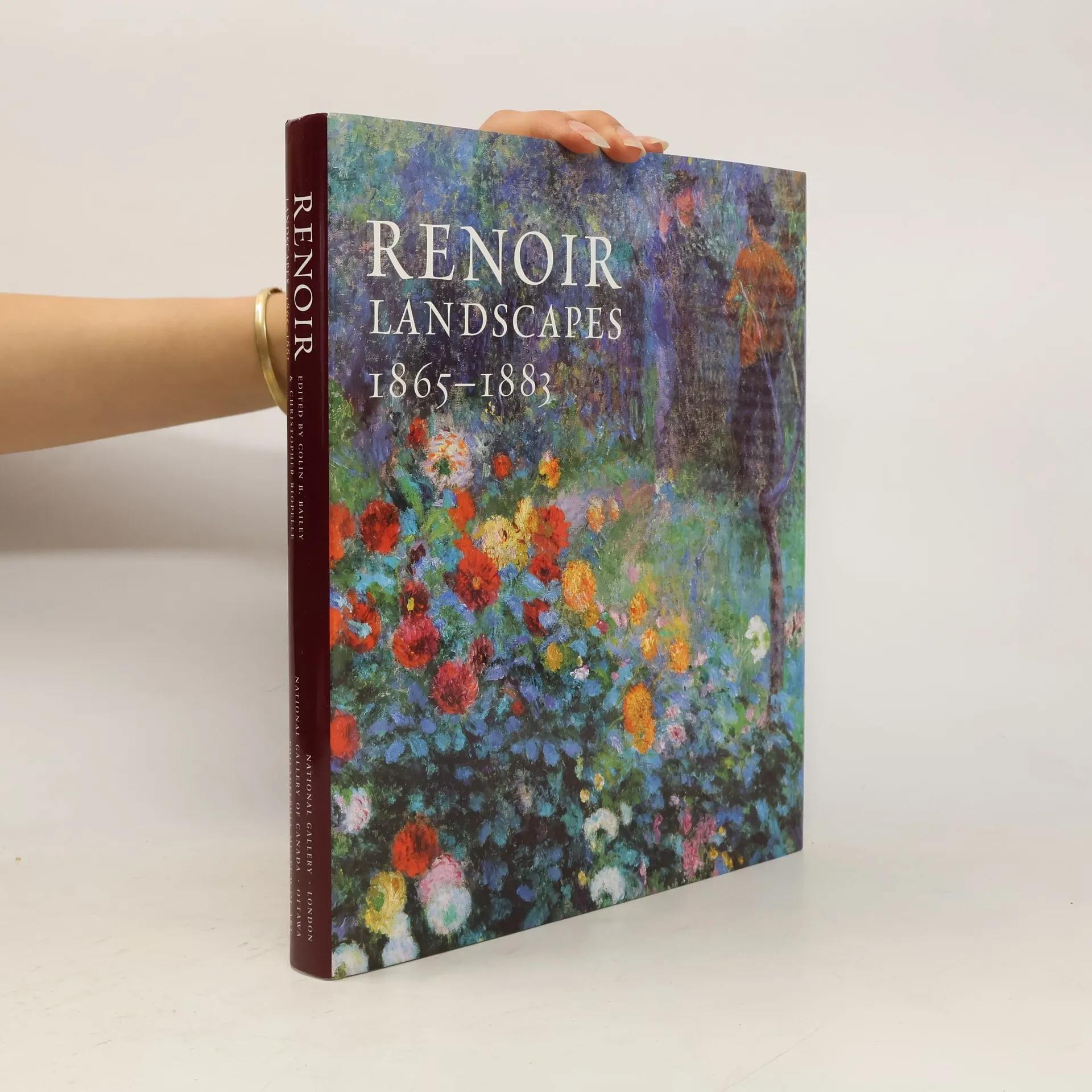
This stunning book, published to accompany a major touring exhibition, examines Renoir's landscape art in depth, demonstrating that he was one of the most audacious and original landscape artists of his age.
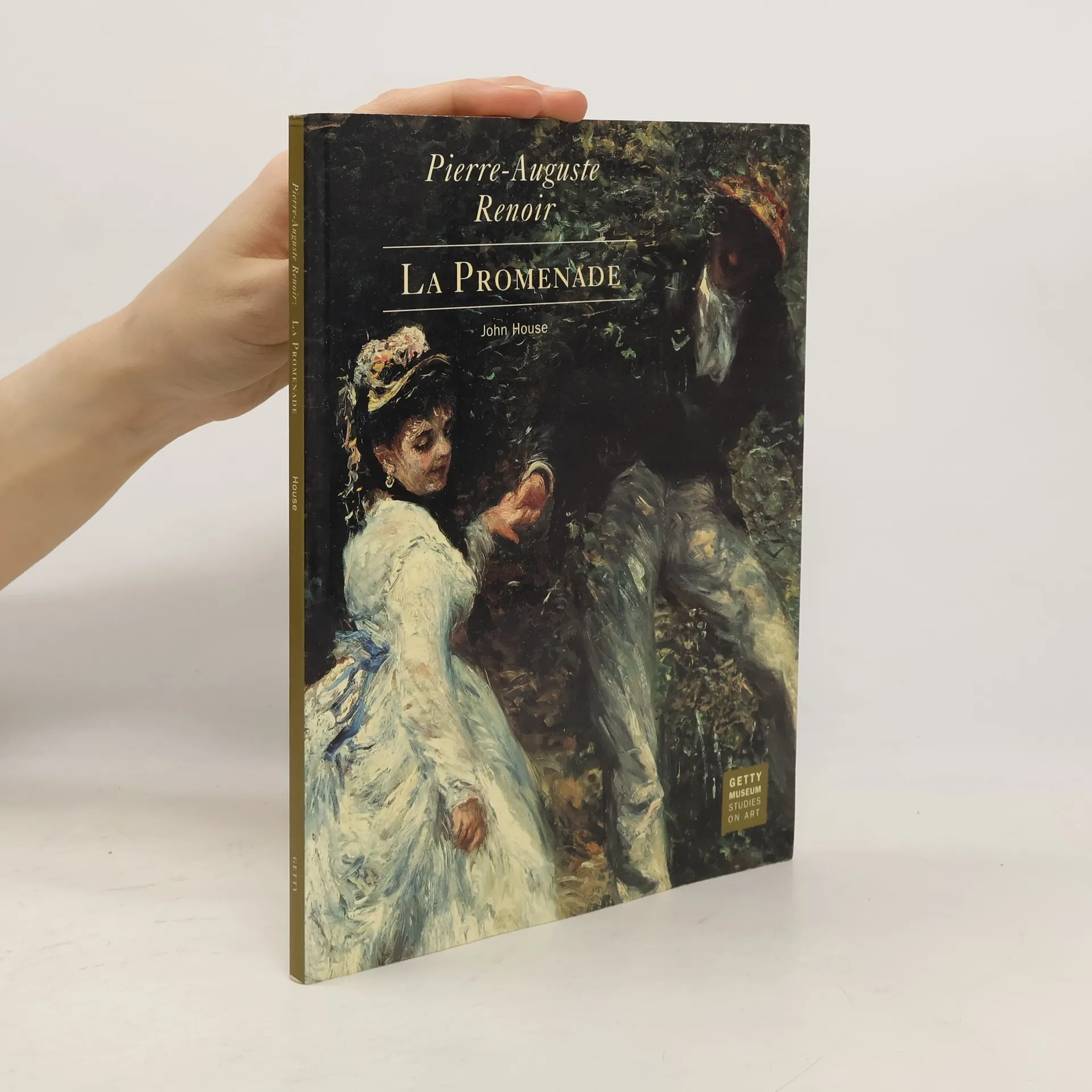
John House examines the many facets of the work and what it reveals about Renoir as a man and artist. He asks, "What did it mean to paint a picture like La Promenade in France in 1870, in the final months of Napoleon III's Second Empire?" The reader is invited to look at the canvas - and Impressionism - as a rejection of the idealist world of academic art and as a challenge to contemporary social norms.
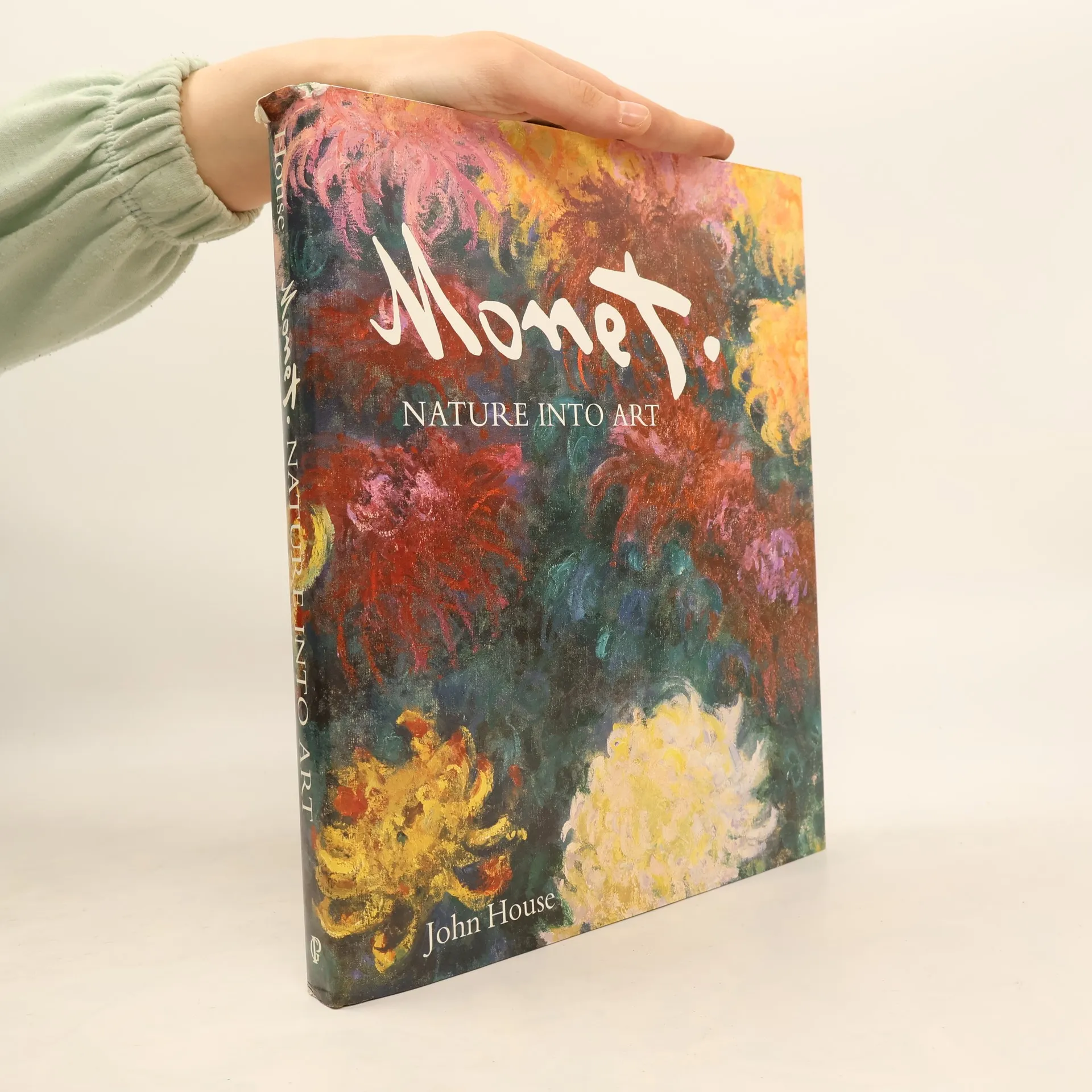
Analyzes the career of the artist responsible for the public image of Impressionism, focusing on the evolution in Monet's painting technique and execution and relating it to his ideas, experiences, and the contexts in which he worked
“I’m pursuing the impossible . . . I want to paint the air in which the bridge, the house, and boat are to be found—the beauty of the air around them . . .” Claude Monet wanted to capture more than just air and light in impasto paint on canvas, as he explained in a conversation with the Danish author Herman Bang in 1895. The master of light was also a master of shadows and reflections. This is evident in his most famous paintings, such as that of the façade of the Rouen cathedral, or the haystacks painted against light, or in the reflections of the water lilies in the pond at Giverny. In particular, his sun-drenched groves, coastlines, and depictions of the Seine in both summer and winter, demonstrate how Monet revolutionized painting by questioning the conventional notions of what a painting could be. This exquisite volume is devoted to the works from the period between 1880 and 1905 and truly paints Monet in a new light. Exhibition: Fondation Beyeler Riehen/Basel, January 22–May 28, 2017