Qu'y a-t-il de commun entre le coup d'Etat de Pinochet au Chili, le massacre de Tiananmen, l'effondrement de l'Union soviétique, et d'autres événements marquants comme les attentats du 11 septembre ou le cyclone Katrina ? Naomi Klein répond que tous ces moments sont liés à l'émergence d'un "capitalisme du désastre". Dans son ouvrage, elle approfondit sa réflexion sur les opérations concertées visant à assurer le contrôle par un ultralibéralisme puissant, qui exploite crises et désastres pour remplacer les valeurs démocratiques par la loi du marché et la spéculation. Ce récit, remarquablement documenté, dévoile une histoire secrète du libre marché et propose une nouvelle éthique de l'investigation journalistique. Il s'affirme comme une lecture essentielle pour réévaluer les enjeux contemporains et futurs, soulignant la responsabilité collective des citoyens du monde. Journaliste et essayiste diplômée de la London School of Economics, Klein est l'auteure du best-seller international No Logo, devenu une référence mondiale. Elle contribue régulièrement à des publications telles que The Nation et The Guardian, et a réalisé un film sur l'occupation des usines en Argentine.
Naomi Klein Livres
Naomi Klein est une journaliste et auteure de best-sellers internationaux primée, dont le travail examine de manière critique le pouvoir des entreprises, le capitalisme mondial et la crise climatique. Son écriture présente une analyse incisive des forces sociales et économiques qui façonnent notre monde, inspirant les lecteurs à adopter une position active et à rechercher des solutions alternatives. Klein combine la rigueur journalistique avec un appel urgent à un avenir plus juste et durable. Ses œuvres ont été traduites dans de nombreuses langues, résonnant à travers les divisions culturelles et politiques et soulignant l'urgence et l'universalité de ses préoccupations.



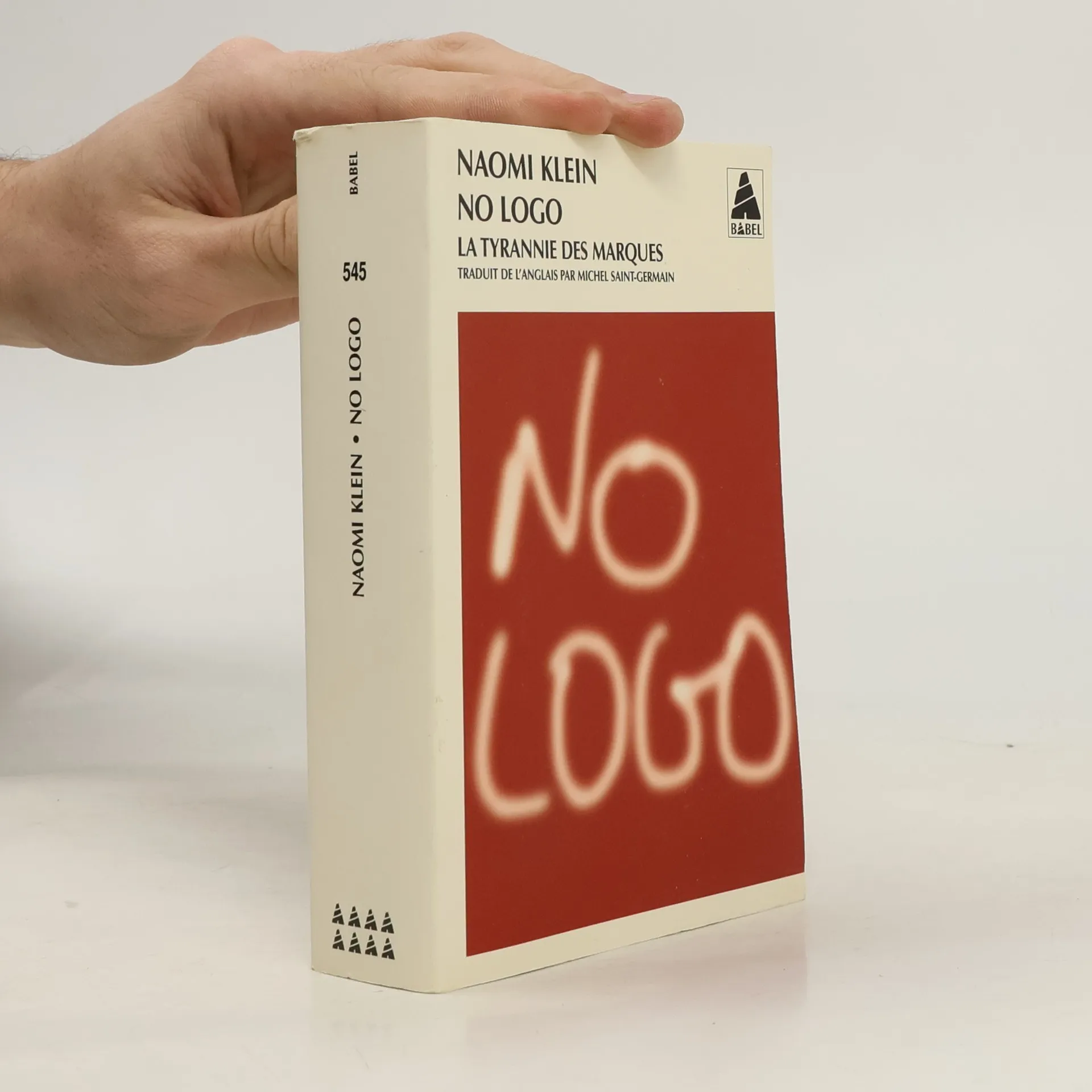
Etat des lieux de la société de consommation, « No logo » analyse et dénonce les innombrables pratiques d'intrusion des marques au cœur de nos vies quotidiennes et expose les formes de résistance qui se mobilisent aujourd'hui pour combattre leur emprise prédatrice. Un best-seller mondial.
The Bedside Guardian 2015
- 300pages
- 11 heures de lecture
A showcase of the best journalism and photography of the previous year from the award-winning newspaper.
We are in a fight for our lives. Hurricanes Irma and Mar?a unmasked the colonialism we face in Puerto Rico, and the inequality it fosters, creating a fierce humanitarian crisis. Now we must find a path forward to equality and sustainability, a path driven by communities, not investors. And this book explains, with careful and unbiased reporting, only the efforts of our community activists can answer the paramount question: What type of society do we want to become and who is Puerto Rico for? --Carmen Yul?n Cruz, Mayor of San JuanIn the rubble of Hurricane Maria, Puerto Ricans and ultrarich Puertopians are locked in a pitched struggle over how to remake the island. In this vital and startling investigation, bestselling author and activist Naomi Klein uncovers how the forces of shock politics and disaster capitalism seek to undermine the nation's radical, resilient vision for a just recovery.All royalties from the sale of this book in English and Spanish go directly to JunteGente,
On fire : the burning case for a green new deal
- 224pages
- 8 heures de lecture
The fight for a green world is the fight of our lives. And with On Fire, Naomi Klein gives us the ammunition to do it. In frank, personal terms, she shows us how the only way forward out of a polluted world of our own making is only through policy reform - a concrete set of actions to combat the mounting threat of total environmental catastrophe. What's needed, she argues, is something with radical verve and guaranteed protections: in other words, a New Deal. On Fire finds Klein at her most canny and prophetic, and the stakes of our imperiled global situation higher than ever before. In wide-ranging essays reporting from varying stages of ecological crisis - from prescient clarion calls from years ago to our panicked present - Klein wakes us up from our environmental sleepwalk and sets us on a course of potent, necessary action.
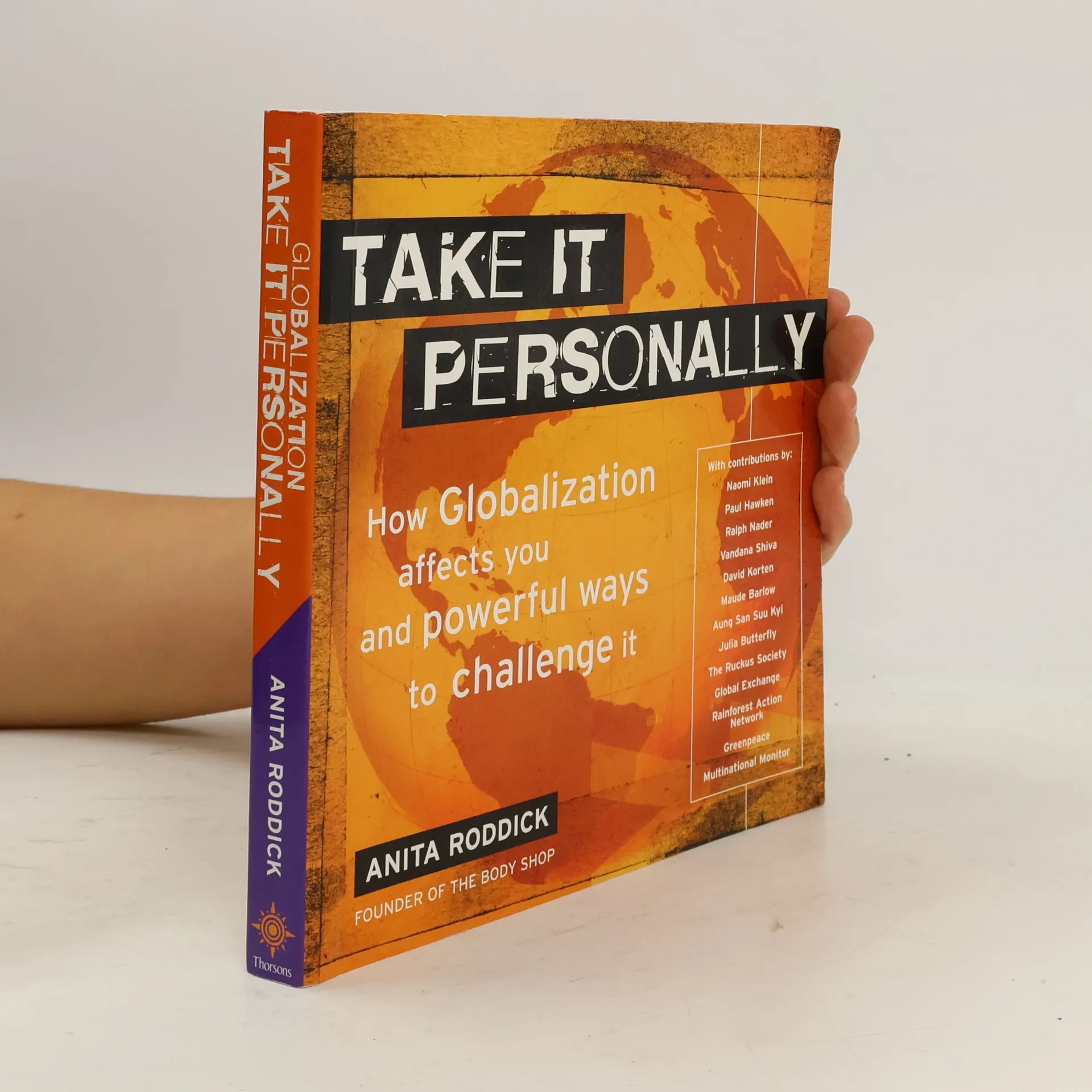
In this work, outspoken business leader Anita Roddick brings together the voices of some of the most prominent authorities on the phenomenon of Globalization, including Susan George, David Korten and Naomi Klein. Full of images, this book gets right to the heart of the issue, exploding the myths that would have us believe Globalization is a force for good. Covering aspects of the subject as diverse as human rights, the environment, international finance, health, the food we eat and trade, the book combines medium-length articles with quotes, case notes and interviews. This book constitutes a call to action, showing how each and every one of us can take on the corporate.
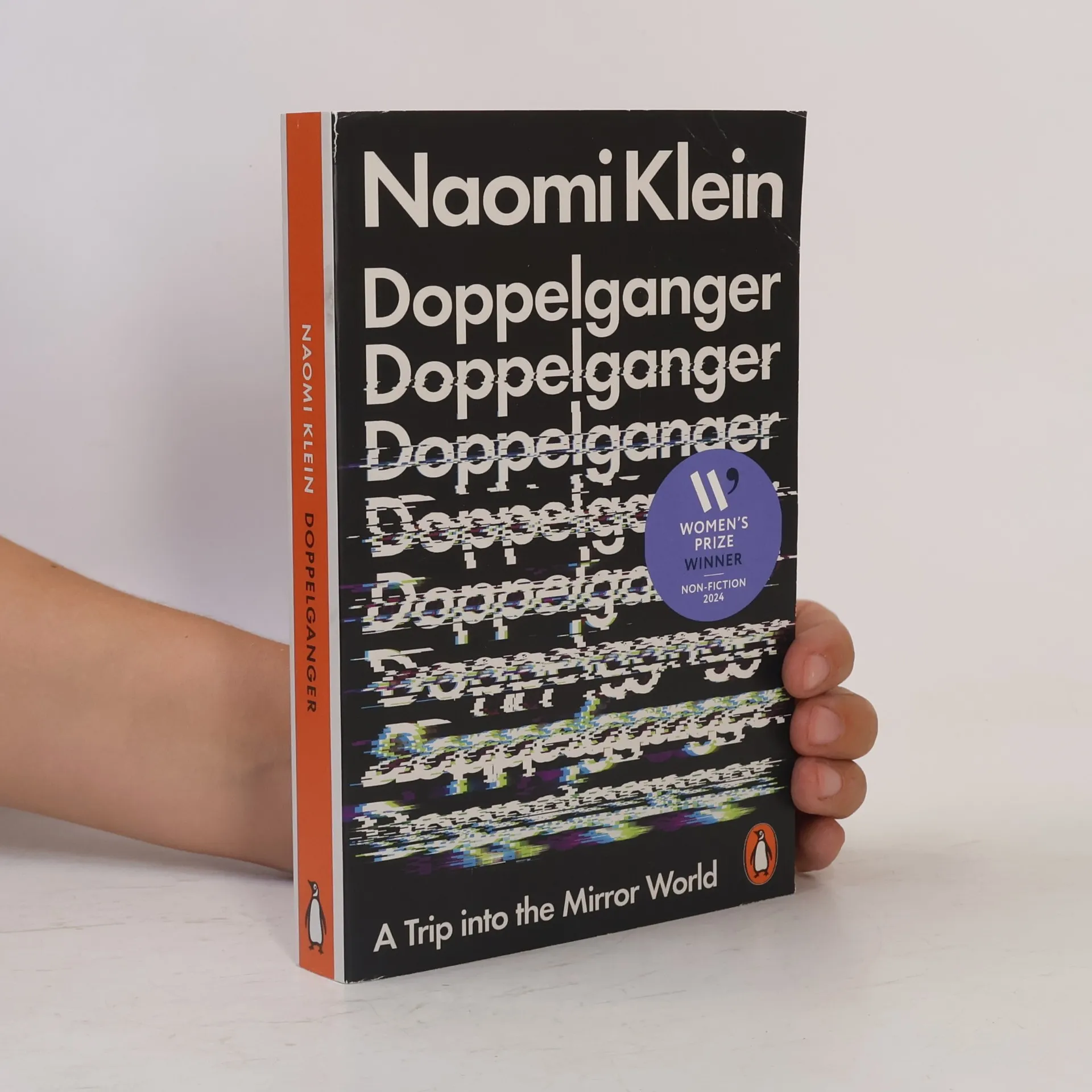
What if you woke up one morning to discover you had a double—someone almost like you, yet fundamentally different? This doppelganger shares your concerns but promotes the very causes you oppose. Naomi Klein, a celebrated activist and public intellectual, faced this unsettling reality when she encountered a figure whose views she found abhorrent, yet whose name and persona led to confusion. This experience left her disoriented until she recognized it as part of a broader strangeness in our world: AI-generated text blurring communication, New Age wellness advocates becoming anti-vaxxers, and liberal democracies leaning toward absurdist authoritarianism amid rising oceans. Klein, a sharp social critic, turns her focus inward to explore our psychological landscapes while addressing the intersecting crises we face. With insights from Freud, Jordan Peele, and bell hooks, she employs humor and a keen sense of the absurd to confront the doubles that haunt us. Blending comic memoir with chilling reportage and insightful analysis, she seeks to shatter the mirror of our digital selves and explore whether we can overcome the pathologies of our culture. Can we foster a politics of collective care and reckon with historical injustices? The result is a profound exploration of contemporary thought and an intellectual adventure for our times.
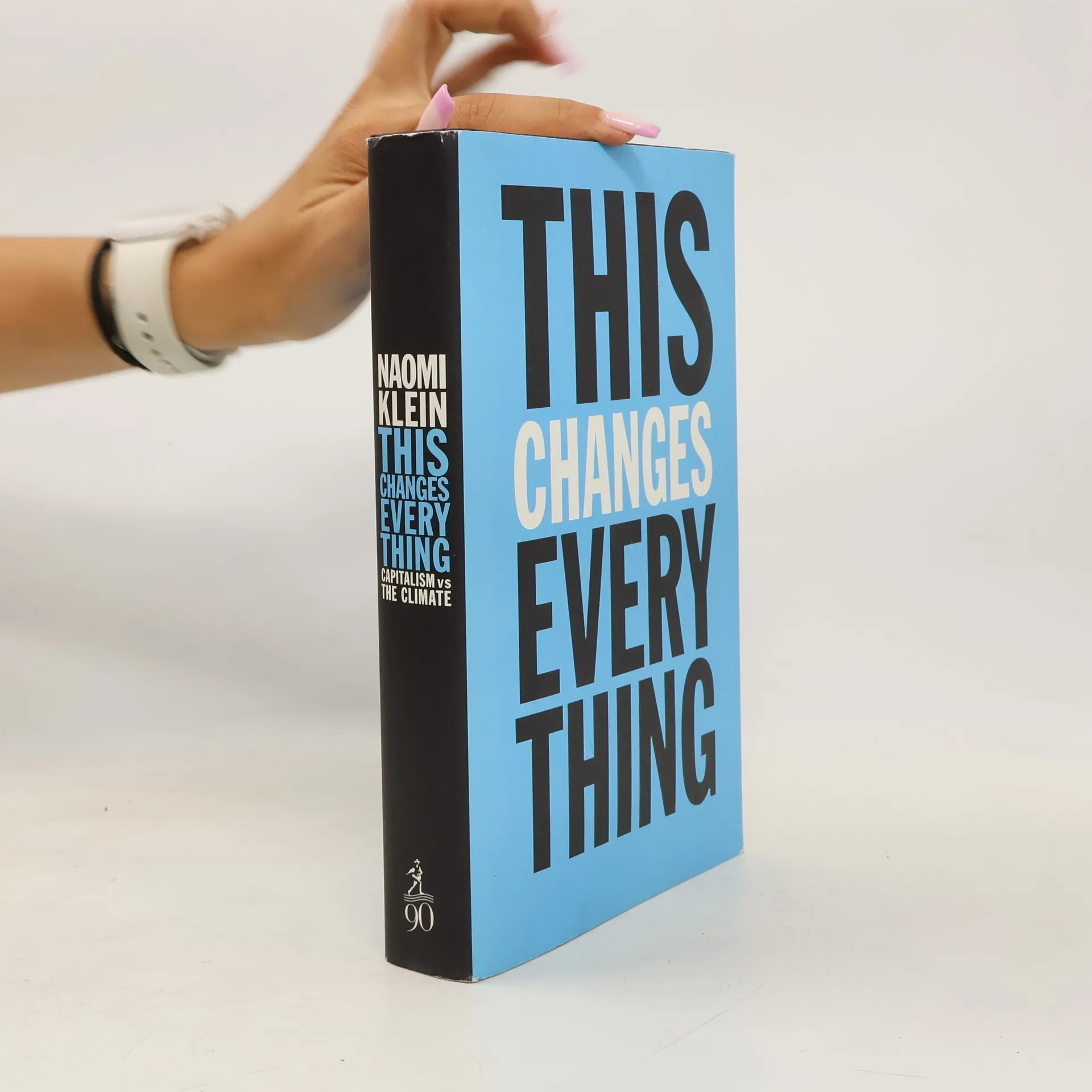
With strong first-hand reporting and an original, provocative thesis, Naomi Klein returns with this book on how the climate crisis must spur transformational political change
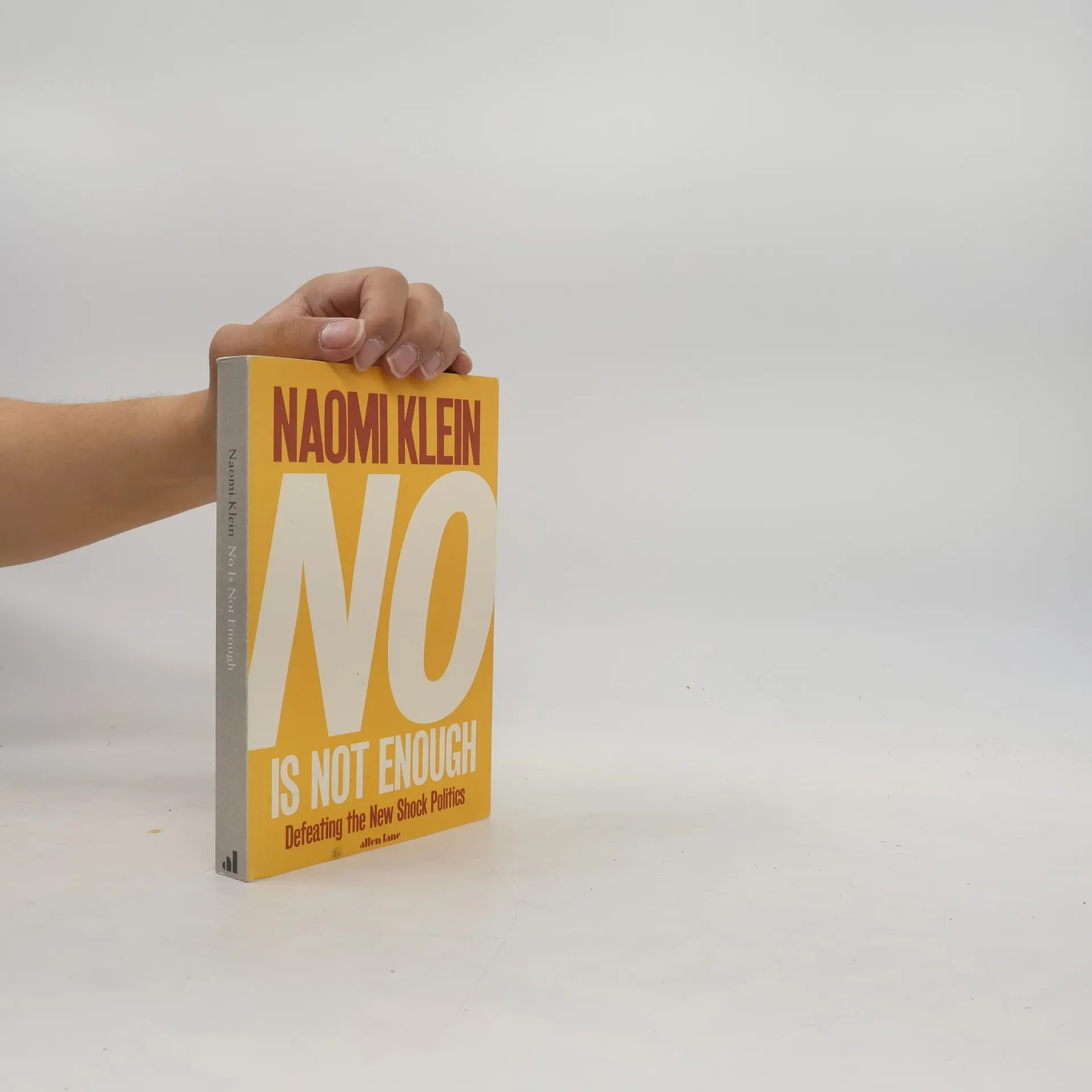
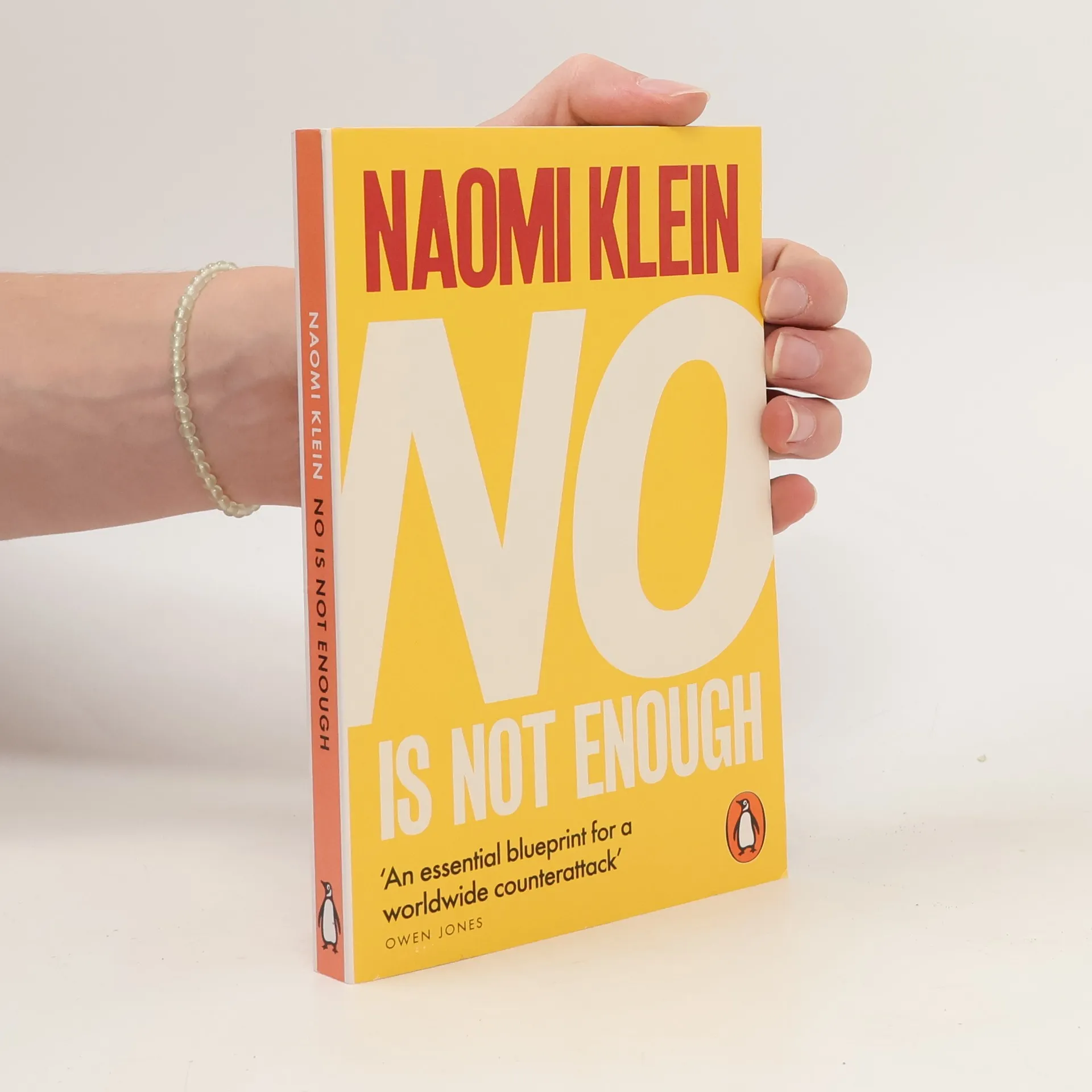
No Is Not Enough
- 240pages
- 9 heures de lecture
Donald Trump’s takeover of the White House is a dangerous escalation in a world of cascading crises. His reckless agenda—including a corporate coup in government, aggressive scapegoating and warmongering, and sweeping aside climate science to set off a fossil fuel frenzy—will generate waves of disasters and shocks to the economy, national security, and the environment. Acclaimed journalist, activist, and bestselling author Naomi Klein has spent two decades studying political shocks, climate change, and “brand bullies.” From this unique perspective, she argues that Trump is not an aberration but a logical extension of the worst, most dangerous trends of the past half-century—the very conditions that have unleashed a rising tide of white nationalism the world over. It is not enough, she tells us, to merely resist, to say “no.” Our historical moment demands more: a credible and inspiring “yes,” a roadmap to reclaiming the populist ground from those who would divide us—one that sets a bold course for winning the fair and caring world we want and need. This timely, urgent book from one of our most influential thinkers offers a bracing positive shock of its own, helping us understand just how we got here, and how we can, collectively, come together and heal.
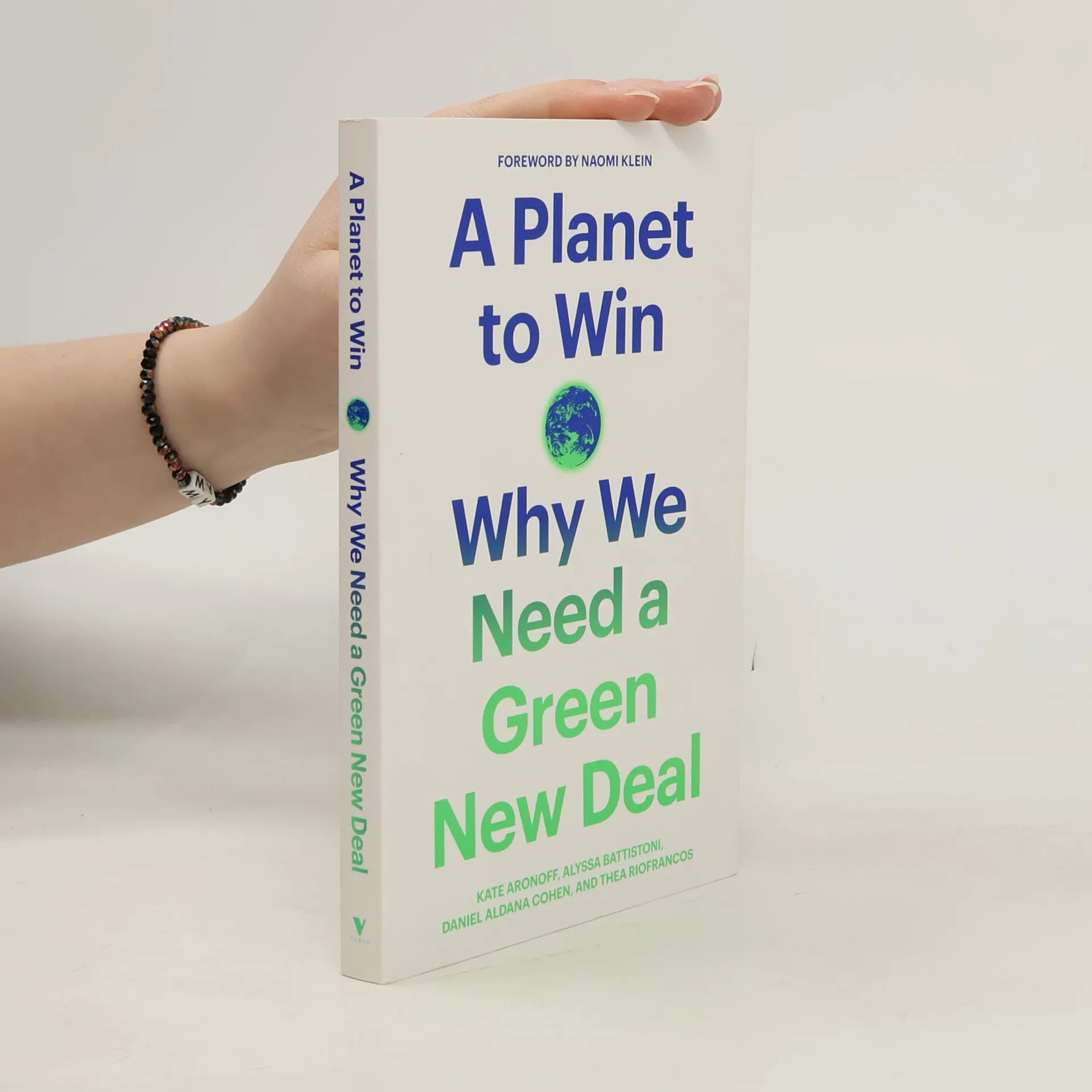
All politics are climate politics in the twenty-first century—and this bold book argues for a Green New Deal that confronts both climate change and inequality The age of climate gradualism is over, as unprecedented disasters are exacerbated by inequalities of race and class. We need profound, radical change. A Green New Deal can tackle the climate emergency and rampant inequality at the same time. Cutting carbon emissions while winning immediate gains for the many is the only way to build a movement strong enough to defeat big oil, big business, and the super-rich—starting right now. A Planet to Win explores the political potential and concrete first steps of a Green New Deal. It calls for dismantling the fossil fuel industry and building beautiful landscapes of renewable energy, guaranteeing climate-friendly work and no-carbon housing and free public transit. And it shows how a Green New Deal in the United States can strengthen climate justice movements worldwide. We don’t make politics under conditions of our own choosing, and no one would choose this crisis. But crises also present opportunities. We stand on the brink of disaster—but also at the cusp of wondrous, transformative change.
No Is Not Enough: Defeating the New Shock Politics
- 240pages
- 9 heures de lecture
Remember when it all seemed to be getting better? Before Trump happened? Naomi Klein, internationally acclaimed journalist, activist and bestselling author, shows us how we got to this surreal and dangerous place, how to stop it getting a lot worse, and how, if we keep our heads, we can make things better. No Is Not Enough reveals, among other things, how Trump's election was not a peaceful transition, but a corporate takeover, one using deliberate shock tactics to generate wave after wave of crises and force through radical policies that will destroy people, the environment, the economy and national security. This book is the toolkit for shock resistance, showing all of us how we can break Trump's spell and win the world we need. Don't let them get away with it.
Whose Streets?
- 256pages
- 9 heures de lecture
This collection reflects critically on the 2010 G20 protests in Toronto and looks ahead to further building our capacity for resistance.
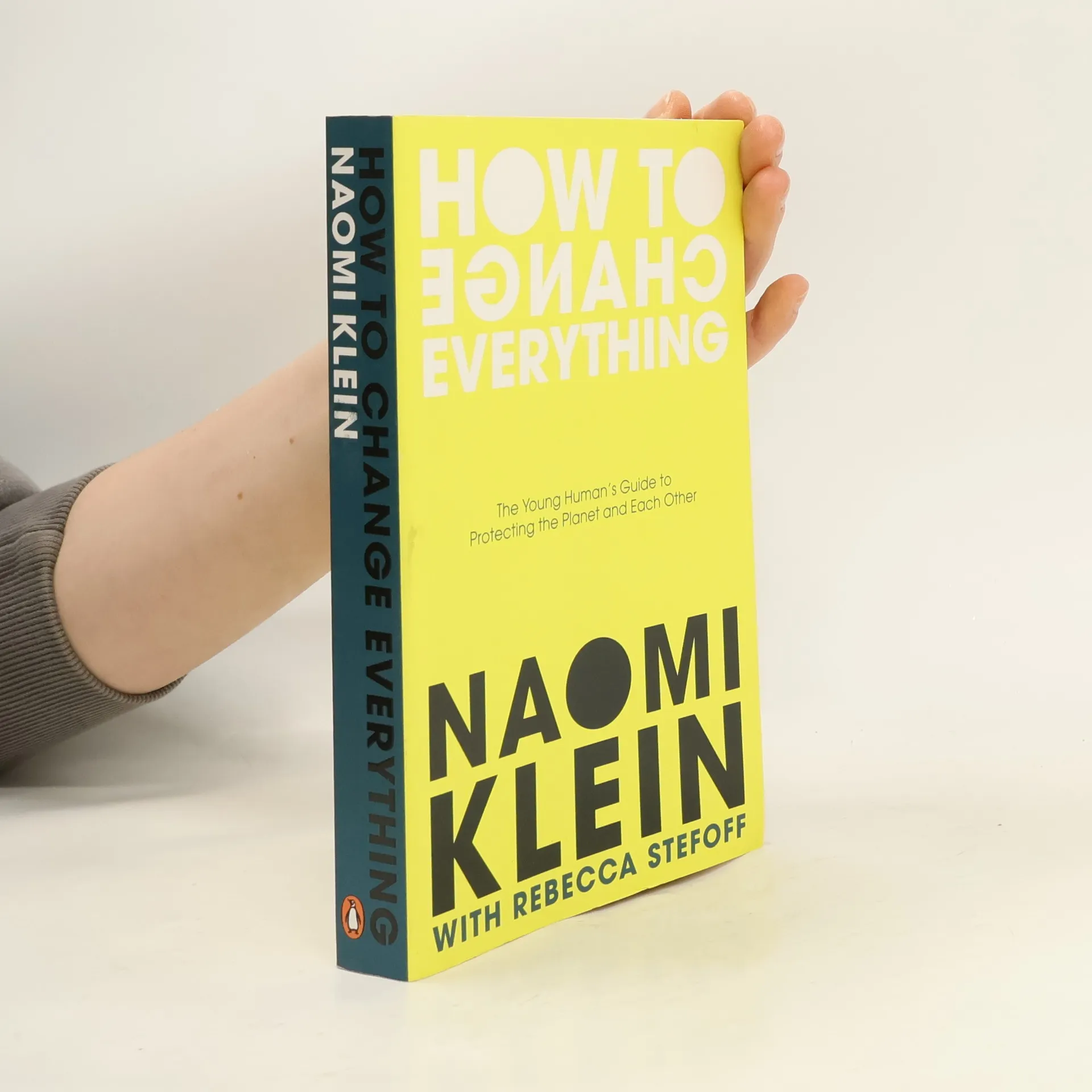
How to change everything : the young human's guide to protecting the planet and each other
- 336pages
- 12 heures de lecture
'Naomi Klein's work has always moved and guided me. She is the great chronicler of our age of climate emergency, an inspirer of generations' - GRETA THUNBERG The first book for younger readers by internationally bestselling social activist Naomi Klein: the most authoritative and inspiring book on climate change for young people yet. Warming seas. Superstorms. Fires in the Amazon. The effects of climate change are all around us. Reforestation. School-strikes for climate change. Young people are saving the world and you can join them because you deserve better. Are you ready to change everything? Includes notes on the COVID-19 pandemic, 2020, and how you can get involved to make the world a safer and better place. From the Great Barrier Reef to Hurricane Katrina to school environmental policies to Greta Thunberg - climate change impacts every aspect of the world you live in and you have the power to lead the way by enacting change. Internationally bestselling author of The Shock Doctrine, Naomi Klein, with award-winning children's science writer Rebecca Stefoff, gives a powerful picture of why and how the planet is changing, providing effective tools for action so that YOU really can make a difference.
Fences and Windows
Dispatches from the front lines of the globalization debate
- 256pages
- 9 heures de lecture
The story of the rise of the movement that wanted accountable, improved globalization. For two years Naomi Klein wrote a weekly column for Canada’s leading newspaper, the Globe & Mail (syndicated worldwide, in the Guardian in the UK). She has, by selecting, rewriting and rearranging these columns, prepared what amounts to a first-hand historical record of the gradual rise to prominence of the anti-global-corporatism movement, and of its most notable successes and failures. It has a truly international scope, covering everything from the Zapatistas’ rebellion in Mexico to the Social Centres in Italy, from the biggest peaceful protest demos since the 1960s to the gassings and shootings at Genoa. Naomi analyses developments in local democracy, in law enforcement, in privatisation laws, in capital migrations, in union behaviour, in marketing, in summitry. She gets close to the suited summits – the WTO, the G8, the IMF, NAFTA. She looks at bioterrorism, pollution, hypocrisy, fear and confusion. It is a portrait, or rather the underlying negative, of the planet's torrid time between the Seattle summit and the world-changing events of 11 September 2001. It makes for dramatic, immediate, indispensable history writing, and reading.
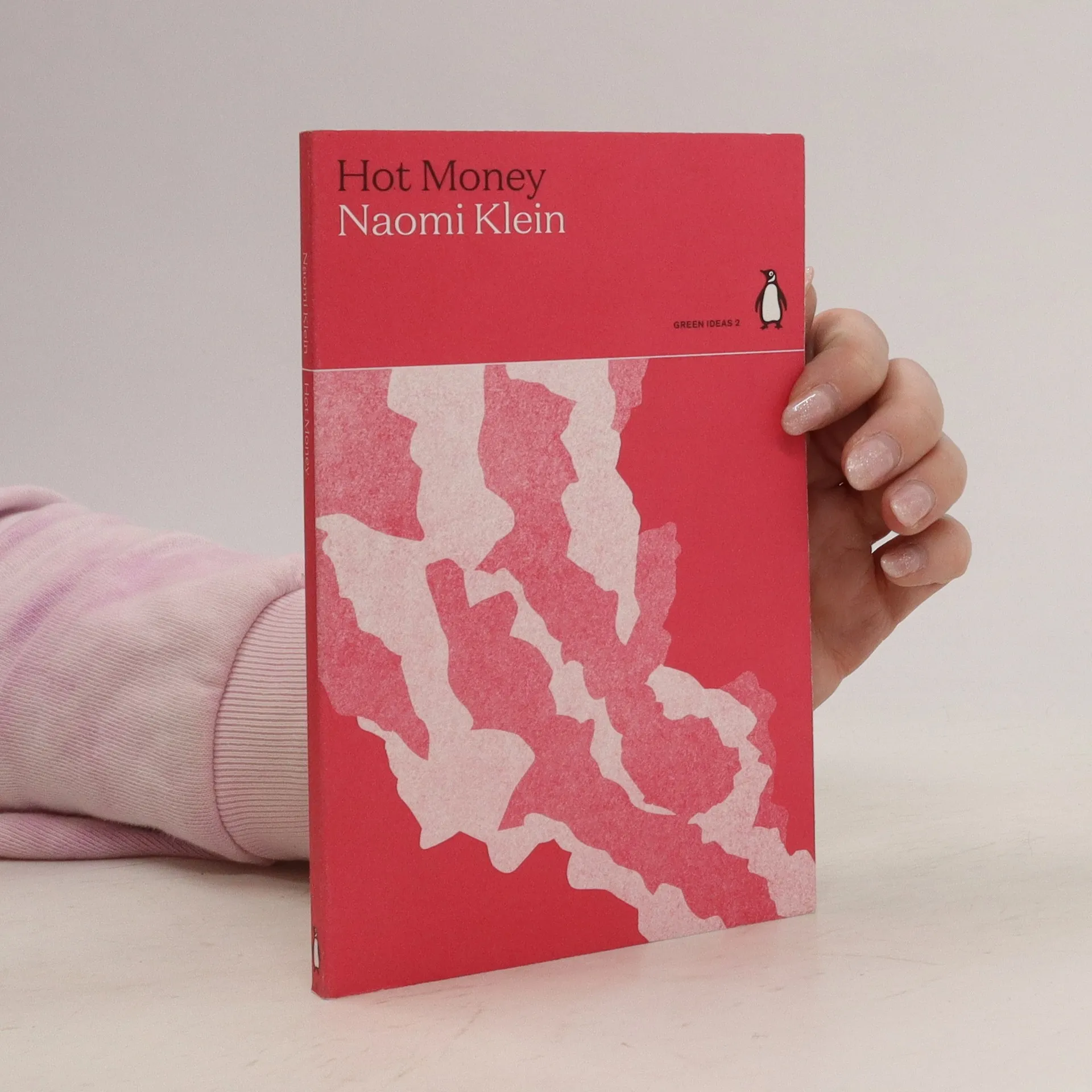
In Hot Money Naomi Klein lays out the evidence that deregulated capitalism is waging war on the climate, and shows that, in order to stop the damage, we must change everything we think about how our world is run. Over the past 75 years, a new canon has emerged. As life on Earth has become irrevocably altered by humans, visionary thinkers around the world have raised their voices to defend the planet, and affirm our place at the heart of its restoration. Their words have endured through the decades, becoming the classics of a movement. Together, these books show the richness of environmental thought, and point the way to a fairer, saner, greener world
Crisp, clean, bright and tight.
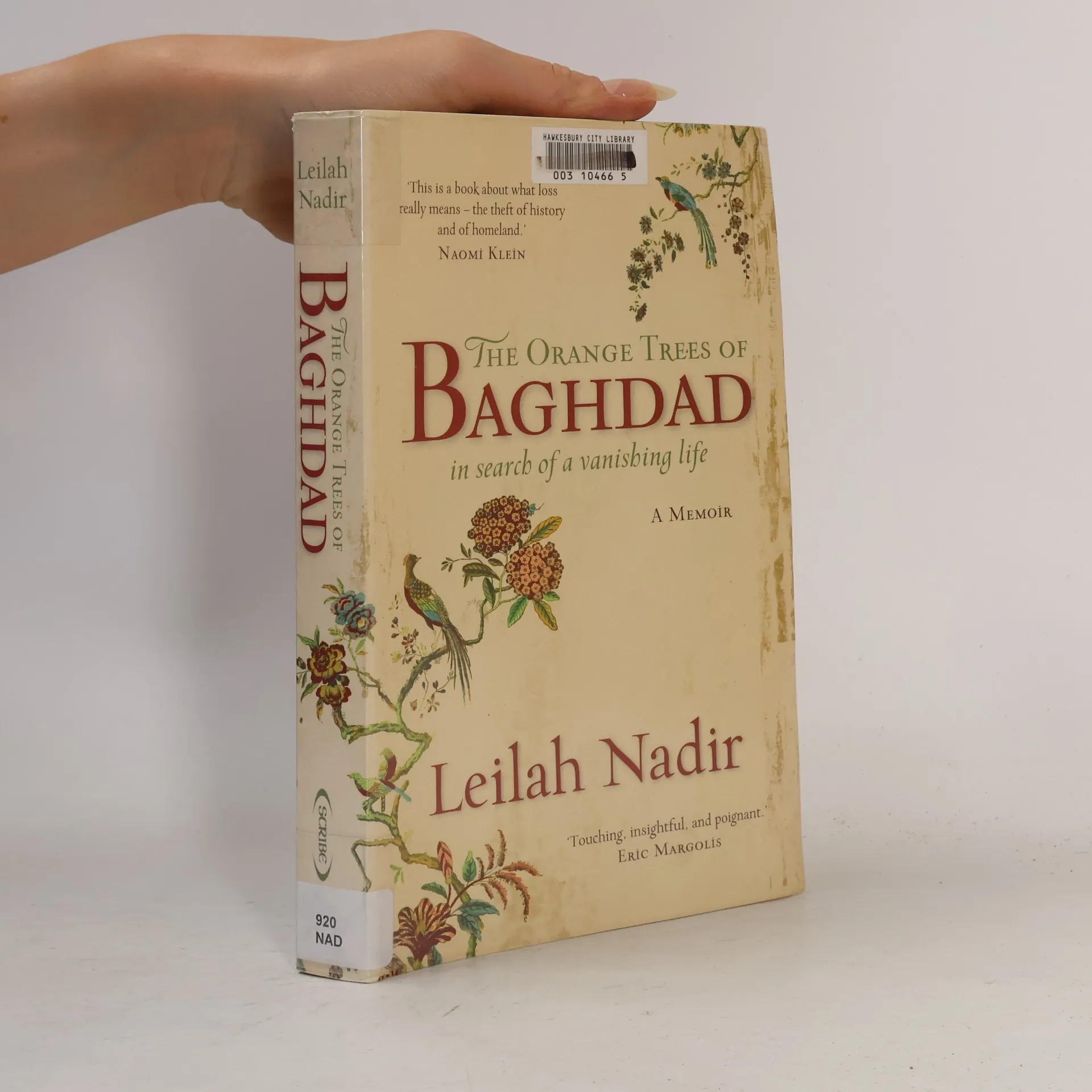
Born to an Iraqi-Christian father and a British mother, and raised in Britain and Canada, Leilah Nadir has never set foot on Iraqi soil. Distanced from her Iraqi roots through immigration and now cut off by war, the closest link she has to the nation is through her father, who left Baghdad in the 1960s to pursue his studies in England. His Iraq is of mythical origins; his beginnings are in a garden at the family home that now lays vacant. Nadir's Irag is so close and yet so far. Using her father's memories, Nadir recounts her family's lost story, from Iraq at the turn of the 20th century during the British occupation, to the Iraq-Iran war and the Gulf War. Through her cousins, still living in Baghdad, she experiences the thunderous explosions of the present-day conflict. Then Nadir's friend, award winning photographer Farah Nosh, who has visited Iraq, brings home news of Nadir's family, as well as stunning photos of civilians and their tragic stories.
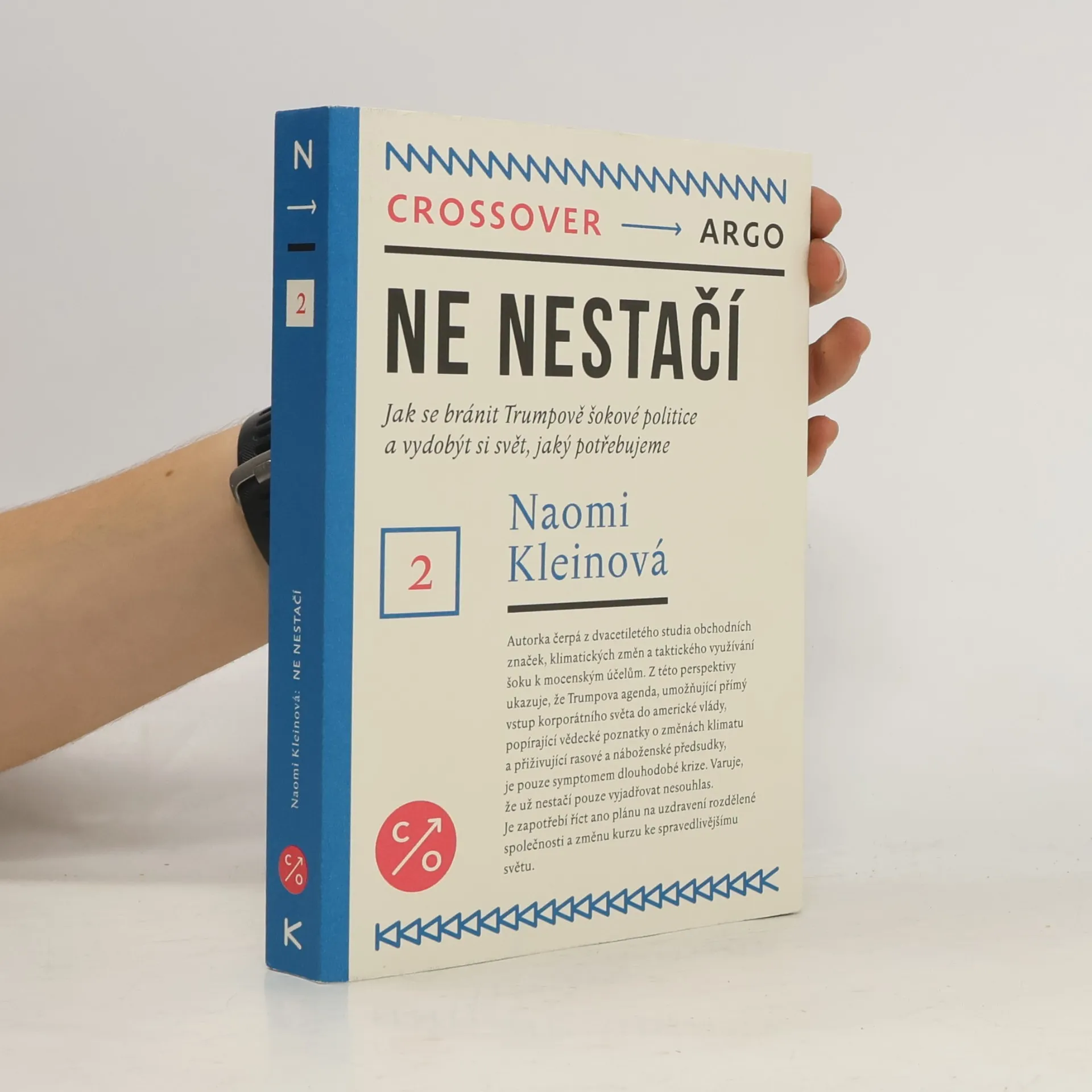
Ne nestačí. Jak se bránit Trumpově šokové politice a vydobýt si svět, jaký potřebujeme
- 296pages
- 11 heures de lecture
„Trump, jakkoli působí jako extrém, nepředstavuje odchylku, ale logické vyústění - koktejl nejhorších trendů posledního půlstoletí,“ říká autorka Naomi Kleinová, která se věnuje studiu obchodních značek, klimatických změn a využívání šoku pro politické účely. Z této perspektivy ukazuje, že Trumpova agenda, reprezentující korporátní vliv na americkou vládu, popírání vědeckých závěrů o klimatu a podporování rasových a náboženských předsudků, je symptomem dlouhodobé krize. Nyní nestačí jen vyjadřovat nesouhlas; je zapotřebí věrohodného „ano“ - plánu na uzdravení rozdělené společnosti a nastavení kurzu k spravedlivějšímu a udržitelnějšímu světu pro všechny. “Nejužitečnější politická kniha letošního roku.” —Publishers Weekly Best Books of 2017 “Skvělá Naomi Kleinová v knize Ne nestačí vyčarovala jiskřivé zaklínadlo proti vládnoucí noční můře, která nás všechny pozře, necháme-li ji volnost.” —Junot Díaz, autor knihy Krátký, leč divuplný život Oskara Wajda “Pokud se divíte, jak mohla Naomi Kleinová po relativně krátké době Trumpova prezidenství zkoncipovat tak zásadní text, je to proto, že se na tento moment připravovala celý svůj intelektuální život. Trump je ultimátní značka. Tato kniha otevírá diskusi o Trumpovi a vede ji k silné pointě.”
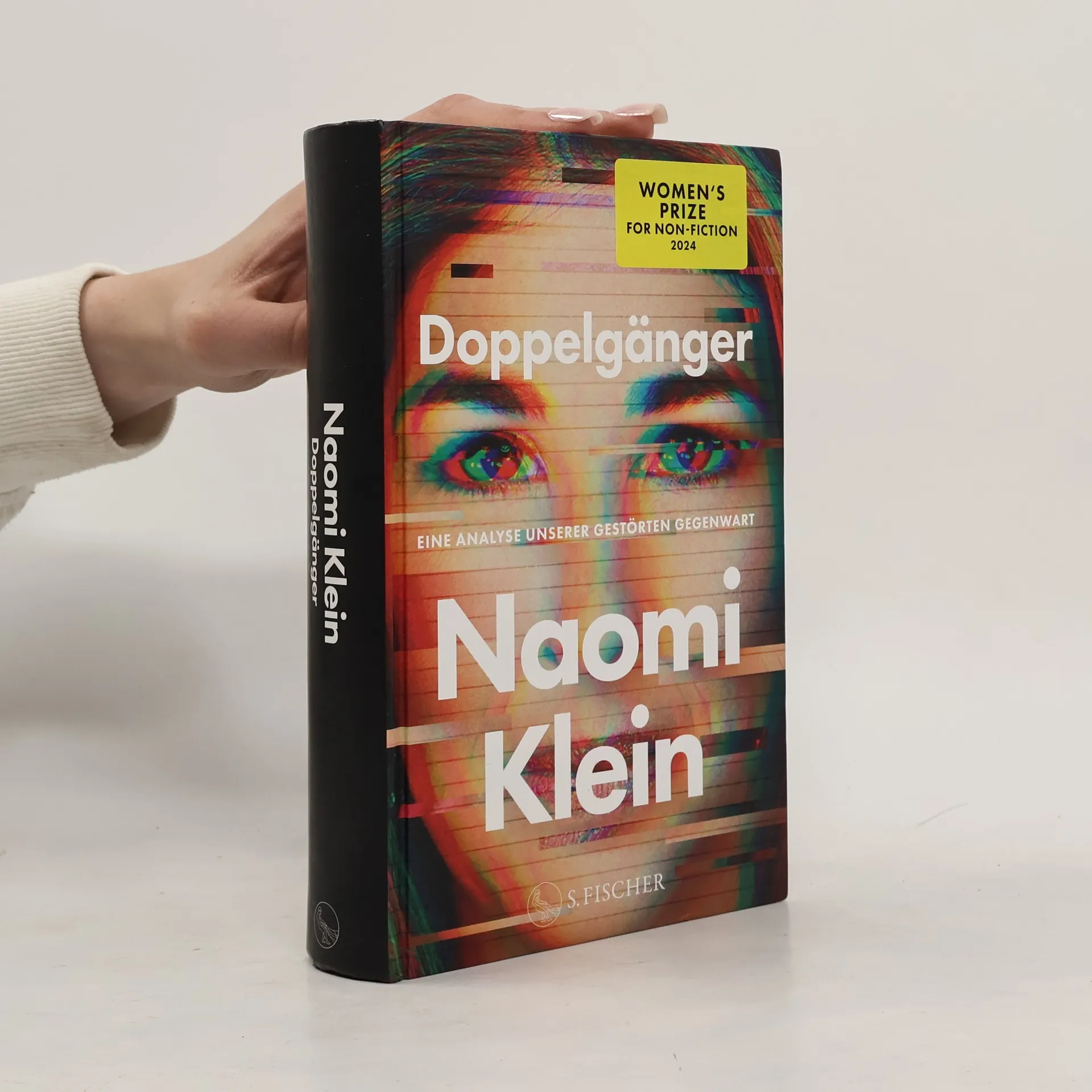
Doppelgänger - Eine Analyse unserer gestörten Gegenwart
- 496pages
- 18 heures de lecture
Naomi Klein bietet in ihrem neuen Buch eine tiefgreifende Analyse unserer verworrenen Gegenwart, inspiriert von einer Doppelgängerin, die einst eine Feministin war und jetzt Verschwörungstheorien propagiert. Sie beleuchtet das Verschwimmen von Fakten und Meinungen in einer Welt, die von Hass und Krisen geprägt ist.
Gegen Trump
Der Aufstieg der neuen Schock-Politik und was wir jetzt tun können
- 368pages
- 13 heures de lecture
Wie konnte es dazu kommen, dass Donald Trump Präsident der USA wurde? Naomi Klein zeigt überzeugend, dass Trumps Wahl keine zufällige Erscheinung ist, sondern eine Fortsetzung einer jahrelangen Entwicklung. Er ist ein Agent des ungezügelten Kapitalismus, der zunehmenden Ungleichheit, Rassismus und Protektionismus. Klein analysiert, dass Trumps Handeln nur verstanden werden kann, wenn man ihn als Marke betrachtet, die darauf abzielt, ihren Markenkern zu stärken. Doch aus dieser scharfen Analyse entwickelt sie auch eine konkrete, optimistische Strategie des neuen Widerstands. Ein einfaches „Nein“ reicht nicht aus; es bedarf eines aktiven Engagements. Klein bietet einen Leitfaden zur Hoffnung und zeigt auf, wie wir gegen die aktuellen Herausforderungen ankämpfen können. Ihre Perspektive ist unverzichtbar für alle, die die ökonomischen, sozialen und politischen Kräfte verstehen wollen, die zur gegenwärtigen Krise geführt haben. Die Stimmen von Michael Stipe und Arundhati Roy unterstreichen die Bedeutung des Werkes, das als Handbuch für effektives Handeln in der aktuellen politischen Landschaft dient.
Things That Can and Cannot be Said
- 132pages
- 5 heures de lecture
In the winter of 2014, Arundhati Roy and actor John Cusack met Edward Snowden and Daniel Ellsberg, the Snowden of the 1960s. Their conversations touched on some of the great themes of our times Ð the nature of the state, surveillance in an era of perpetual war, and the meaning of patriotism
Změnu systému, ne změnu klimatu
- 89pages
- 4 heures de lecture
Soubor článků od českých i zahraničních autorů, které přibližují sociální, ekonomické a politické rozměry současné klimatické krize, i systémové koncepty jejího řešení.
»Die mächtigsten Menschen der Welt bereiten sich auf das Ende der Welt vor, ein Ende, das sie selbst mit allen Mitteln beschleunigen.« Tech-Oligarchen, weiße Nationalisten, religiöse Fundamentalisten – so unterschiedlich sie auf den ersten Blick scheinen, gibt es doch eine entscheidende Gemeinsamkeit der gegenwärtigen rechten Bewegungen : den unbedingten Glauben an die bevorstehende Apokalypse . Den Zusammenbruch der bestehenden Weltordnung – durch eine alles verschlingende Super-KI , die Erzählung vom “Großen Austausch” oder eine messianische Prophezeiung – treiben die Endzeitfaschisten aktiv voran, sicher, dass sie zu denen gehören, die errettet werden, ob durch die Kolonisierung fremder Planeten oder einen hermetisch abgeriegelten Staat. In einer messerscharfen Analyse rufen Bestsellerautorin Naomi Klein und Astra Taylor zum Widerstand auf: für eine gemeinsame Zukunft auf unserem Planeten .