


Bookbot

Ruth Dudley Edwards

    Ruth Dudley Edwards s'est consacrée à l'écriture à temps plein après une carrière diversifiée incluant des études supérieures, l'enseignement, le marketing et la fonction publique. Journaliste, commentatrice, historienne et biographe primée basée à Londres, elle est reconnue pour ses romans policiers satiriques. Ses œuvres explorent avec brio des thèmes sociaux et politiques avec esprit et ironie. Edwards mêle magistralement suspense et commentaire social, créant des récits captivants et stimulants.

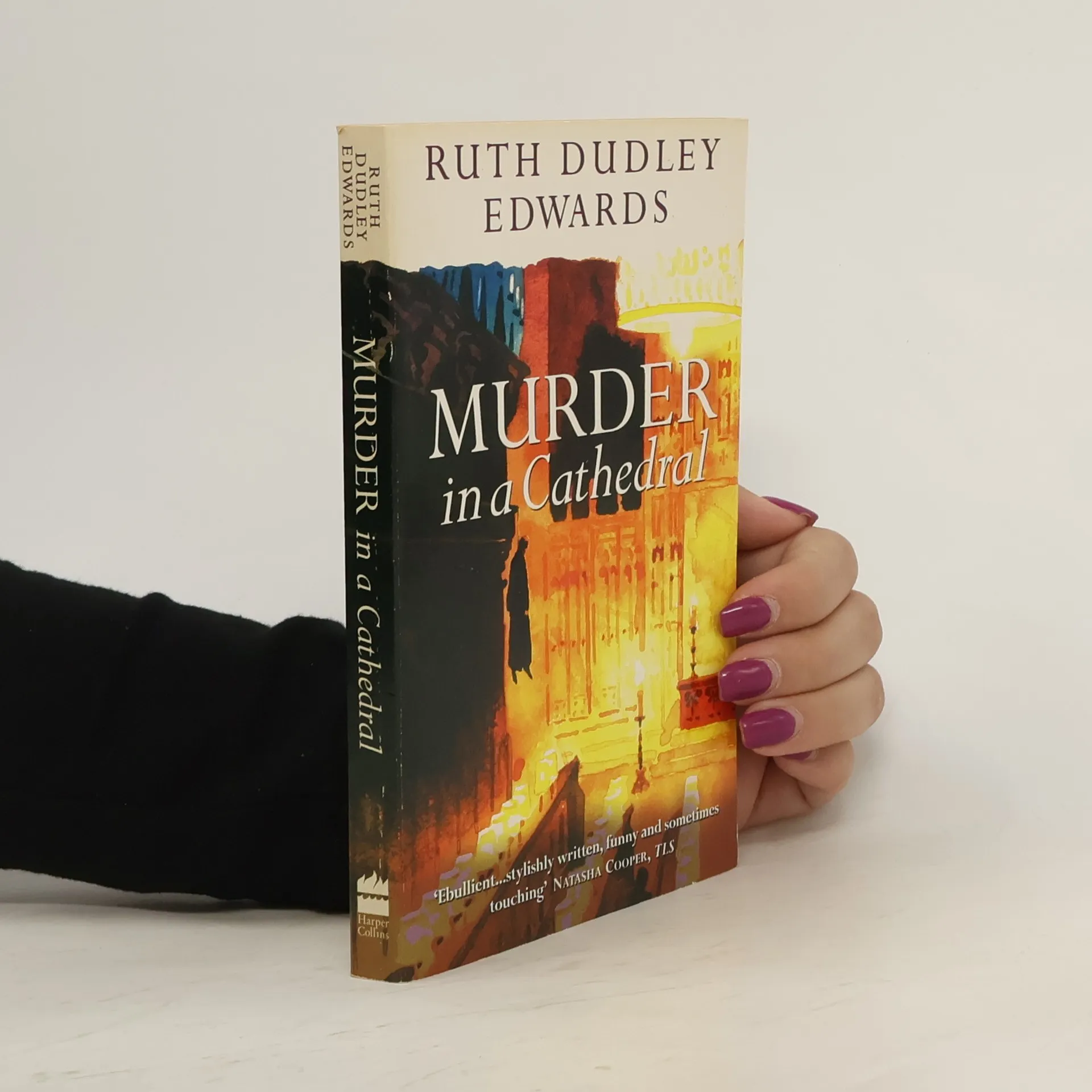
    Murder in a Cathedral
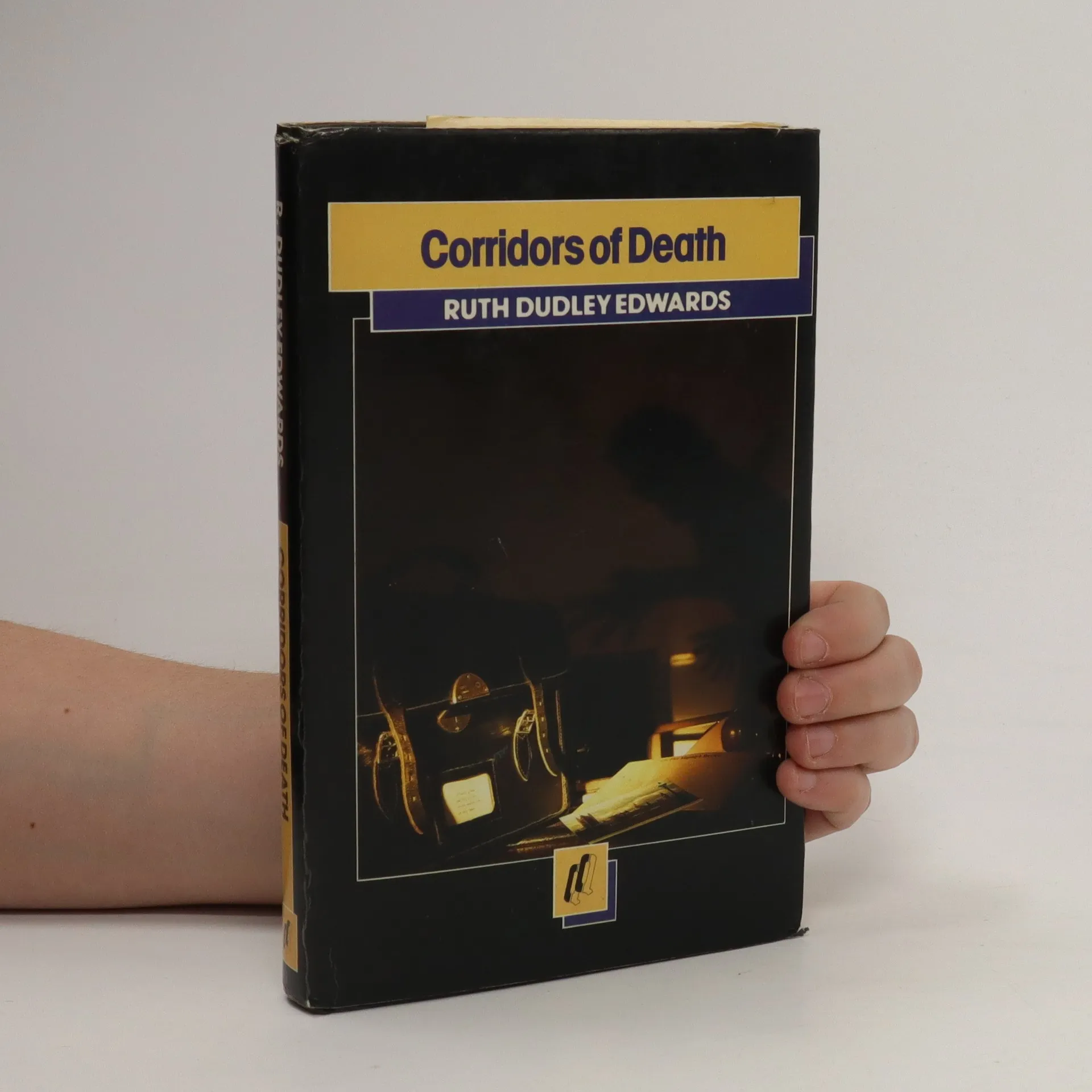
    Corridors of Death
    Die Versteigerung knapper Ressourcen durch den Staat
    Carnage on the Committee
    • 2004

      Carnage on the Committee

      • 246pages
      • 9 heures de lecture
      3,5(7)Évaluer

      Amiss asks a baroness to fill the gap when a member of the Literary Prize committee dies in suspicious circumstances

      Carnage on the Committee
    • 2002

      In St. Martha's College, Cambridge, rival factions battle over a bequest. One lot wants it spent on fellowships, another on redecoration, a third on a politically-correct ethnics study center. When people start dying, the college calls in Scotland Yard's Jim Milton

      Die Versteigerung knapper Ressourcen durch den Staat
    • 1997

      Murder in a Cathedral

      • 221pages
      • 8 heures de lecture

      For many years Westonbury Cathedral has been dominated by a clique of High Church gays, so when Norman Cooper, an austere, intolerant, happy-clappy evangelist, is appointed dean, there is shock, outrage and fear. David Elworthy, the gentle and politically innocent new bishop, is distraught at the prospect of warfare between the factions; contentious issues include the camp lady chapel and the gay memorial under construction in the deanery garden. Desperate for help, Elworthy cries on the shoulder of his old friend, the redoubtable Baroness Troutbeck, who forces her unofficial troubleshooter, Robert Amiss, to move into the bishop's palace. Amiss, Troutbeck and the cat Plutarch address themselves in their various ways to the bishop's problems, which very soon include a clerical corpse in the cathedral. Is it suicide? Or is it murder? And who is likely to be next?

      Murder in a Cathedral