

Bookbot

David R. Sear

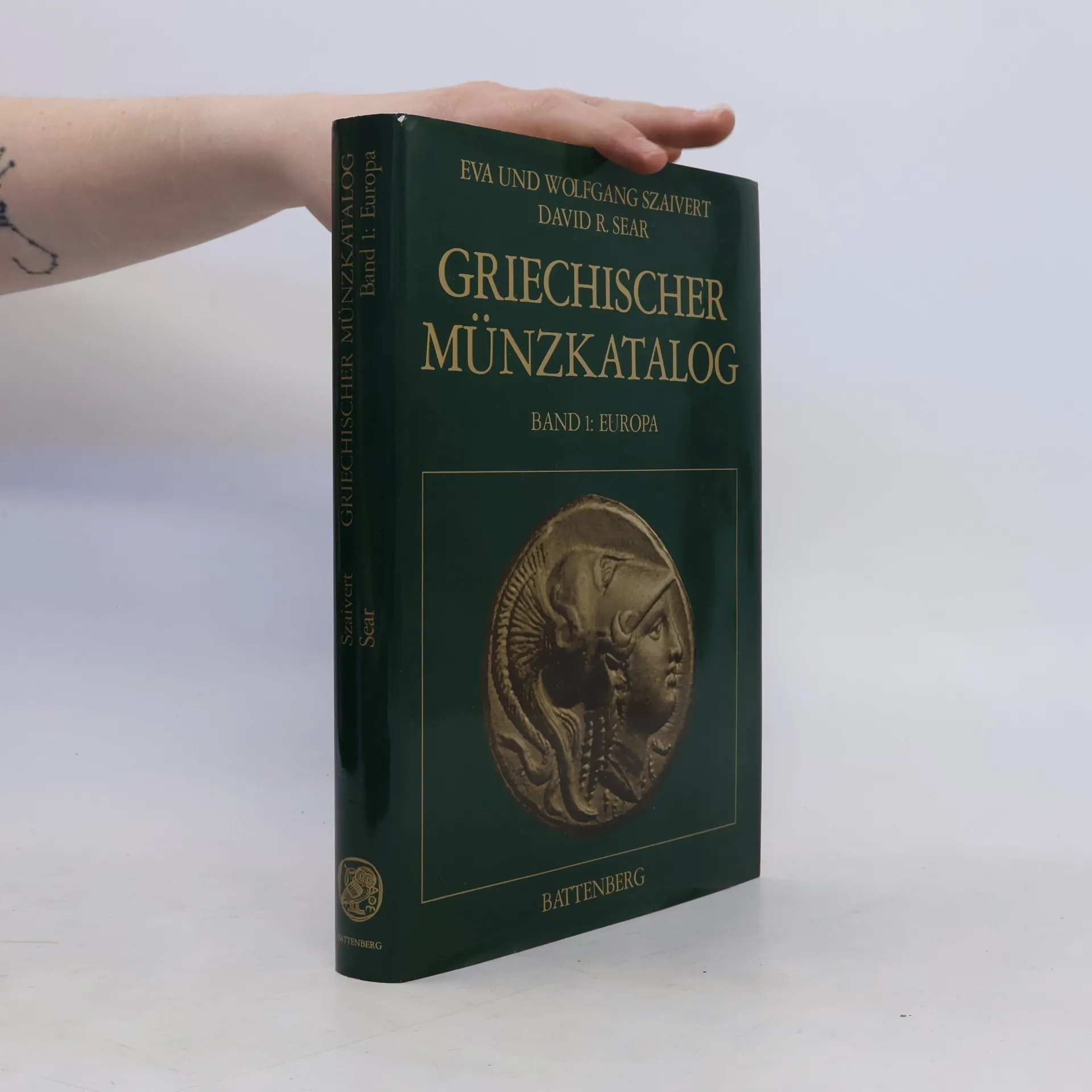
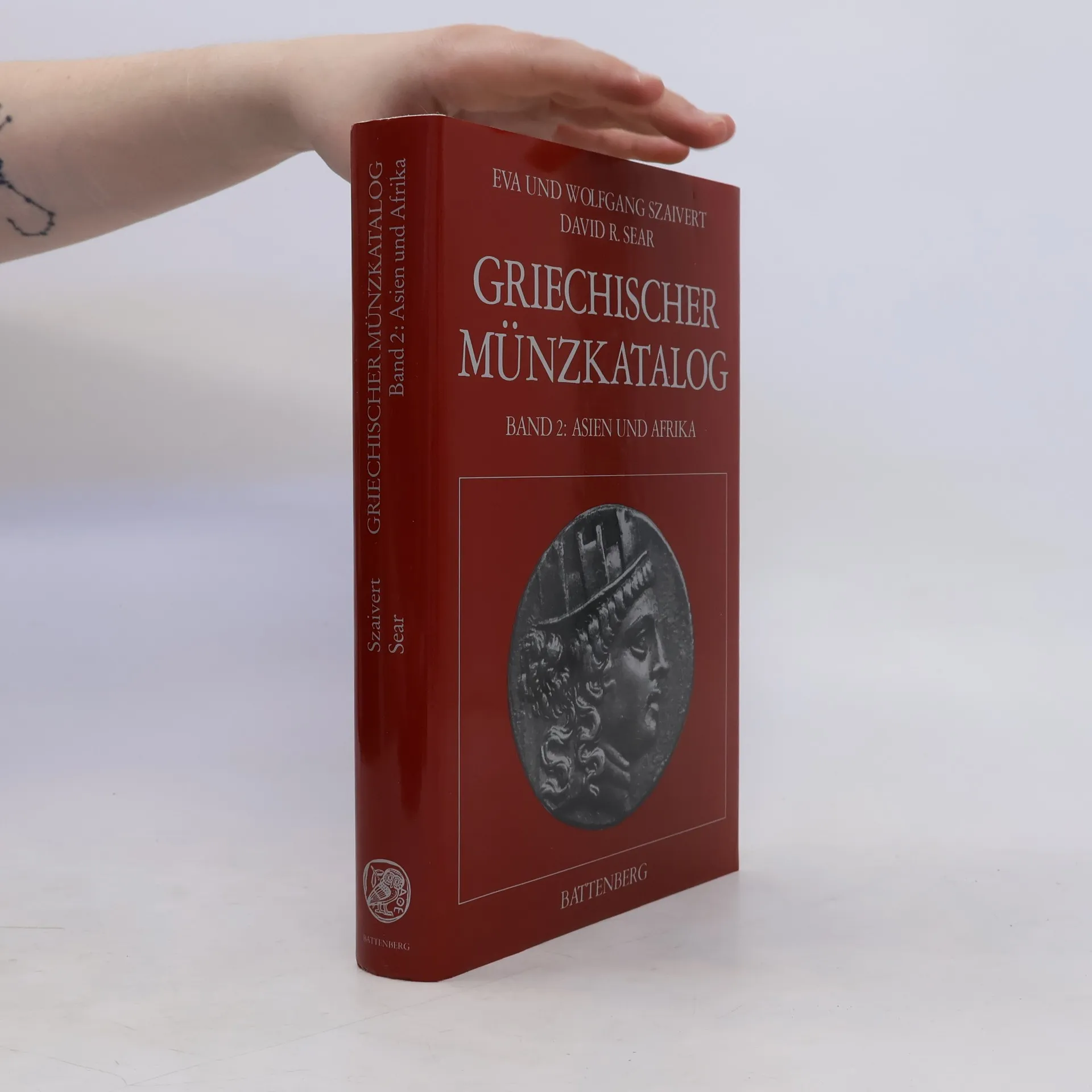
    Griechischer Münzkatalog
    Griechischer Münzkatalog. Band 1: Europa
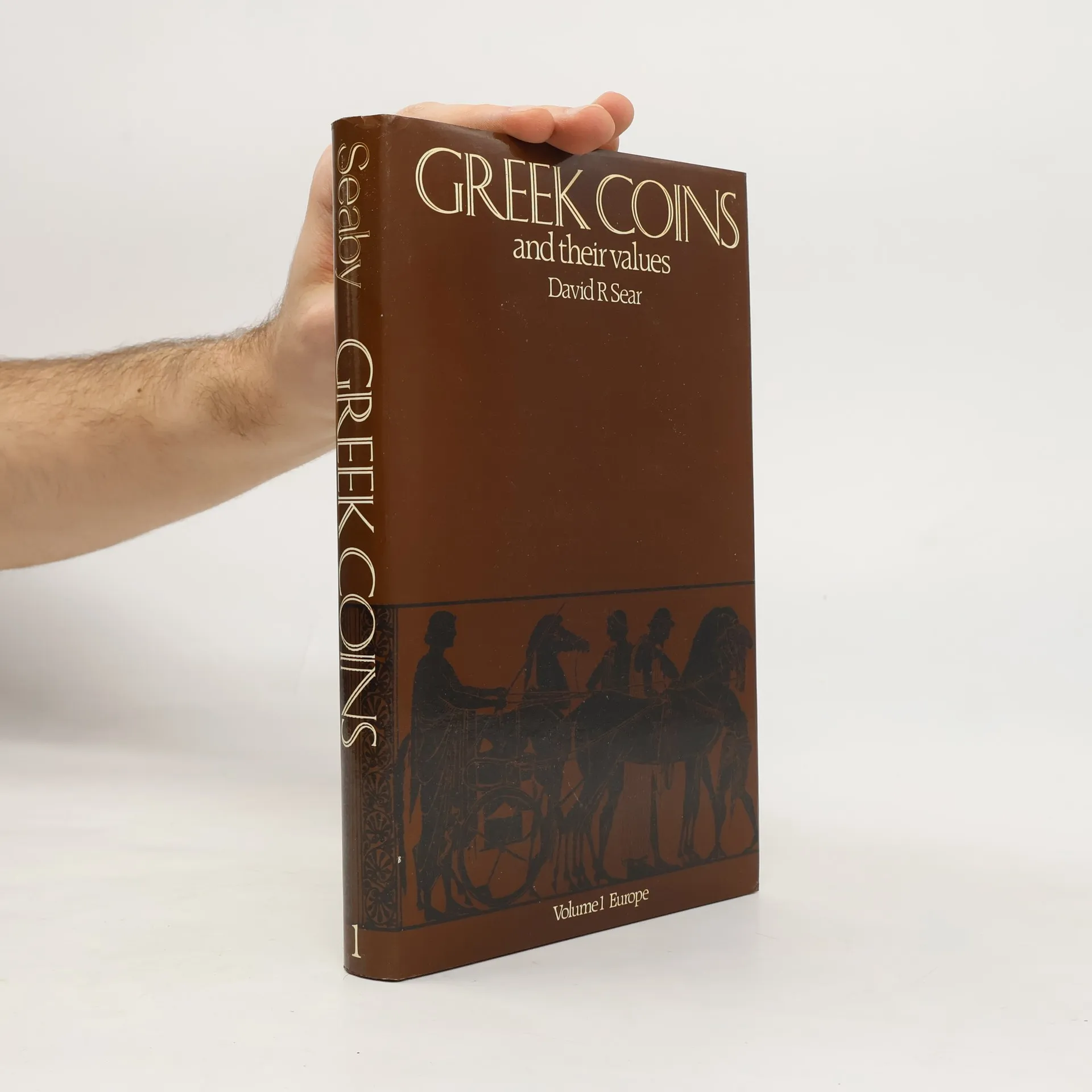
    Greek Coins and Their Values
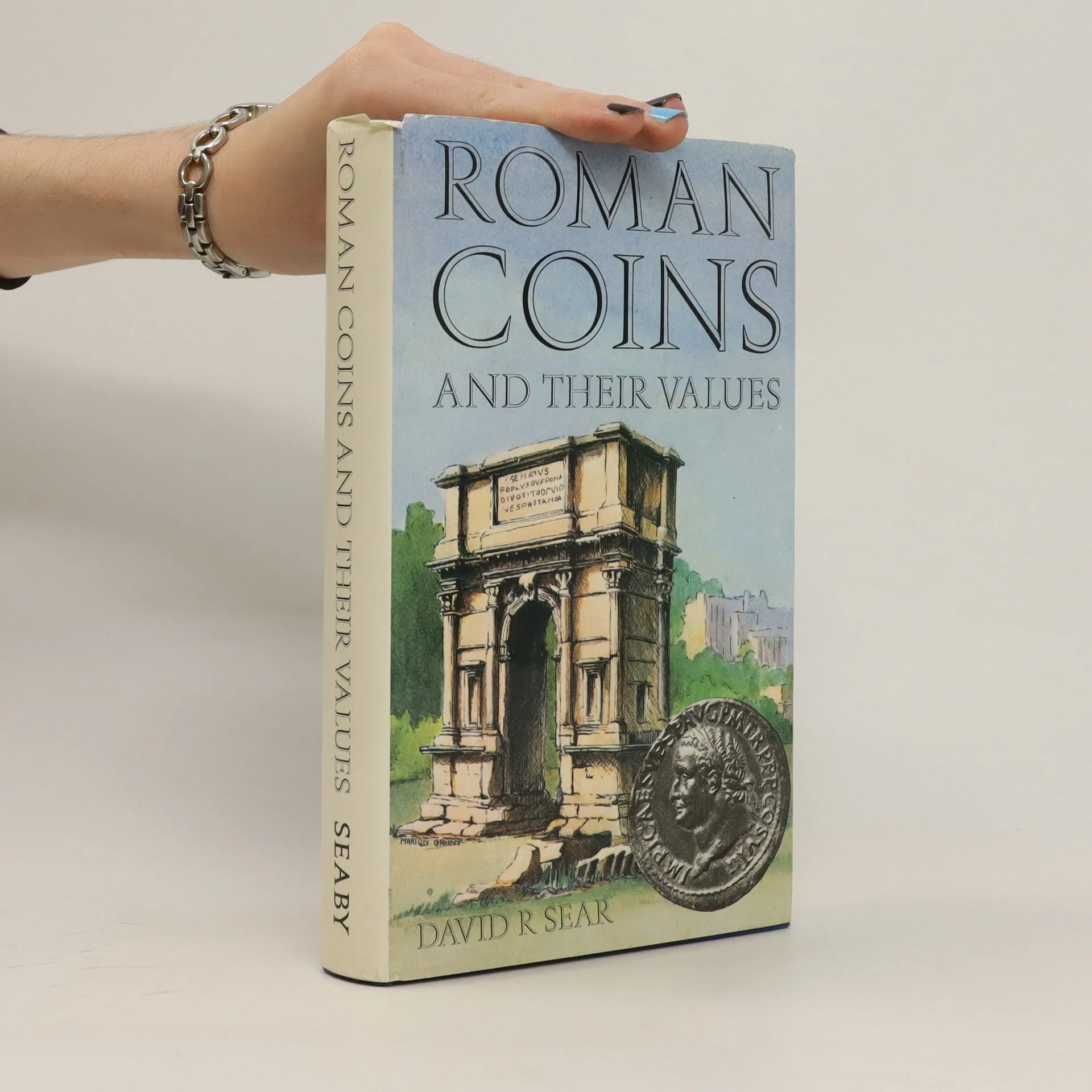
    Roman Coins and Their Values
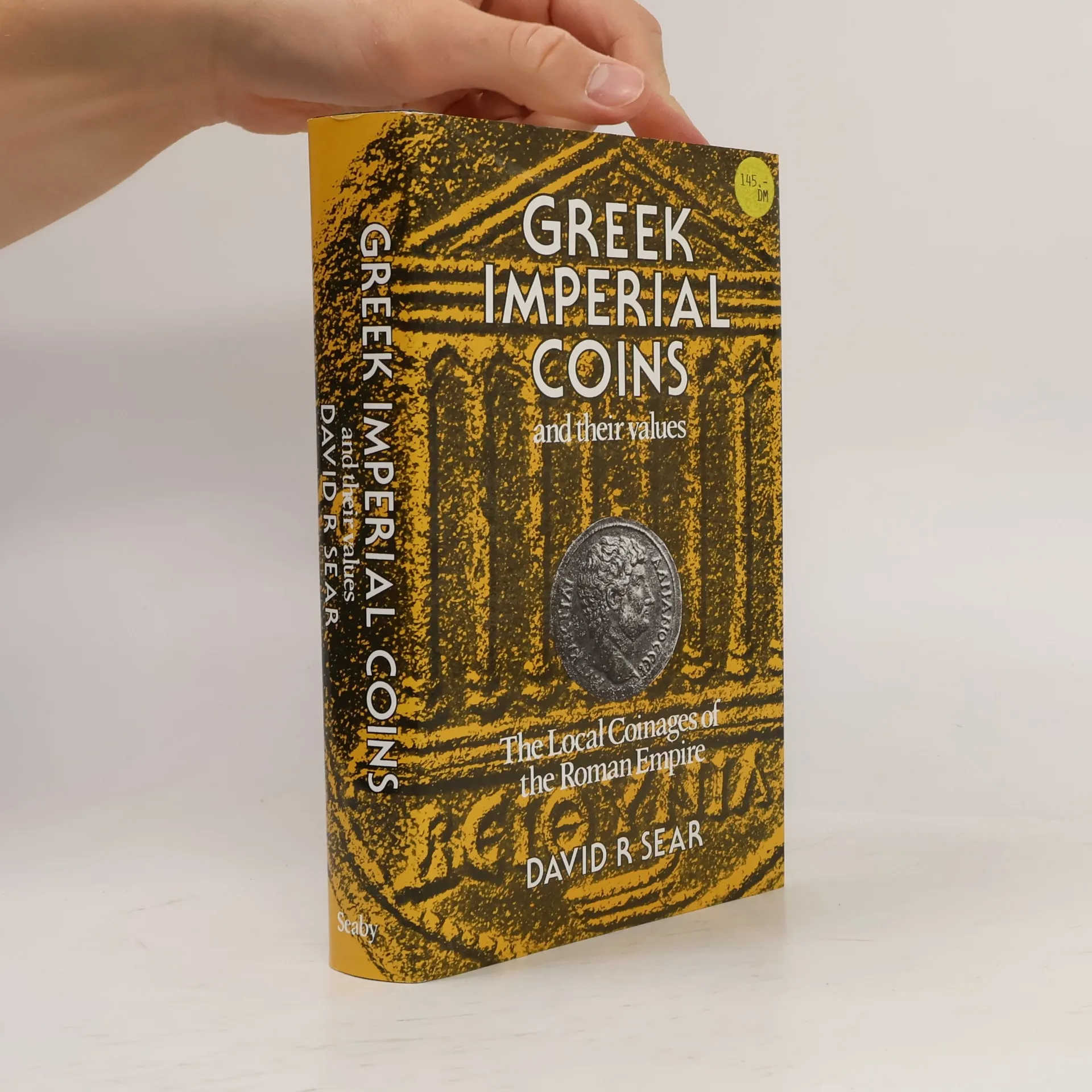
    The History and Coinage of the Roman Imperators 49-27 BC
    • The book provides detailed insights into the rarity and estimated values of various coin types from the Imperatorial period, first published in 2000. An extensive appendix lists numerous local coinages, offering a comprehensive resource for collectors and historians interested in this specific era of numismatics. The inclusion of a separate table for value estimates enhances the practical utility of the information presented.
      The History and Coinage of the Roman Imperators 49-27 BC
      5,0
    • The original edition of this volume was published by Seaby thirtysix years ago and has been through three revisions (1970, 1974, and 1981). The only onevolume price guide to the coinage of Republican and Imperial Rome. It is an indispensable listing of all major types of gold, silver and bronze, issued over some seven hundred and fifty years by the greatest militaristic state the world has ever known. Over 4,300 coins are included with detailed description and valuations and all major and minor personalities are listed by means of their portrait coins. This fourth revised edition takes note of recent work in the field, especially that of Professor Michael Crawford.

      Roman Coins and Their Values
      4,3
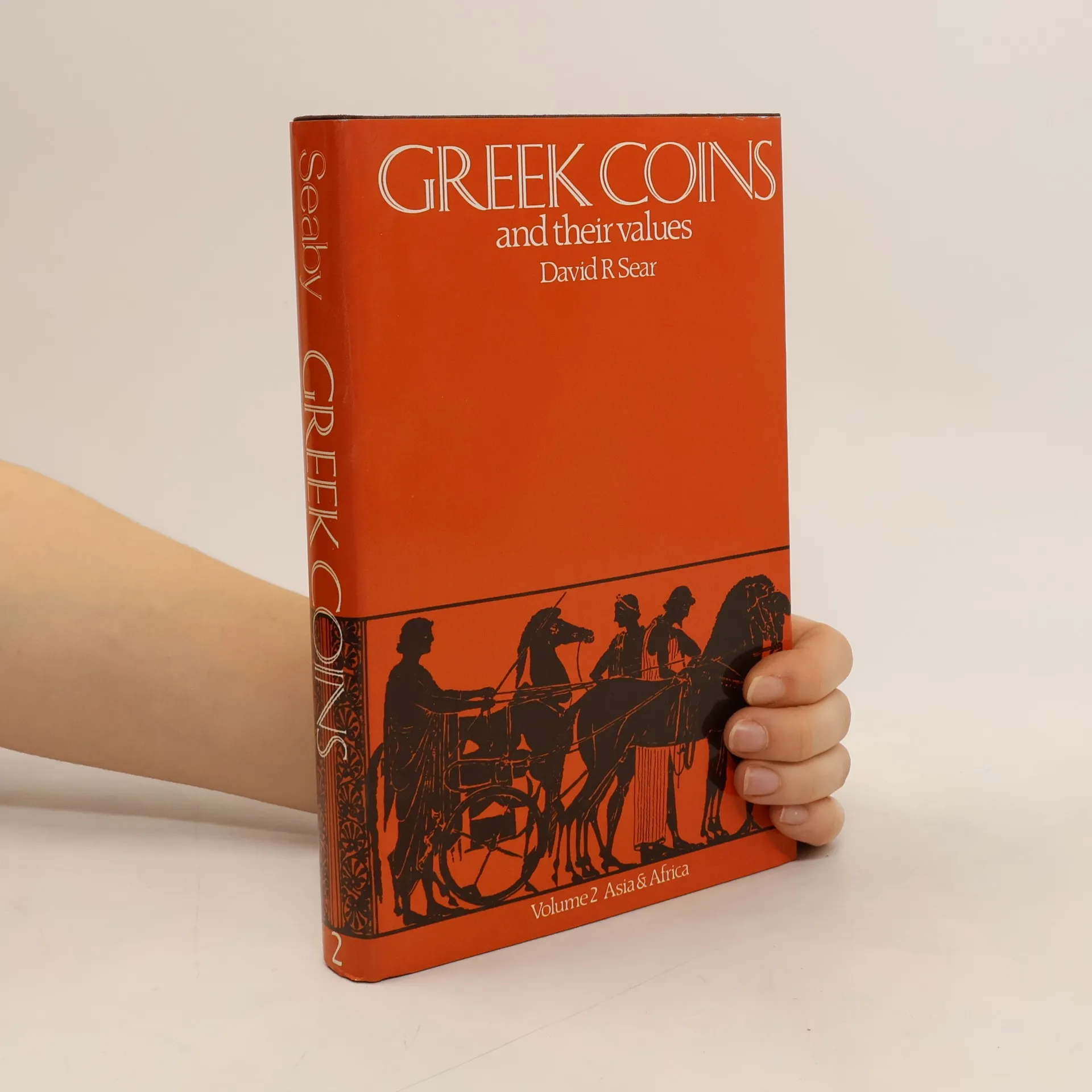
    • Greek Coins and Their Values

      Volume 2 - Asia and Africa

      • 762pages
      • 27 heures de lecture

      The second volume of this catalog deals with the issues of mints in Asia Minor (including the islands and Cyprus), Syria, Phoenicia, Palestine (including Jewish coins of the Hasmonaean dynasty), Arabia, Mesopotamia, and other regions of the East, Egypt, Cyrenaica, and other regions of North Africa (including Carthage); also covered are the coinages of the Hellenistic Monarchies (Macedon, Thrace, Seleucids of Syria, Ptolemies of Egypt, Pergamum, Pontus, Bithynia, Cappadocia, Armenia, Parthia, Bactria and Indo-Greeks). The primary arrangement is geographical (clockwise around the Mediterranean basin) and the listings for Asia Minor are divided between Archaic issues (before circa 480 BC) and Classical and Hellenistic (later 5th century down to 1st century BC). Includes 11 maps, a table of ancient alphabets, 4560 coin types catalogued with valuations, and almost 2000 photographic illustrations.

      Greek Coins and Their Values