

Bookbot

Cornelius Van Til

    Cornelius Van Til fut un philosophe chrétien et théologien réformé, réputé pour son approche novatrice de la défense de la foi chrétienne. Dépassant les méthodes traditionnelles, il a développé une méthodologie présuppositionnelle convaincante qui mettait l'accent sur l'antithèse marquée entre les visions du monde chrétiennes et non chrétiennes. Son œuvre explore le rôle fondamental des présupposés et le point de contact crucial entre croyants et non-croyants. Van Til recherchait une méthodologie chrétienne cohérente dans son apologétique, invitant les lecteurs à un examen plus approfondi des fondements de la croyance.

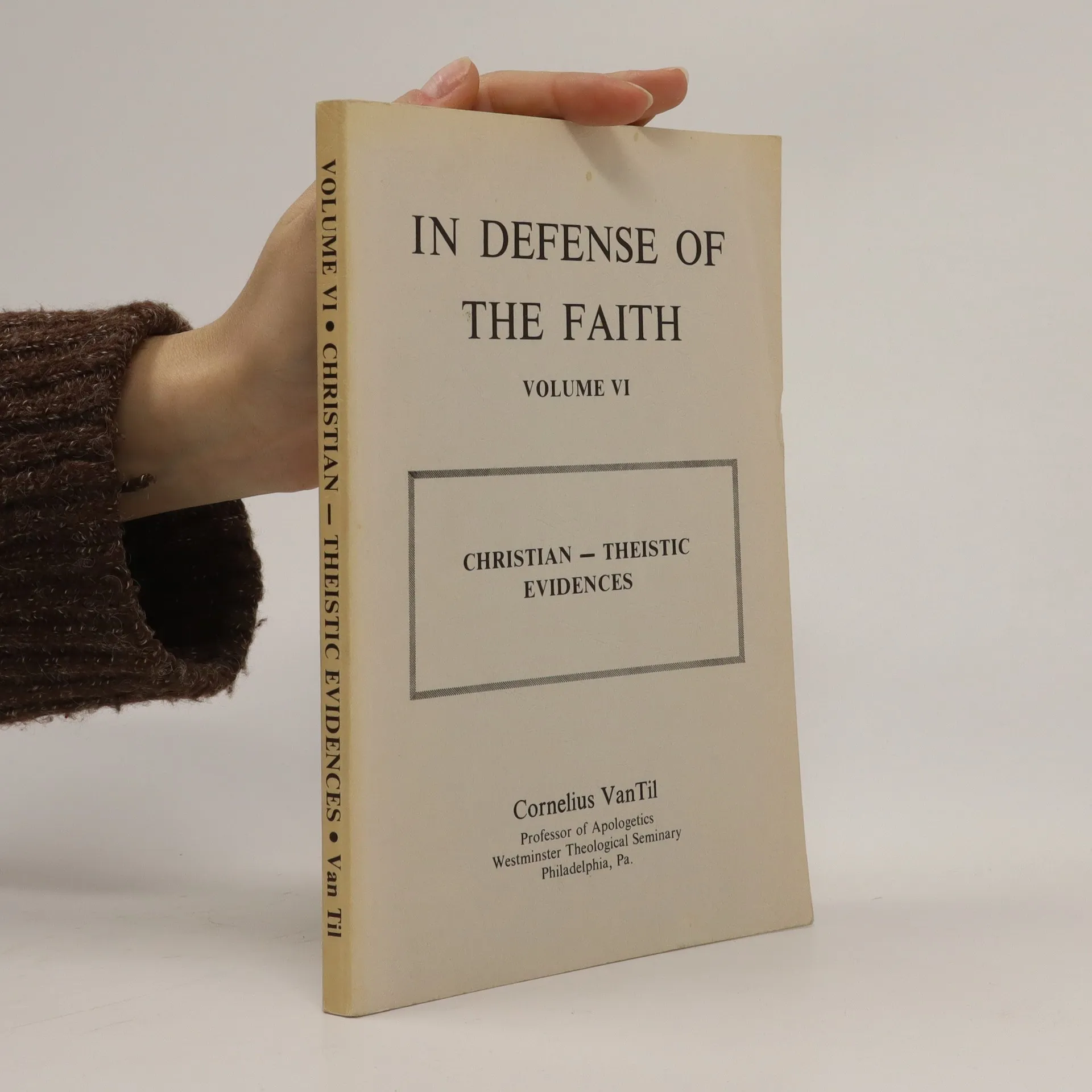
    In defense of the faith volume VI Christian - Theistic evidences
    In Defense of the Faith. Díl 3.
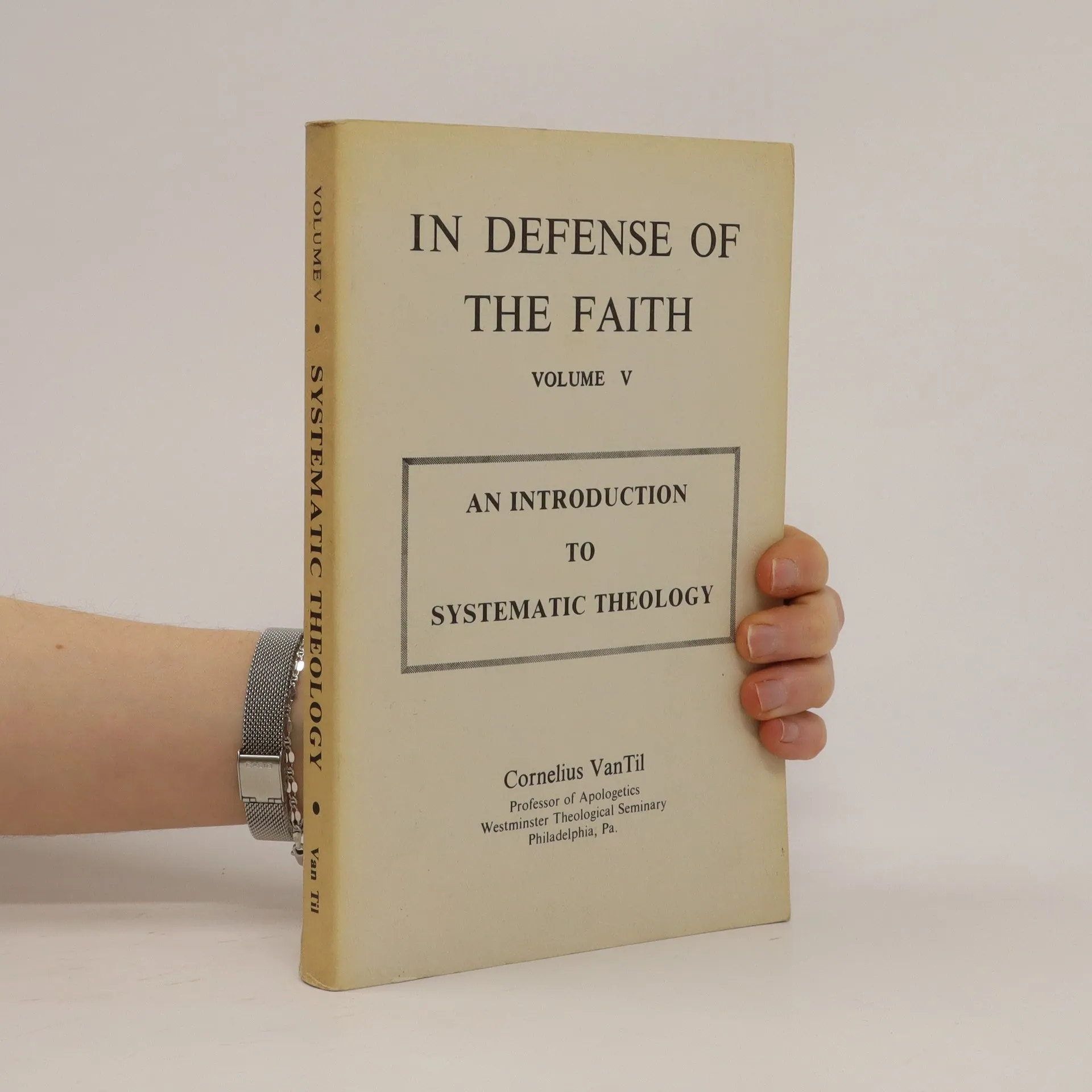
    In Defense of the Faith. Díl 5.
    The Ten Commandments
    • The Ten Commandments

      • 222pages
      • 8 heures de lecture

      Focusing on Christian ethics, this unpublished curriculum offers insights into the Ten Commandments as taught at Westminster Theological Seminary. It emphasizes the importance of understanding God's law and its contemporary relevance, making it essential for Christians aiming to deepen their faith and witness. The work highlights the necessity of these commandments in guiding moral conduct and spiritual life.

      The Ten Commandments2024
      4,2
    • Van Til explores the implications of Christian theology, particularly for philosophy, as he discusses epistemology, general and special revelation, and the knowledge and attributes of God. Cornelius Van Til taught apologetics for more than forty-five years at Westminster Theological Seminary.

      In Defense of the Faith. Díl 5.1982
      4,1
    • This syllabus claims with the historic Reformed creeds that the good is good because God in Christ through the Scriptures says it is good. Without the presupposition of the self-sufficient moral consciousness of the triune God revealed in Scripture, man's moral consciousness would operate in a vacuum. Part 1 deals with Christian Ethical Principles and Part II traces the development of apostate man's principle of "inwardness" or moral self-sufficiency in order to show that it has led and cannot but lead to moral chaos.

      In Defense of the Faith. Díl 3.1980
      4,0