

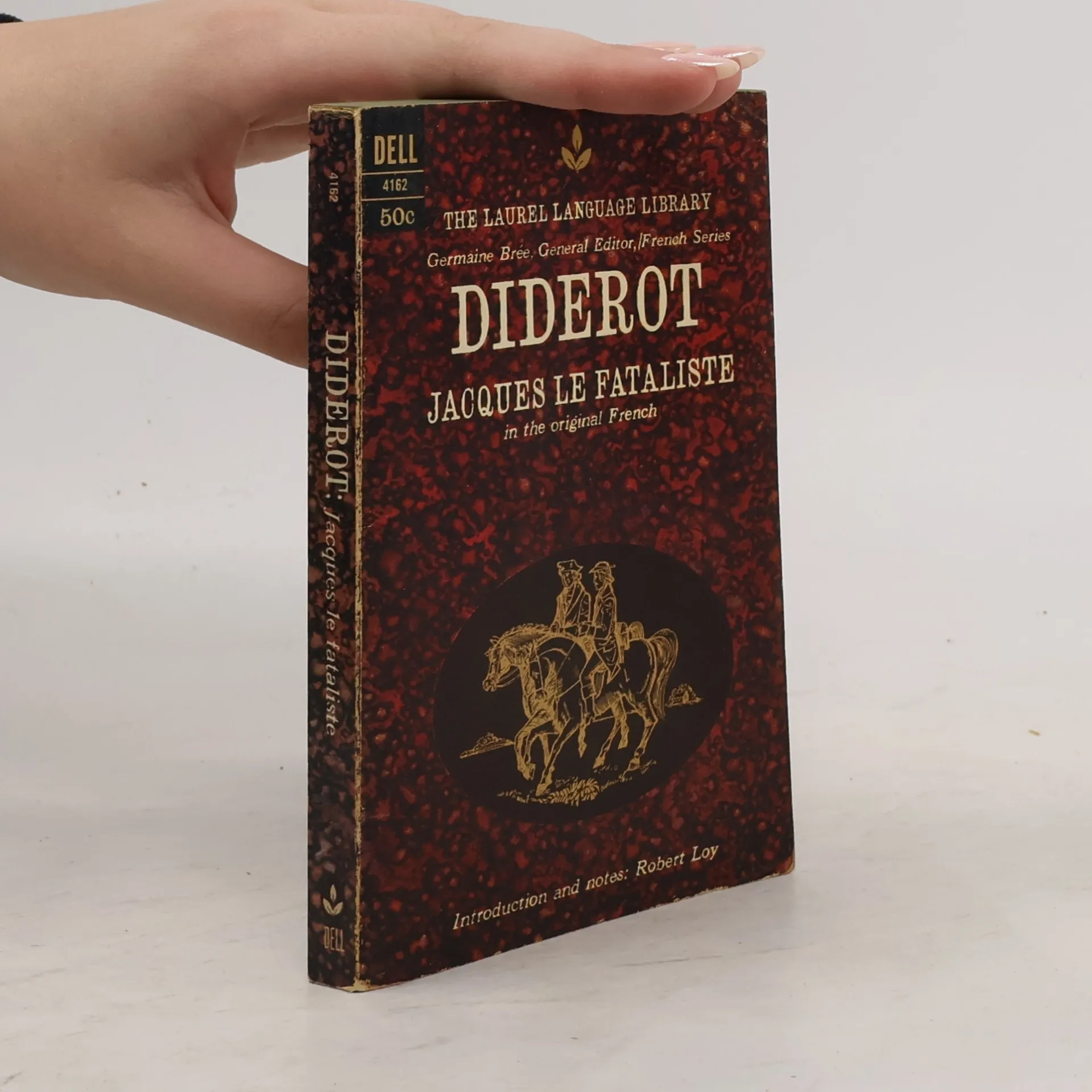
Everything that happens to us in the world, both good and bad, is written in the heavens. This is claimed by the titular character of the philosophical tale by the French writer and philosopher Denis Diderot. Not without reason, he has earned the nickname fatalist. However, despite his unwavering belief in the inevitability of fate, he stands against evil and believes that good must prevail. During countless wanderings, the characters discuss many fundamental issues, including the problem of individual freedom, friendship, and social relations. A significant portion of their humorous dialogues is dedicated to male-female relationships—mainly through the character of Kubuś, readers learn a number of love stories. The colorful conversations between Kubuś and his master entertained a few holders of Diderot's manuscript for two decades, and they were published only after the author's death in 1796. Even today, despite the fact that the world has undergone a true revolution, they still provoke reflection.
Michel Parfenov Livres
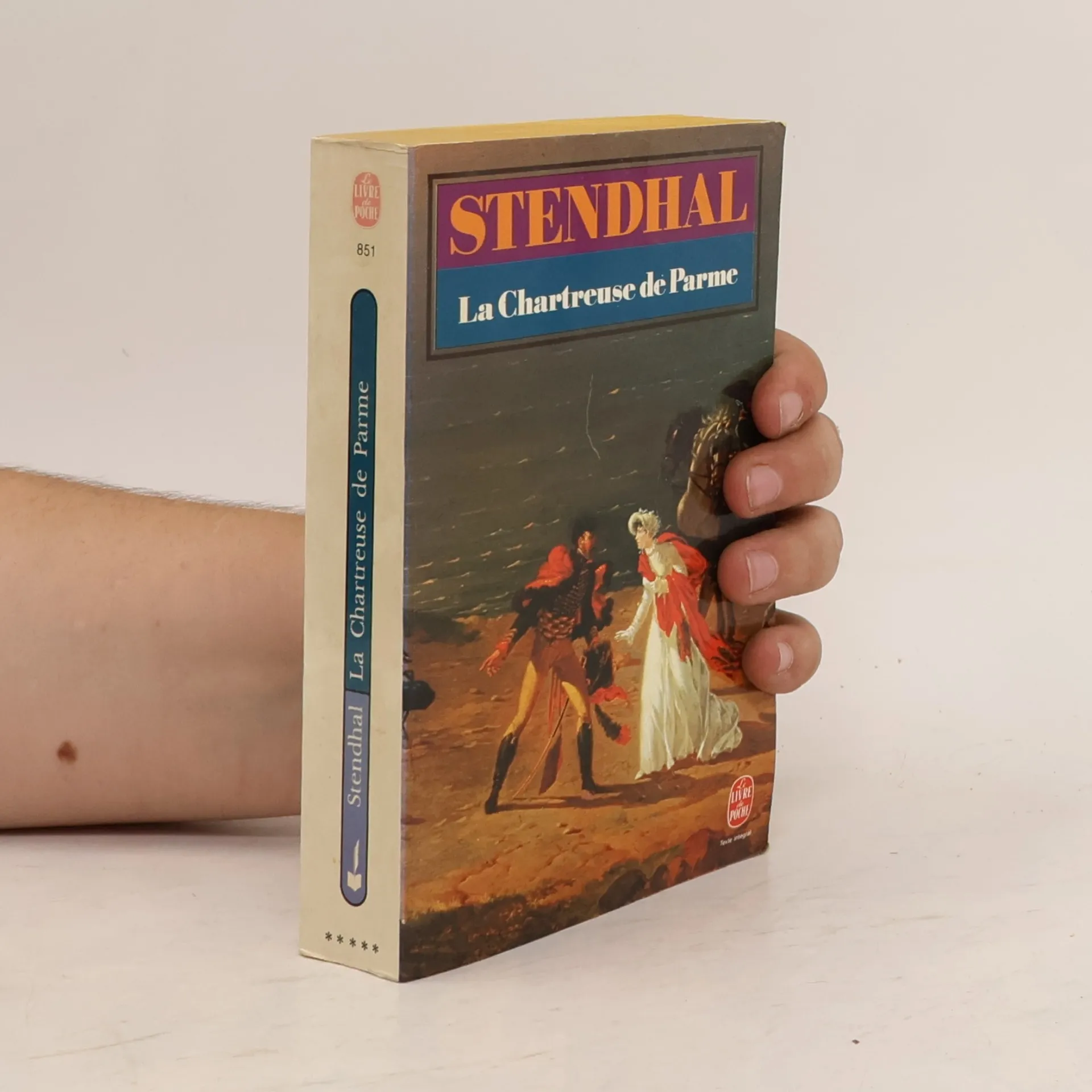
À Parme, l'ombre de la chartreuse s'étend sur la cour et sur les intrigues aristocratiques des quelques happy few qui l'animent : Gina la belle duchesse, le comte Mosca, mais surtout le jeune Fabrice del Dongo, qui suscite l'amour de tous ceux qui le croisent. Comment ne pas l'aimer, ce jeune rêveur plein de grâce, qui transfigure la réalité ? Mais lui, que tout le monde aime, qui saura-t-il aimer ? C'est la question qui hante Fabrice, et Stendhal nous entraîne dans sa quête, qui le conduira de Milan à Parme, de Waterloo au lac de Côme, jusqu'à la prison de la tour Farnèse où son destin va basculer... Roman d'apprentissage ou rêverie italienne ? Tout l'art de Stendhal tient justement à cette ambiguïté, entre un amer constat d'impuissance et une invitation à la magie poétique, entre désenchantement et ré-enchantement.