
Chinese Pulse Diagnosis: A Contemporary Approach Revised Edition
- 812pages
- 29 heures de lecture


A Contemporary Approach
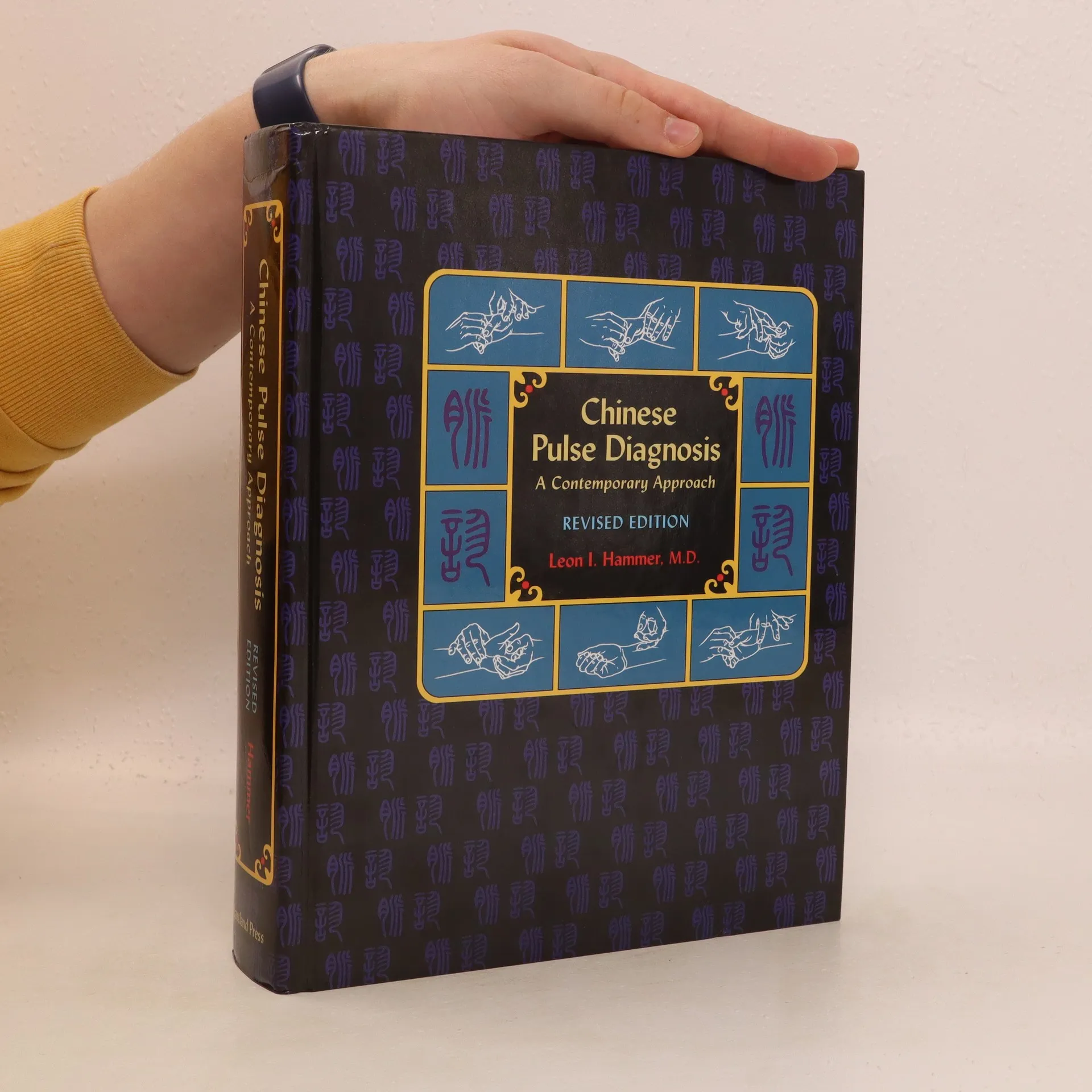
Pulse diagnosis, one of the jewels of traditional Chinese medicine, is a profoundly subtle instrument for the early diagnosis and prevention of disease. Yet far too often, in the haste of modern education and practice, it has become a neglected art. Chinese Pulse Revised Edition offers a clear and practical path toward a much deeper understanding of this traditional diagnostic method, while recasting its interpretation in the context of our own times. The book is organized in seventeen chapters, which are presented in an advancing hierarchy of complexity. The early chapters consider such general issues as terminology, classification of pulse qualities, historical comparisons of positions and depths, the effects of age and gender, and a methodology for taking the pulse. The middle chapters provide an in-depth look at each of the individual pulse qualities, identified by felt sensation based on such characteristics as rate and rhythm, stability, volume, depth, size, and shape. The types of pathology associated with each of the qualities are also discussed. Later chapters examine the significance of the qualities when found across the entire pulse, or large segments of the pulse (left or right side, across the burners), and at different depths. The relationship of the various pulse qualities to psychology and prognosis are addressed in separate chapters. A final summary chapter on interpretation, supported with case histories, draws everything together to show how this information can be formulated into a rational diagnosis. Key information in the book is organized and richly illustrated in over one hundred tables and graphic drawings. Individual chapter tables of contents and extensive indexes provide convenient access to every aspect of this important subject. Pulse diagnosis, one of the jewels of traditional Chinese medicine, is a profoundly subtle instrument for the early diagnosis and prevention of disease. Yet far too often, in the haste of modern education and practice, it has become a neglected art. Chinese Pulse Revised Edition offers a clear and practical path toward a much deeper understanding of this traditional diagnostic method, while recasting its interpretation in the context of our own times. The book is organized in seventeen chapters, which are presented in an advancing hierarchy of complexity. The early chapters consider such general issues as terminology, classification of pulse qualities, historical comparisons of positions and depths, the effects of age and gender, and a methodology for taking the pulse. The middle chapters provide an in-depth look at each of the individual pulse qualities, identified by felt sensation based on such characteristics as rate and rhythm, stability, volume, depth, size, and shape. The types of pathology associated with each of the qualities are also discussed. Later chapters examine the significance of the qualities when found across the entire pulse, or large segments of the pulse (left or right side, across the burners), and at different depths. The relationship of the various pulse qualities to psychology and prognosis are addressed in separate chapters. A final summary chapter on interpretation, supported with case histories, draws everything together to show how this information can be formulated into a rational diagnosis. Key information in the book is organized and richly illustrated in over one hundred tables and graphic drawings. Individual chapter tables of contents and extensive indexes provide convenient access to every aspect of this important subject.
The Triple Burner, arguably the most mysterious organ system in Chinese Medicine, is finally getting a comprehensive analysis from a master, Dr. Leon Hammer. In this text Dr. Hammer brings together decades of experience and insights from both himself as well as other authors and practitioners, drawing on his extraordinary career as a clinical psychotherapist and Chinese medicine doctor. He elucidates the role of the Triple Burner at every level, from harmonizing the integration of Heaven and Earth, to connecting the Heart and Kidney, to balancing and integrating various functions throughout the body. After reading The Triple Burner you will find yourself perceiving this glorious organ system in ways you could never have imagined before.
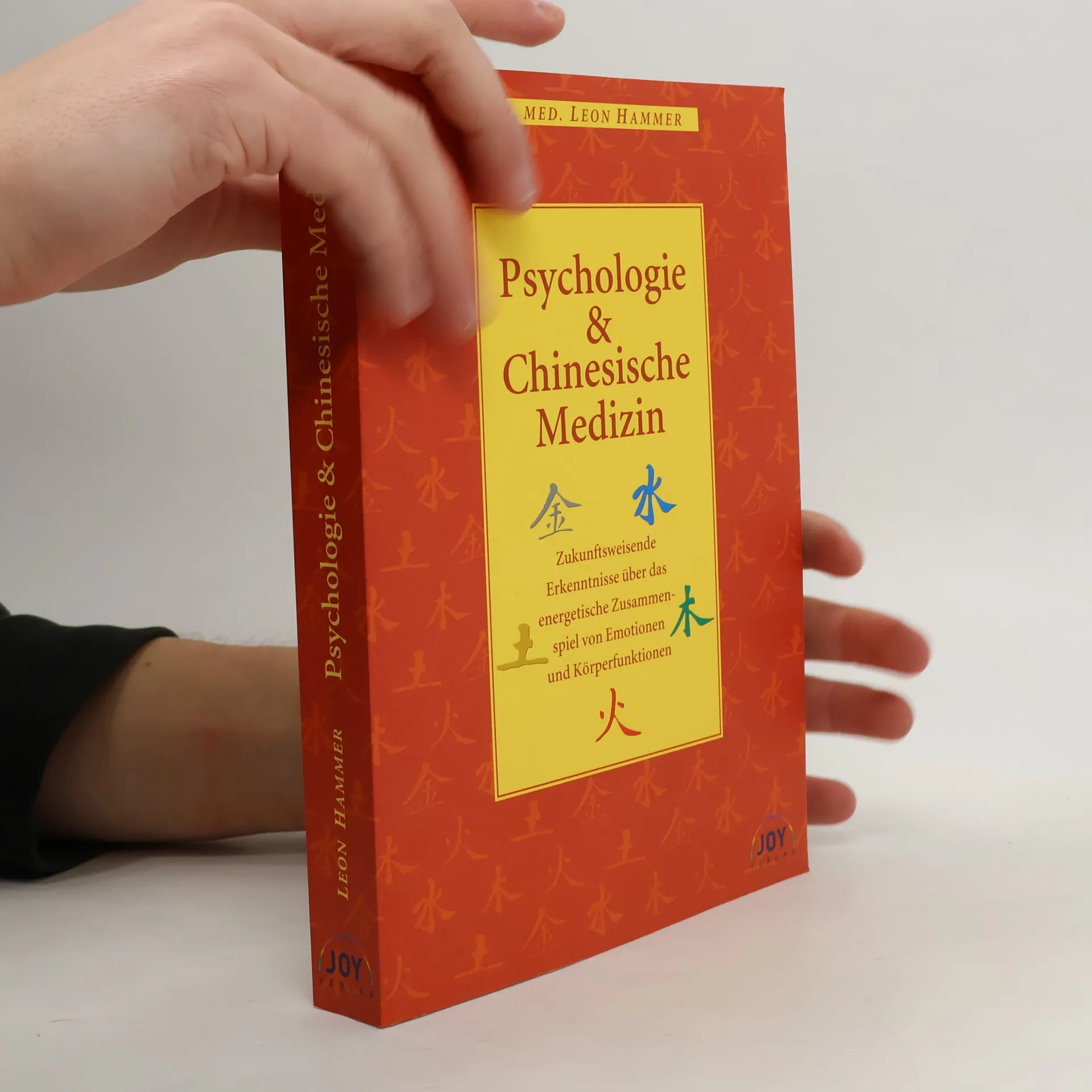
Zukunftsweisende Erkenntnisse über das energetische Zusammenspiel von Emotionen und Körperfunktionen Auf der Basis seiner langjährigen Praxis in klinischer Psychologie und TCM vermittelt der Autor seine Erfahrungen und Beobachtungen über die psychodiagnostischen und psychotherapeutischen Möglichkeiten in der chinesischen Medizin. Detailliert erklärt er das energetische Zusammenspiel von Emotionen und Körperfunktionen im Kontext der Fünf Wandlungsphasen. Leon Hammer hat mit diesem Buch ein Werk geschaffen, das in der Traditionellen Chinesischen Medizin sowie in der Psychologie bisher einzigartig ist. - Chinesische Medizin und Psychologie - Die grundlegenden Energiekonzepte der chinesischen Medizin - Psychosomatische Medizin in Ost und West - Emotion und Krankheitsprozess - Die traditionellen Konzepte von Emotion im Kontext des Systems der Fünf Wandlungsphasen neu interpretiert - Die natürlichen Funktionen und Disharmoniezustände nach dem System der Fünf Wandlungsphasen - Angst und Depression - Das Systemmodell nach Dr. Shen