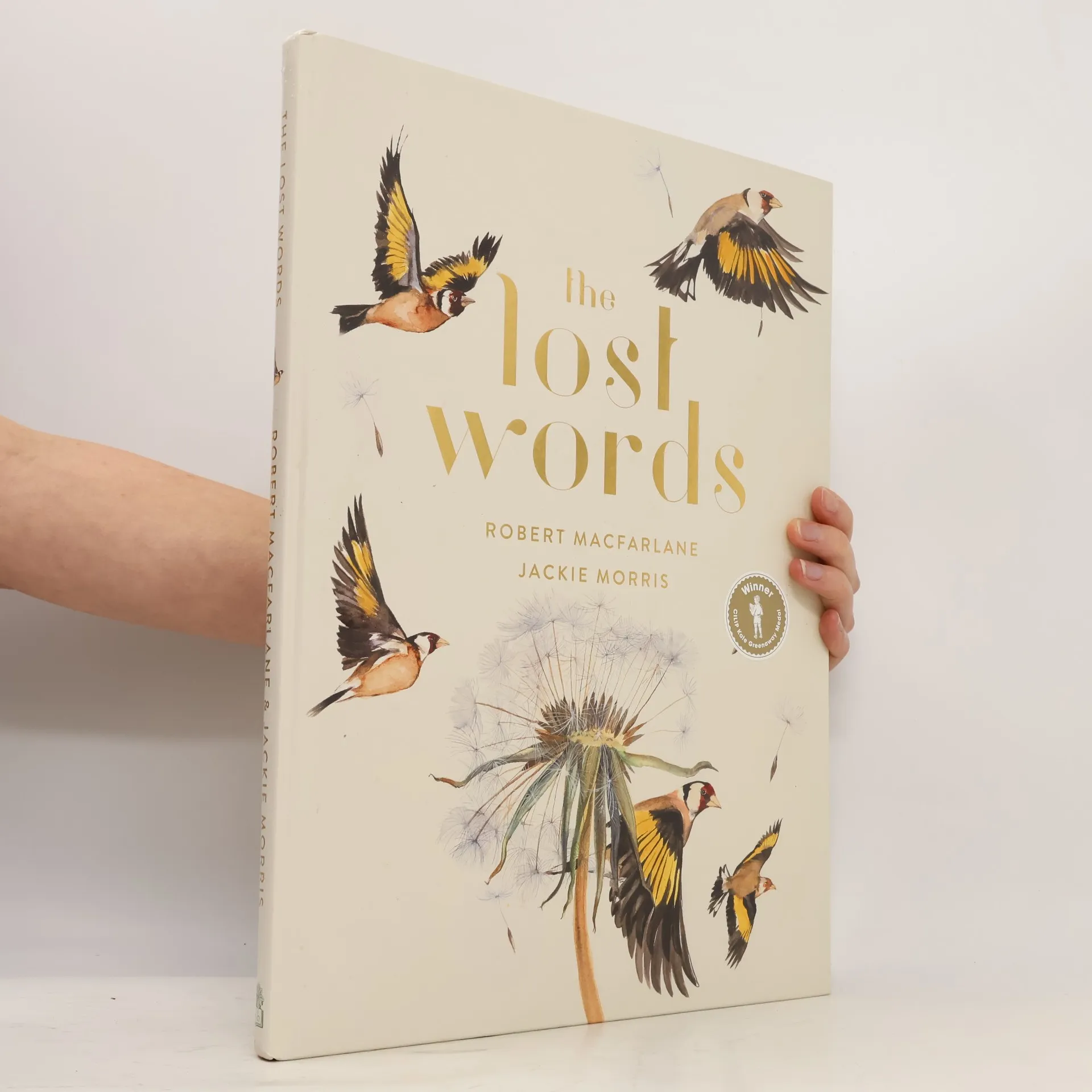
The Lost Words stands against the disappearance of wild childhood. It is a joyful celebration of nature words and the natural world they invoke. With acrostic spell-poems by award-winning writer Robert Macfarlane and hand- painted illustration by Jackie Morris, this enchanting book captures the irreplaceable magic of language and nature for all ages.
Robert McFarlane Livres
15 août 1976
Robert Macfarlane est un écrivain britannique sur la nature et un critique littéraire, profondément immergé dans le paysage anglais. Son œuvre explore le lien profond entre l'humanité et le monde naturel, se penchant souvent sur le langage et la mythologie des lieux. À travers une prose évocatrice, il invite les lecteurs à reconsidérer leur relation avec l'environnement, révélant l'émerveillement et la signification cachés dans le familier. L'écriture de Macfarlane se caractérise par sa qualité lyrique et sa profondeur intellectuelle.



The Lost Spells
- 240pages
- 9 heures de lecture
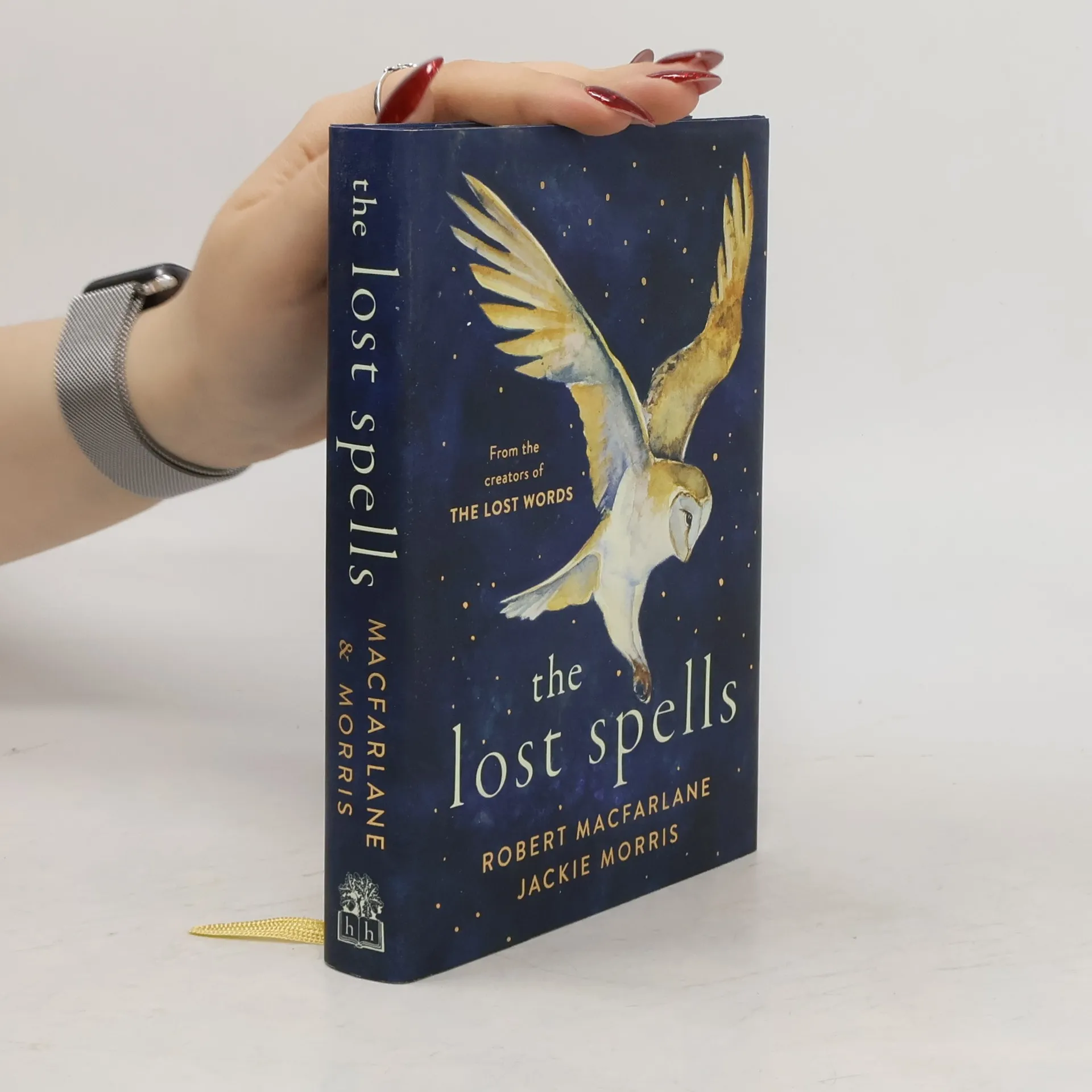
Dazzlingly beautiful and wonderfully inventive, this magical new book from the creators of a bestselling literary phenomenon introduces a fresh set of natural spell-poems and artwork by Robert Macfarlane and Jackie Morris. Similar in spirit to their previous work, this pocket-sized treasure presents "spells" inspired by underappreciated animals, birds, trees, and flowers—ranging from Barn Owl to Red Fox, Grey Seal to Silver Birch. Departing from the triptych format of their earlier work, it explores new shapes, spaces, and voices to conjure the essence of nature. Crafted to be read aloud, the text is infused with brushstrokes that resonate with the forest, field, and riverbank, while also appealing to the heart. The work aims to revive what is often overlooked, inspiring protection and action for the natural world. Above all, it celebrates wonder, showcasing nature's ability to amaze, console, and bring joy. Praise for the creators’ previous work highlights its beauty and the magic of language, emphasizing the astonishing artistry that invites readers to immerse themselves in its pages.
Original Copy
Plagiarism and Originality in Nineteenth-Century Literature
- 258pages
- 10 heures de lecture
Exploring the concept of originality in the nineteenth century, this study delves into how Victorian culture perceived and utilized plagiarism. It highlights its significance not just as a moral issue but as a source of inspiration for notable authors like Eliot, Dickens, Pater, and Wilde. The book presents a nuanced understanding of how these writers engaged with the idea of originality, revealing the complex interplay between creativity and the influence of earlier works in their literary endeavors.
Holloway
- 48pages
- 2 heures de lecture
"'Holloway' is a hollow way, a sunken path. A route that centuries of foot-fall, hoof-hit, wheel-roll and rain-run have harrowed deep down into bedrock. In July 2005, Robert Macfarlane and Roger Deakin - author of Wildwood - traveled to explore the holloways of South Dorset's sandstone. They found their way into a landscape of shadows, spectres & great strangeness. Six years later, after Roger Deakin's early death, Robert Macfarlane returned to the holloway with the artist Stanley Donwood and writer Dan Richards. The book is about those journeys and that landscape." -- Amazon.com
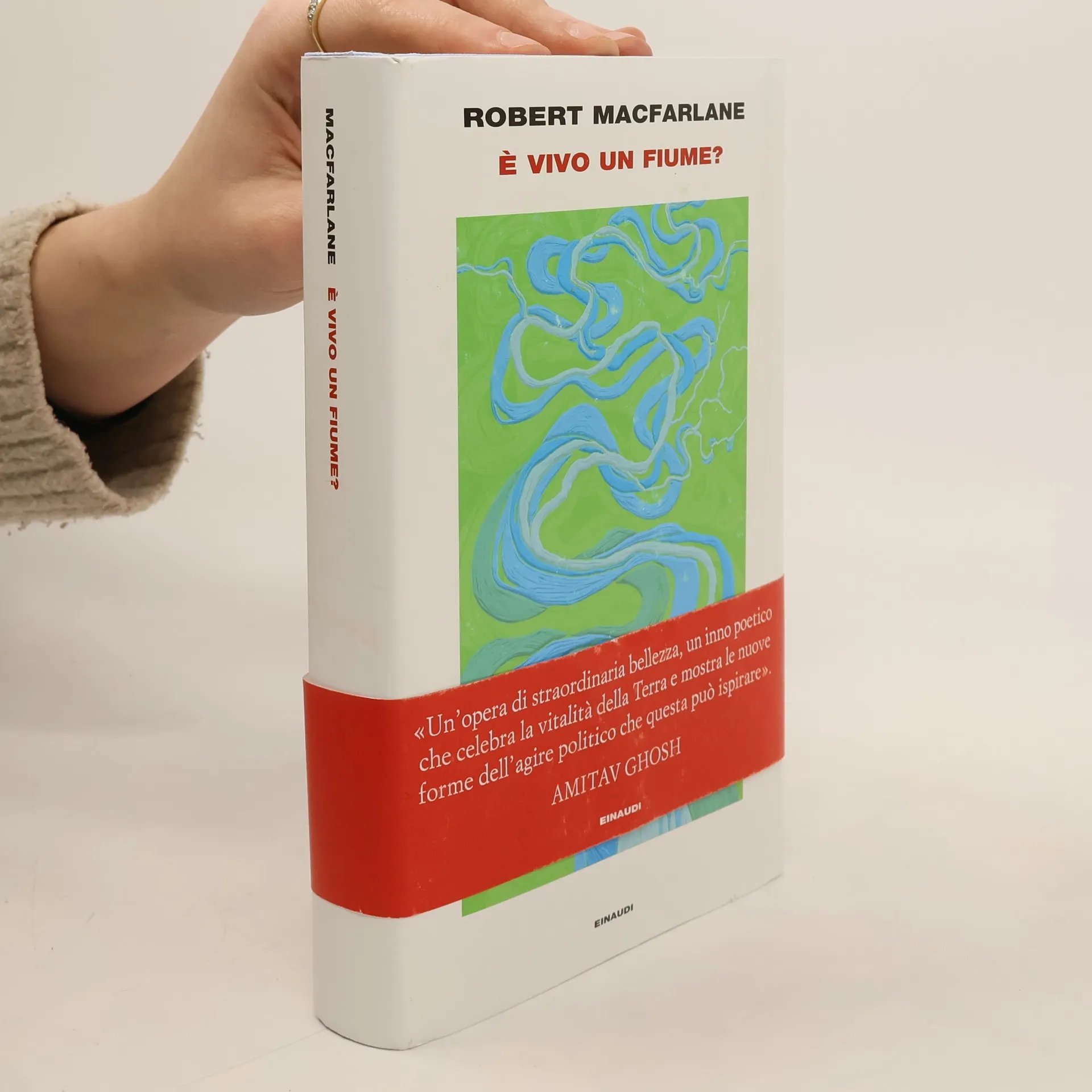
Is A River Alive?
- 288pages
- 11 heures de lecture
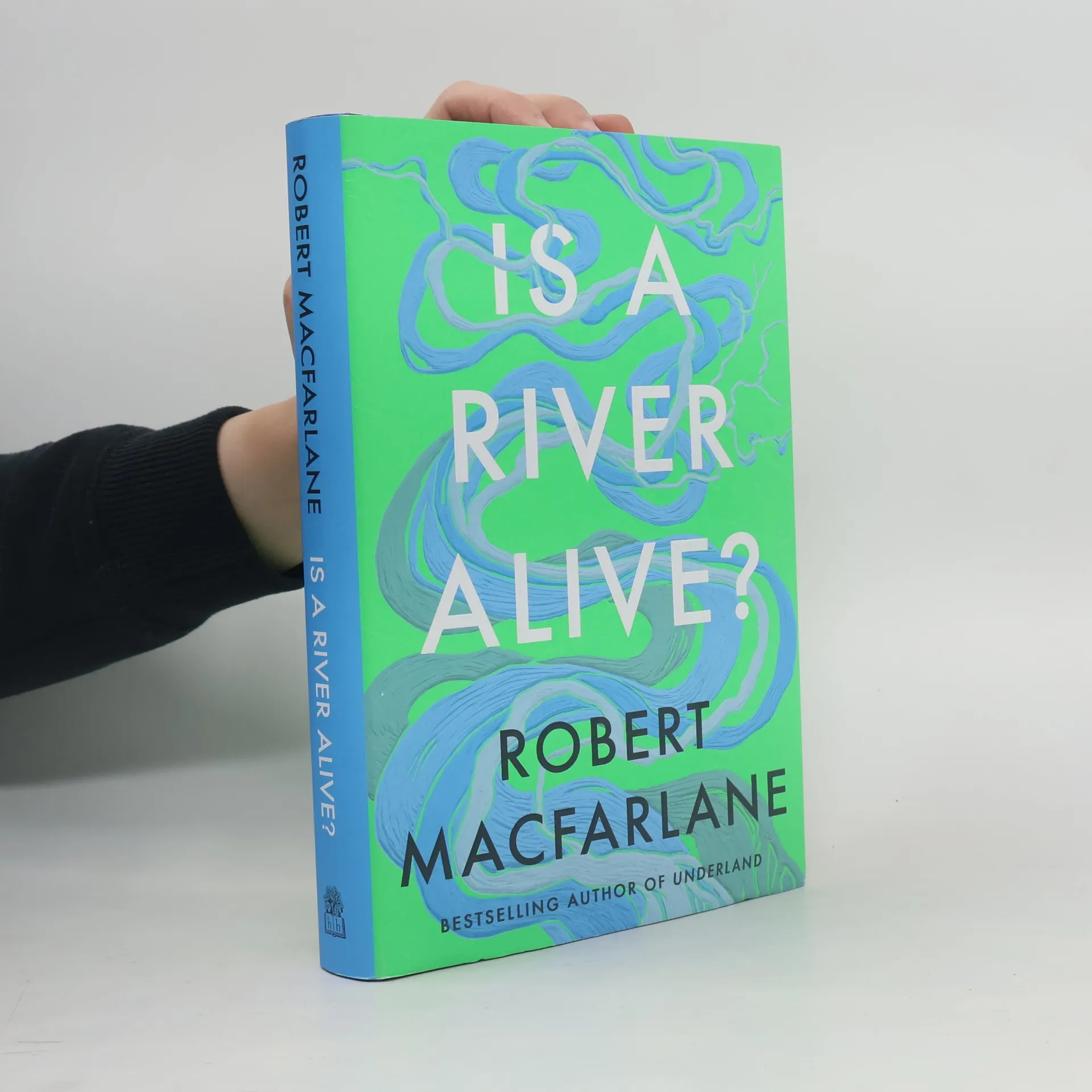
Exploring the transformative idea that rivers are living beings deserving recognition, the book delves into the 'Rights of Nature' movement. Macfarlane embarks on three significant journeys: to Ecuador's threatened cloud-forest rivers, India's struggling waterways, and the defense of Quebec's Mutehekau river. Interwoven with personal reflections on a local chalk stream, this work blends the personal with the political, urging readers to rethink their relationship with nature. It challenges perspectives and emphasizes our interconnected fate with rivers.
Landmarks
- 434pages
- 16 heures de lecture
From Robert Macfarlane, the acclaimed author of The Old Ways and Underland—a celebration of the language of landscape and the power of words to shape our sense of place For years now, the British writer Robert Macfarlane has been collecting place-words: terms for aspects of landscape, nature, and weather, drawn from dozens of languages and dialects of the British Isles. In this, his fifth book, Macfarlane brilliantly explores the linguistic and literary terrain of the British archipelago, from the Shetlands to Cornwall and from Cumbria to Suffolk, offering themed glossaries of hundreds of these rare, deeply local, poetical terms, organized by such geographical terrains as flatlands, uplands, waterlands, coastlands, woodlands, and underlands. Interspersed with this archive of place words are biographical essays in which Macfarlane writes of his favorite authors who have paid close attention to the natural world and who embody in their own work the huge richness of place language—from Barry Lopez and John Muir to Nan Shepard, J. A. Baker, and Roger Deakin. Landmarks is a book about the power of language and how it can become a way to know and love landscape, from a writer acclaimed for his own precision of utterance and distinctive, lyrical voice.
The Wild Places
- 340pages
- 12 heures de lecture
Macfarlane embarks on a series of journeys in search of the wildness that remains in the British Isles. At once a wonder voyage, an adventure story and a work of natural history, this text also tells a story of friendship and loss, mixing history, memory and landscape in a strange evocation of wildness and its importance.
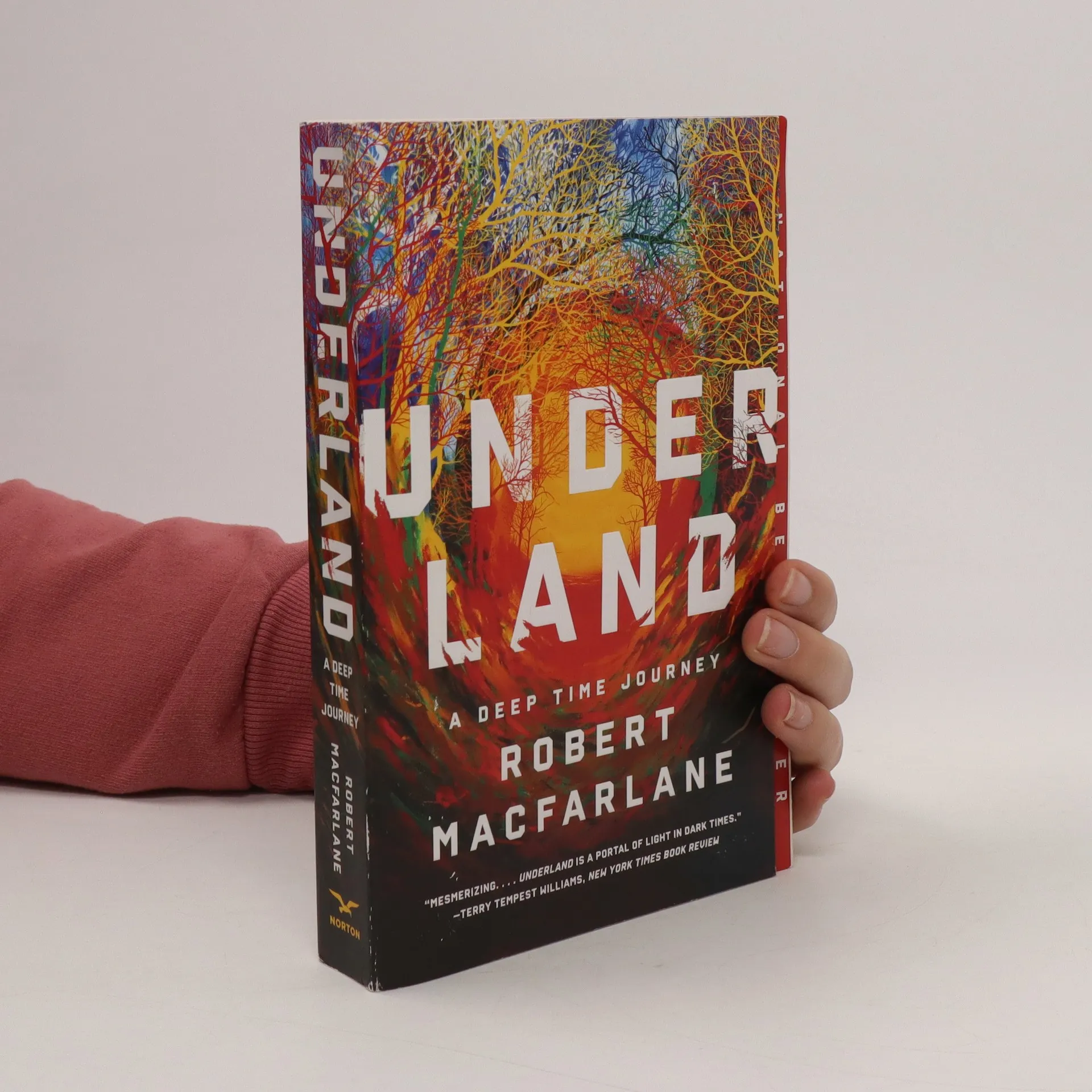
Underland: a deep time journey
- 496pages
- 18 heures de lecture
National Bestseller - New York Times 100 Notable Books of the Year - NPR Favorite Books of 2019 - Guardian 100 Best Books of the 21st Century - Winner of the National Outdoor Book Award Mesmerizing...Underland is a portal of light in dark times. --Terry Tempest Williams, New York Times Book Review
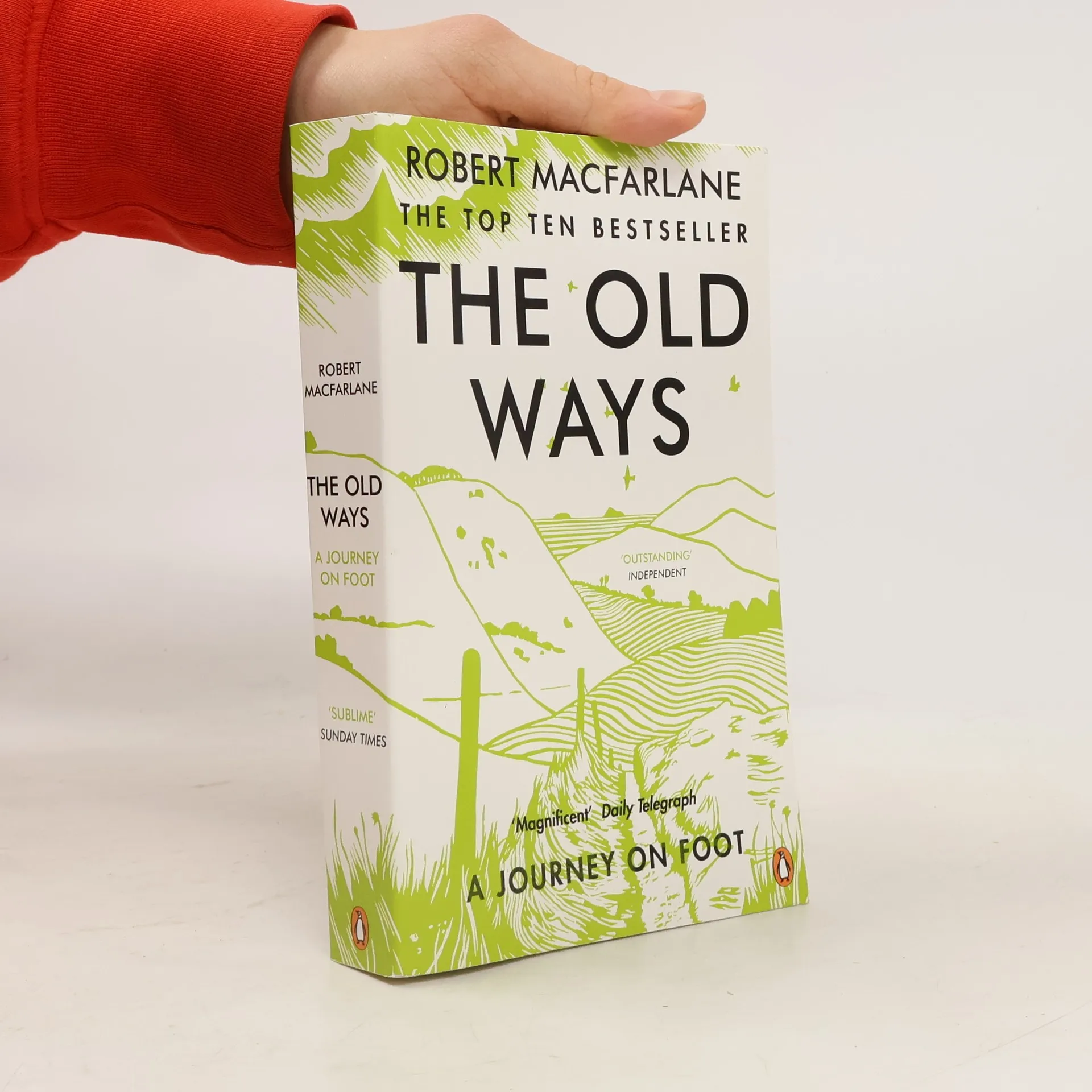
Robert Macfarlane travels Britain's ancient paths and discovers the secrets of our beautiful, underappreciated landscape. Following the tracks, holloways, drove-roads and sea paths that form part of a vast ancient network of routes criss-crossing the British Isles and beyond, Robert Macfarlane discovers a lost world - a landscape of the feet and the mind, of pilgrimage and ritual, of stories and ghosts; above all of the places and journeys which inspire and inhabit our imaginations.
My First Summer in the Sierra
- 224pages
- 8 heures de lecture
The name John Muir has come to stand for the protection of wild land and wilderness in both America and Britain. Born in Dunbar in 1838, Muir is famed as a pioneer of conservation, and his passion, discipline and vision are still inspirational today. Combining acute observation with a sense of inner discovery, Muir's description of the summer he spent in what would become Yosemite National Park in California's Sierra Nevada mountains raises an awareness of nature to a spiritual dimension. His journal provides a unique weaving of natural history, lyrical prose and amusing anecdote, retaining a freshness, intensity and honesty which will amaze the modern reader.
Why do so many feel compelled to risk their lives climbing mountains? During the climbing season, one person a day dies in the Alps, and more people die climbing in this season in Scotland than they do on the roads. Mountains of the Mind pursues a fascinating investigation into our emotional and imaginative responses to mountains, and how these have changed over the last few centuries. It is rich with literary and historical references, and punctuated by beautifully written descriptions of the author's own climbing experiences. There are chapters on glaciers, geology, the pursuit of fear, the desire to explore the unknown, and the desire to get to the summit, and the book ends with a gripping account of Mallory's attempt on Everest. Mountains of the Mind is a beautifully written synthesis of climbing memoir and cultural history.
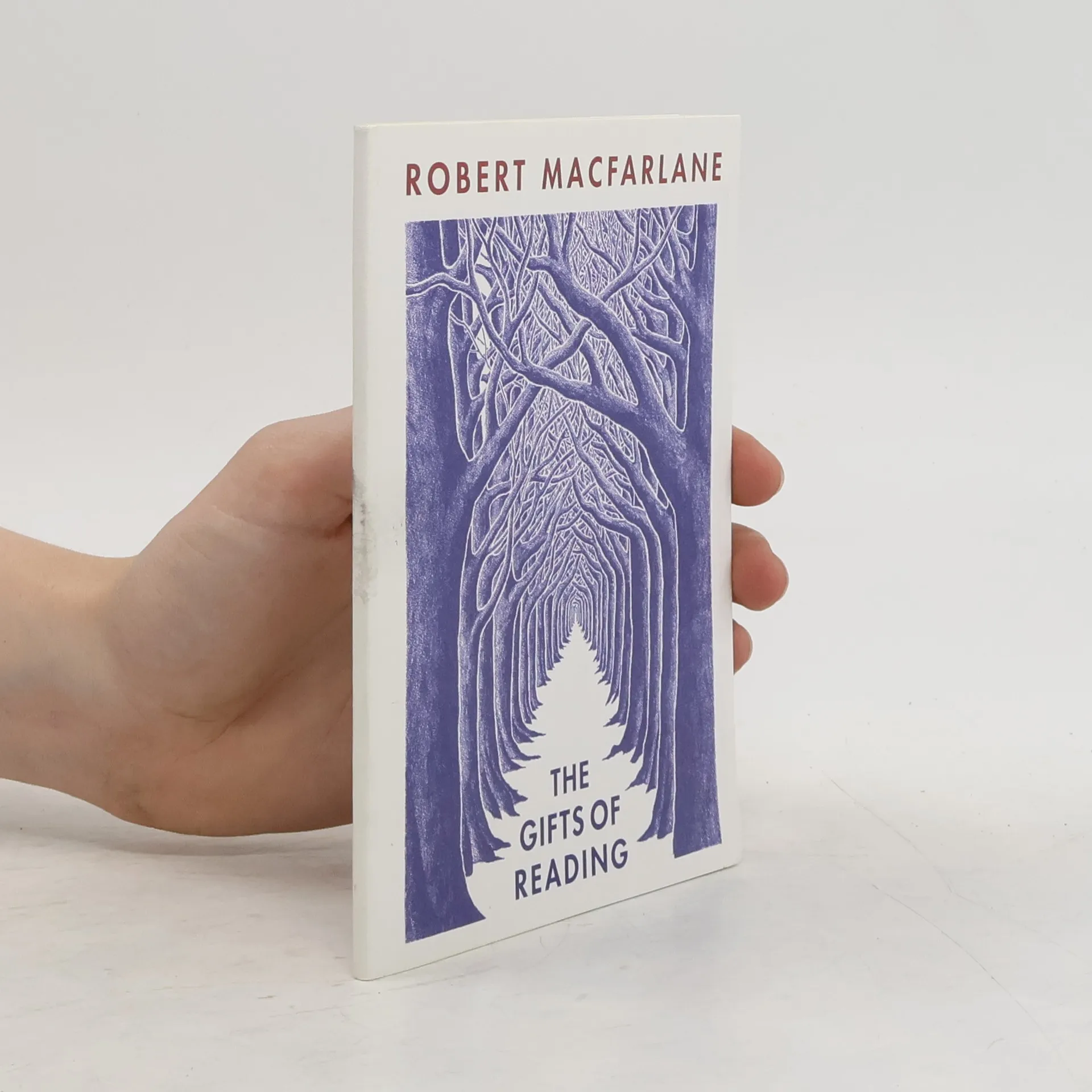
The Gifts of Reading
- 48pages
- 2 heures de lecture
From the acclaimed author of The Old Ways and Landmarks -- an essay on the beauty and joy of reading, for anyone who has ever loved a book Every book is a kind of gift to its reader, and the act of giving books is charged with a special emotional resonance. It is a meeting of three minds (the giver, the author, the recipient), an exchange of intellectual and psychological currency, that leaves both participants the richer. Here Robert Macfarlane recounts the story of a book he was given as a young man, and how he managed eventually to return the favour, though never repay the debt. From one of the most lyrical writers of our time comes a perfectly formed gem, a lyrical celebration of the power and preciousness of the given book.
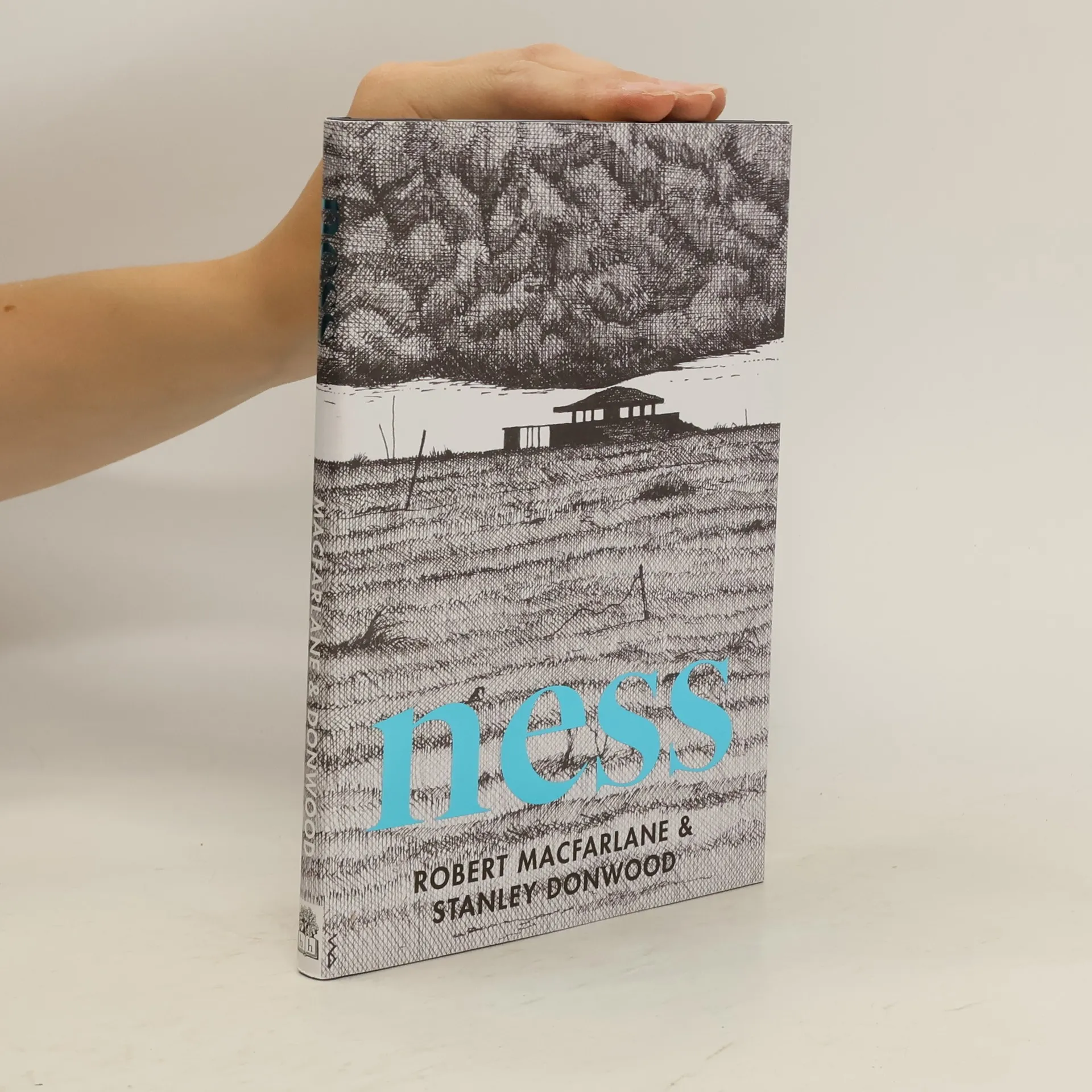
Ness
- 72pages
- 3 heures de lecture
"Somewhere on a salt-and-shingle island, inside a ruined concrete structure known as The Green Chapel, a figure called The Armourer is leading a black mass with terrible intent. But something is coming to stop him. Five more-than-human forms are traversing land, sea and time towards The Green Chapel, moving towards the point where they will converge and become Ness. Ness has lichen skin and willow-bones. Ness is made of tidal drift, green moss and deep time. Ness has hagstones for eyes and speaks only in birds. And Ness has come to take this island back. What happens when land comes to life? What would it take for land to need to come to life? Using word and image, Robert Macfarlane and Stanley Donwood have together made a minor modern myth. Part-novella, part-prose-poem, part-mystery play, in Ness their skills combine to dazzling, troubling effect."-- Provided by publisher
Ghostways: Two Journeys in Unquiet Places
- 176pages
- 7 heures de lecture
In Holloway, a perfect miniature prose-poem (William Dalrymple), Macfarlane, artist Stanley Donwood, and writer Dan Richards travel to Dorset, near the south coast of England, to explore a famed hollowed way--a path used by walkers and riders for so many centuries that it has become worn far down into the soft golden bedrock of the region. In Ness, a triumphant libretto of mythic modernism for our poisoned age (Max Porter), Macfarlane and Donwood create a modern myth about Orford Ness, the ten-mile-long shingle spit that lies off the coast of East Anglia, which the British government used for decades to conduct secret weapons tests.
A comprehensive guide to the dyeing and printing of textiles, including descriptions of the chemical properties of various animal and mineral substances commonly used in these industries.
History of Propellers and Steam Navigation
- 146pages
- 6 heures de lecture
Dr. Papin, a French inventor, along with Captain Savery and the Marquis of Worcester, proposed using steam power to propel vessels via paddles. However, the details of their inventions remain unclear and unsatisfactory. In 1726, Dr. John Allen published a work in London suggesting a method to propel a vessel using a horizontal pipe open at the stern, where air or water would be forced to create forward motion through reaction. He tested this idea on a canal boat and claimed that if steam were employed, it could achieve a speed of three miles per hour. This book serves as a reproduction of significant historical works, utilizing advanced technology to digitally reconstruct original formats while addressing imperfections present in aged copies. Forgotten Books is dedicated to preserving the integrity of these works, ensuring that even rare flaws are retained to maintain historical authenticity.
Combining enchanting prose with stunning illustrations, this book continues the collaboration between Robert Macfarlane and Jackie Morris, known for their acclaimed work, The Lost Words. It invites readers into a world where nature's magic is celebrated through lyrical language and beautiful artwork, aiming to reconnect people with the natural environment. The themes of loss and regeneration resonate throughout, making it a poignant exploration of the relationship between language and the natural world.
The book showcases the enchanting artwork of Jackie Morris, celebrated for its wildness, beauty, and power. One of her remarkable paintings, The Kingfisher, has been adapted into a 1000-piece jigsaw puzzle, allowing fans to engage with the art in a new and interactive way. This unique transformation adds a tactile element to the visual experience, inviting both art lovers and puzzle enthusiasts to appreciate the intricate details of Morris's work.
History Of Propellers And Steam Navigation
With Biographical Sketches Of The Early Inventors (1851)
- 148pages
- 6 heures de lecture
As a facsimile reprint of a scarce antiquarian work, this book preserves the original's historical significance while acknowledging potential imperfections like marks and notations. It emphasizes the importance of cultural preservation and aims to provide an accessible, high-quality edition that remains true to the original text, reflecting a commitment to safeguarding literary heritage.
A Practical Treatise on dyeing and Calico-printing
Including the latest Inventions and Improvements
- 780pages
- 28 heures de lecture
Focusing on the techniques of dyeing and calico-printing, this treatise offers insights into the latest inventions and improvements from the 1860s. It serves as a comprehensive guide, preserving historical methods while highlighting advancements in the field. The unchanged reprint maintains the original quality, making it a valuable resource for those interested in textile arts and the evolution of dyeing practices.
Practical Notes On the Structure of Issues in Jury Cases in the Court of Session: With Forms of Issues
- 666pages
- 24 heures de lecture
Culturally significant, this work is a reproduction of an original artifact, preserving its authenticity and historical context. It includes original copyright references and library stamps, reflecting its journey through important libraries worldwide. This dedication to maintaining the integrity of the original text provides readers with a glimpse into the knowledge base of civilization.
The Wild Cards
- 100pages
- 4 heures de lecture
From the bestselling, prize-winning authors of beloved cult phenomena The Lost Words and The Lost Spells 'Breathtaking and magical. Jackie Morris has created something that you could spend all day looking at' New Statesman 'Robert Macfarlane and Jackie Morris have made a thing of astonishing beauty' Observer Discover and share the wonders of the wild world as seen in The Lost Words and The Lost Spells... This collection of 100 postcards features artwork and words from two beloved modern classics, in which Jackie Morris and Robert Macfarlane celebrate the creatures, trees and plants of nearby nature, from Acorn to Wren, by way of Curlew and Kingfisher, Silver Birch and Snow Hare, Goldfinch and Gorse. The front of each card bears one of Morris's Greenaway Medal-winning paintings; on the reverse, you will find an accompanying quotation from one of the spell-poems in the Lost books, as well as an identification of the species shown on the card. The remaining space is left blank for you to fill in these wild cards with pen, pencil or paint - and then send them out into the world to make and renew connections.
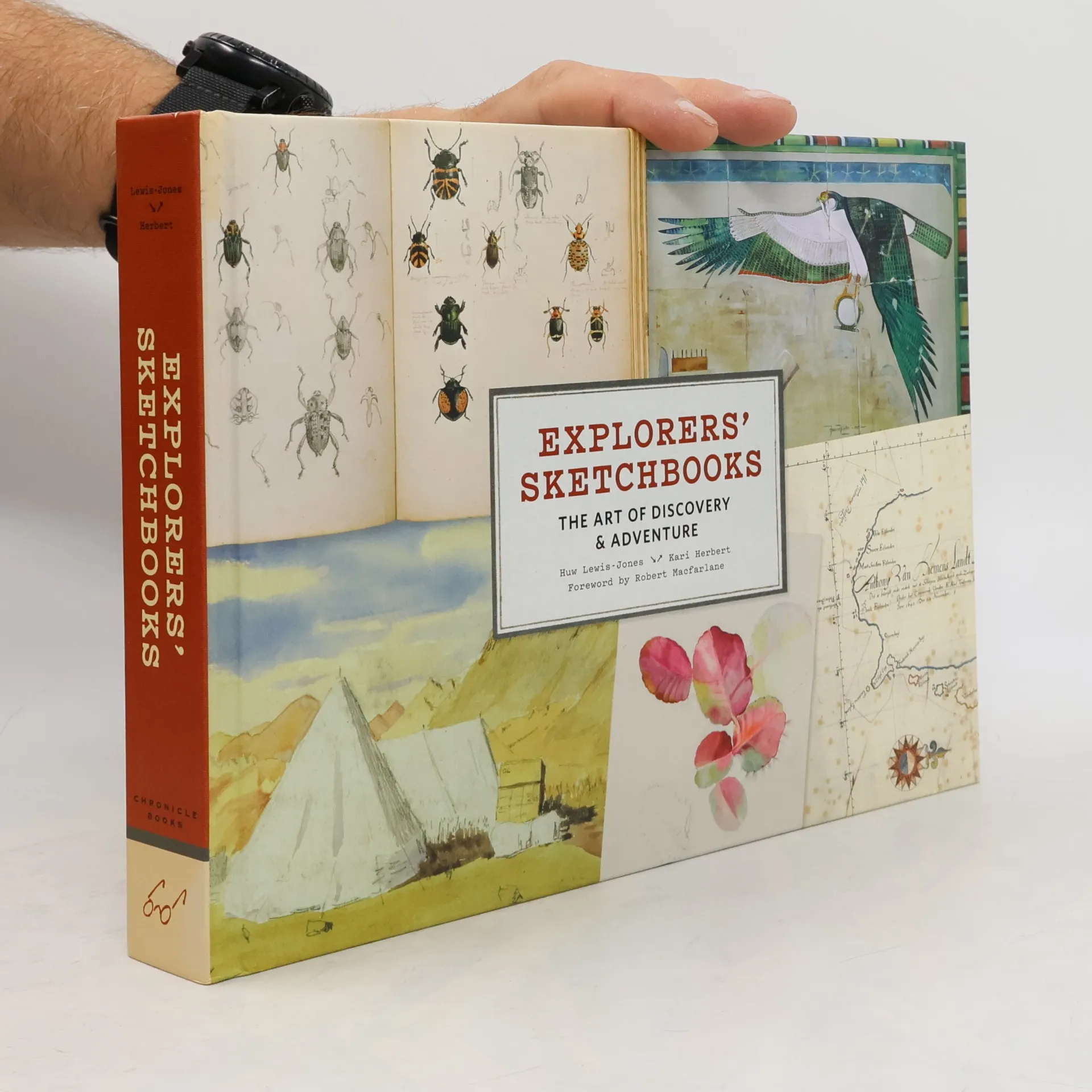
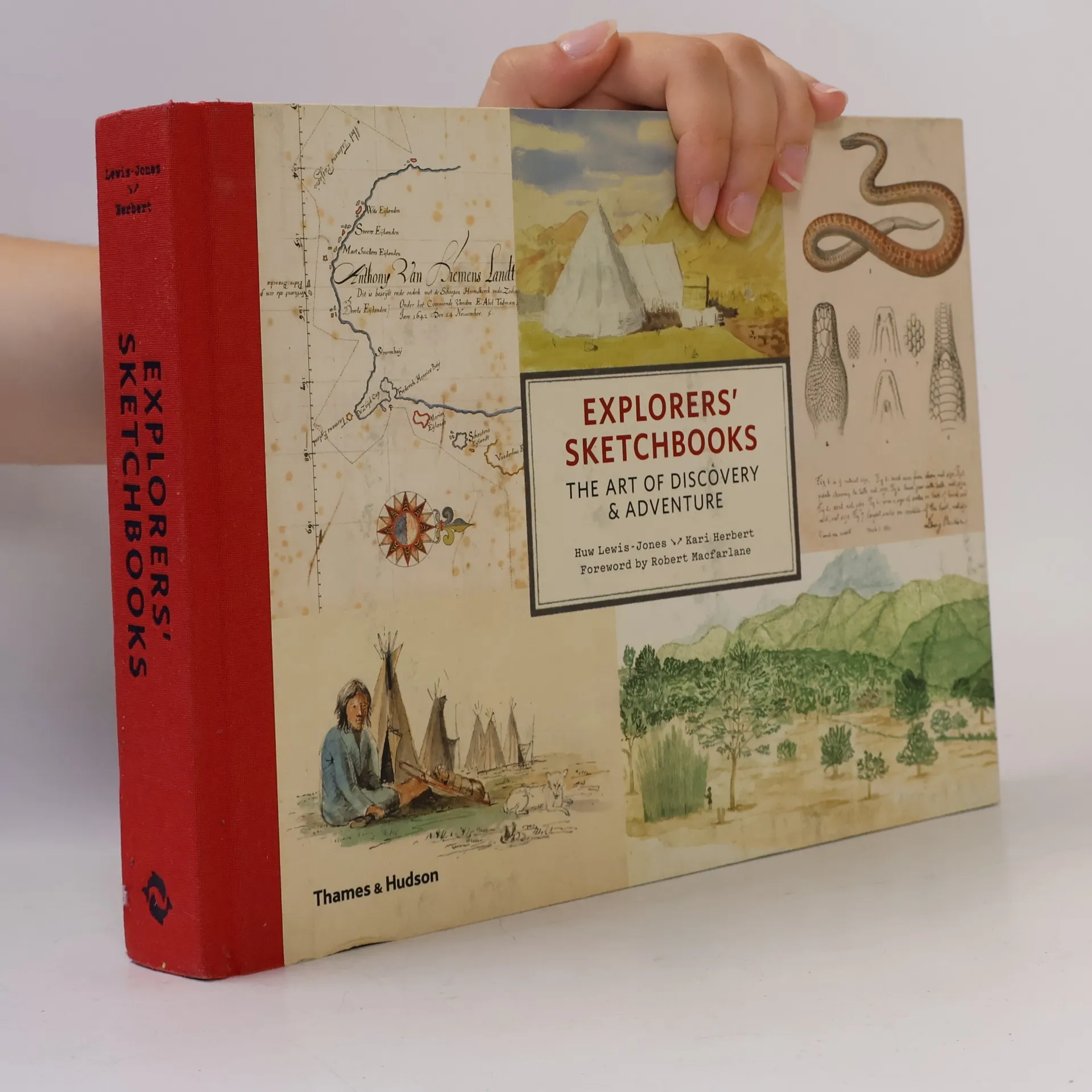
The sketchbook has been the one constant in explorers' kits for centuries of adventure. Often private, they are records of immediate experiences and discoveries, and in their pages we can see what the explorers themselves encountered. This remarkable book showcases 70 such sketchbooks, kept by intrepid men and women as they journeyed perilous and unknown environments—frozen wastelands, high mountains, barren deserts, and dense rainforests—with their senses wide open. Figures such as Charles Darwin and Sir Edmund Hillary are joined here by lesser-known explorers such as Adela Breton, who braved the jungles of Mexico to make a record of Mayan monuments. Here are profiles, expedition details, and the artwork of pioneering explorers and mapmakers, botanists and artists, ecologists and anthropologists, eccentrics and visionaries. Here is the art of discovery.
Despite dramatic advances in technology and equipment over the years, there is one vital piece of kit in most explorers' pockets that hasn't changed - the journal. In this title, the sketchbooks and journals presented allow us to share, the on-the-spot reactions of around 70 intrepid individuals as they journeyed far corners of the earth.
Is a River Alive?: The Instant Number One Sunday Times Bestseller
- 384pages
- 14 heures de lecture
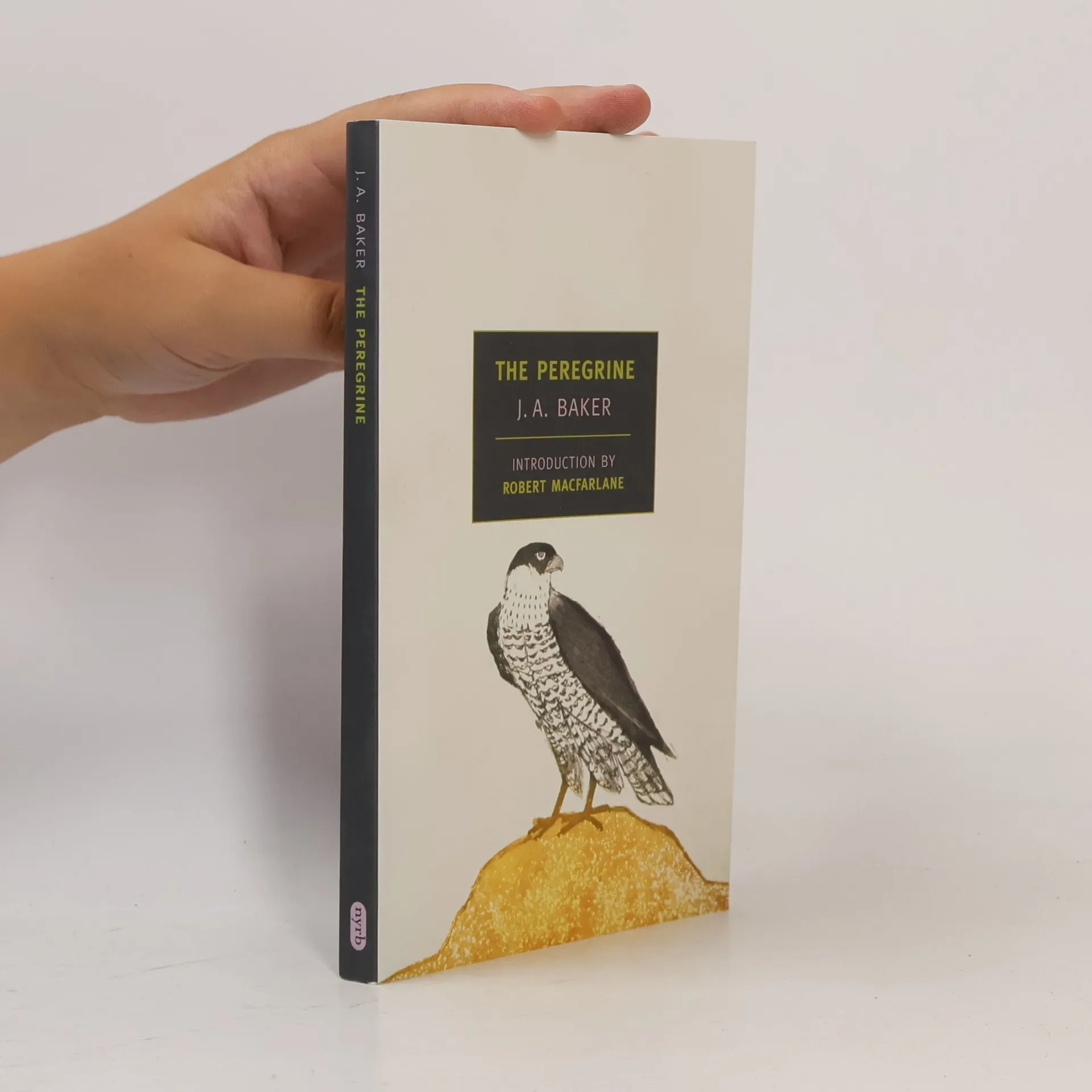
New York Review Books Classics: The Peregrine
- 191pages
- 7 heures de lecture
From autumn to spring, J.A. Baker set out to track the daily comings and goings of a pair of peregrine falcons across the flat fen lands of eastern England. He followed the birds obsessively, observing them in the air and on the ground, in pursuit of their prey, making a kill, eating, and at rest, activities he describes with an extraordinary fusion of precision and poetry. And as he continued his mysterious private quest, his sense of human self slowly dissolved, to be replaced with the alien and implacable consciousness of a hawk.It is this extraordinary metamorphosis, magical and terrifying, that these beautifully written pages record.
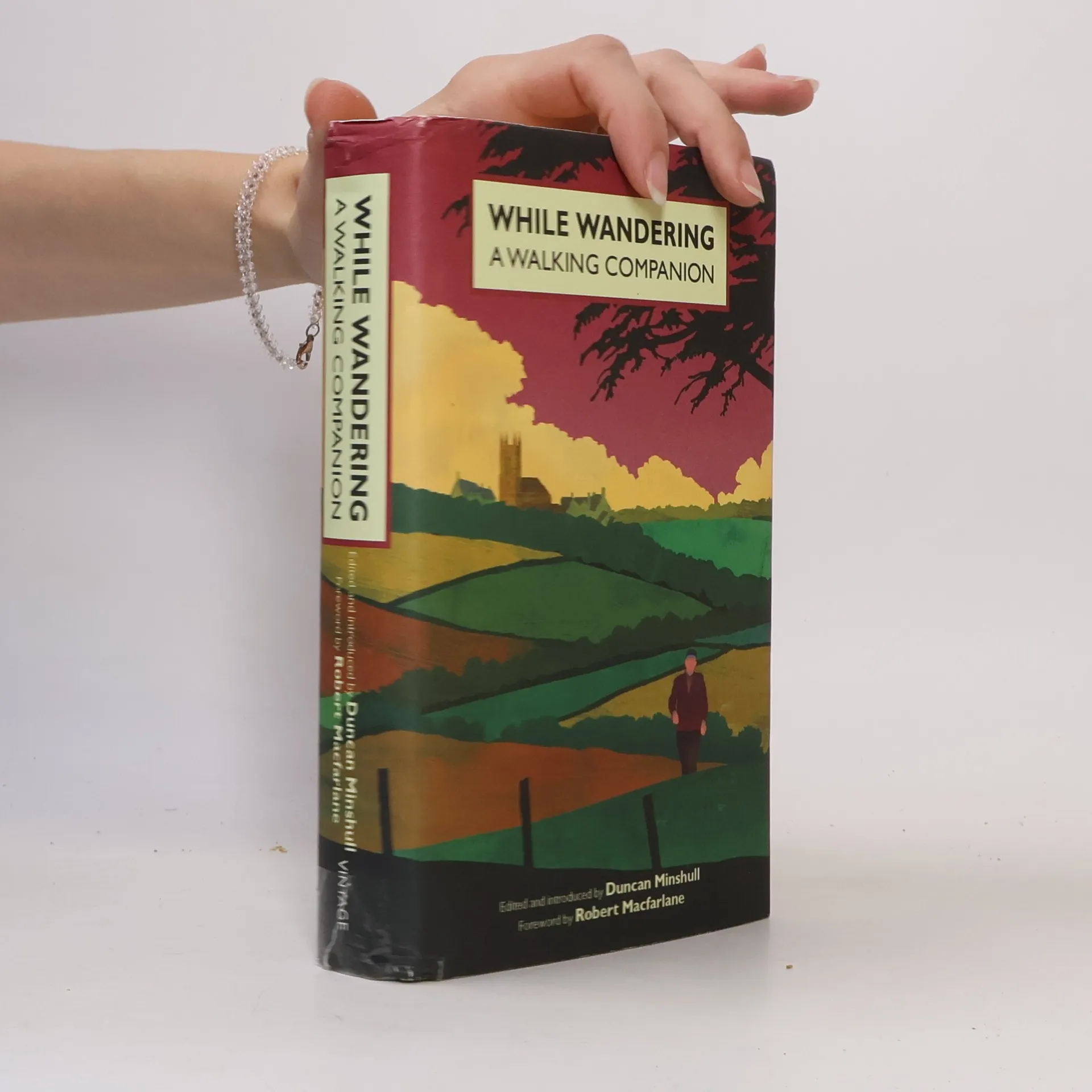
A collection of literary walks -- from Austen, Woolf & Bronte to Colm Toibin, Bruce Chatwin & Werner Herzog -- this is the ultimate companion for readers & walkers looking to take inspiration from poems, novels, plays & journals. "It is good to collect things, but better to go on walks." --Anatole France A fundamental act, often taken for granted, yet through the centuries it has inspired a fascinating literature. This, the first comprehensive anthology on the subject, delves into why we walk and how we walk; the differences between the country hike and the city stroll; walking and wooing; walking into trouble and marching out. A mix of fiction and non-fiction, poetry and drama provides the reader with over two hundred booted authors. Xenophone and Baudelaire, Flora Thompson and Julian Barnes, Mark Twain and Roberto Calasso tramp the pages of this fascinating collection.Previously published with the title The Vintage Book of Walking.
The Gifts of Reading for the Next Generation
Essays on Nurturing a Passion for Reading
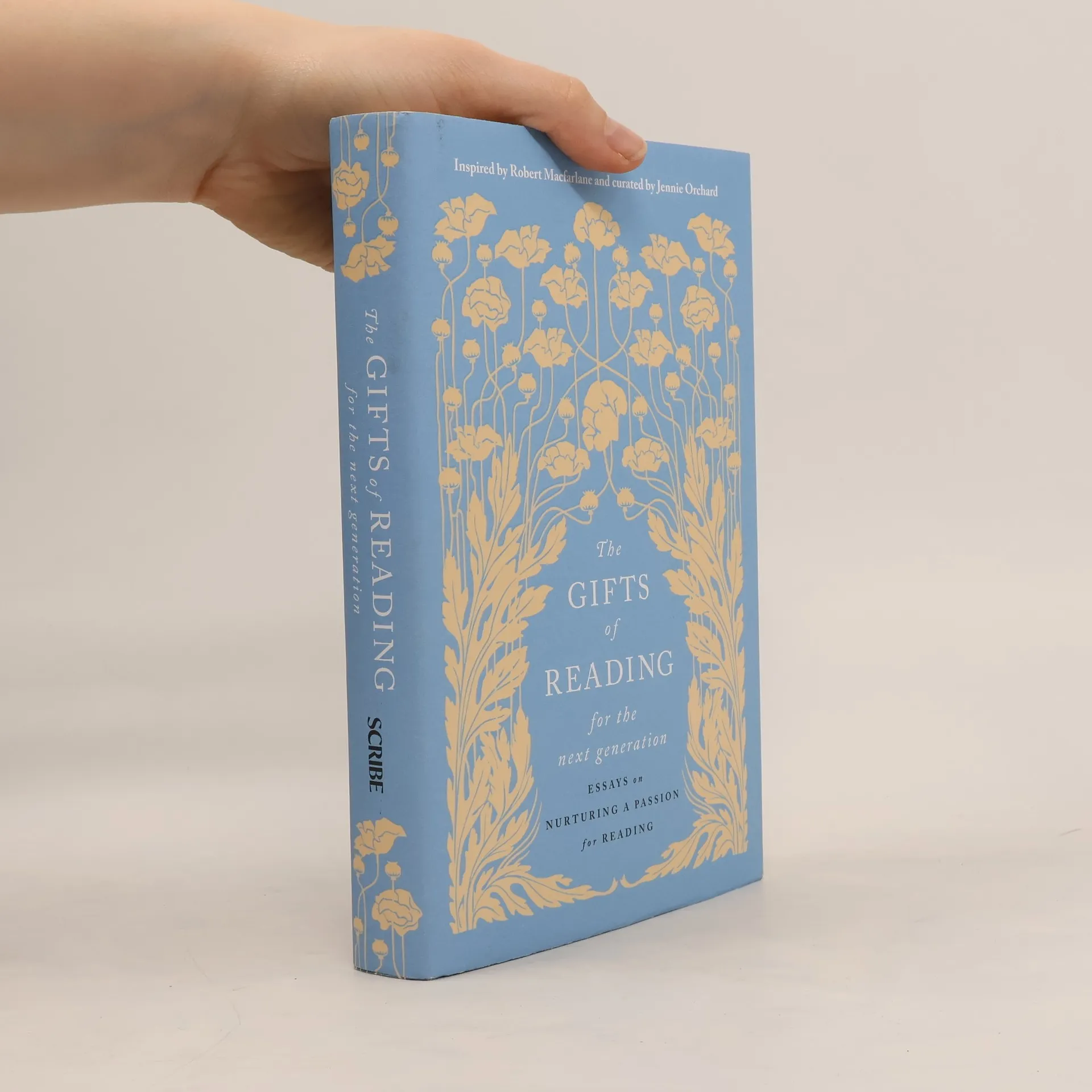
Inspired by Robert Macfarlane and curated by Jennie Orchard, this anthology features essays celebrating the joy of giving books to children and young people, written by some of the world's most beloved authors. Reflecting on the books that shaped their childhoods and ignited their passion for reading, these writers share transformative experiences that guided them toward becoming readers and writers themselves. Following the success of its first edition, this heartwarming collection underscores the enduring power of literature. The authors explore the stories that influenced them, offering a compelling guide to nurturing a love of reading in the younger generation. Contributions come from notable figures such as Tristan Bancks, William Boyd, Shankari Chandran, and many others, culminating in an afterword by Julia Eccleshare. All royalties from this collection are generously donated to Room to Read and U-Go, organizations founded by John Wood that promote literacy and education for girls and young women.
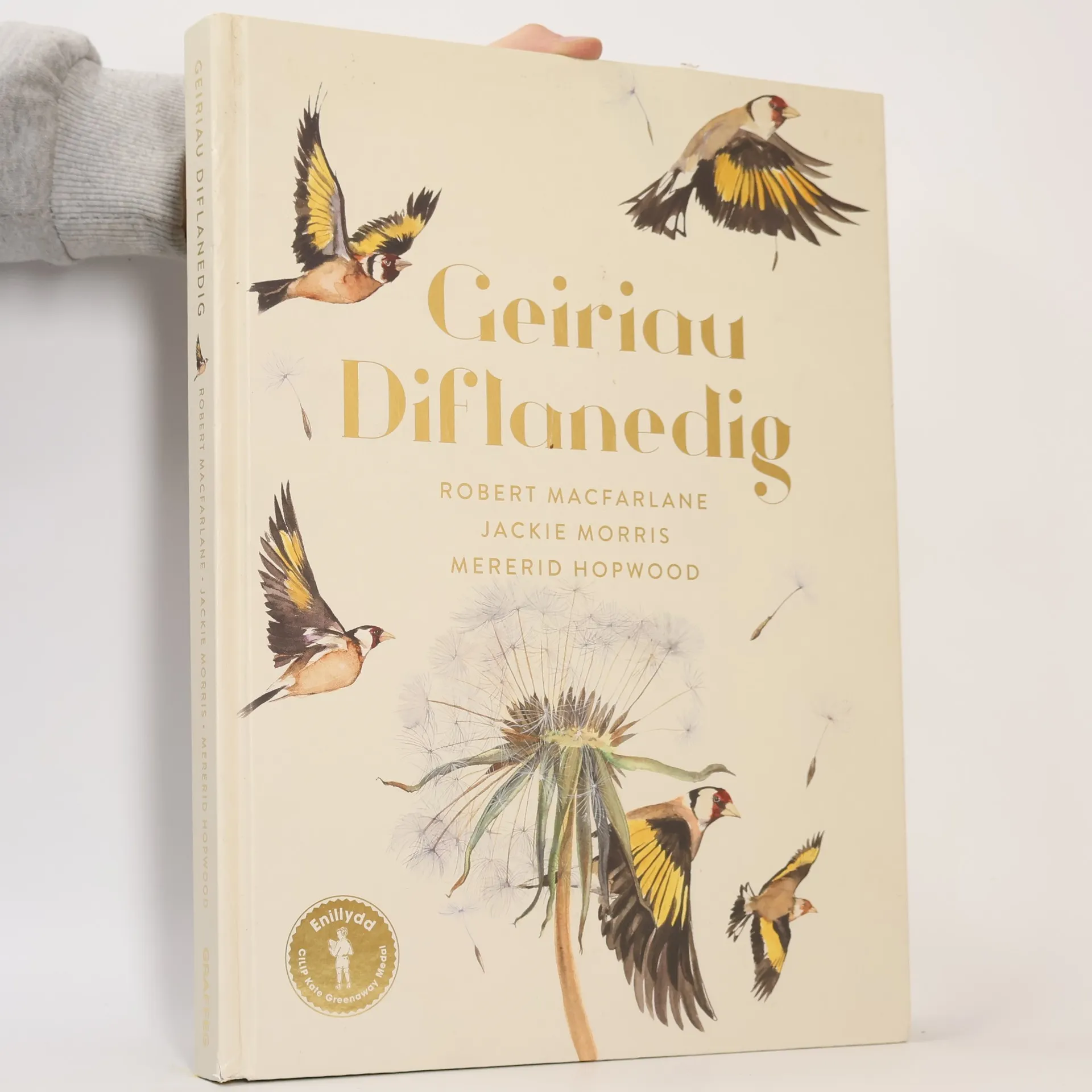
Geiriau Diflanedig
- 128pages
- 5 heures de lecture
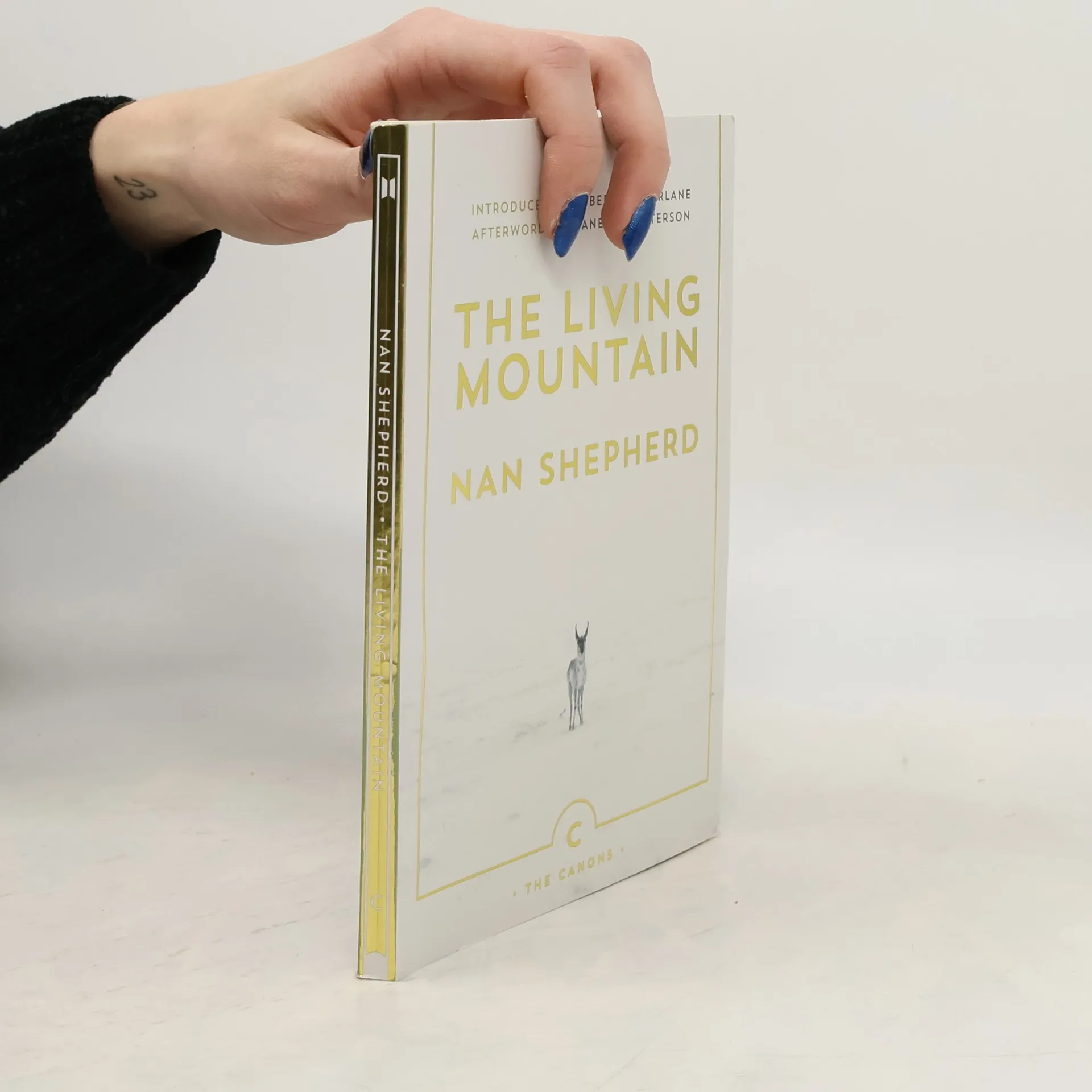
The Living Mountain
- 114pages
- 4 heures de lecture
A masterpiece of nature writing, now in a Canons edition.
Mein Jahr als Jäger und Sammler
Was es wirklich heißt, von der Natur zu leben
- 352pages
- 13 heures de lecture
»Sein Ton als Erzähler umfasst das Poetische ebenso wie das Zupackende, und zum Weihevollen kommt der Humor hinzu.« FAZ Als John Lewis-Stempel mit seiner Familie nach Herefordshire am äußersten Rand Englands zieht, ist er überwältigt von der Vielfalt der Flora und Fauna. Er beschließt ein Experiment zu wagen, das ihn verändern wird. Kann er es schaffen, ein Jahr lang nur von dem zu leben, was ihm die Speisekammer der Natur bietet, und nur noch zu essen, was er auf den Wiesen, in den Hecken und Bächen seines sechzehn Hektar großen Anwesens Trelandon fischt, sammelt oder jagt? Der preisgekrönte Autor erzählt spannend und poetisch von den Herausforderungen und Entbehrungen, die Kälte und Schnee mit sich bringen, aber auch vom Glück, sich ohne jede Zutat aus dem Supermarkt zu ernähren. Er berichtet von seinem widerwilligen Jagdhund Edith und den neuen Rezepten, die er kreiert. Am Ende hat sich sein Bewusstsein für die Natur und für seinen Körper ebenso grundlegend gewandelt wie sein Verhältnis zu unserem achtlosen Umgang mit Nahrungsmitteln.
Mensen laten net als andere dieren sporen na; paden die in de loop der tijden door menselijke voeten, karrenwielen, paarden, ezelshoeven en door regen, ijs en wind zijn uitgesleten. Een voetafdruk van menselijk leven in het landschap. Macfarlane volgt deze paden en spoort de verhalen op die ermee verbonden zijn. Het is de derde keer dat Robert Macfarlane ons meeneemt op zijn tochten door de natuur. In Hoogtekoorts onderzocht hij de menselijke fascinatie voor huiveringwekkende bergtoppen. In De laatste wildernis ging hij op zoek naar de ongerepte natuur in Engeland en Ierland. In De oude wegen , het laatste deel van het drieluik, richt Macfarlane zijn zoektocht juist op de door mensen betreden natuur.
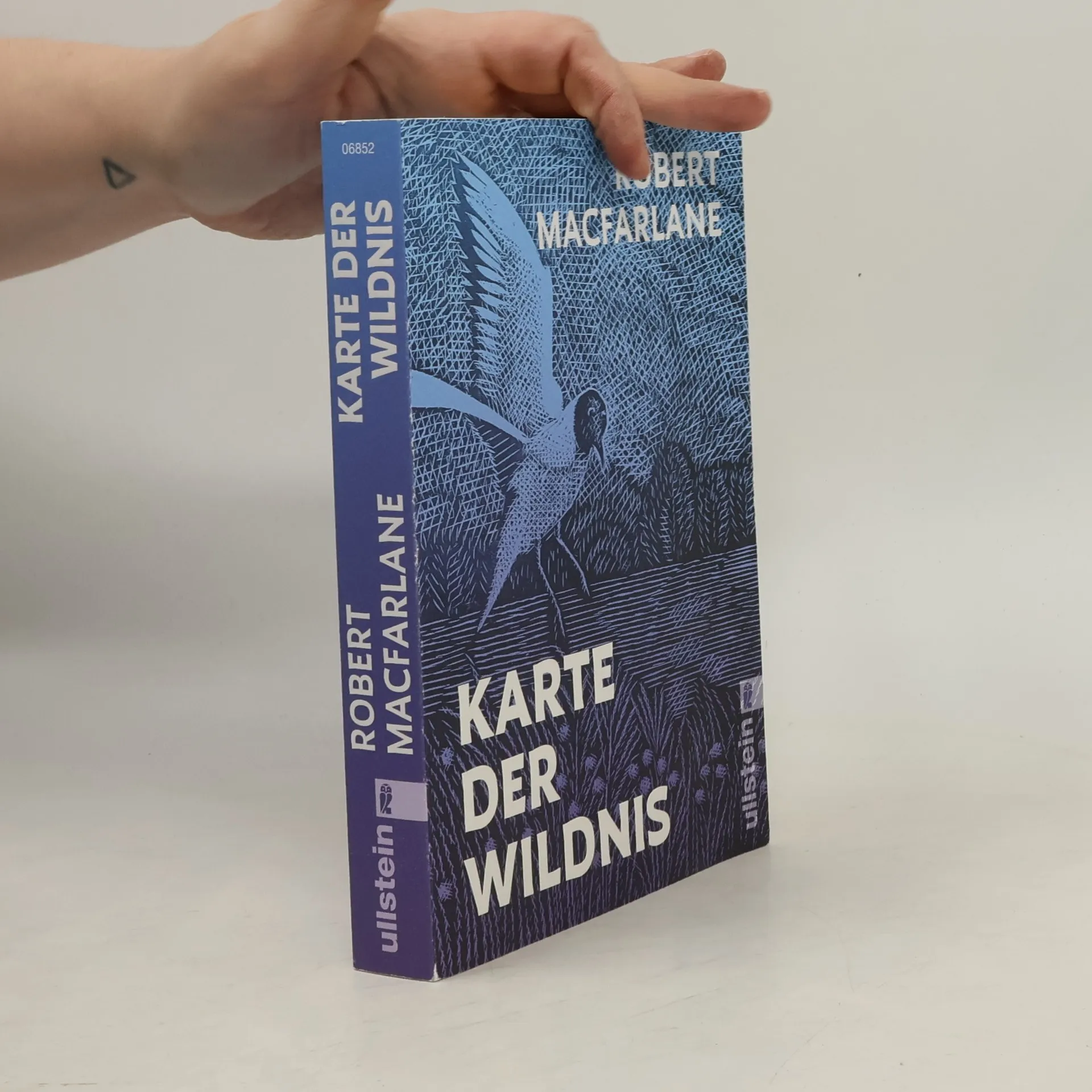
Karte der Wildnis
Eine literarische Suche nach den letzten unberührten Flecken Natur
- 304pages
- 11 heures de lecture
Wo gibt es heute noch Wildnis? Robert Macfarlanes Suche nach den letzten unberührten Flecken Natur wird zum lebendigen Streifzug. Er entdeckt abgelegene Inseln und verborgene Gebirge, durchwandert unwegsame Moore und undurchdringliche Wälder. Er schwimmt in brandender See und in stehenden Gewässern, erklimmt windumtoste Gipfel, schläft in Sandkuhlen. Und er begibt sich auf die Spuren derjenigen, die diese Orte vor ihm aufsuchten: Pilger und Philosophen, Forscher und Literaten. Eine sprachmächtige Einladung zum Staunen.
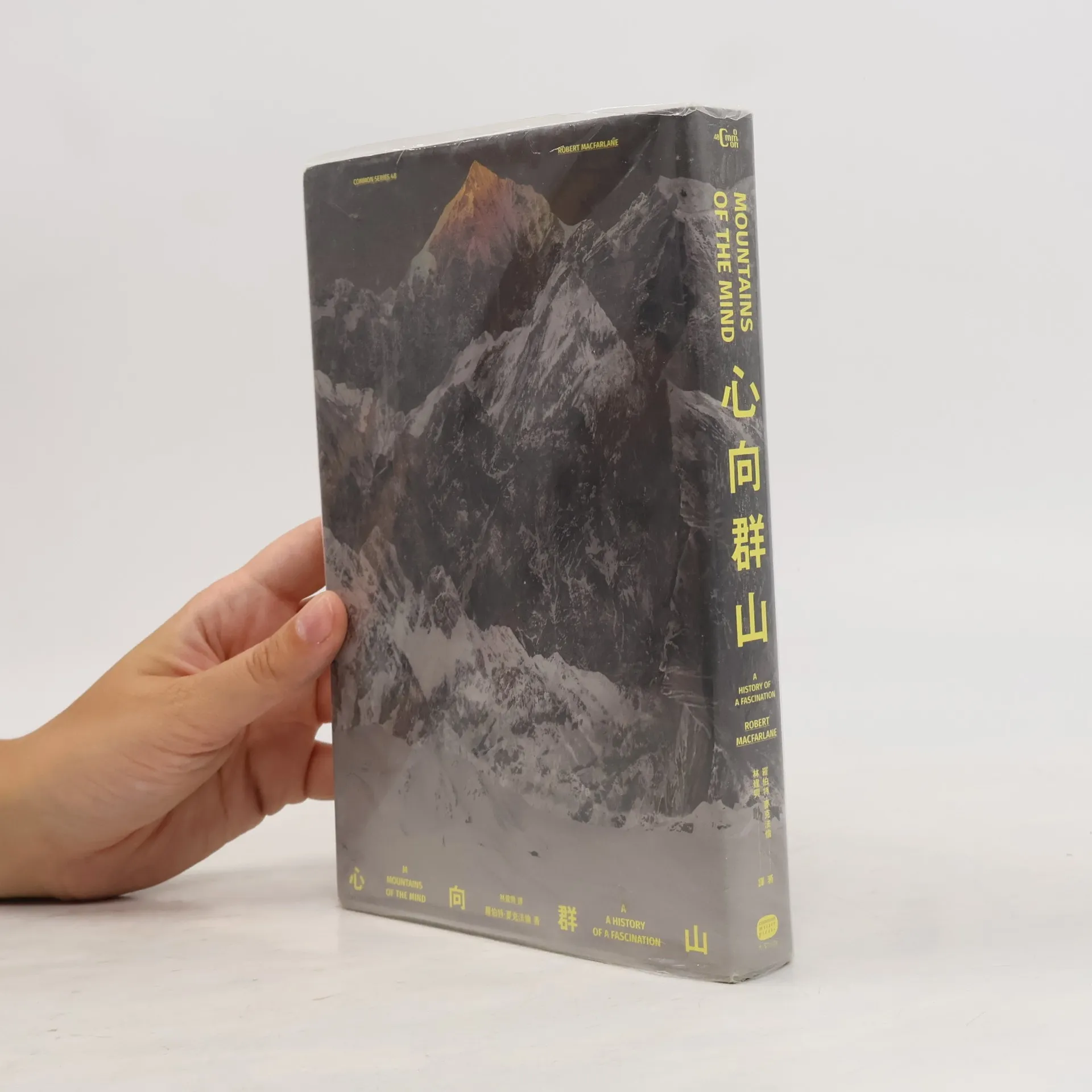
Common Series - 48: Mountains of the Mind / 心向群山
A History of a Fascination
- 72pages
- 3 heures de lecture
「山是所有自然風景的起點,同時也是終點。」這句話引出了羅伯特.麥克法倫的作品,探索人類對山的迷戀。1921年,馬洛里在聖母峰營地寫下對妻子的情感,幾天後卻在攀登過程中神秘消失。本書試圖解釋,為何如此強烈的愛慕會投注於一座冰雪岩石的巨物上,並探討為何許多人願意為山放棄一切,忍受痛苦。隨著文明的進步,越來越多的人追求登山的經歷,這引發了「為何登山?」的根本性問題。 人類的登山活動在近代才開始盛行,三百年前,攀登高山被視為精神錯亂。最初,人類因精神需求和對美的追求而開始攀登,山的吸引力讓無數人願意以身殉山。這股迷戀如何形成?高山的特質如何轉化為崇高的體驗?人類又為何對高處的恐懼上癮,追求本應避開的事物? 麥克法倫在個人經歷中領悟到,山的情感屬性源於人類的想像力。我們攀登的,不僅是實質的山,更是心中的山。這樣的探索讓我們更深入理解人類的內在風景和自我。
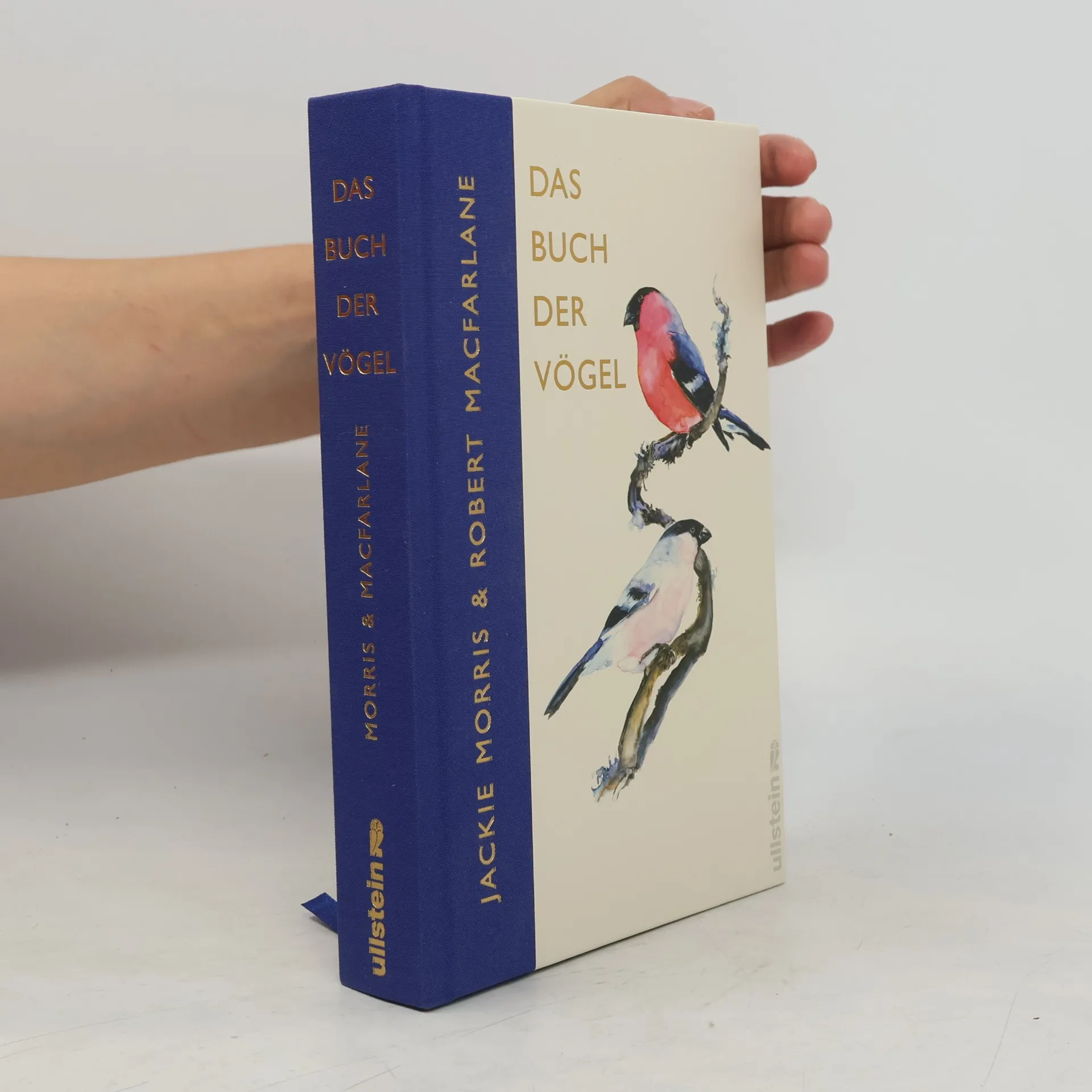
Weltweit sind immer mehr Vogelarten vom Aussterben bedroht. Unsere Morgendämmerungen und Frühlingstage werden von Jahr zu Jahr stiller. Ein nahezu unvorstellbarer Reichtum geht verloren. Es müsste nicht so sein – doch wir werden nicht schützen, was wir nicht lieben. Das Buch der Vögel ist ein Kompendium von neunundvierzig Vogelarten – vom mächtigen Fischadler über die Nachtigall bis zur Waldohreule –, die gegenwärtig in Europa bedroht sind oder deren Bestände stetig schwinden. Inspiriert von den klassischen Vogelkundebüchern, mit denen die Autoren aufgewachsen sind, ist dies ein Naturführer der besonderen Art. Er fragt nicht: "Was ist das für ein Vogel?", sondern: "Wer ist dieser Vogel?" Er zeigt seinen Lesern nicht nur, wie man Vögel bestimmt, sondern auch, wie man sich mit ihnen identifiziert. Ein faszinierendes Leseerlebnis, das die Wunder der Vogelwelt beeindruckend vor Augen führt und uns nachhaltig prägen wird.
Leuchtkäfer
- 32pages
- 2 heures de lecture
In Leuchtkäfer erzählt Robert Macfarlane in lyrischen Versen die einzigartige Geschichte eines Kindes auf der Suche nach der Sonne, das eine von Glühwürmchen erhellte Wiese entdeckt – »gefallene Sternbilder«, die im Sommergras tanzen und all seine Ängste in die Flucht schlagen. In so berührenden wie detaillierten Bildern ist jede Szene mit aufmerksamer Detailtreue dargestellt und zeigt die Kraft der Hoffnung in einer von Dunkelheit durchdrungenen Welt.
Berge im Kopf
Die Geschichte einer Faszination | Das literarische Debüt der Nature-Writing-Ikone
- 304pages
- 11 heures de lecture
Ob Naturwissenschaftler oder Abenteurer, ob Philosophen oder Poeten, sie alle versprachen sich in den eisigen, sauerstoffarmen Höhen unvergleichliche Erfahrungen und Erkenntnisse, für die es sein Leben zu riskieren lohnt: der Sog von Macht und Angst, das Gefühl von Erhabenheit und das Erleben fragiler Schönheit. In seinem preisgekrönten Debüt, das ihn schlagartig bekannt machte, folgt Robert Macfarlane den Vorstellungswelten der bisweilen fatalen Faszination, die Auftürmungen von Granit-, Basalt- und Kalksteinschichten bis heute in Menschen auslösen, sodass sie nichts anderes mehr als Berge im Kopf haben.