Bookbot

B. D. Hames

    Transcription and Translation
    RNA Processing
    Instant Notes in Biochemistry
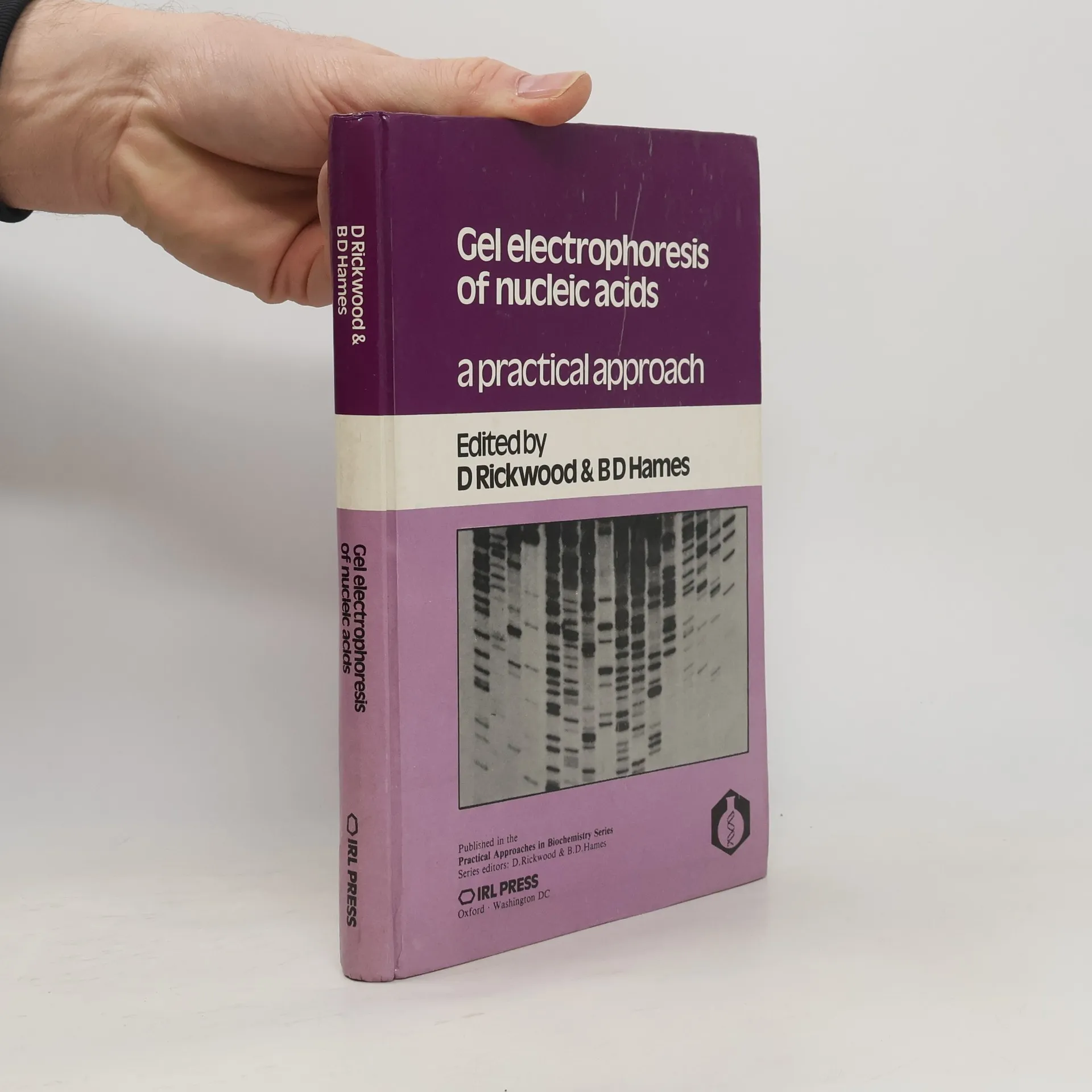
    Gel Electrophoresis of Nucleic Acids. A Practical Approach
    The Practical Approach Series: DNA and Protein Sequence Analysis
    PCR 2. A Practical Approach
    • PCR 2. A Practical Approach

      • 358pages
      • 13 heures de lecture

      PCR is now one of the most widely used of basic molecular biology techniques and is an indispensable research tool for the molecular biologist. The basic PCR technique provides the cornerstone for in vitro DNA amplification, upon which further features can be built to expand the range ofPCR-based applications. A Practical Approach Volume 2 is not a revised version of Practical Approach , but sets out to address some of the new and exciting applications of PCR including direct sequencing, mRNA quantitation and expression, genomic DNA mapping, and mutation analysis.

      PCR 2. A Practical Approach
      4,0
    • The Practical Approach Series: DNA and Protein Sequence Analysis

      A Practical Approach

      • 374pages
      • 14 heures de lecture

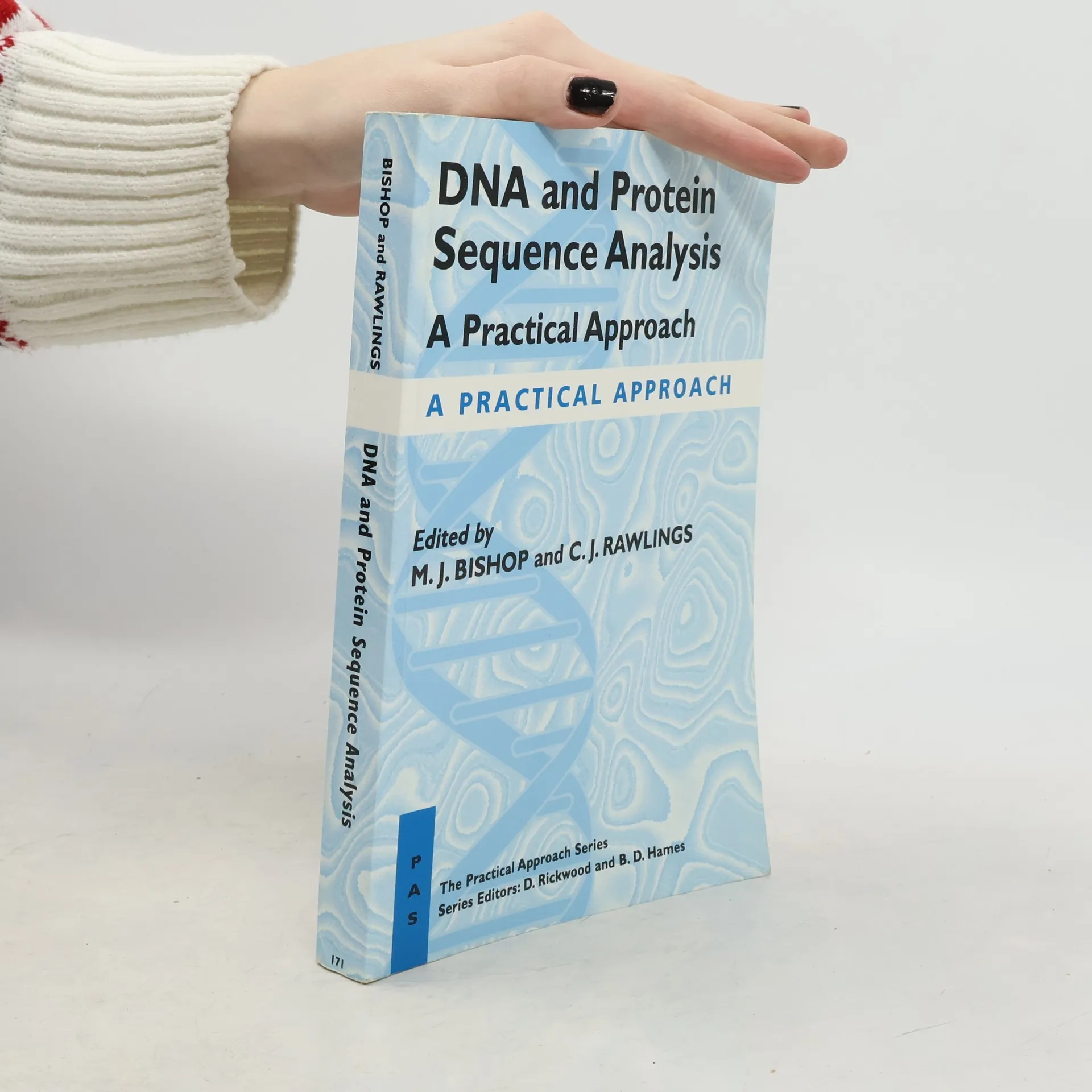
      Sequence data--either lists of nucleotides or of amino acids--are now easily gathered using automated equipment; the real effort is involved in interpreting the data to produce predictions of protein structure or function. With the advent of worldwide computer networks, a plethora of software is now available for sequence analysis. This book describes the techniques for computer analysis of sequence data, with the emphasis on general issues rather than specific algorithms. Unlike many books on these topics, which focus on the "how-to" aspects of software packages, this one places more emphasis on the science behind the packages and on interpretation of the results.

      The Practical Approach Series: DNA and Protein Sequence Analysis
      2,0
    • Instant Notes in Biochemistry

      • 380pages
      • 14 heures de lecture

      This is a major update of the highly popular second edition, with changes in the content and organisation that reflect advances in the subject. New and expanded topics include cytoskeleton, molecular motors, bioimaging, biomembranes, cell signalling, protein structure, and enzyme regulation. As with the first two editions, the third edition of Instant Notes in Biochemistry provides the essential facts of biochemistry with detailed explanations and clear illustrations.

      Instant Notes in Biochemistry
    • RNA Processing

      A Practical Approach volume I.

      • 232pages
      • 9 heures de lecture

      This two-volume set provides detailed practical guidance on all major aspects of RNA processing. Each procedure is clearly explained so that the reader can follow all of the key stages of a successful experimental investigation.

      RNA Processing
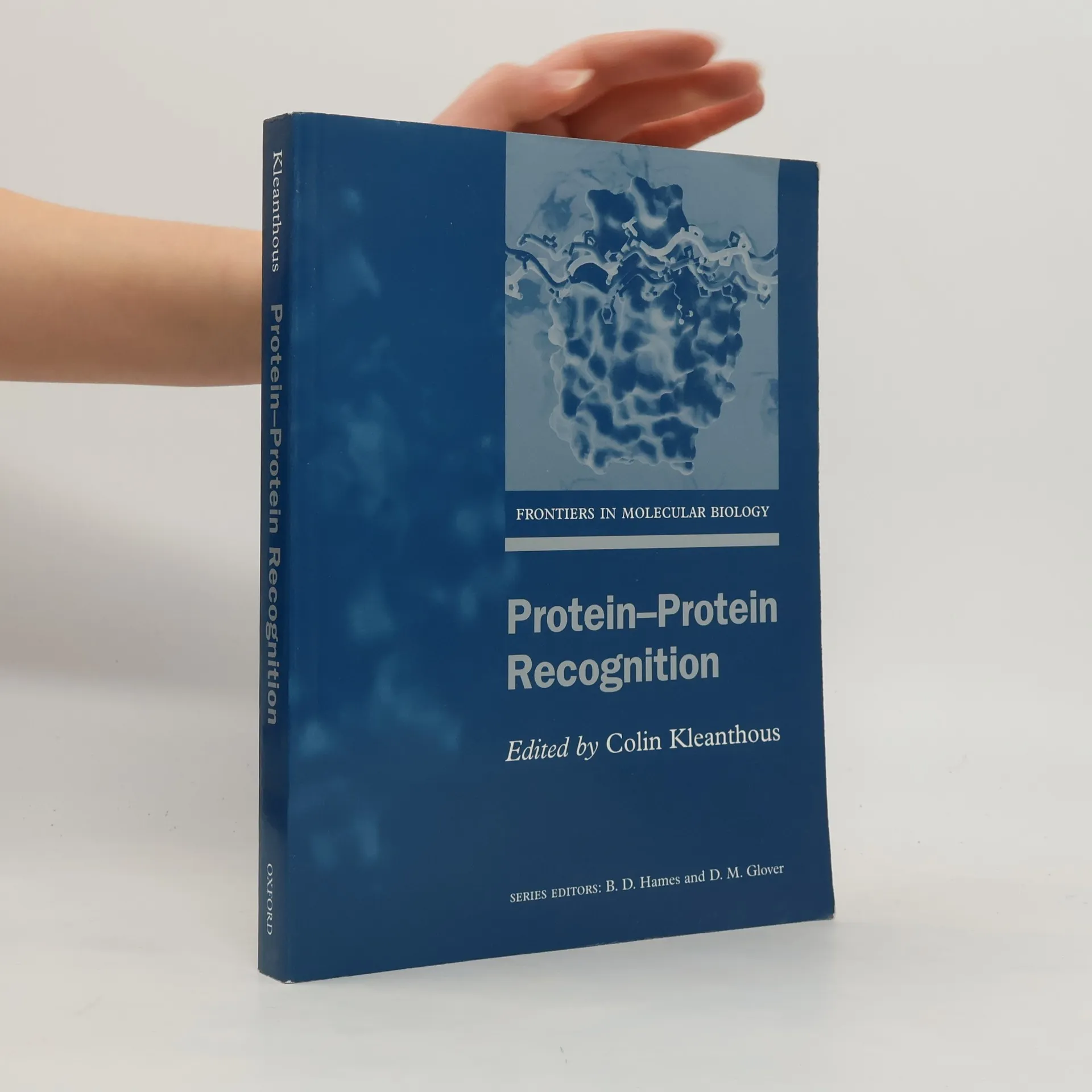
    • In the light of new information from the genome sequencing projects and the increase in structural information, this book brings together concepts and systems pertaining to protein-protein interactions in an examination of how and why proteins form complexes with each other. The emphasis of the text is on heteromeric complexes and uses well-studied model systems to explain the processes of forming complexes. There is an introductory section on the kinetics, thermodynamics, analysis, and classification of protein-protein interactions. Electron transfer proteins and integrin complexes represent weak affinity complexes. Anti-lysosomal antibodies, the MHC proteins and their interactions with T-cell receptors, and the protein interactions of eukaryotic signal transduction are the systems used to explain complexes with intermediate affinities. Throughout the book the common themes are the technologies which have had the greatest impact, how specificity is determined, how complexes are stabilized, and medical and industrial applications.

      Frontiers in Molecular Biology - 31: Protein-Protein Recognition
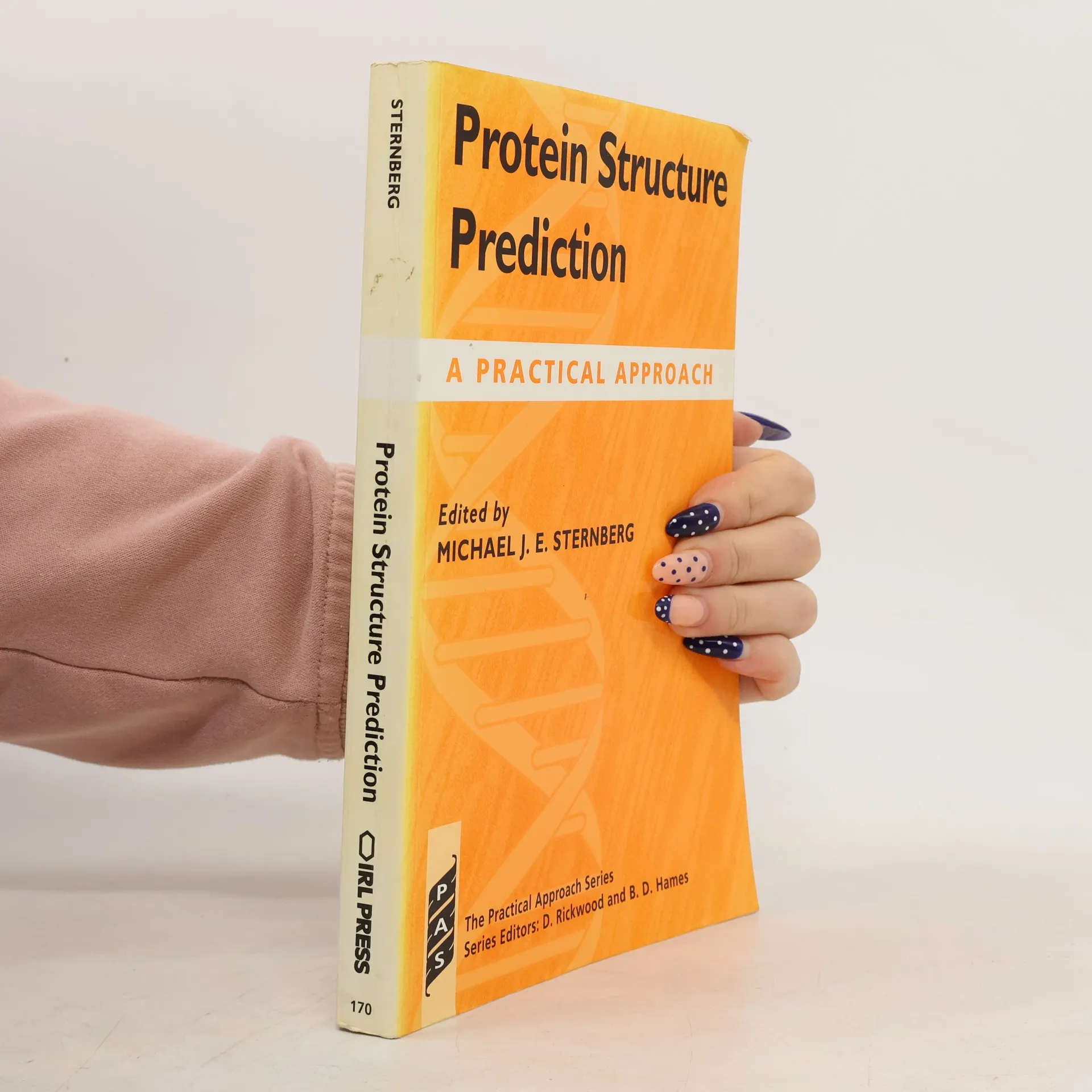
    • The Practical Approach Series - 170: Protein Structure Prediction

      A Practical Approach

      • 320pages
      • 12 heures de lecture

      The prediction of the three-dimensional structure of a protein from its amino acid sequence is a problem faced by an increasing number of biological scientists. This book provides a practical guide to making these predictions by reviewing strategies of different computer modeling algorithms and highlighting the degree of confidence attributed to them. Also in the volume are descriptions of the the principles of protein folding; sequence homology and motif searches; prediction of secondary structure; homology modeling; modeling of antibody combining sites; tertiary fold recognition; modeling of transmembrane proteins; ab initio prediction; protein-ligand docking simulations; and the use of molecular mechanics and dynamics. both non-specialists who require guidance to identify and evaluate appropriate strategies and experts who require a contemporary view of the field, will find this volume a worthy addition to their research libraries.

      The Practical Approach Series - 170: Protein Structure Prediction
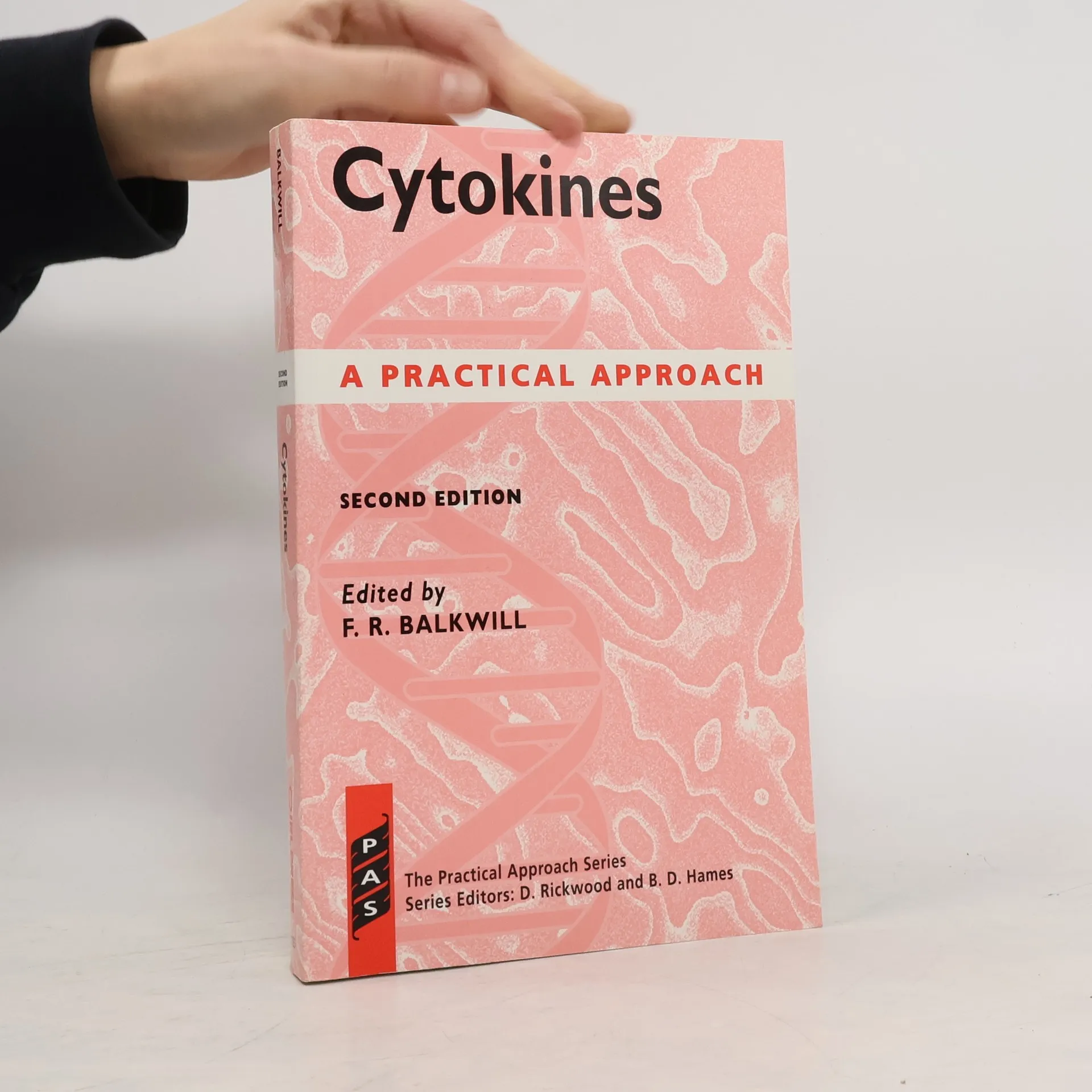
    • The Practical Approach Series: Cytokines

      A Practical Approach - Second Edition

      • 456pages
      • 16 heures de lecture

      Cytokines are important mediators of immunity, inflammation, and cell growth and are relevant to many areas of biomedical research. This book, now in its second edition, provides detailed up-to-date practical information for the study of cytokines and their receptors, including guides to manyof the most useful current techniques in cell and molecular biology, immunology, and biochemistry. In all it contains 184 protocols, providing a comprehensive resource for researchers in many disciplines of biomedical research. This book will be essential for graduate students, researchers andprofessionals in immunology, infectious diseases, autoimmunity, oncology and biomedical research.

      The Practical Approach Series: Cytokines
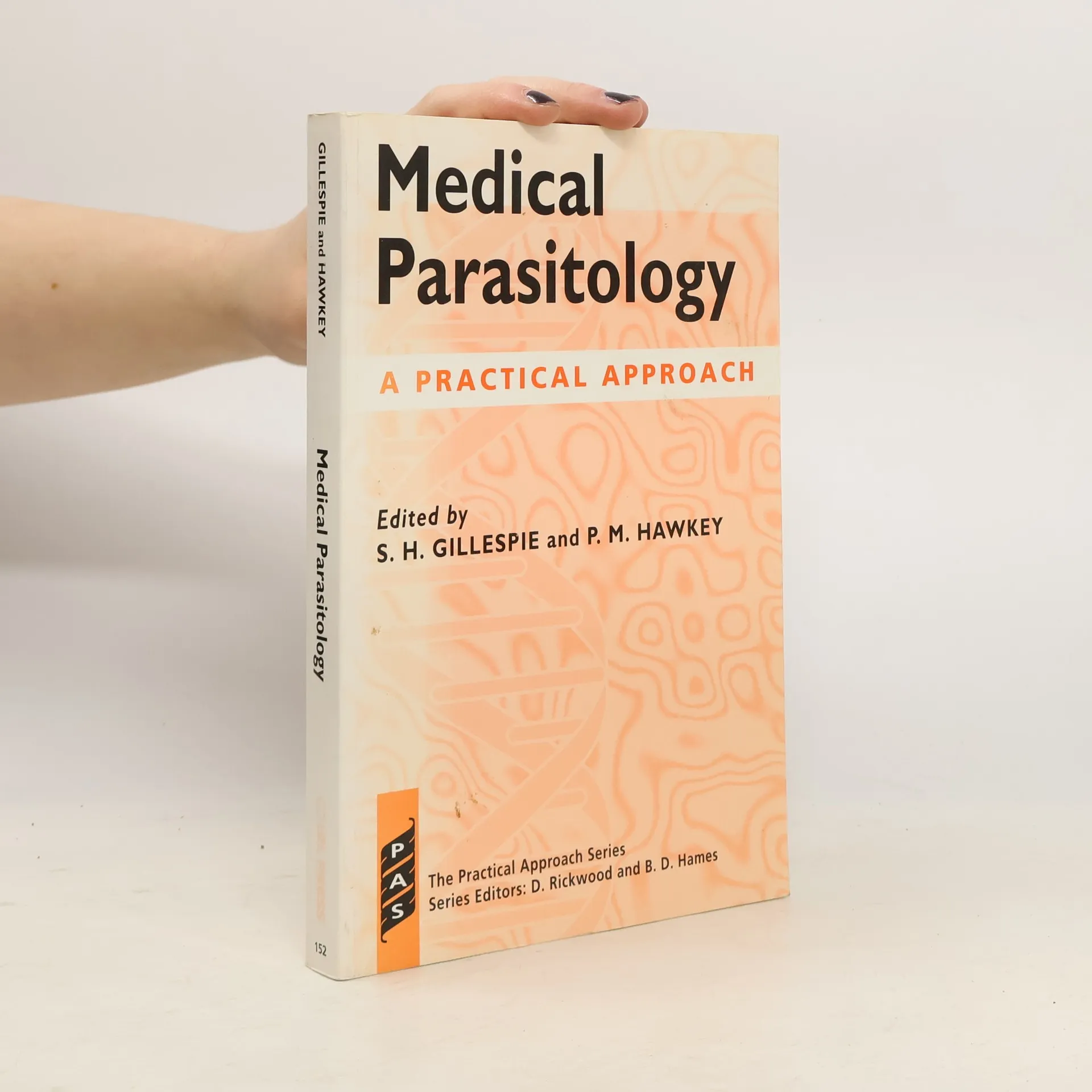
    • The Practical Approach Series: Medical Parasitology

      A Practical Approach

      • 314pages
      • 11 heures de lecture

      The last ten years have seen an increase in travel to tropical countries and, as a consequence, infections such as malaria and schistosomiasis are more common. It is therefore essential that physicians, microbiologists, and scientists are familiar with the diagnosis of these parasitic diseases. There is a growing recognition of the importance of "temperate" parasites, and this has been emphasized by the HIV epidemic.This book is a practical manual for use in both routine diagnostic microbiology laboratories and more specialists laboratories diagnosing human parasites. All of the major groups of parasites are dealt with in individual chapters which include detailed protocols and recommendation for the diagnosis of infections caused by those parasites, together with color and black and white illustrations. The authors provide information and practical guidance appropriate for both the developed and developing world. This informative new book will be of great use to clinical pathologists, laboratory technicians, and students and researchers in tropical medicine.

      The Practical Approach Series: Medical Parasitology