Wortfächer - Eigentlich ist es immer Zeit
Psychoanalyse für den Alltag



Psychoanalyse für den Alltag
Künstlerpaar trifft Jeannette Fischer
Wolfgang Beltracchi ist eine Ausnahmeerscheinung der internationalen Kunstwelt und untrennbar mit einer der größten Erschütterungen des globalen Kunstmarktes verbunden. Er entwickelte und malte neue Bilder in der Handschrift zahlreicher weltbekannter Künstler, setzte deren gefälschte Signatur darunter und seine Ehefrau Helene Beltracchi schleuste die Werke in den Kunstmarkt. Viele Experten wurden von Beltracchis handwerklichem Können getäuscht, während Auktionshäuser in einem unersättlichen Marktumfeld Zweifel beiseite schoben und die Gemälde als authentische Werke verkauften. Die Fähigkeit, die künstlerische Handschrift eines Malers zu lesen, erfordert außergewöhnliches Einfühlungsvermögen, bis man "das Empfinden des anderen empfinden" kann, so Beltracchi. In ausführlichen Gesprächen mit dem Maler und seiner Gattin hat die Psychoanalytikerin Jeannette Fischer diese Fähigkeit bei Beltracchi untersucht. In ihrem neuen Buch stellt sie diese in Verbindung mit dem Verschwinden von Beltracchis eigener Signatur. Wie in ihrem früheren erfolgreichen Buch über Marina Abramović schafft Jeannette Fischer ein äußerst einsichtsreiches Porträt einer faszinierenden Künstlerpersönlichkeit.
Jeannette Fischer untersucht, was zu Hass und hasserfüllten Handlungen führt. Hass gegen andere beginnt als Selbsthass. Dieser hat wiederum seine Ursache in Schuldgefühlen, die bereits in der Kindheit in uns ausgelöst wurden. Um dies zu veranschaulichen, verwendet die Autorin Beispiele wie den schrecklichen Amoklauf von Anders Breivik im Jahr 2011 und die Entscheidung eines jungen Kanadiers, sich dem IS anzuschließen. Das Narrativ von Opfer/Täter und Schuld/Unschuld ist ein dominantes Muster in unserem Handeln und Diskurs; wir sind von ihm gefangen. Und es zeigt sich nicht nur auf persönlicher Ebene, sondern auch in sozialen und politischen Interaktionen. Wir können Hass nicht beseitigen, indem wir ihn verurteilen, verabscheuen oder sogar hassen. Veränderung geschieht nur, indem wir den Teufelskreis verlassen und klar machen, was zu seiner Entstehung führt.
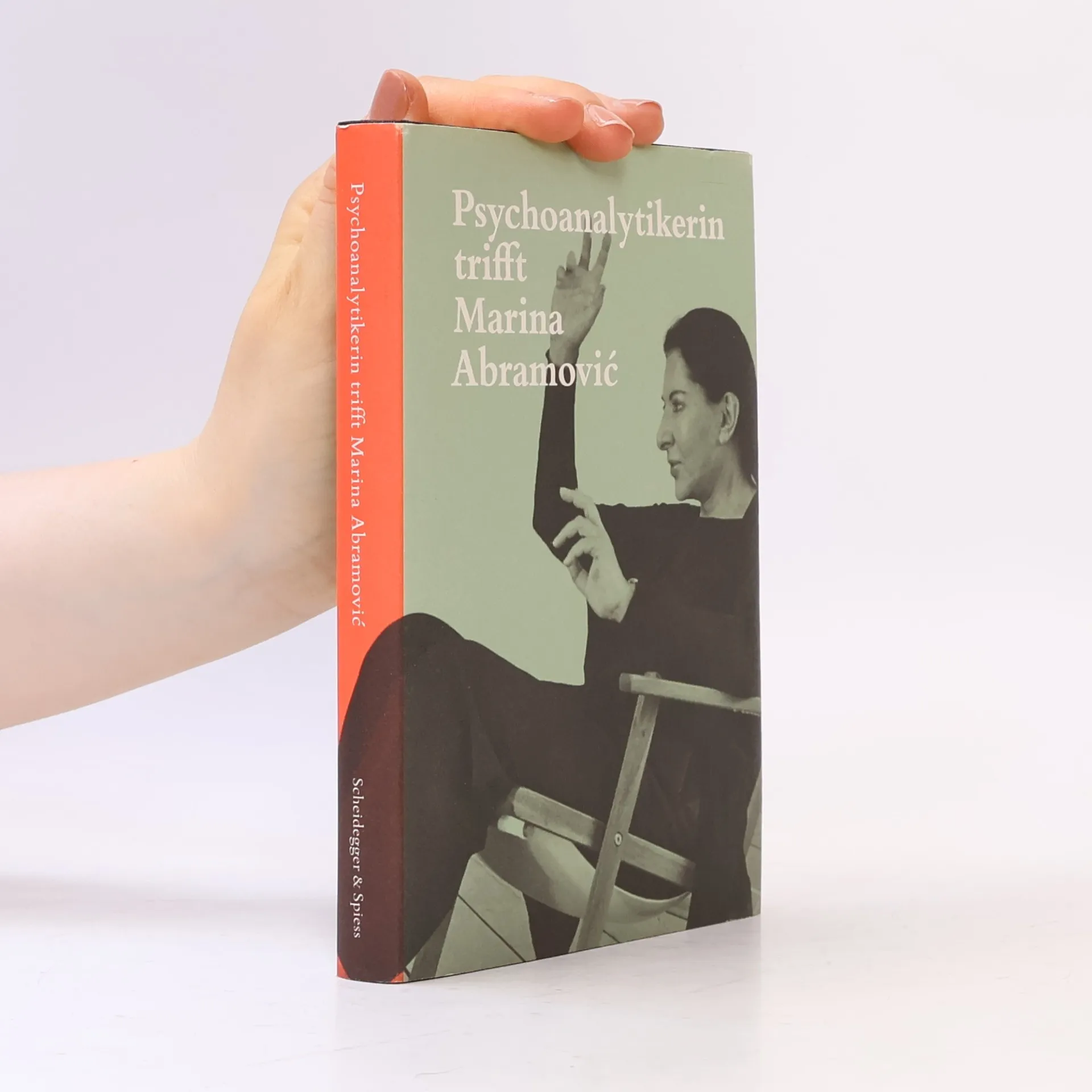
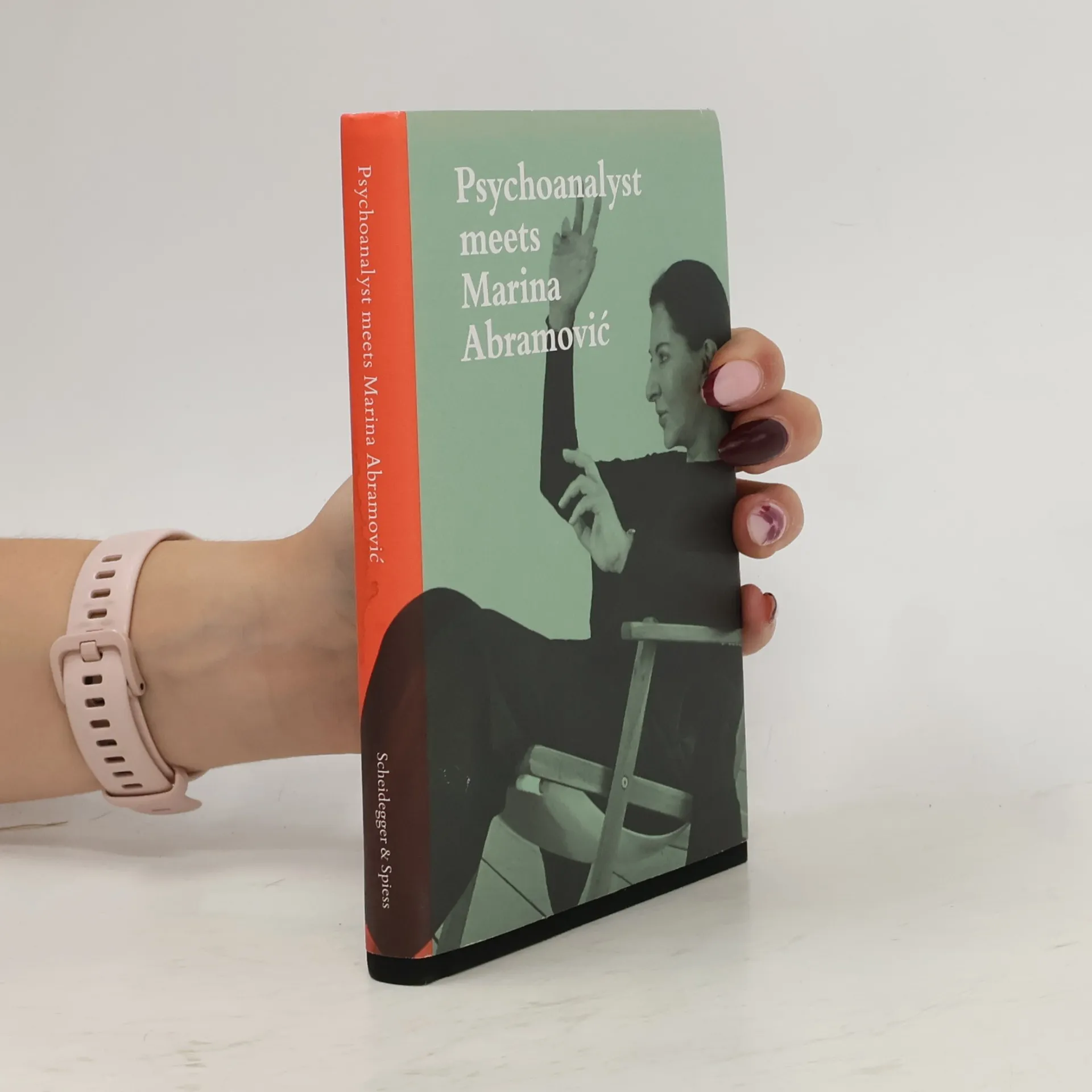
In summer 2015, famous performance artist Marina Abramović and psychoanalyst Jeannette Fischer spent four days together at Abramović’s house in the Hudson Valley. Associating freely, they took a psychoanalytical perspective for a lengthy exploration of Abramović’s biography and art and their interrelation. Abramović went into this discussion in hopes of reaching a better understanding of herself, her personality, and her work. Conversations with artists are widely available, she notes, but a chance to use psychoanalysis to put an artist’s life and work in context is much more rare. The resulting book is neither a therapist’s report nor a Fischer’s analysis of Abramović. Rather, it is a search for understanding conducted by the pair, looking for the structures and dynamics that underlie Abramović’s life and art. The dialogues are presented along with Fischer’s comments on them and images of some of Abramović’s performances that are referred to in the discussion.
Based largely on four days of conversations between the artist and the psychoanalyst, the book includes excerpts from those conversations