Spontaneous Particulars
- 80pages
- 3 heures de lecture
Originally a cloth coedition with the Christine Burgin Gallery, this rapturous hymn to discoveries and archives is now a paperback


L'œuvre de Susan Howe explore l'interaction complexe du langage, de l'histoire et de la spiritualité, examinant souvent les recoins négligés de la tradition littéraire américaine. Elle est célèbre pour son approche expérimentale de la forme, tissant poésie, essais et fragments historiques pour exhumer des voix réduites au silence. L'écriture de Howe défie les récits conventionnels, incitant les lecteurs à reconsidérer la manière dont le passé est construit et comment il résonne dans le présent. Sa perspective unique offre une profonde méditation sur le pouvoir durable du langage et de la mémoire.

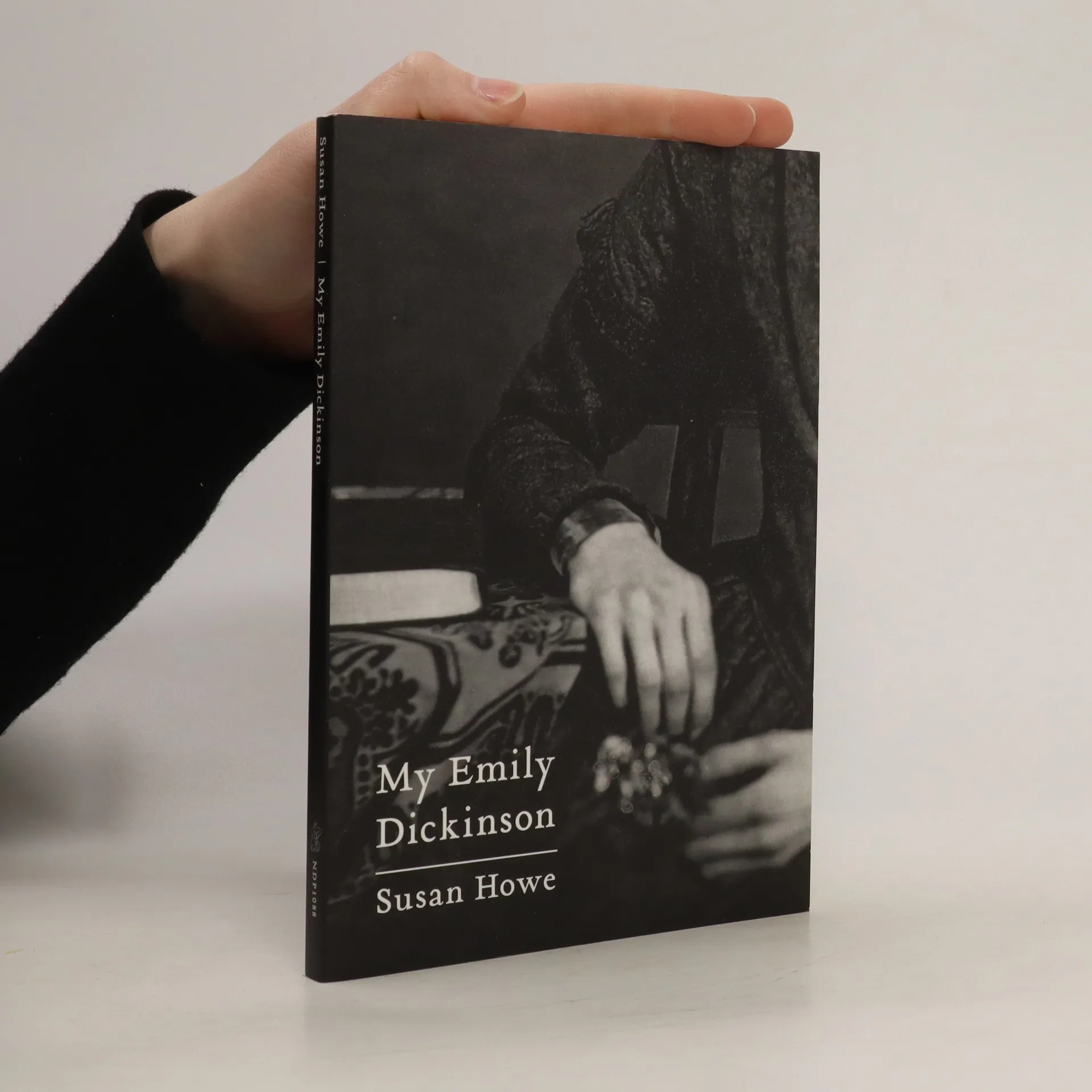
Originally a cloth coedition with the Christine Burgin Gallery, this rapturous hymn to discoveries and archives is now a paperback
"Starts off as a manifesto but becomes richer and more suggestive as it develops." The New York Sun"
A new poetry book by Susan Howe is always an event “Only artworks are capable of transmitting chthonic echo-signals,” Susan Howe has said. In Concordance , she has created a fresh body of work transmitting vital signals from a variety of archives. “Since,” a semi-autobiographical prose-poem, opens the concerned with first and last things, meditating on the particular and peculiar affinities between law and poetry, it ranges from the Permian time of Pangea through Rembrandt and Dickinson to the dire present. “Concordance,” a collage poem originally published as a Grenfell Press limited edition, springs from slivers of poetry and marginalia, cut from old concordances and facsimile editions of Milton, Swift, Herbert, Browning, Dickinson, Coleridge, and Yeats, as well as from various field guides to birds, rocks, and the collages’ “rotating prisms” form the heart of the book. The final poem, “Space Permitting,” is collaged from drafts and notes Thoreau sent to Emerson and Margaret Fuller's friends and family in Concord while on a mission to recover her remains from the shipwreck on Fire Island. The fierce ethic of salvage in these three very different pieces expresses the vitalism in words, sounds, syllables, the telepathic spirit of all things singing into air.