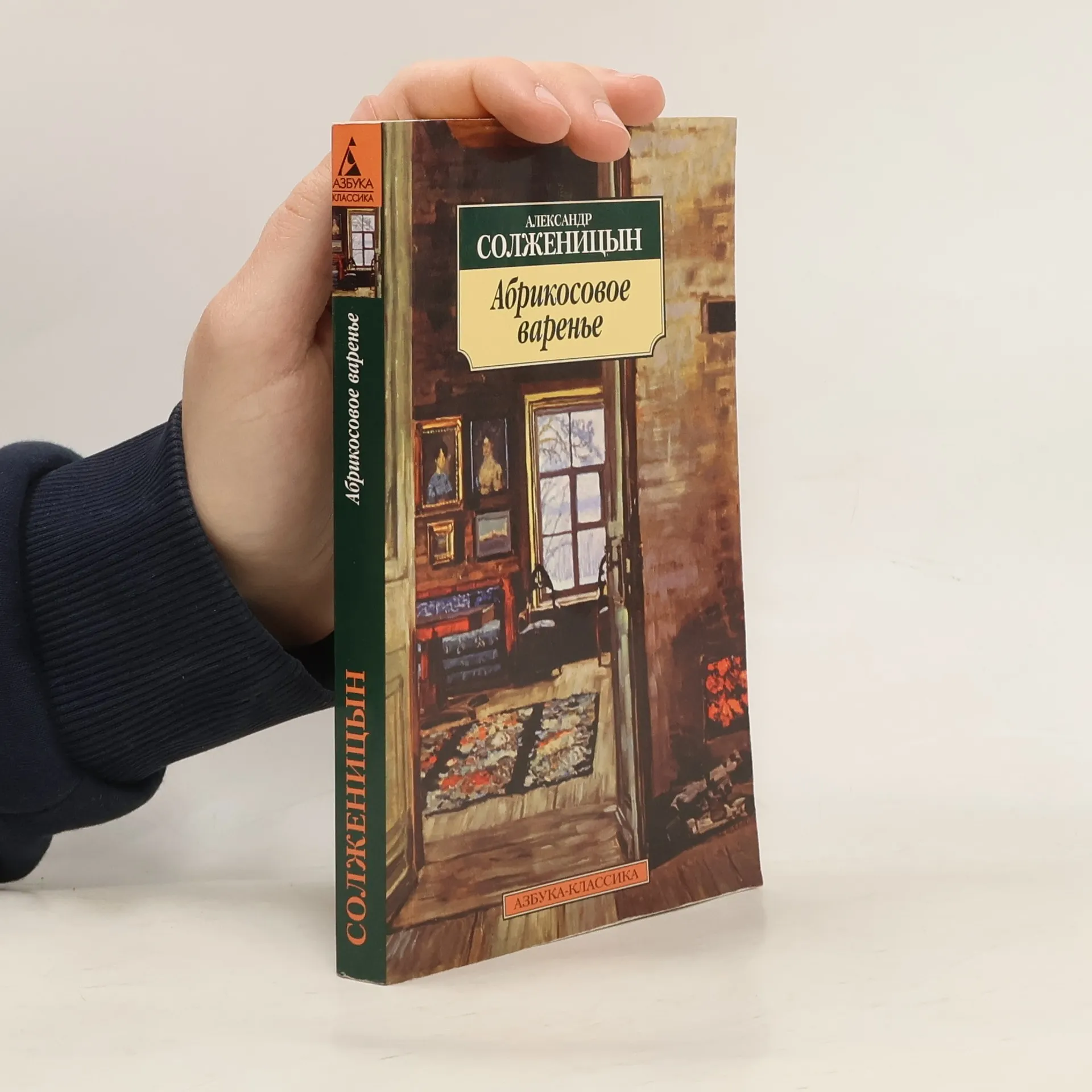
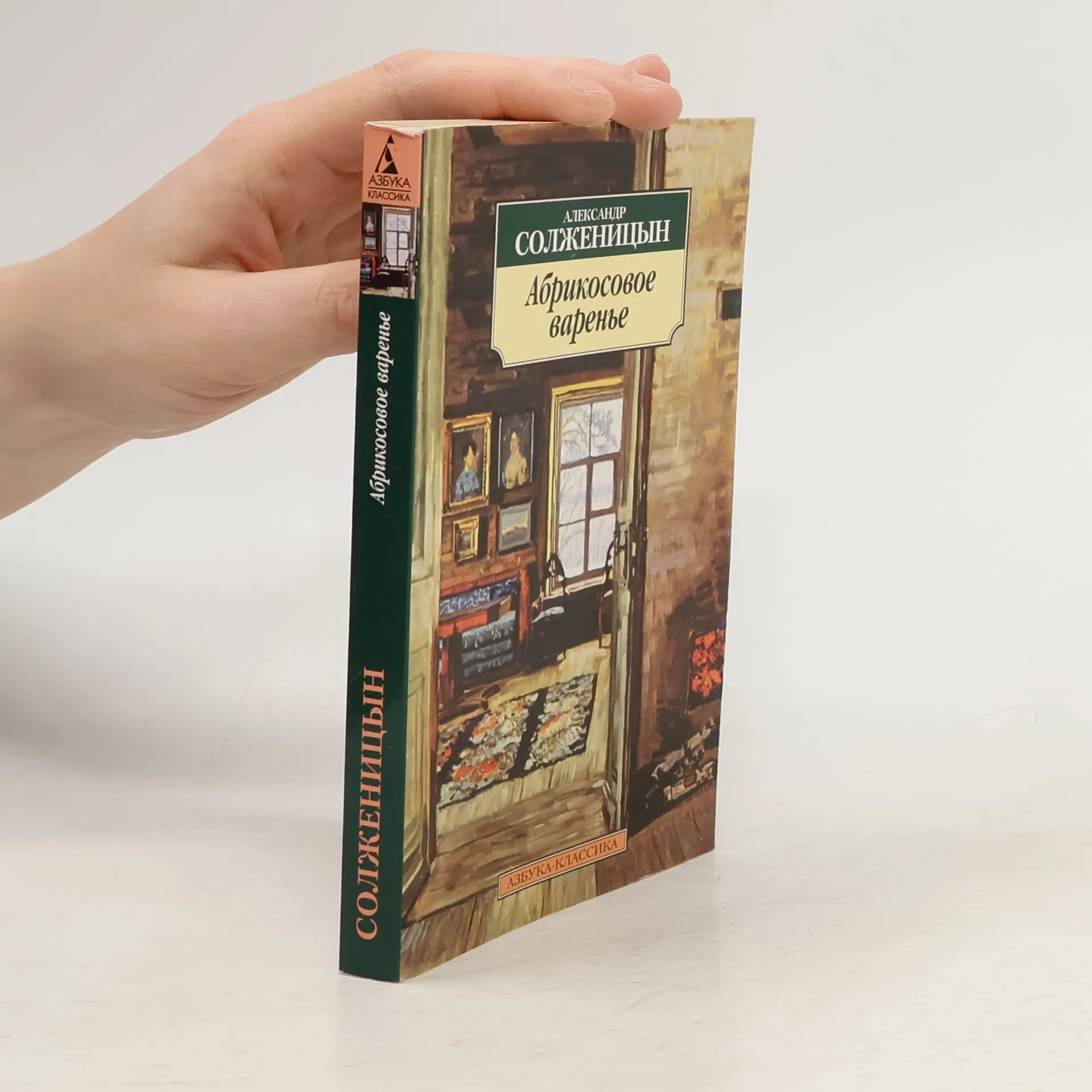
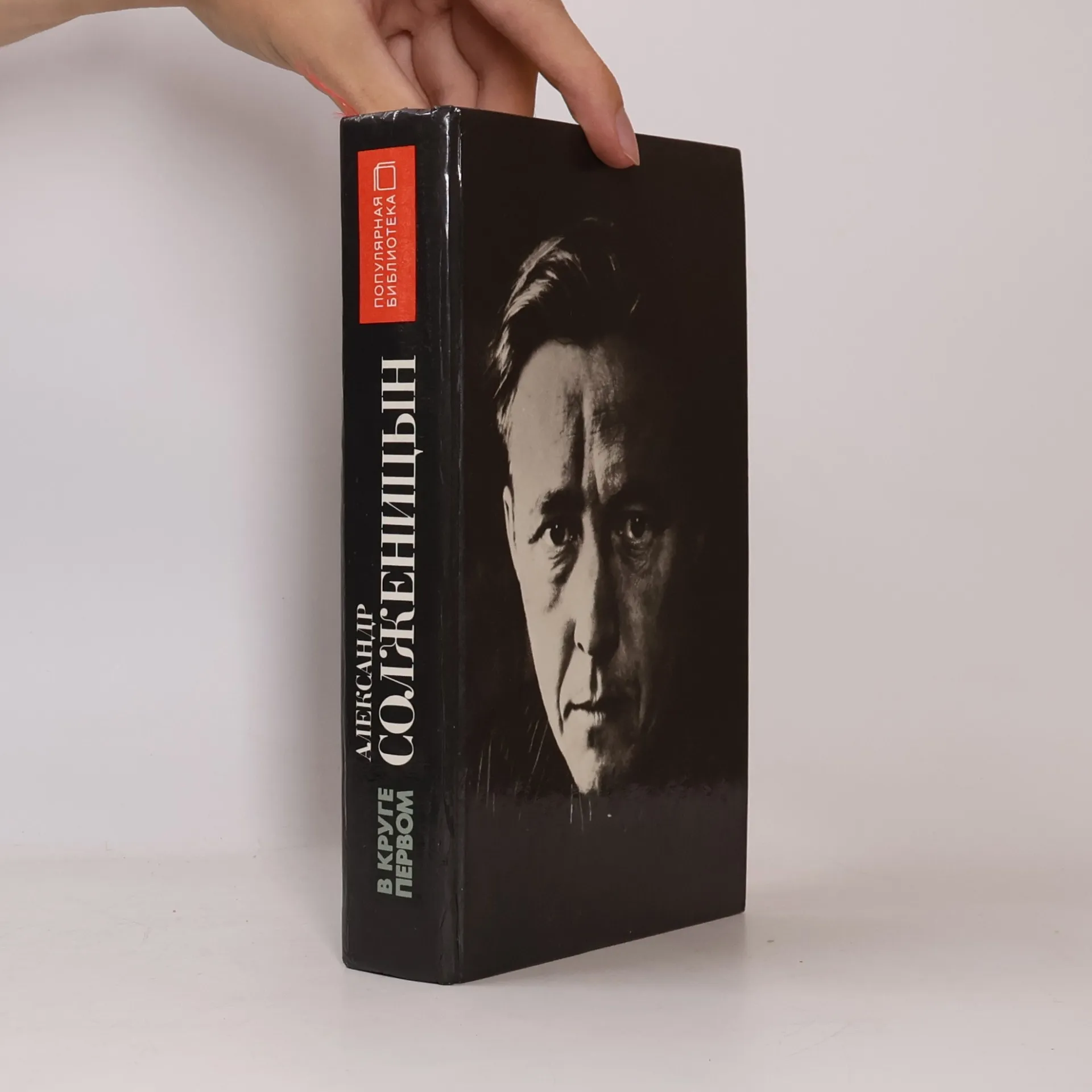
Абрикосовое варенье
- 365pages
- 13 heures de lecture
Содерж.: Адлиг Швенкиттен : повесть ; двучастные рассказы: Эго ; На краях ; Молодняк ; Настенька ; Абрикосовое варенье ; Все равно ; На изломах ; Желябугские выселки ; Крохотки


Aleksandr Soljenitsyne était un romancier, dramaturge et historien russe dont les écrits ont contribué à faire connaître au monde la réalité sombre du système soviétique de camps de travaux forcés, le Goulag. Ses œuvres, caractérisées par une honnêteté brute et une profonde dimension morale, exposent les destins tragiques des individus sous un régime totalitaire. Par ses efforts littéraires, Soljenitsyne est devenu une voix pour les opprimés, et son héritage durable témoigne de la résilience humaine et de la quête de liberté.






Содерж.: Адлиг Швенкиттен : повесть ; двучастные рассказы: Эго ; На краях ; Молодняк ; Настенька ; Абрикосовое варенье ; Все равно ; На изломах ; Желябугские выселки ; Крохотки
Содерж.: Адлиг Швенкиттен : односуточная повесть ; Двучастные рассказы, 1993-1998: Эго ; На краях ; Молодняк ; Настенька ; Абрикосовое варенье ; Все равно ; На изломах ; Желябугские выселки ; Крохотки, 1996-1999
Drawing on his own experiences before, during, and after his 11 years of incarceration and exile, Solzhenitsyn reveals with torrential narrative and dramatic power the entire apparatus of Soviet repression. Through truly Shakespearean portraits of its victims, we encounter the secret police operations, the labor camps and prisons, the uprooting or extermination of whole populations. Yet we also witness astounding moral courage, the incorruptibility with which the occasional individual or a few scattered groups, all defenseless, endured brutality and degradation. Solzhenitsyn's genius has transmuted this grisly indictment into a literary miracle.
Volume 3 of the gripping epic masterpiece, Solzhenitsyn's moving account of resistance within the Soviet labor camps and his own release after eight years
Volume 1 of the gripping epic masterpiece, Solzhenitsyn's chilling report of his arrest and interrogation, which exposed to the world the vast bureaucracy of secret police that haunted Soviet society
Volume 2 of the gripping epic masterpiece, The story of Solzhenitsyn's entrance into the Soviet prison camps, where he would remain for Nearly a decade
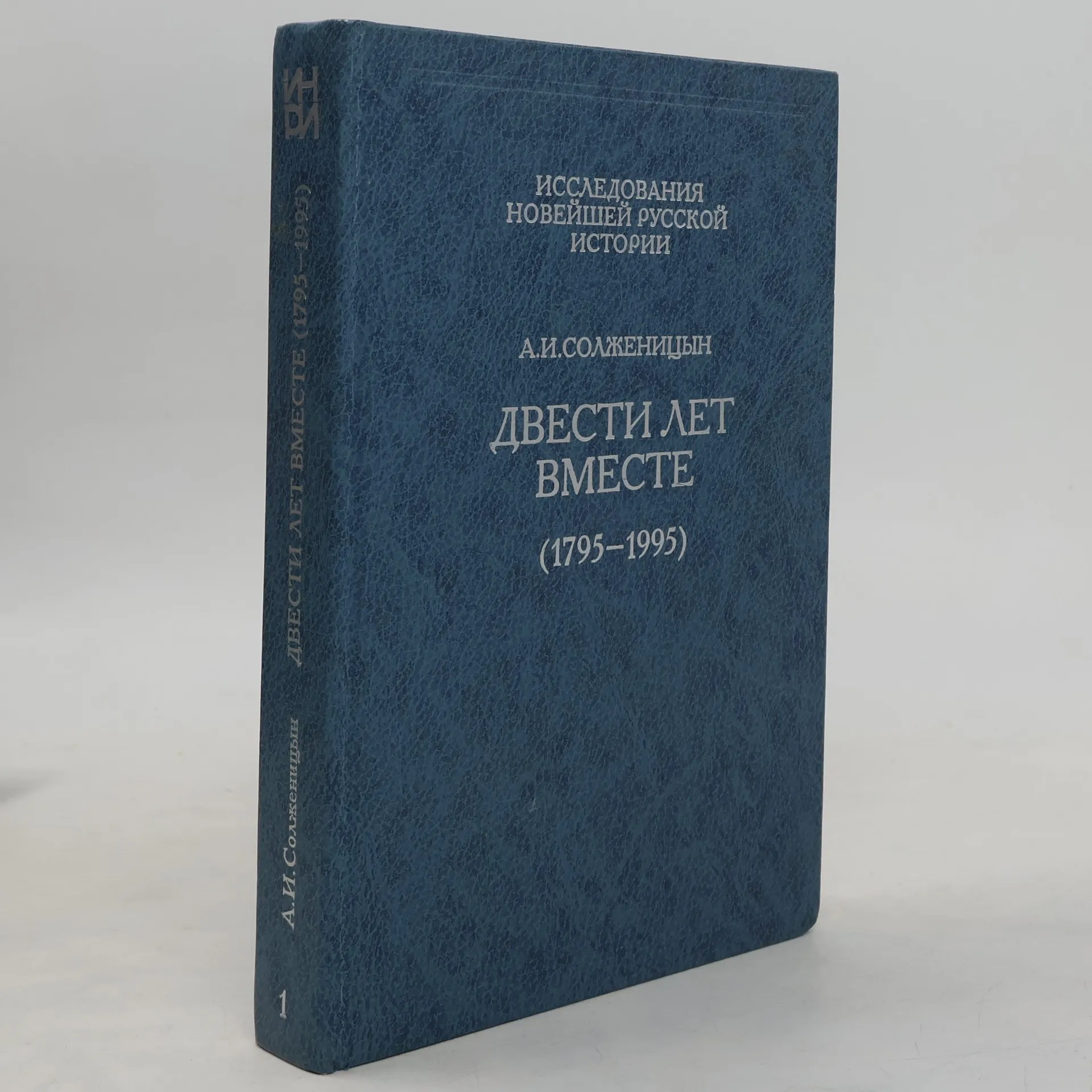
«Двести лет вместе (1795—1995)» — литературно-историческое исследование А. И. Солженицына, посвящённое русско-еврейским отношениям в Российской империи и СССР в период между 1795 и 1995 годами. Первая часть охватывает период с 1795 по 1916 год, вторая — с 1917 года до конца XX века.
The United States and the Making of the Modern World: Essays from 75 Years of Foreign Affairs
Since its founding in 1922, Foreign Affairs has established itself as the premier journal of international relations, offering profound commentary on global politics and economic policy. America's significant role in world events—military, political, economic, and ideological—has been central to discussions within its pages. Notably, it was here that George Kennan introduced the containment policy, shaping U.S. Cold War strategy. The journal has hosted debates among statesmen-scholars like Henry Kissinger and Arthur Schlesinger on critical issues such as nuclear weapons and human rights, while journalists like Walter Lippmann and James Reston have provided insightful analyses of American foreign policy. Thinkers like Isaiah Berlin and Samuel Huntington have explored the evolving dynamics of the world. In The American Encounter , readers will discover landmark essays that reflect a unique intellectual history of the past century and America's extraordinary influence within it. This collection stands apart, as there is no other publication like Foreign Affairs . The American Encounter serves as a vital connection to historical giants—visionaries whose insights and warnings resonate today, enhancing our understanding of America's role on the global stage.
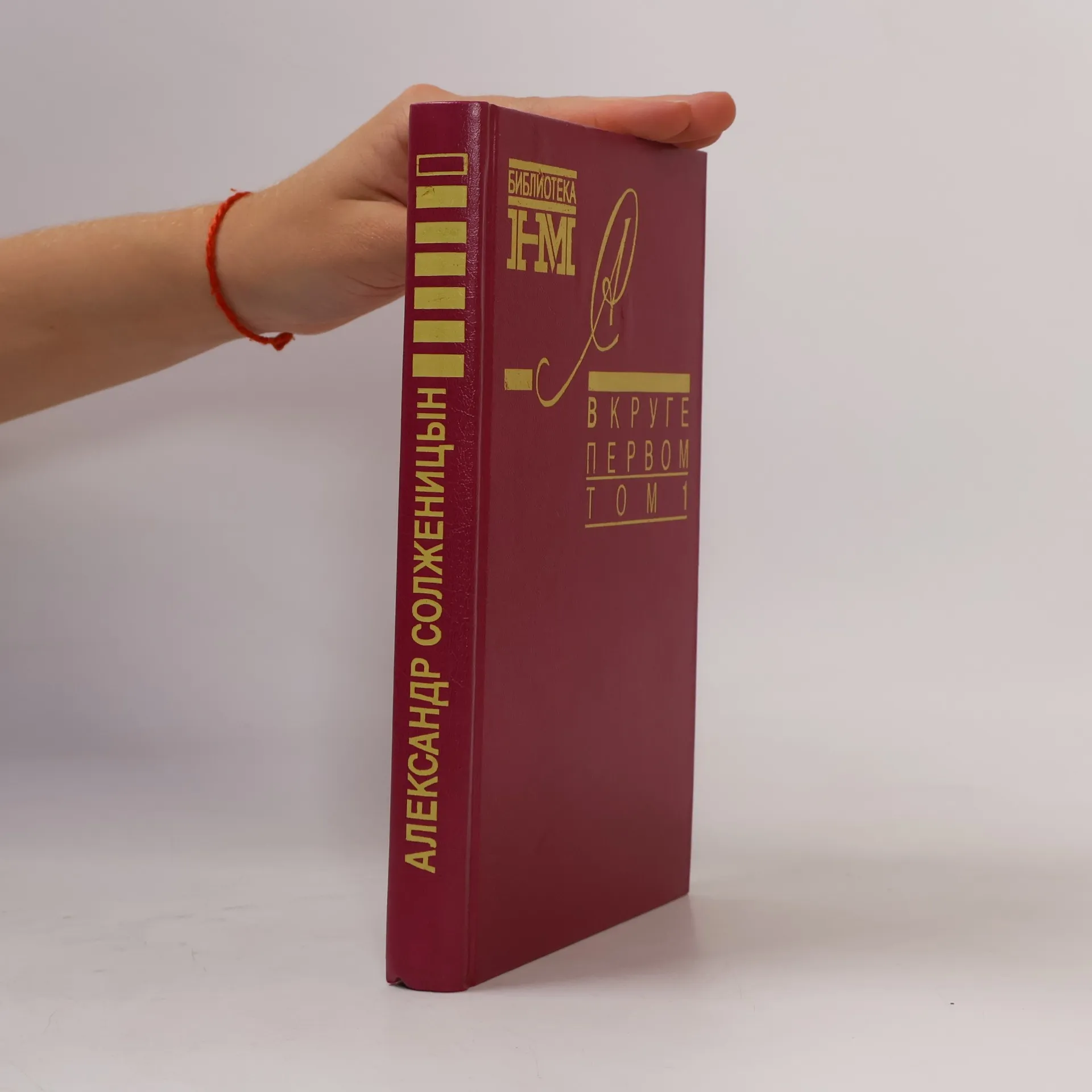
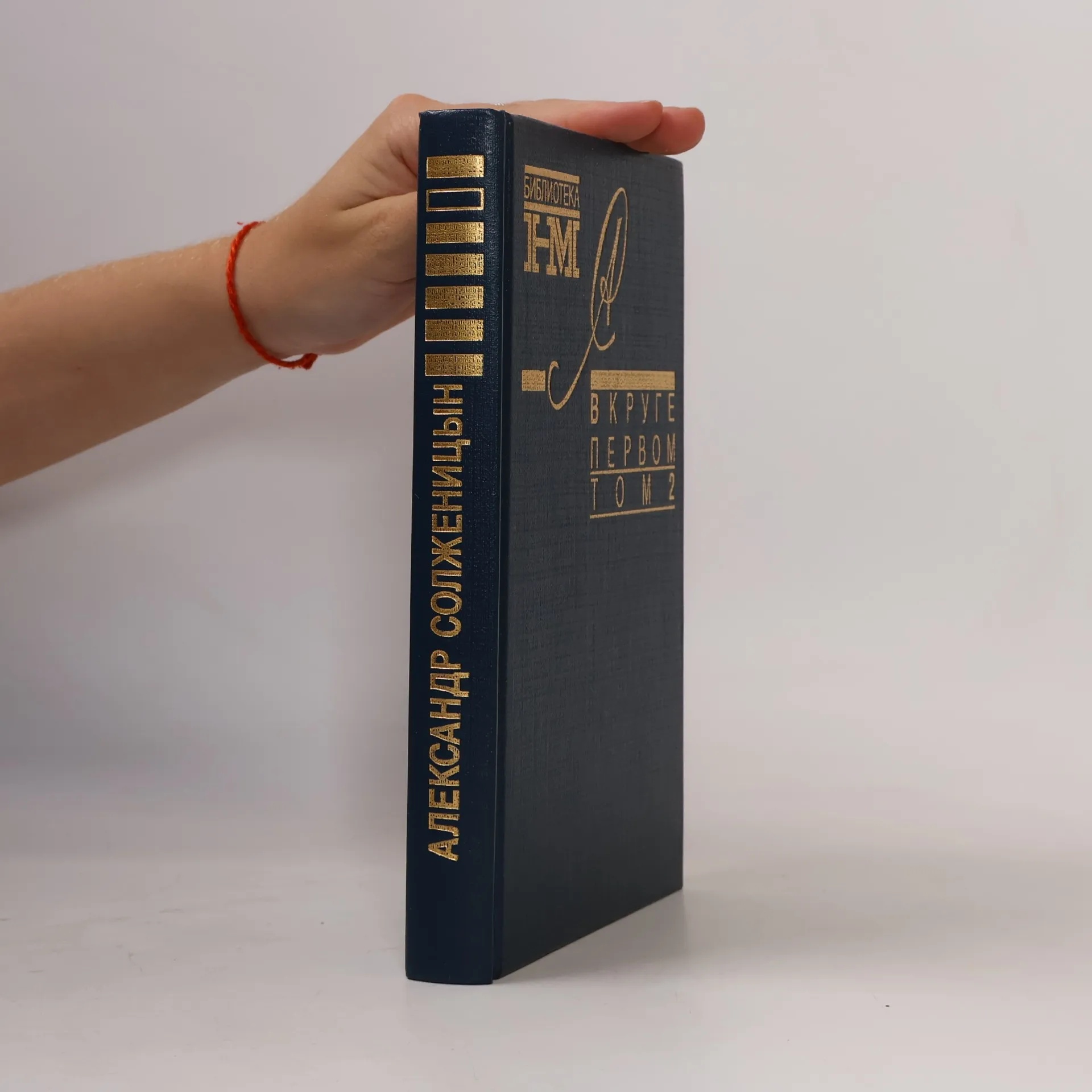
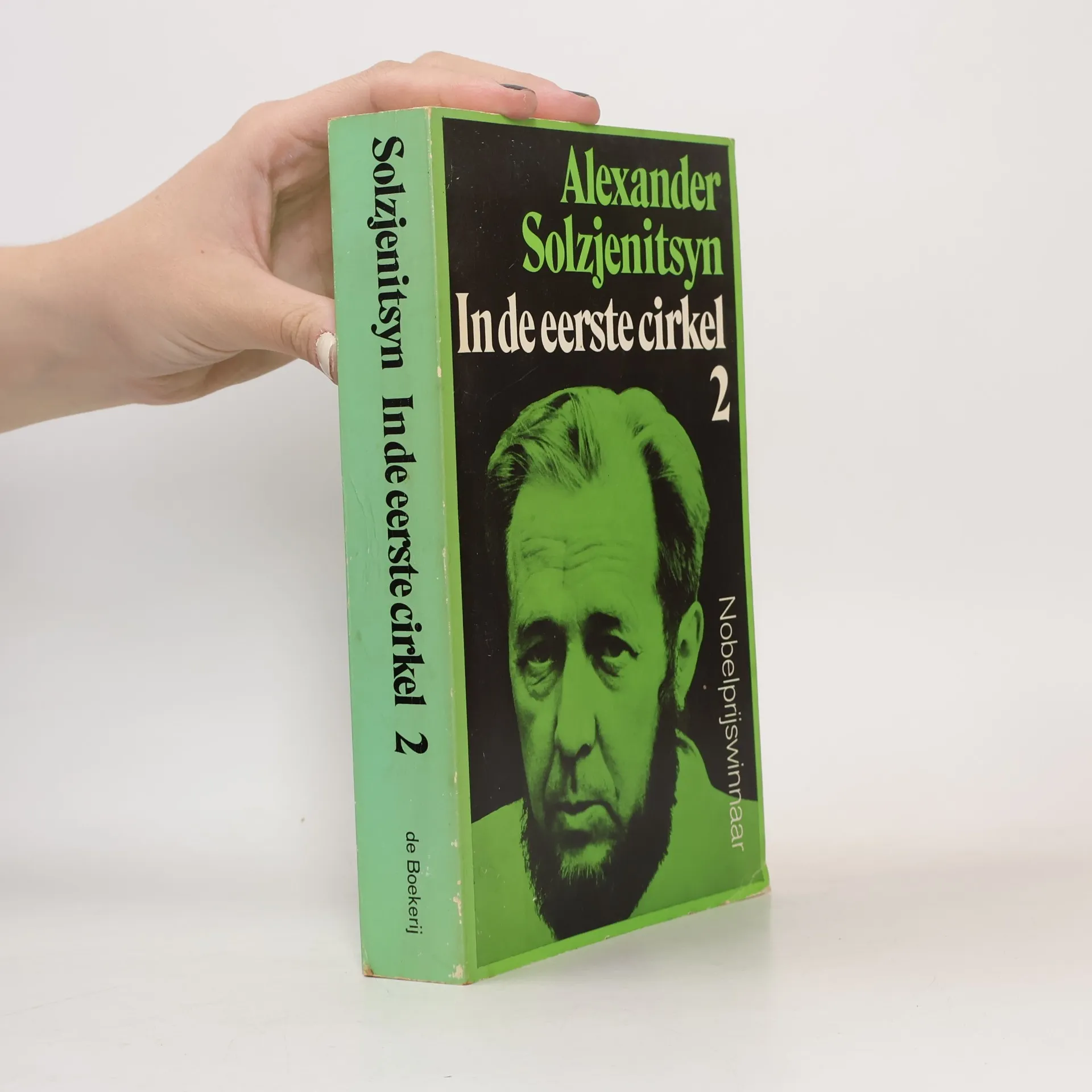
Это издание романа является первым на родине писателя. В «Божественной комедии» Данте поместил в «круг первый», самый легкий круг Ада, античных мудрецов. У Солженицына заключенные инженеры и ученые свезены из разных лагерей в спецтюрьму – научно-исследовательский институт, прозванный «шарашкой», где разрабатывают секретную телефонию, государственный заказ. Плотное действие романа умещается всего в три декабрьских дня 1949 года и разворачивается, помимо «шарашки», в кабинете министра Госбезопасности, в студенческом общежитии, на даче Сталина, и на просторах Подмосковья, и на «приеме» в доме сталинского вельможи, и в арестных боксах Лубянки. Динамичный сюжет развивается вокруг поиска дипломата, выдавшего государственную тайну. Переплетение ярких характеров, недюжинных умов, любовная тяга к вольным сотрудницам института, споры и раздумья о судьбах России, о нравственной позиции и личном участии каждого в истории страны. А.И.Солженицын задумал роман в 1948–1949 гг., будучи заключенным в спецтюрьме в Марфино под Москвой. Начал писать в 1955-м, последнюю редакцию сделал в 1968-м, посвятил «друзьям по шарашке».
Опыт художественного исследования
A könyv 1973-ban jelent meg Nyugaton, és Szolzsenyicin monumentális munkája a sztálini munkatáborokról, amely végleg megsemmisítette a nyugati értelmiség illúzióit a szovjet rendszerről. A szerző maga is átélt Gulagot, tizenegy évet töltött a Szigeteken, és saját tapasztalatai mellett számos rab tanúságát gyűjtötte össze. A mű részben történelmi és szociográfiai munka, részben a XX. század egyik legnagyobb gyalázatának szépirodalmi feldolgozása, tele szenvedélyes haraggal a kommunista diktatúrával és Sztálinnal szemben, valamint együttérzéssel az áldozatok iránt. Szolzsenyicin szerint a lágerek kiépítése már 1918-ban, Lenin hatalomra jutásával kezdődött, és a szovjet állam egy elnyomó rendszerré vált, amely senkit sem kímélt: gyerekeket, öregeket, nőket, hívőket és hitetleneket, bárkit letartóztathattak. A félelem mindent áthatott, és a lágerek rákos sejtekként burjánzottak az ország testében. A háromkötetes mű magyarul 1993-ban jelent meg, és most rövidített változatban olvasható, amelyhez Szolzsenyicin írt előszót, hangsúlyozva, hogy örömmel látja, hogy könyve elérheti azokat is, akiknek nincs idejük a teljes művet elolvasni. Szolzsenyicin 1970-ben Nobel-díjat kapott, 1973-ban kiutasították a Szovjetunióból, és 1994-ben tért vissza Oroszországba.
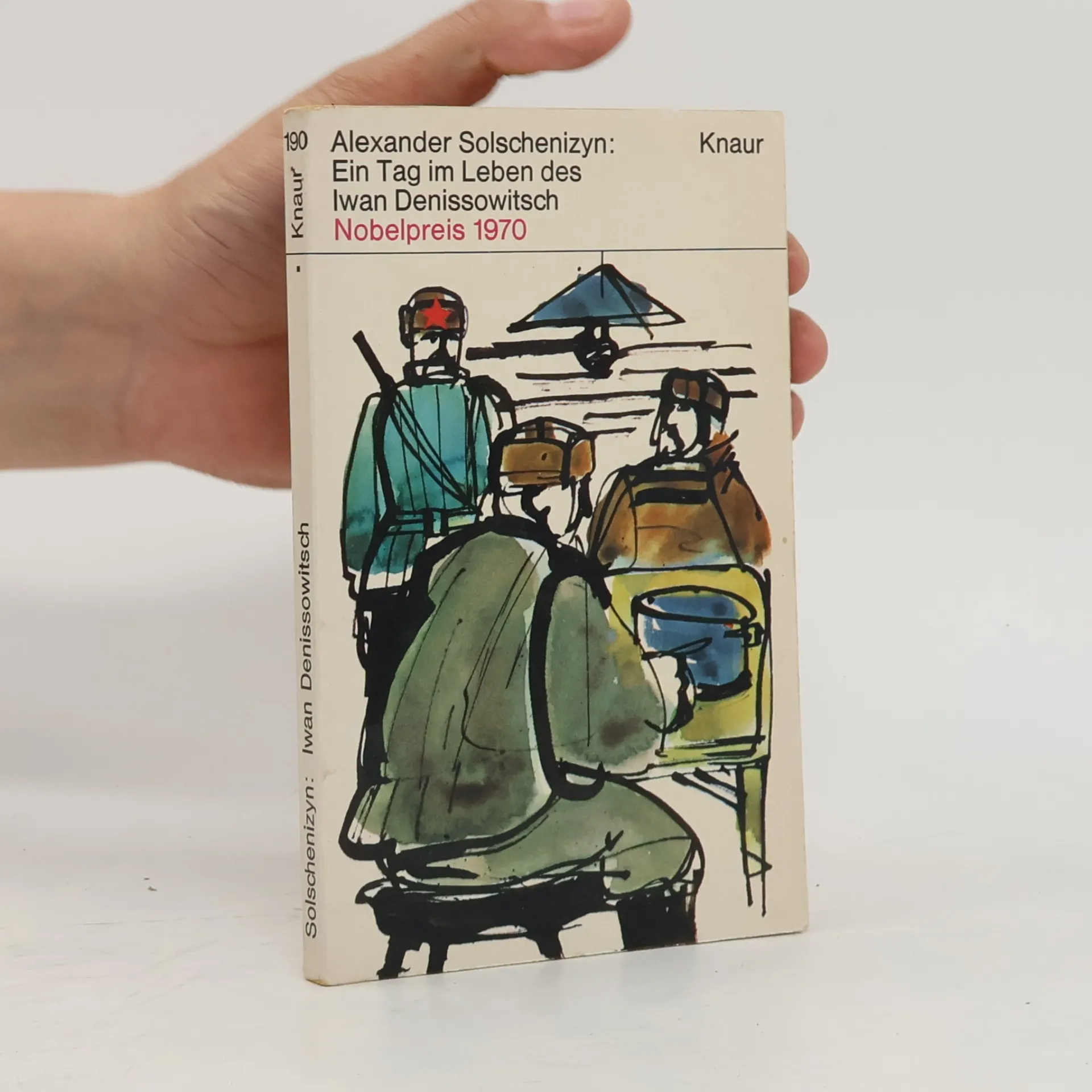
Содерж.: Один день Ивана Денисовича ; Матренин двор ; Правая кисть ; Случай на станции Кочетовка ; Для пользы дела ; Захар-Калита ; Как жаль ; Пасхальный крестный ход ; Крохотки ; Двучастные рассказы
Kollektivroman fra en af stalintidens straffelejre for særlig privilegerede fanger, der udfører videnskabeligt arbejde
Kollektivroman fra en af stalintidens straffelejre for særlig privilegerede fanger, der udfører videnskabeligt arbejde
A historical novel about the defeat of the Imperial Russian Army at the Battle of Tannenberg in East Prussia.
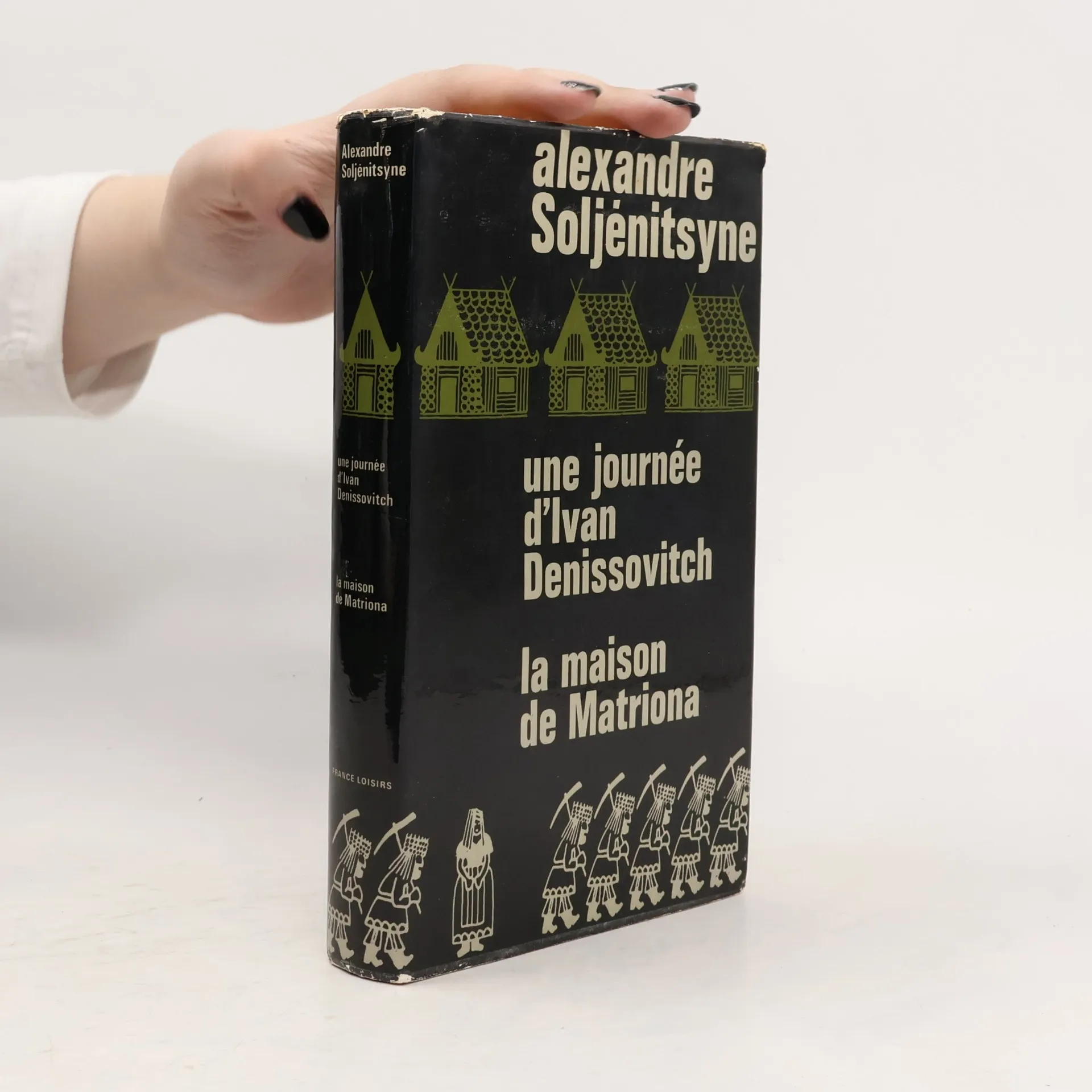
Includes translations of the Russian author's two short stories, "An Incident at Krechofovka Station, " about a Red Army lieutenant who must decide what to do with an army straggler, and "Matryona's House, " in which a young man describes and comes to understand the life of an old peasant woman after she dies.
Boek 1: bevat deel I en II.
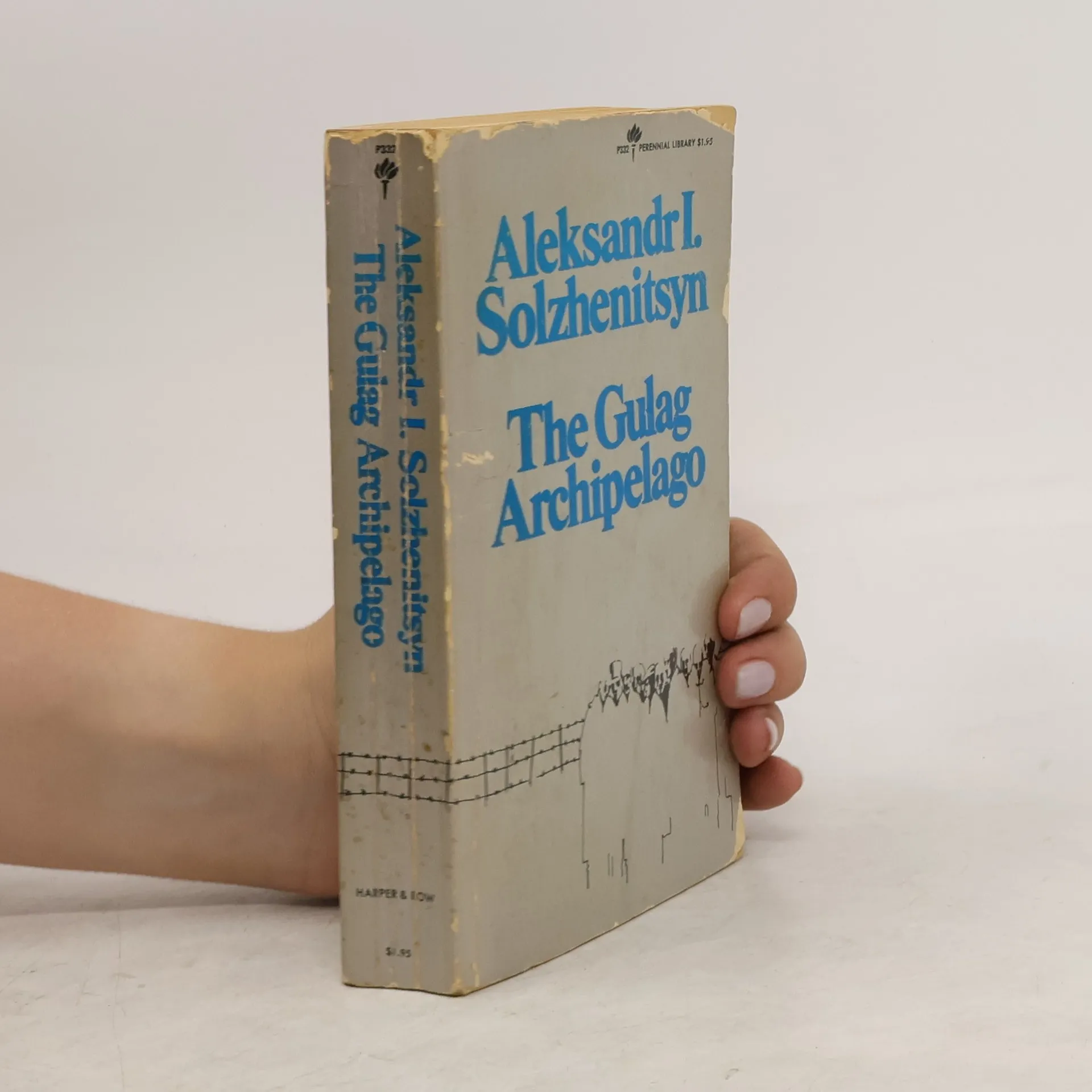
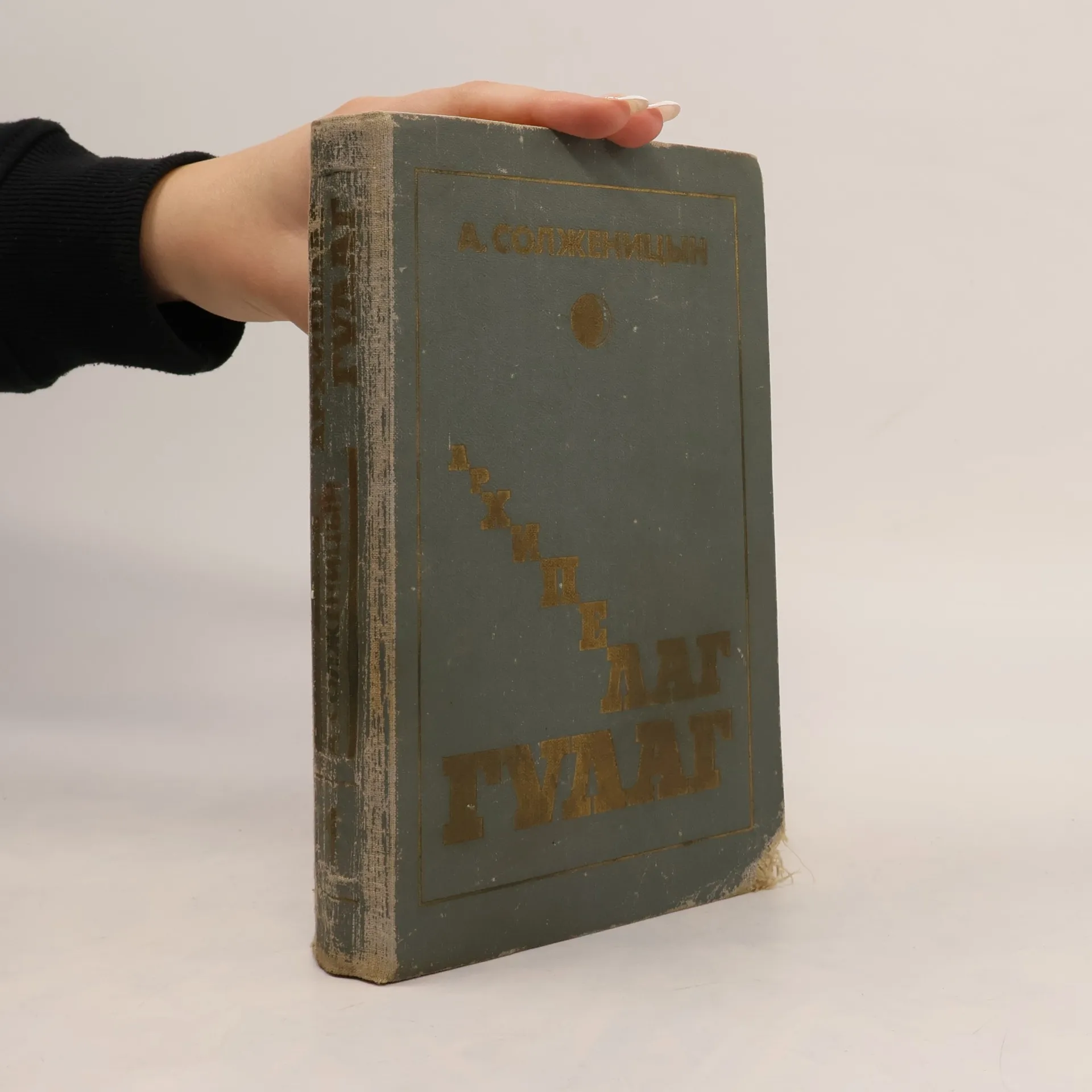
Drawing on his own incarceration and exile, as well as on evidence from more than 200 fellow prisoners and Soviet archives, Aleksandr I. Solzhenitsyn reveals the entire apparatus of Soviet repression -- the state within the state that ruled all-powerfully. Through truly Shakespearean portraits of its victims -- men, women, and children -- we encounter secret police operations, labor camps and prisons; the uprooting or extermination of whole populations, the "welcome" that awaited Russian soldiers who had been German prisoners of war. Yet we also witness the astounding moral courage of the incorruptible, who, defenseless, endured great brutality and degradation. The Gulag Archipelago 1918-1956 -- a grisly indictment of a regime, fashioned here into a veritable literary miracle -- has now been updated with a new introduction that includes the fall of the Soviet Union and Solzhenitsyn's move back to Russia.
Situé à Moscou au cours d'une période de trois jours en décembre 1949, Le Premier cercle est l'histoire du prisonnier Gleb Nerzhin, un brillant mathématicien. À l'âge de trente et un, Nerzhin a survécu aux années de guerre sur le front allemand et les années d'après-guerre dans une succession de prisons russes et camps de travail. Son histoire est intimement liée à l'histoire d'une douzaine d'autres prisonniers - chacun un être humain inoubliable - du gardien de prison à l'intellectuel marxiste tourmentée qui a conçu le barrage du Dniepr; de l'élite régnants et leurs subordonnés en conflit; et des femmes, misérables ou privilégiés, lié à ces hommes.
Russian Book. Publisher: Azbuka. Pages: 480. Year: 2012. Cover: Softcover.
vert. naar de Amerikaanse ed.
La concesión del Premio Nobel a Solschenitzin supuso el reconocimiento definitivo de sus méritos literarios. Su obra, dotada de una sorprendente variedad y riqueza de perspectivas, refleja en su conjunto la amarga experiencia del pueblo ruso bajo el implacable régimen soviético. En El primer círculo el autor, hombre de larga experiencia carcelaria, cuenta que n el infierno del régimen penitenciario hay, como en el Infierno de Dante, varios círculos. En su «primer círculo» Solschenitzin coloca a los científicos y técnicos condenados por razones políticas. Pero a lo largo de sus páginas, pobladas por destinos truncados e incontables casos desoladores, aparecen también luminosos ejemplos de coraje, de pasión por la verdad y de esa profunda conciencia de las cosas que es el fermento del que surgen las mejores virtudes del hombre.
Le court roman « Une journée d'Ivan Denissovitch », écrit par Alexandre Soljenitsyne, est publié en 1962. C'est la première œuvre de l'auteur et un témoignage poignant sur la souffrance d'une génération face à la réalité stalinienne. Le récit dépeint le quotidien d'un camp de travail stalinien, s'inspirant des expériences personnelles de l'auteur. L'histoire se déroule un jour choisi au hasard en 1951, centré sur le prisonnier n° 854, l'ancien charpentier Ivan Denisovitch Suchov. Cet homme simple, de mentalité paysanne, a passé huit ans dans ce camp. La narration décrit minutieusement son emploi du temps, du lever au coucher, mettant en lumière sa lutte pour la survie. Suchov parvient à traverser cette journée grâce à son adaptation à la vie du camp et à la préservation de sa dignité humaine. Il n'est pas un martyr, mais illustre comment un homme peut résister dans un existence dépourvue de sens. Le monde du camp se présente comme un microcosme clos, sans lien avec la vie extérieure, où le temps semble suspendu, sans passé ni futur. À sa parution, le roman suscite de vives discussions en Union soviétique.