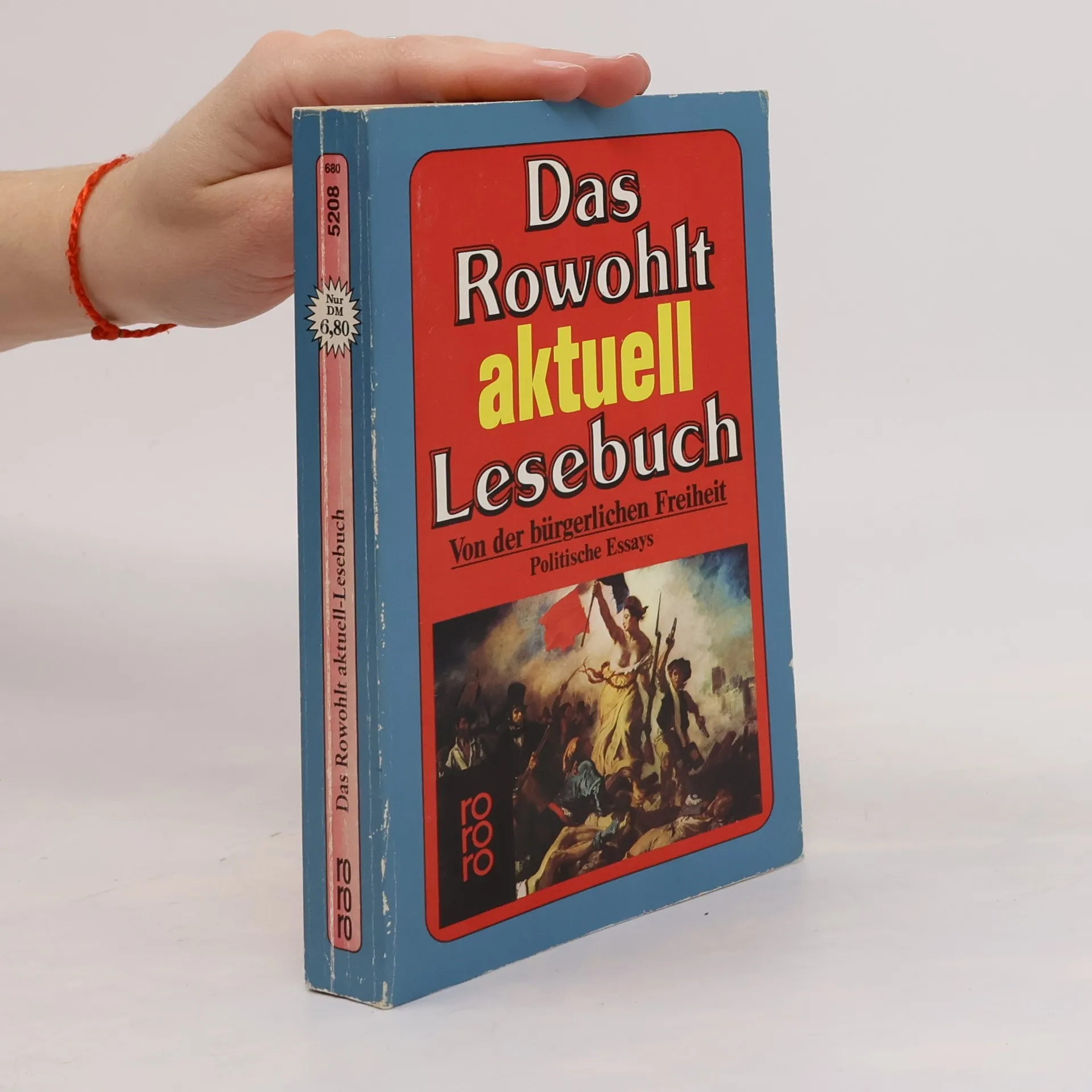
Das Rowohlt-aktuell-Lesebuch
Von der bürgerlichen Freiheit: Politische Essays
- 320pages
- 12 heures de lecture


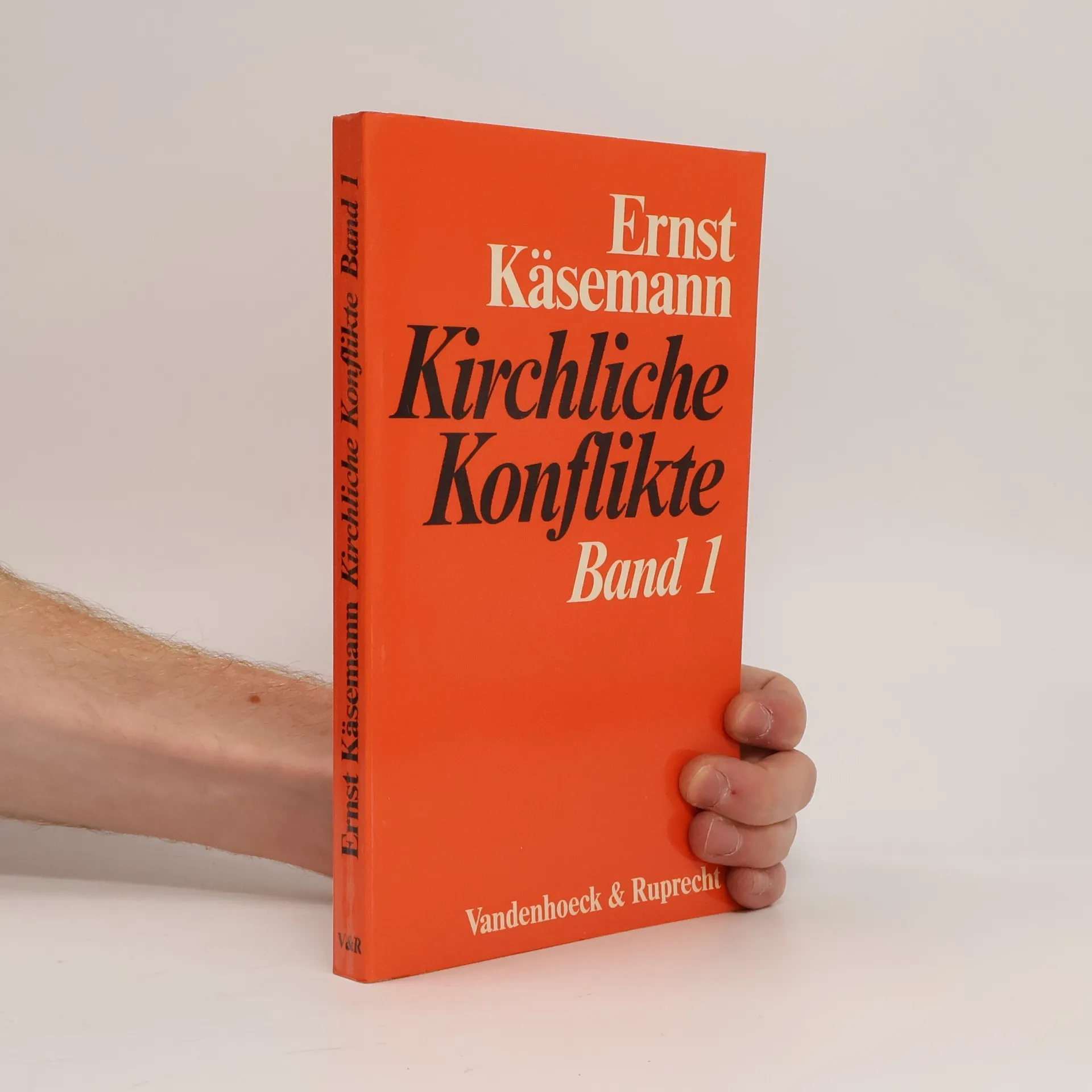
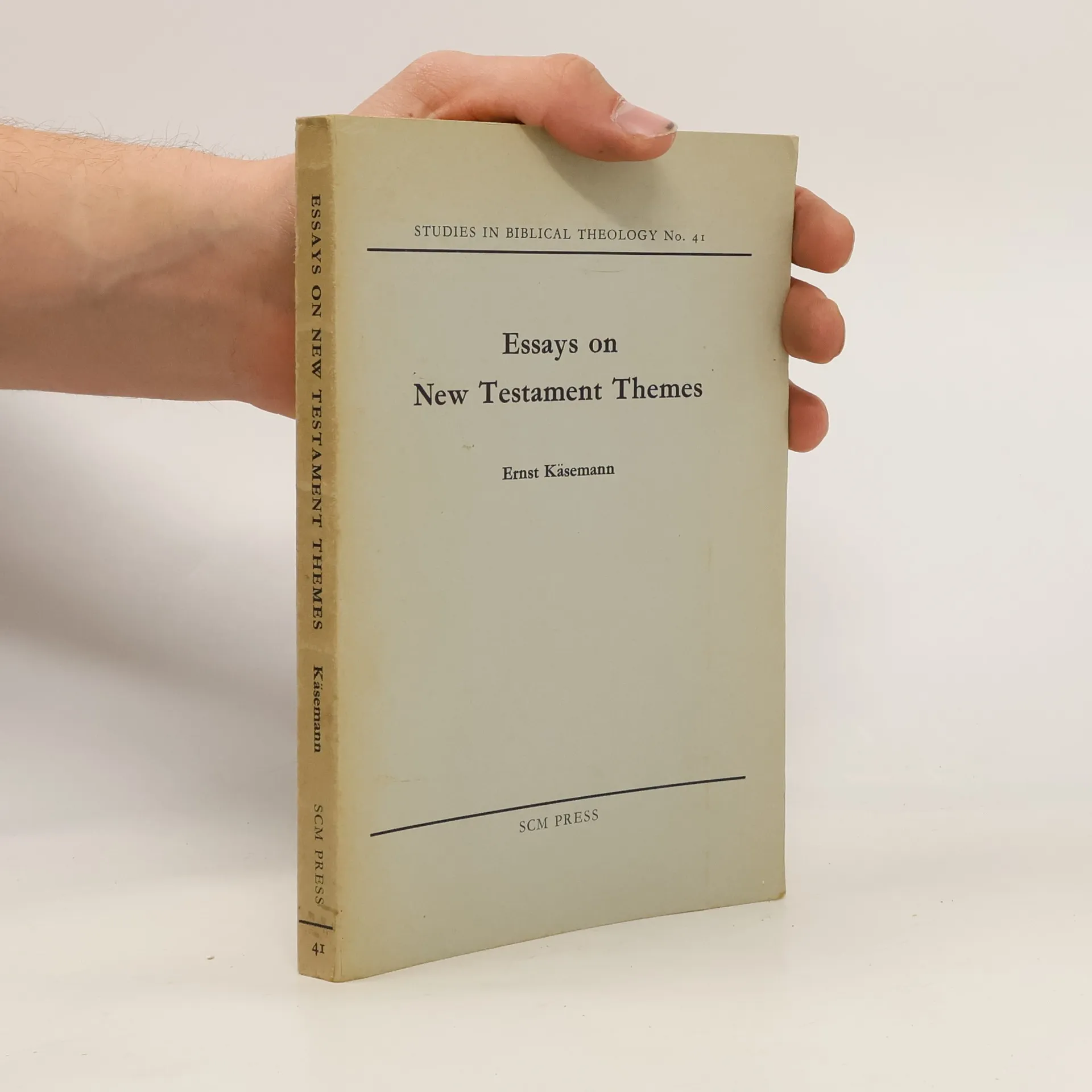
Ernst Käsemann fut un théologien marquant dont l'œuvre s'est profondément penchée sur le Nouveau Testament. Il obtint son doctorat à l'Université de Marbourg sous la direction de Rudolf Bultmann, sa thèse portant sur l'ecclésiologie paulinienne. Käsemann comptait parmi les élèves les plus connus et de centre-gauche de Bultmann, reflétant ses propres inclinations intellectuelles. Ses contributions savantes laissèrent une empreinte durable dans le discours théologique.
Von der bürgerlichen Freiheit: Politische Essays
German
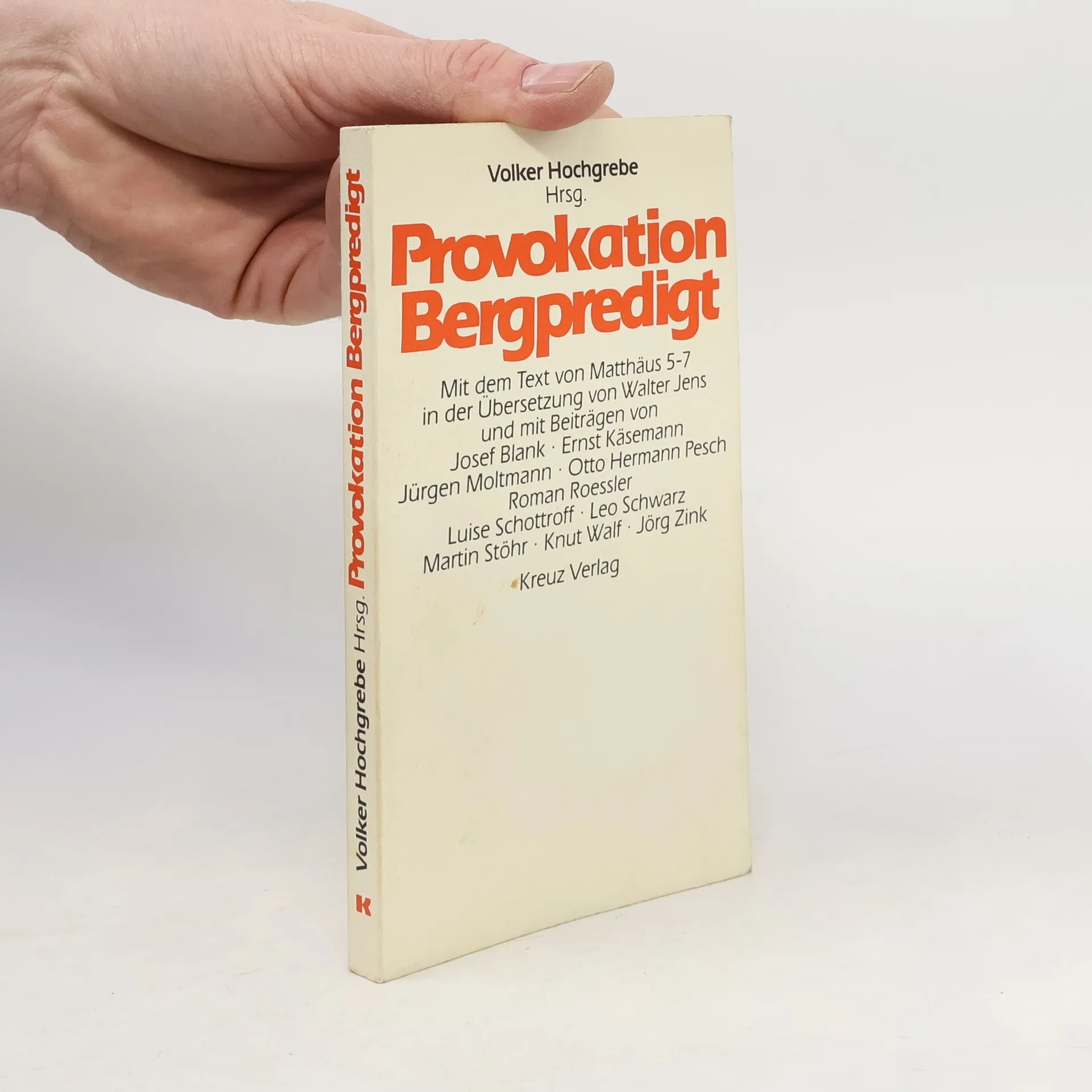
Mit dem Text von Matthäus 5-7 in der Übersetzung von Walter Jens und mit Beiträgen von Josef Blank, Ernst Käsemann, Jürgen Moltmann, Otto Hermann Pesch, Roman Roessler, Luise Schottroff, Leo Schwarz, Martin Stöhr, Knut Walf, Jörg Zink
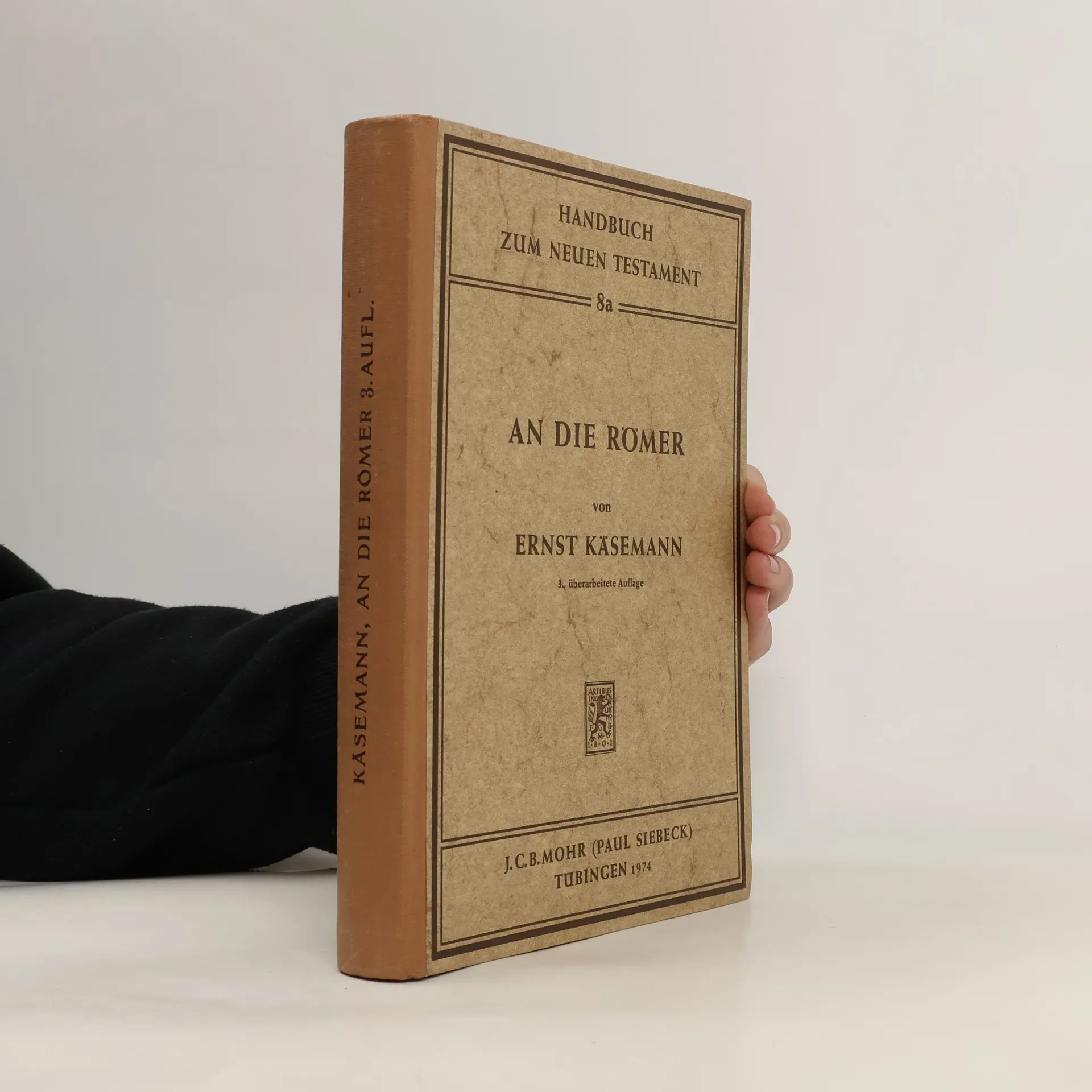
Nähere Informationen zu diesem Buch erhalten Sie direkt vom Verlag / For further information about this title please contact Mohr Siebeck
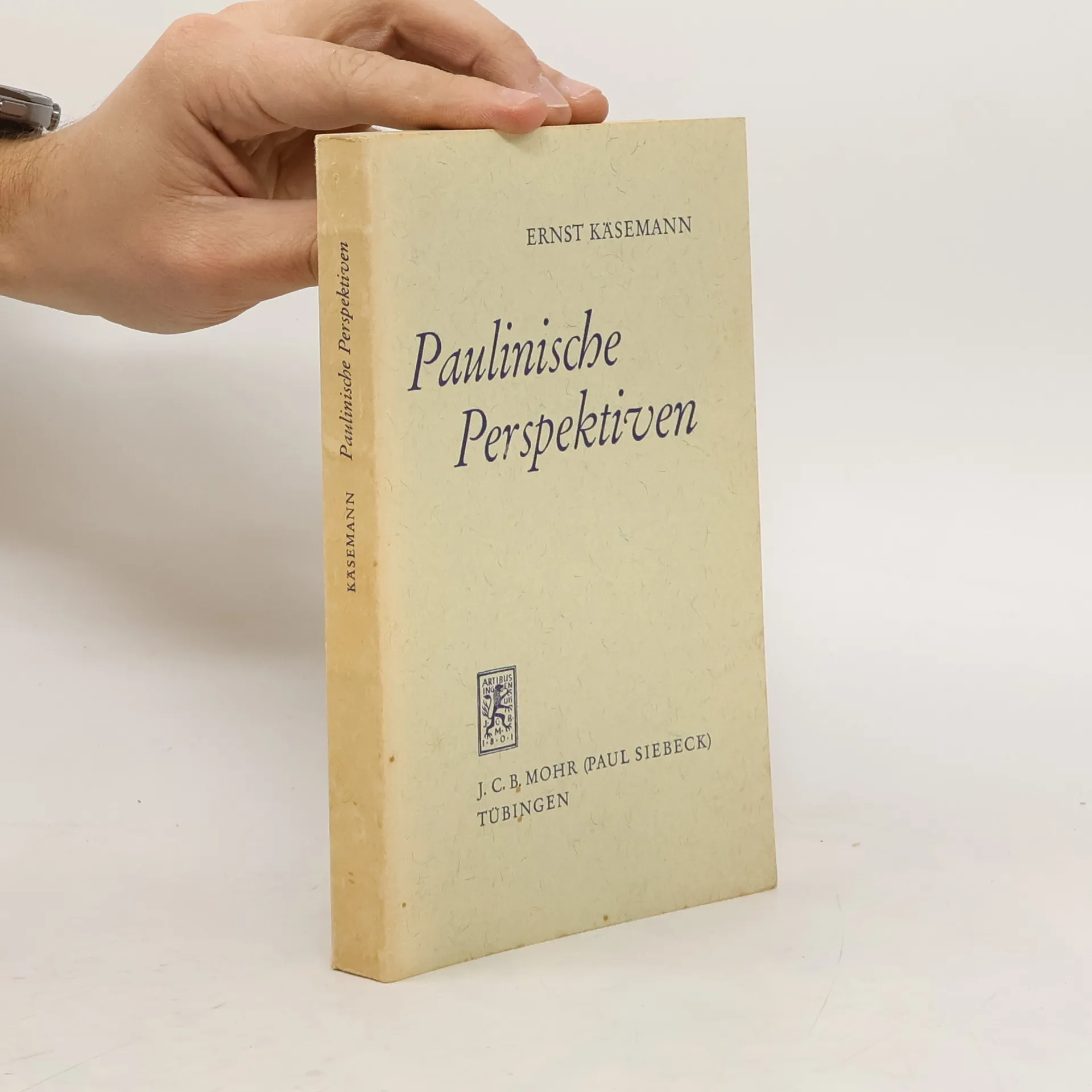
Käsemann behandelt zentrale Themen in Paulus' Denken mit seiner gewohnten Originalität, Klarheit und Brillanz. Ausgangspunkt des Buches ist Paulus' Anthropologie. Käsemann betont, dass Paulus sowohl die Individualität des Menschen als auch seinen Platz im Kosmos hervorhebt. Für Paulus muss die Rechtfertigung auch in kosmischen und eschatologischen Begriffen verstanden werden. Einzelne Essays in diesem Buch konzentrieren sich auf Paulus' Theologie des Kreuzes, auf das Motiv des Leibes Christi, auf den christlichen Gottesdienst und auf die Begriffe Geist und Buchstabe. Diese Essaysammlung ist eine wesentliche Lektüre für alle, die Paulus oder neutestamentliche Theologie studieren.
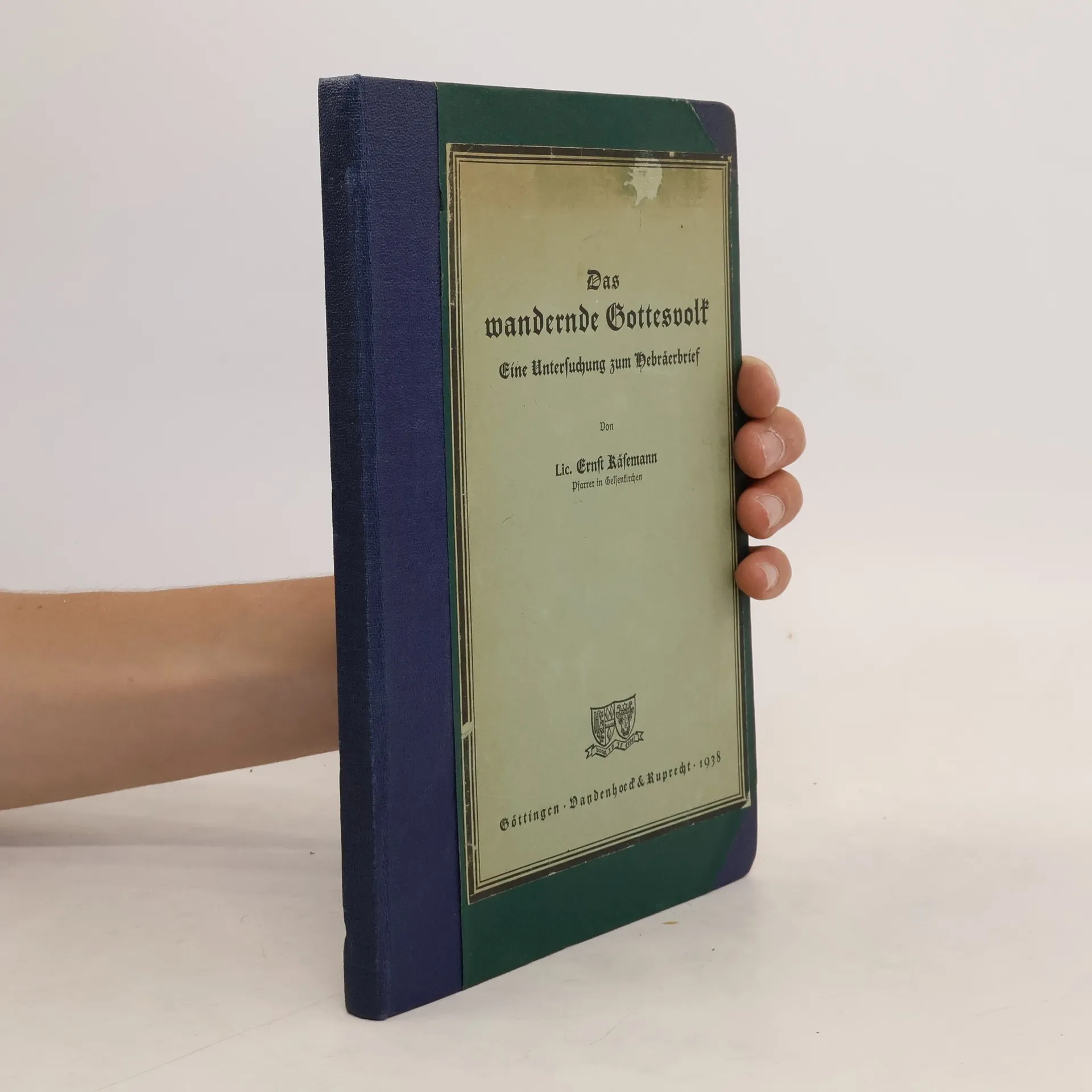
Eine Untersuchung zum Hebräerbrief