R. J. Hollingdale Ordre des livres (chronologique)
20 octobre 1930 – 28 septembre 2001
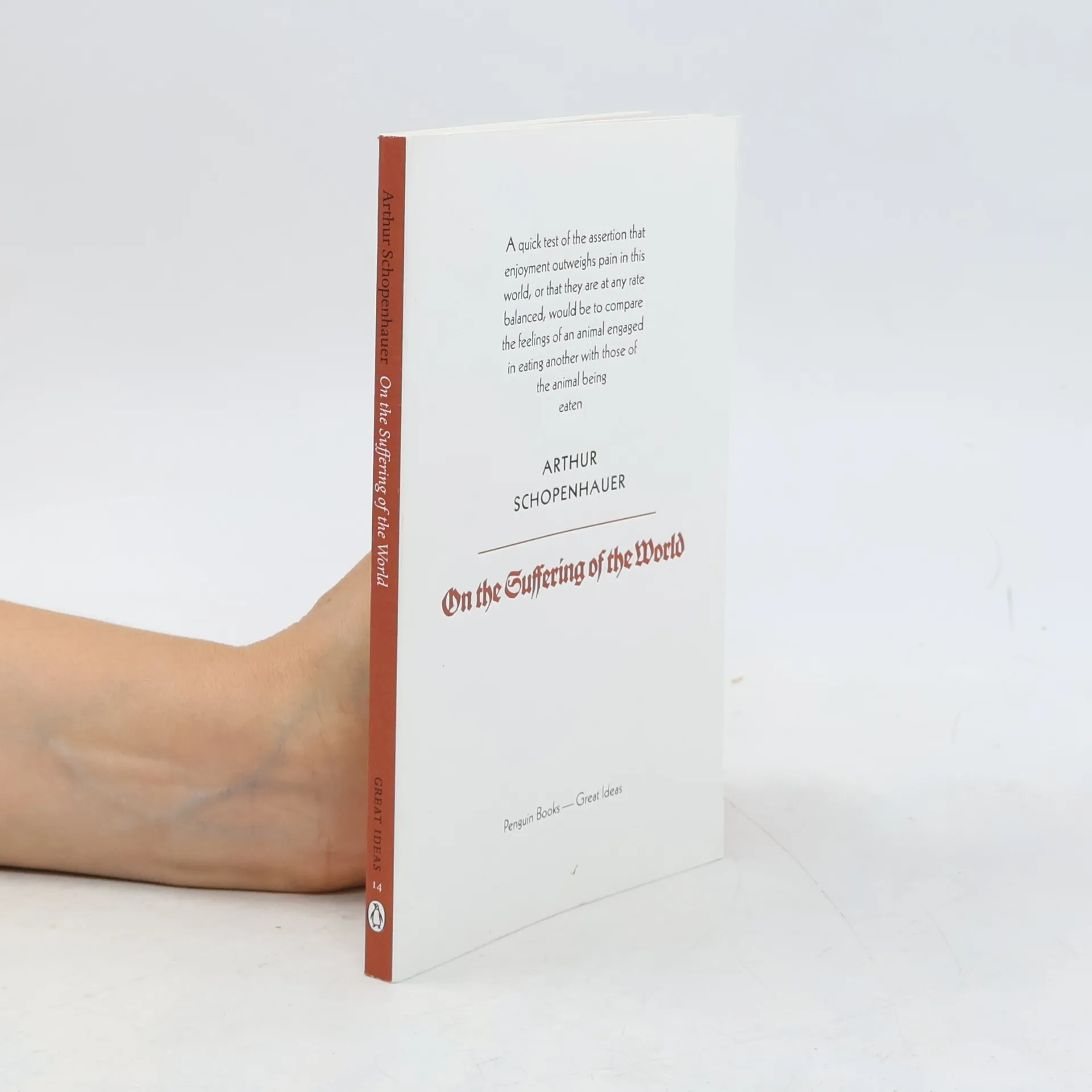

On the suffering of the world
- 144pages
- 6 heures de lecture
A collection of essays by Schopenhauer on the perception of the importance of art, morality and self awareness in a blind struggle against a Godless, meaningless world radically transformed our understanding of the individual and remains a searing vision of the human condition.
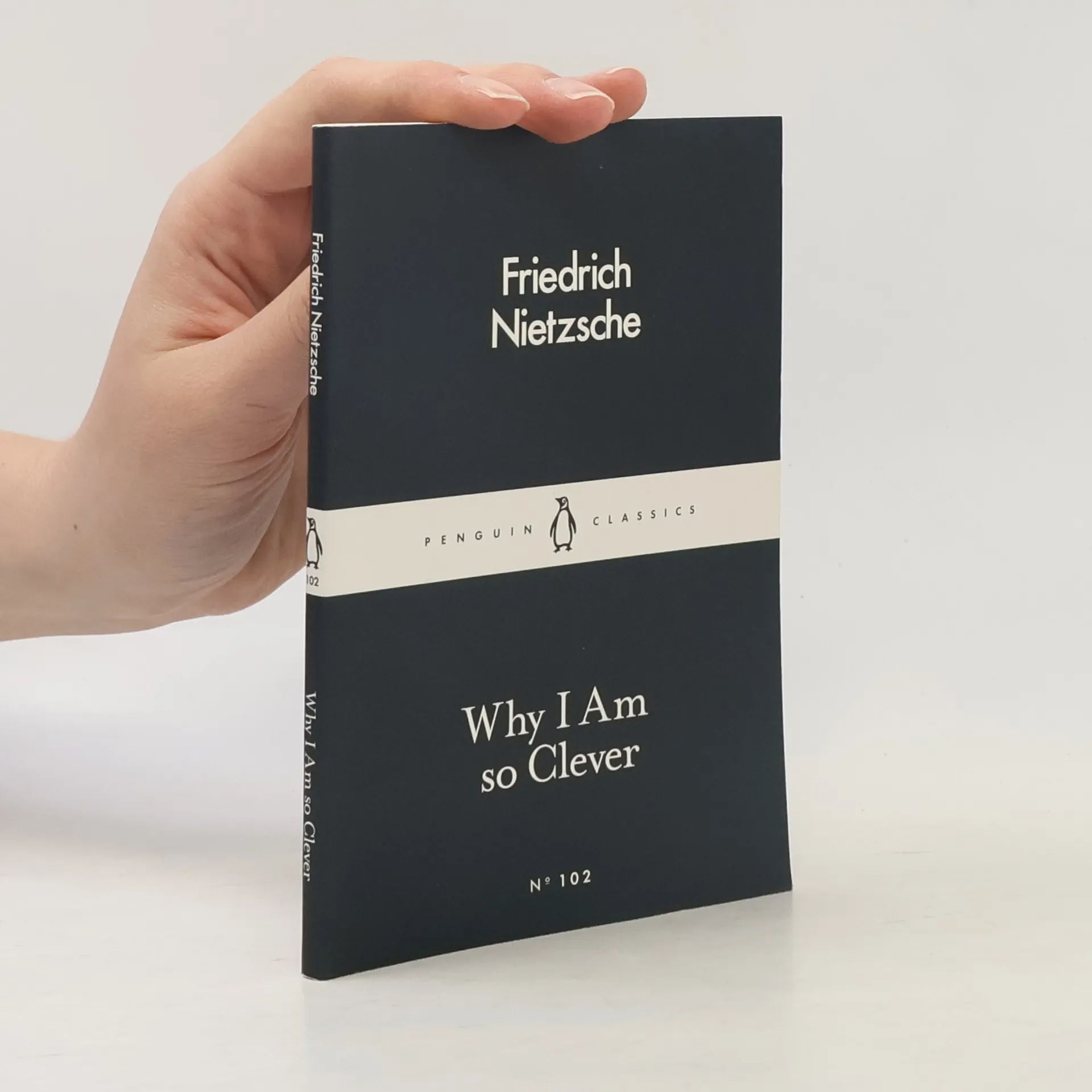
Why I Am So Clever
- 64pages
- 3 heures de lecture
"Self-celebrating and self-mocking autobiographical writings fromaEcce Homo, the last work iconoclastic German philosopher Nietzsche wrote before his descent into madness. "
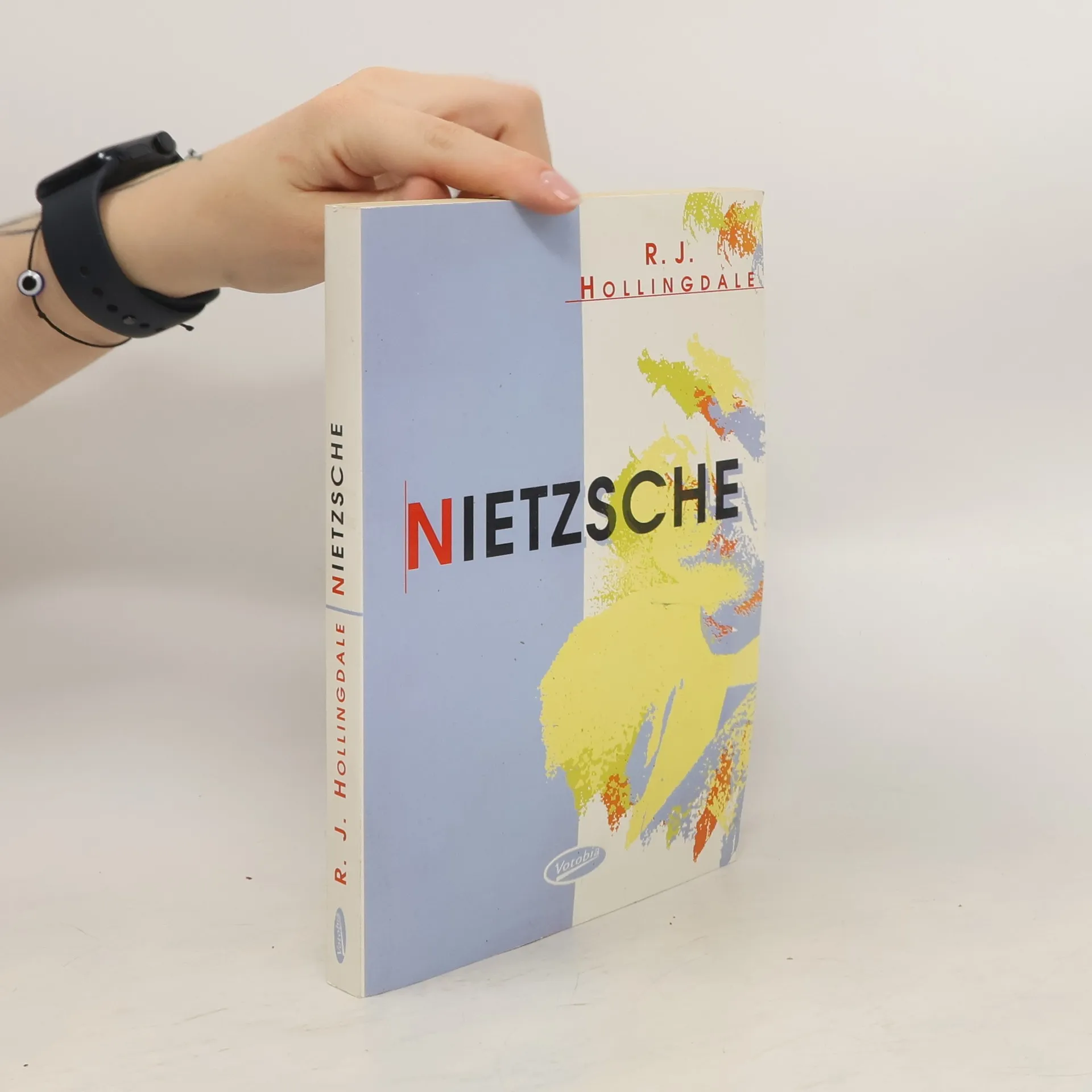
Literatura o Nietzschem je rozsáhlá a neustále se rozrůstá. Existuje množství různých a mnohdy nesmiřitelných teorií o jeho filosofii, ale R. J. Hollingdale se domnívá, že úvod k Nietzschemu by se neměl stát úvodem k jeho komentátorům a kritikům. Namísto polemik uvádí co nejvíce citací: účelem knihy je přimět čtenáře, aby si přečetl Nietzscheho sám a stal se sám sobě vykladačem jeho díla. Tato obsáhlá monografie o jedné z nejvýznamnějších postav filosofie 19. století, která měla obrovský vliv na sociokulturní formování století našeho, je považována odbornou veřejností za jednu z nejlepších na dané téma. Zvláštní pozornost autor věnuje vztahu mezi Nietzscheho filosofickým dílem a utvářením politických schémat a jejich pohybu, jež souvisely s oživováním zájmu o tohoto myslitele. Hollingdale neopomíjí ani další Nietzscheho aktivity: poezii, filologii či zájem o hudbu.
" A première vue, ce problème de la valeur de la pitié et de la morale de la pitié semble n'être qu'une question isolée, un point d'interrogation à part ; mais à celui qui s'arrêtera ici, qui apprendra à interroger ici, il arrivera ce qui m'est arrivé : une perspective nouvelle et immense s'ouvrira devant lui, la foi en la morale, en toute morale s'en trouvera ébranlée- enfin une nouvelle exigence se fera entendre. Nous avons besoin d'une critique des valeurs morales, il faut commencer par mettre en question la valeur même de ces valeurs, et cela suppose une connaissance telle qu'il n'en a pas existé jusqu'à présent et telle qu'on ne l'a même pas souhaitée. "
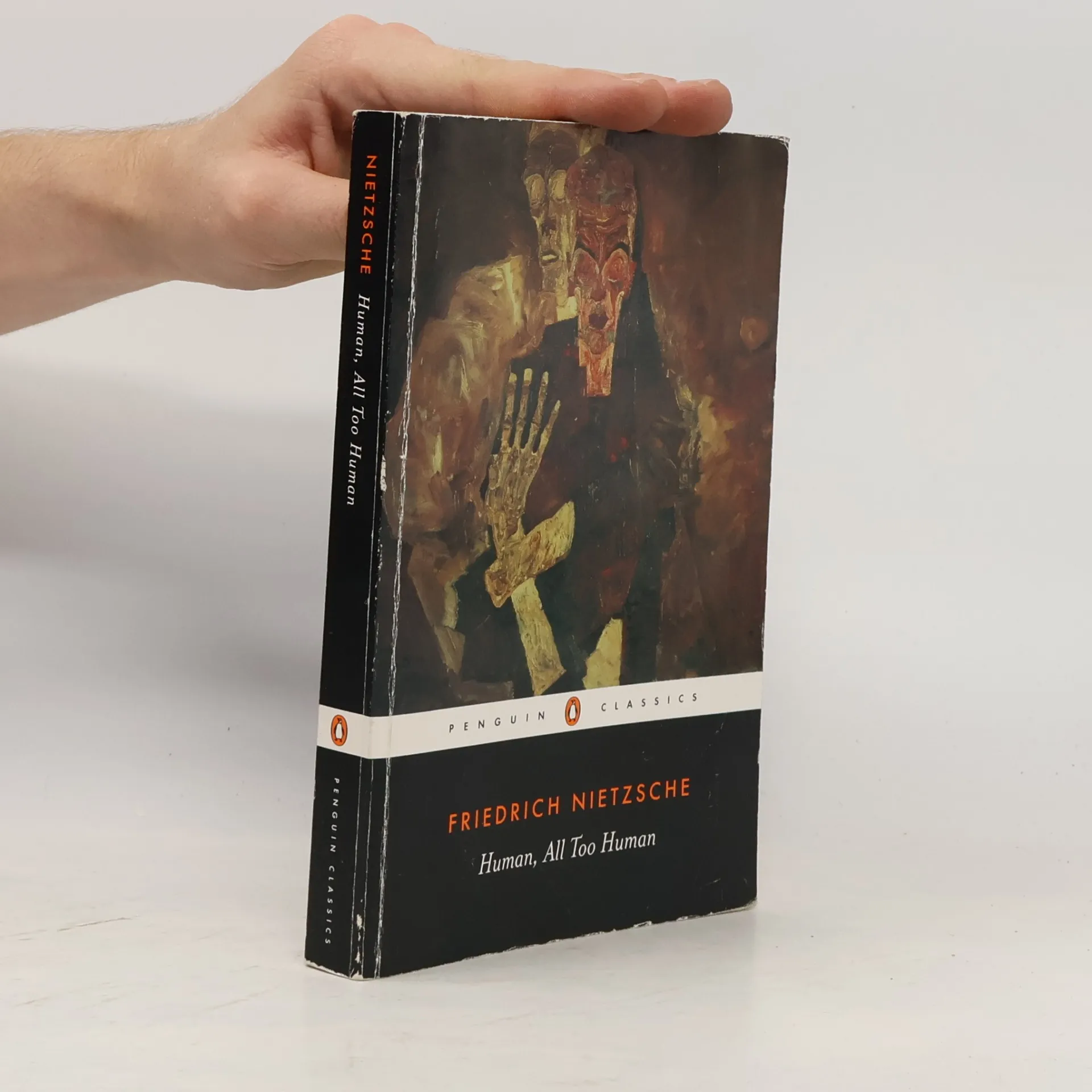
Penguin Classics: Human, All Too Human
- 320pages
- 12 heures de lecture
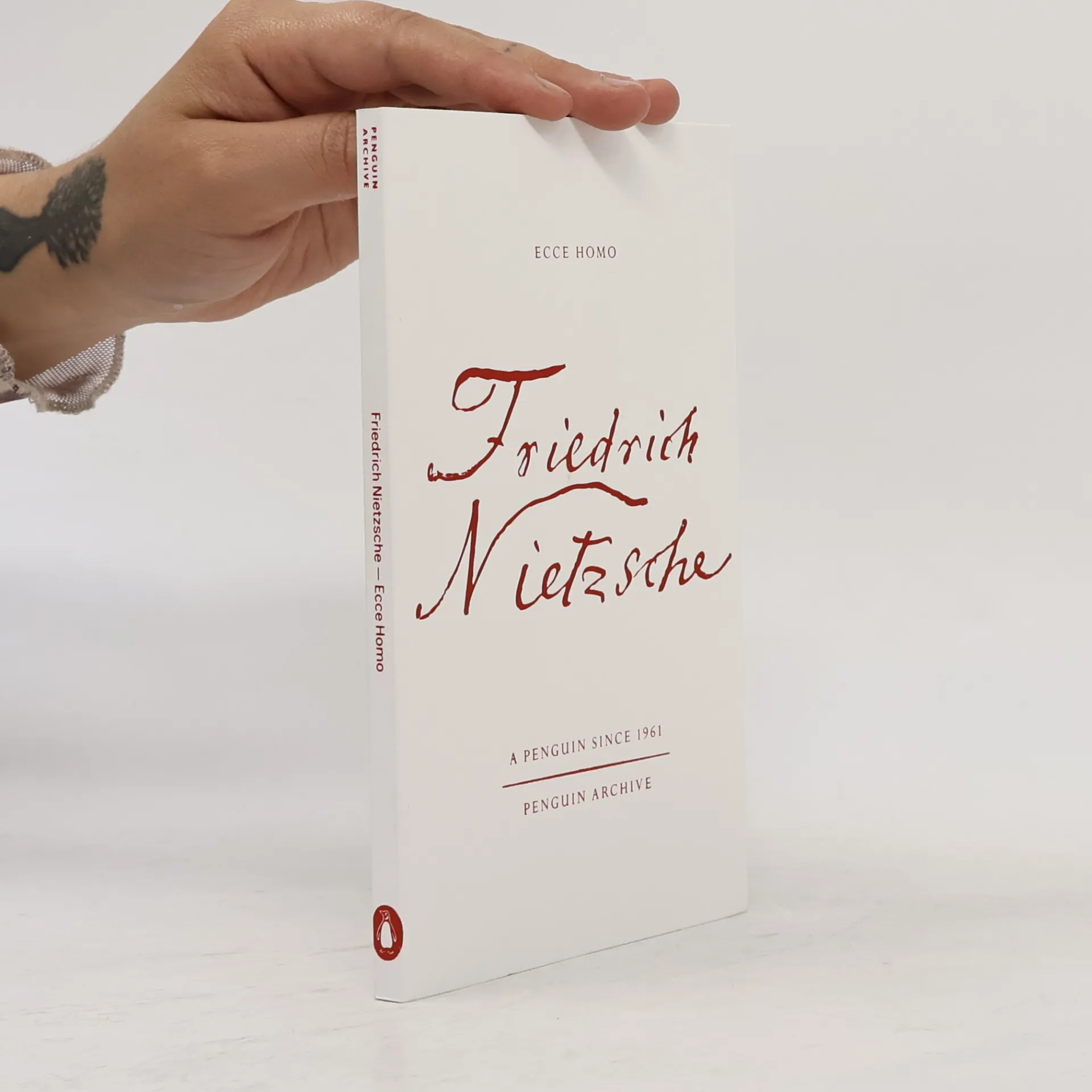
Written after Nietzsche had ended his friendship with Richard Wagner and had been forced to leave academic life through ill health, this book can be read as a monument to his personal crisis.
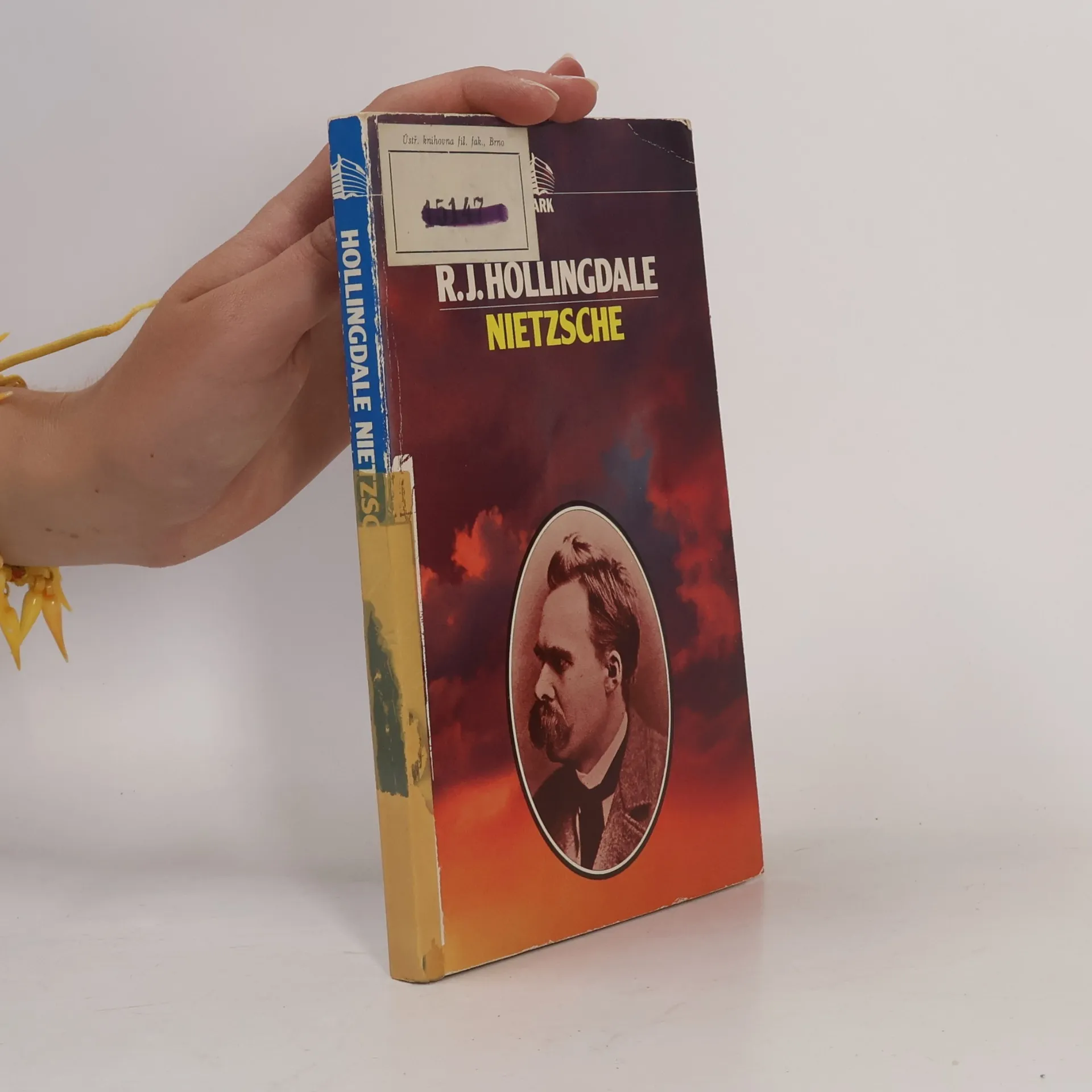
Hollingdale's biography remains the single best account of the life & works for the student or nonspecialist. This classic biography of Nietzsche was 1st published in the 60s & was enthusiastically reviewed at the time. The biography chronicles Nietzsche's intellectual evolution & discusses his friendship & breach with Wagner, his attitude toward Schopenhauer & his indebtedness to Darwin & the Greeks. It follows the years of his maturity & his mental collapse in 1889. The final part of the book considers the development of the Nietzsche legend during his years of madness. R.J. Hollingdale, one of the preeminent translators of Nietzsche, allows Nietzsche to speak for himself in a translation that transmits the vividness & virtuosity of Nietzsche's many styles. This is the ideal book for anyone interested in his life & work who wishes to learn why he is such a significant figure for the development of modern thought. R.J. Hollingdale has translated & edited several of Nietzsche's texts, as well as other prestigious German thinkers. Hollingdale worked in the editorial department of the Guardian for over twenty years & has written book reviews for the Guardian & the Times Literary Supplement.
Before the Storm
- 744pages
- 27 heures de lecture
This was the first of Fontane's sixteen novels, most of which became classics of the realist genre. Set in Berlin, shortly before the Prussians rebelled against Napoleon, the novel resembles War and Peace. This World's Classics edition is the first and only available in Englishtranslation.
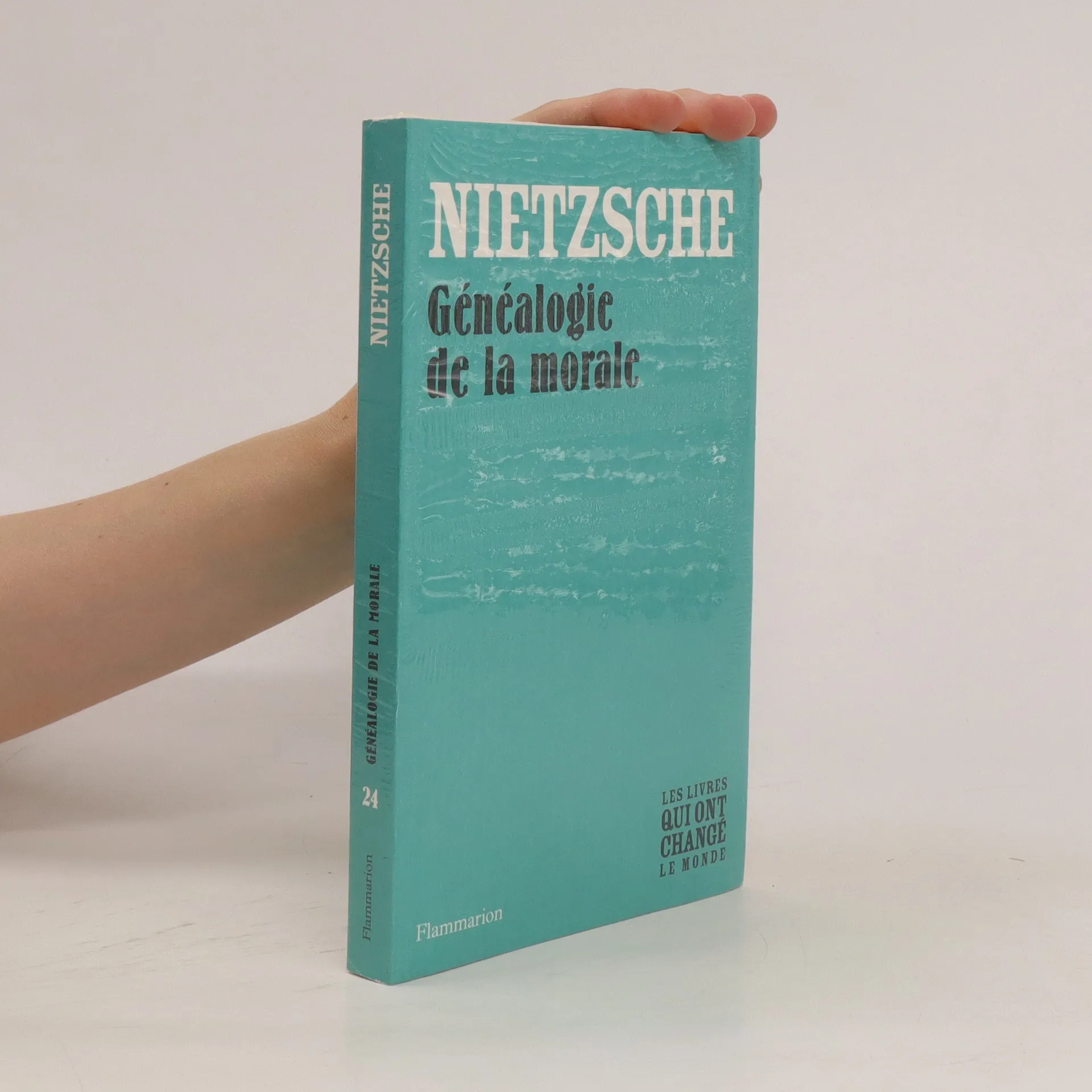
Friedrich Nietzsche, né le 15 octobre 1844, a étudié à Bonn et Leipzig, se spécialisant en philologie classique. Sa rencontre avec Richard Wagner en 1868 a profondément influencé sa pensée, bien que leur amitié se soit détériorée en raison de la désapprobation de Nietzsche envers les Festivités de Bayreuth. En 1869, il est nommé professeur de philologie classique à Bâle, mais abandonne ce poste dix ans plus tard pour des raisons de santé. Il vit ensuite de sa pension, finançant de nombreux voyages en Suisse et en Italie, où il rédige ses œuvres philosophiques majeures. Nietzsche annonce le « décès de Dieu », décrit le concept du surhomme et plaide pour la réévaluation de toutes les valeurs, contribuant ainsi au nihilisme. Ses œuvres les plus célèbres incluent Ainsi parlait Zarathoustra et Ecce Homo. Dans les années 1880, ses souffrances physiques et mentales s'intensifient, culminant en 1889 avec un effondrement dont il ne se remettra pas. Il décède le 25 août 1900 à Weimar, sous les soins de sa mère et de sa sœur.
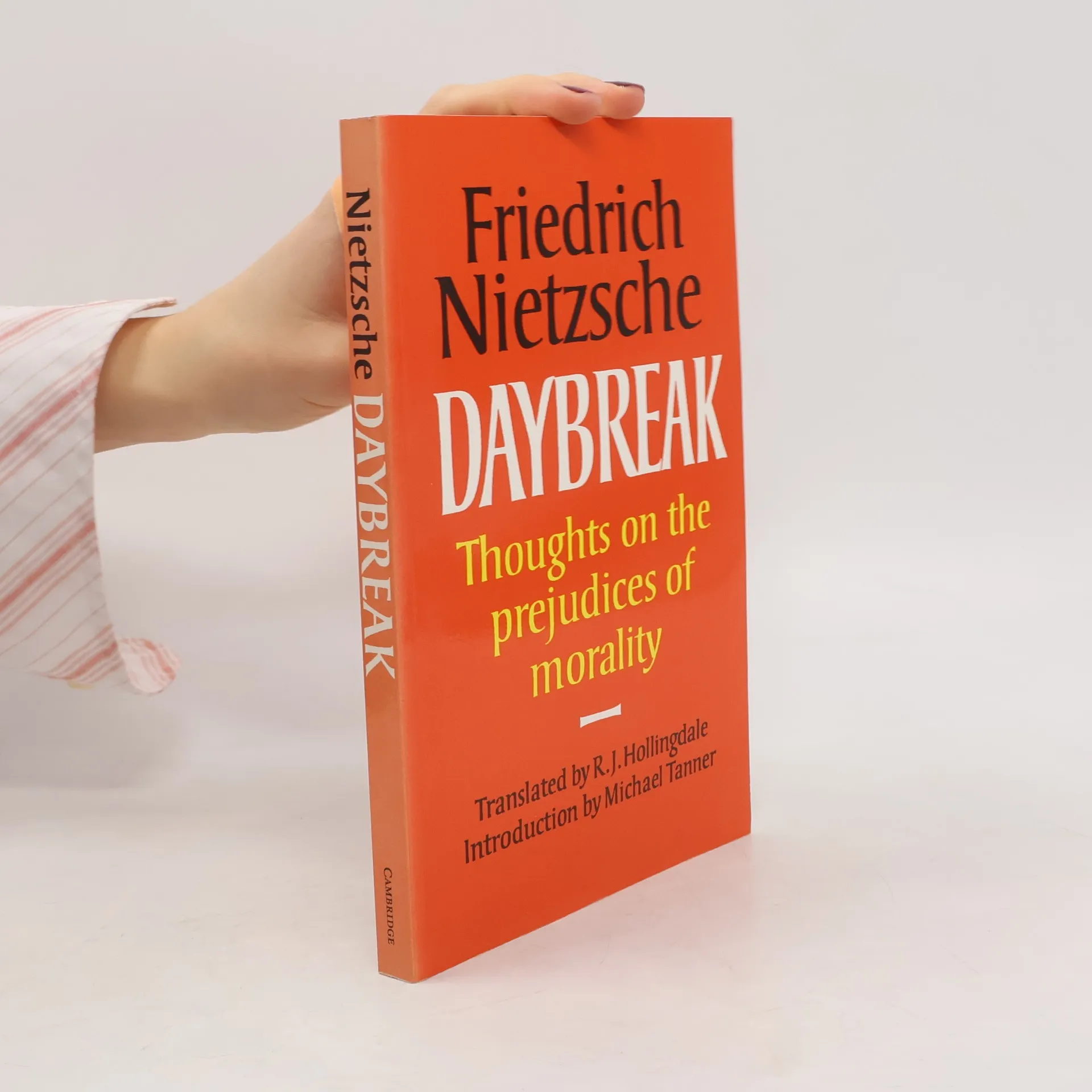
An entirely new translation of Nietzsche's fourth book, which falls in what is regarded as his "positivist" period. Especially notable for the advance it represents in his understanding of psychology.
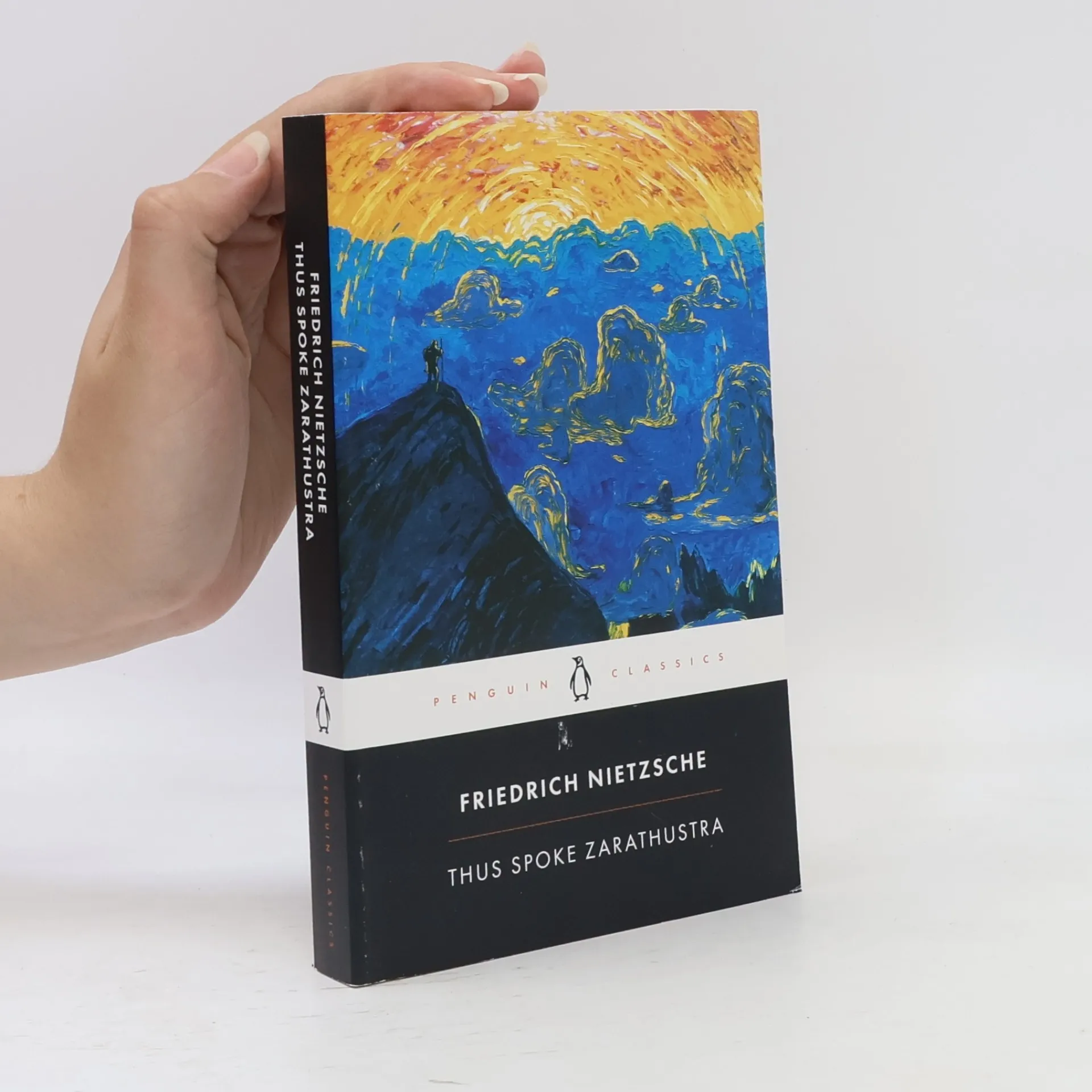
The ancient Persian prophet Zarathustra descends from the mountains to tell the world that God is dead and that Superman, the human embodiment of divinity, is his successor. Nietzsche argues that the meaning of existence is not religious
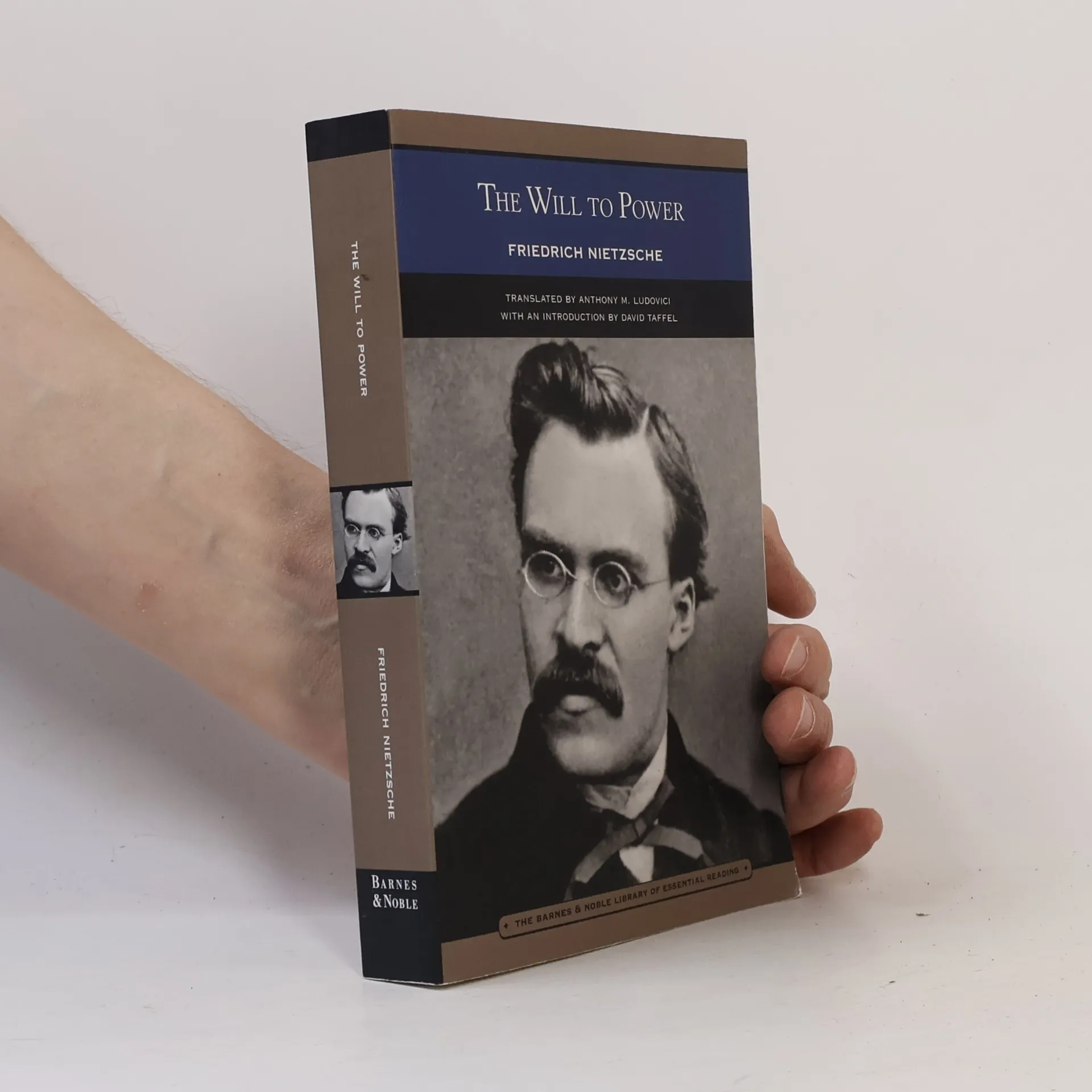
The will to power
- 528pages
- 19 heures de lecture
Heralds the decline of modern Western civilization. In this book, nihilism - the uncanny and pervasive feeling that life is devoid of all meaning, purpose, and value - is subjected to a thoroughgoing and multifaceted examination.