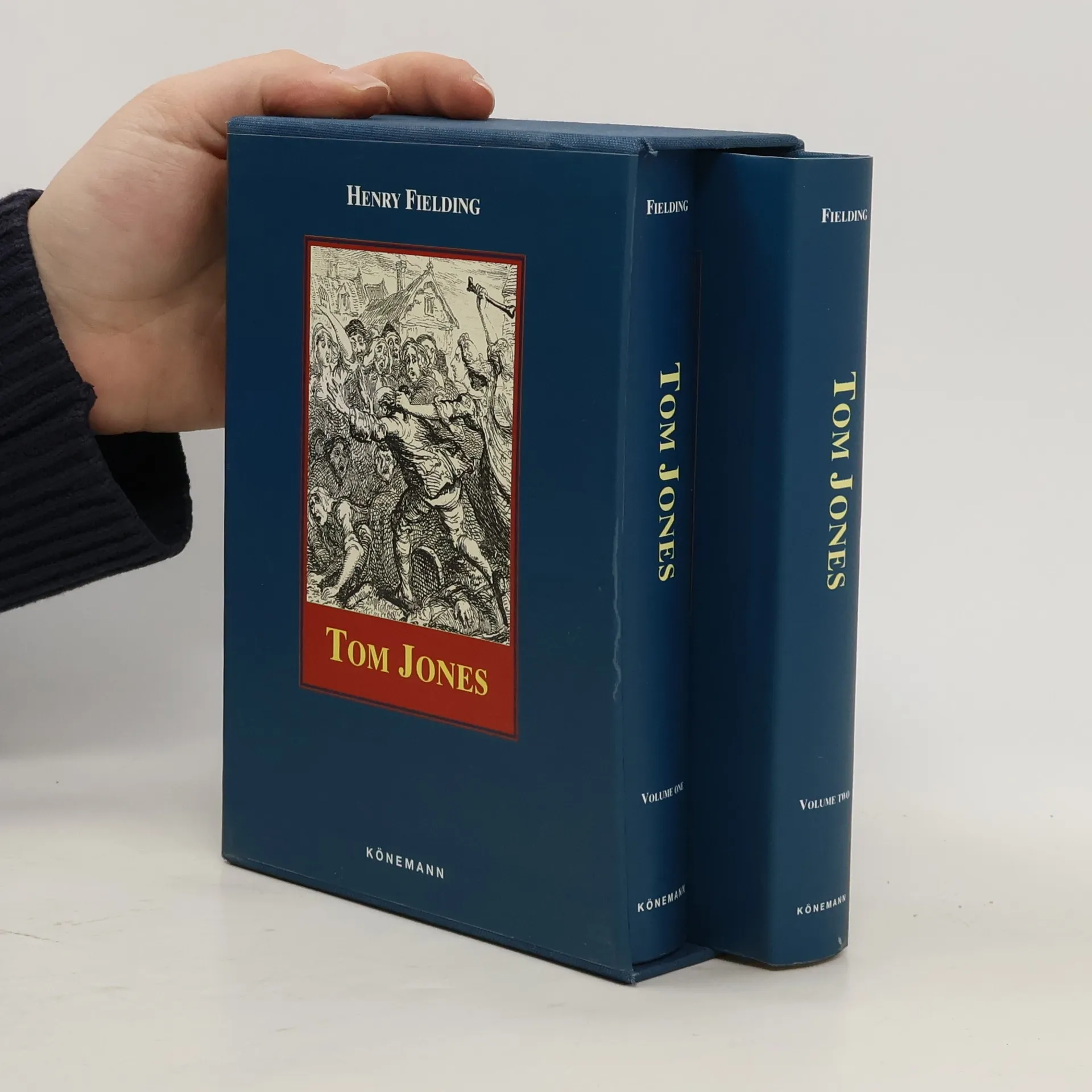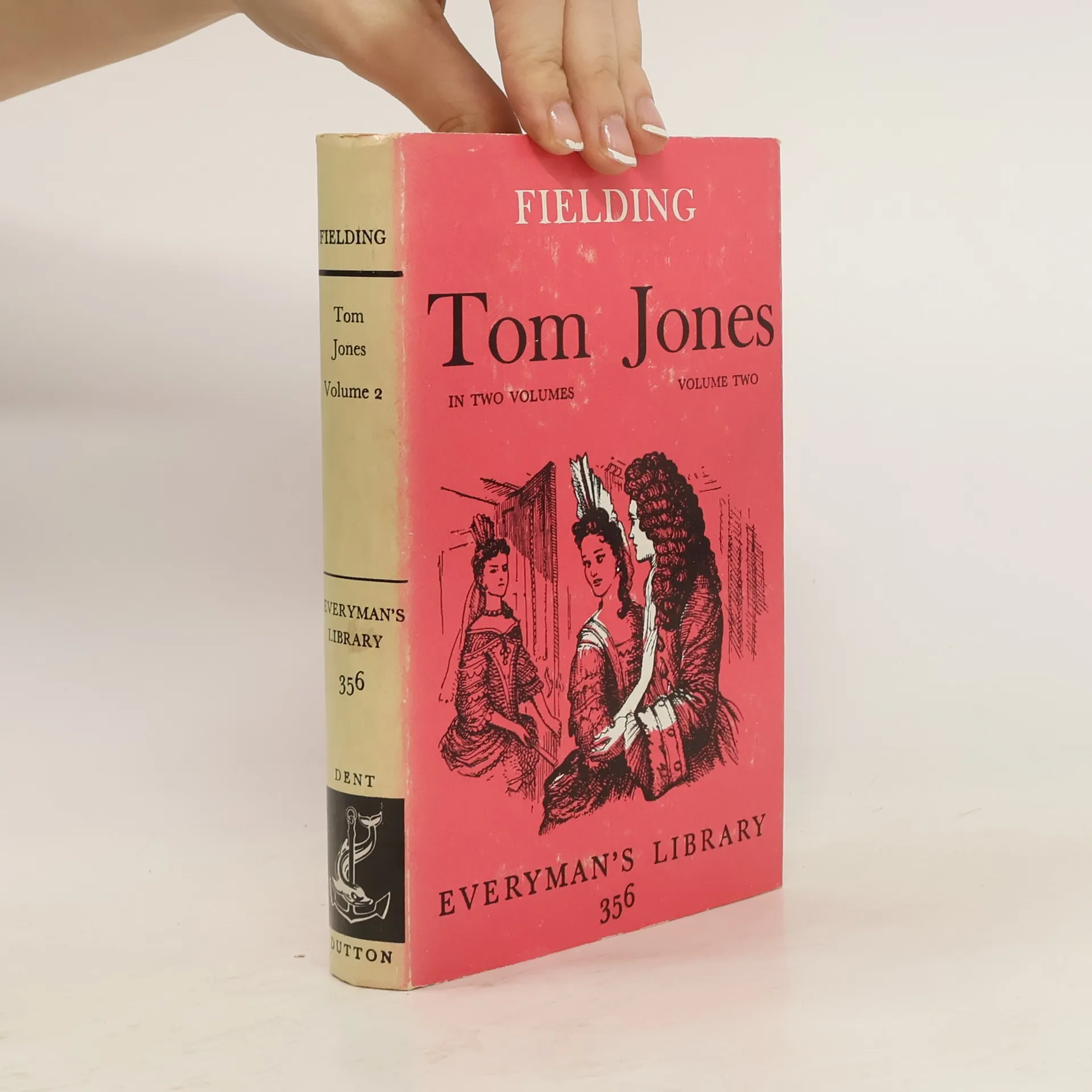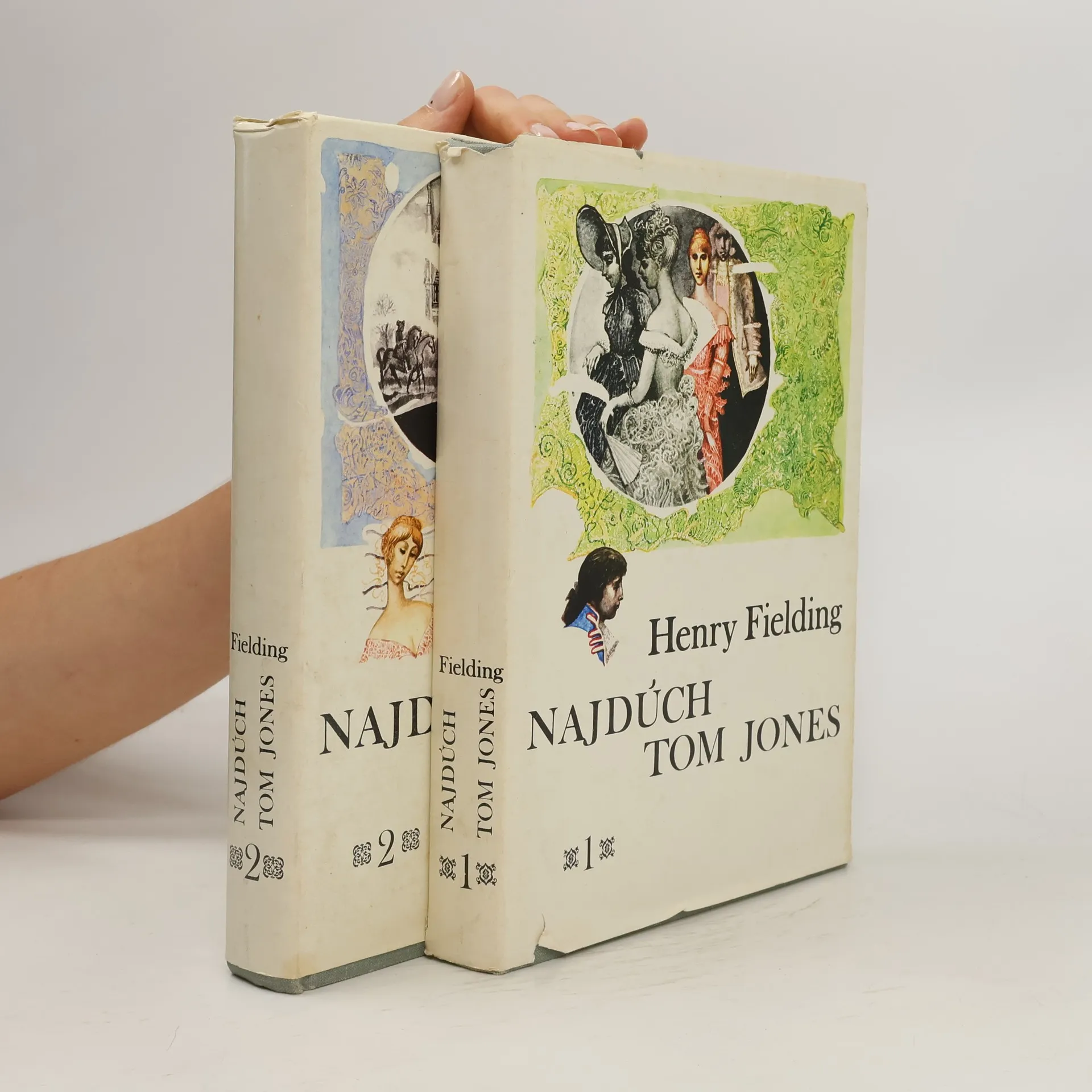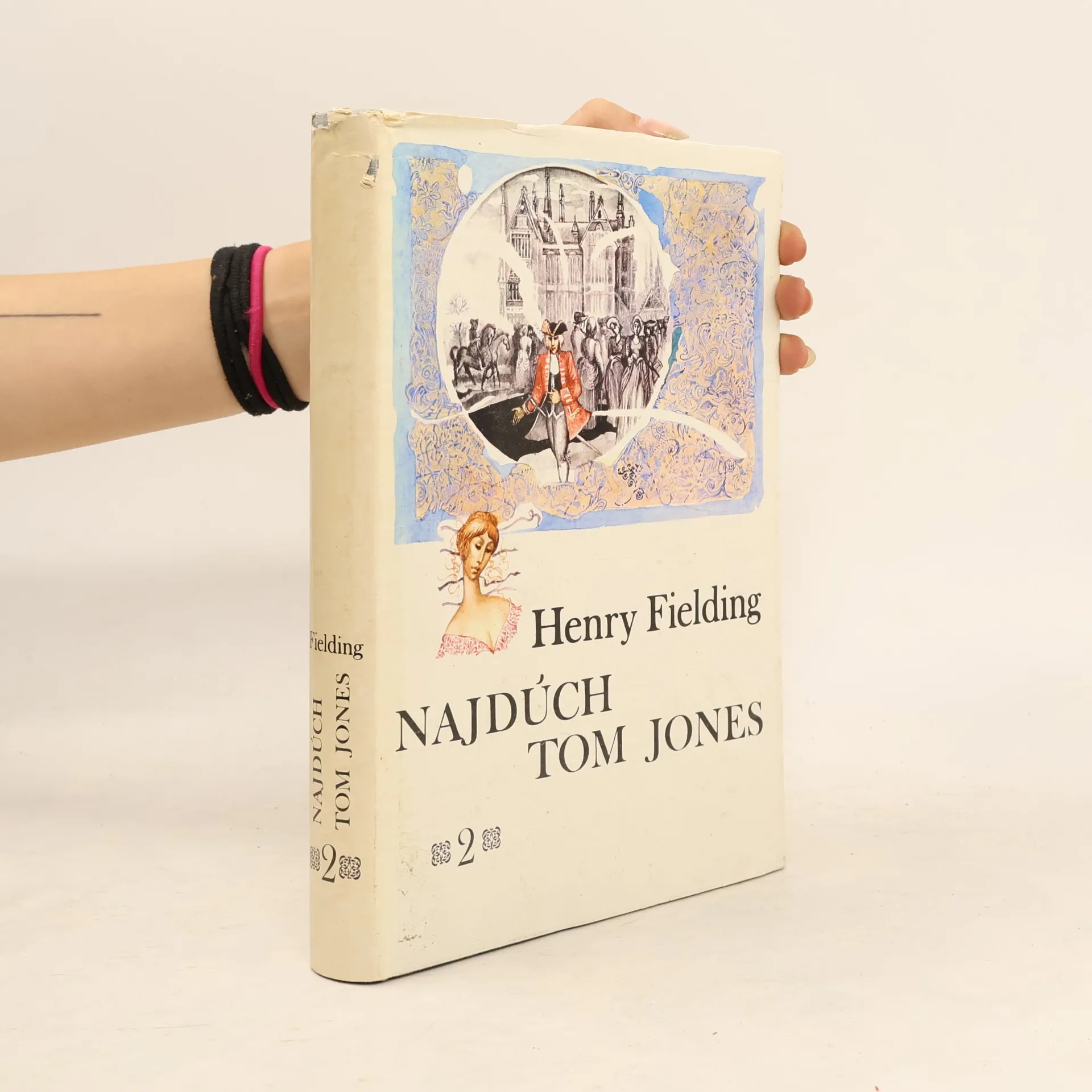


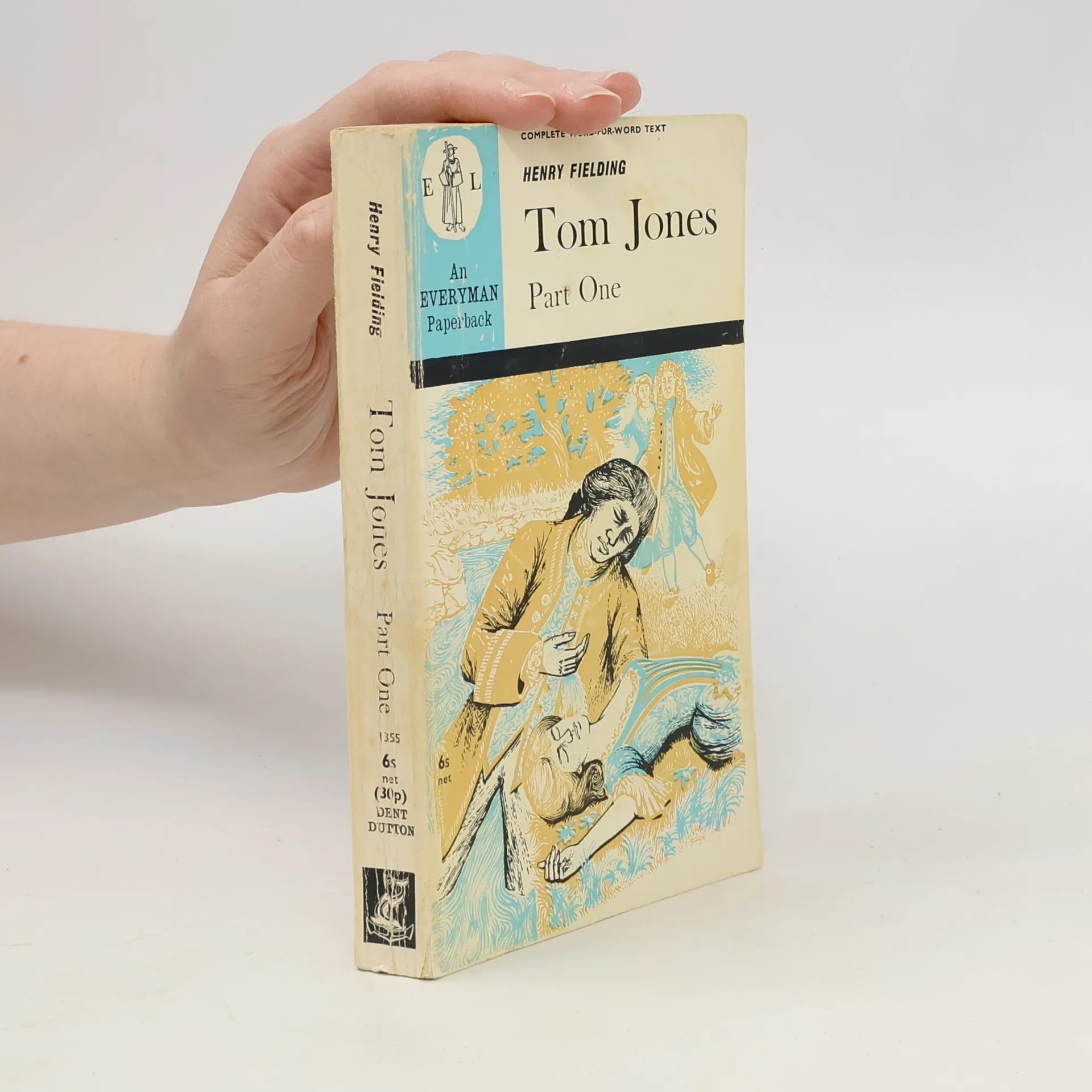
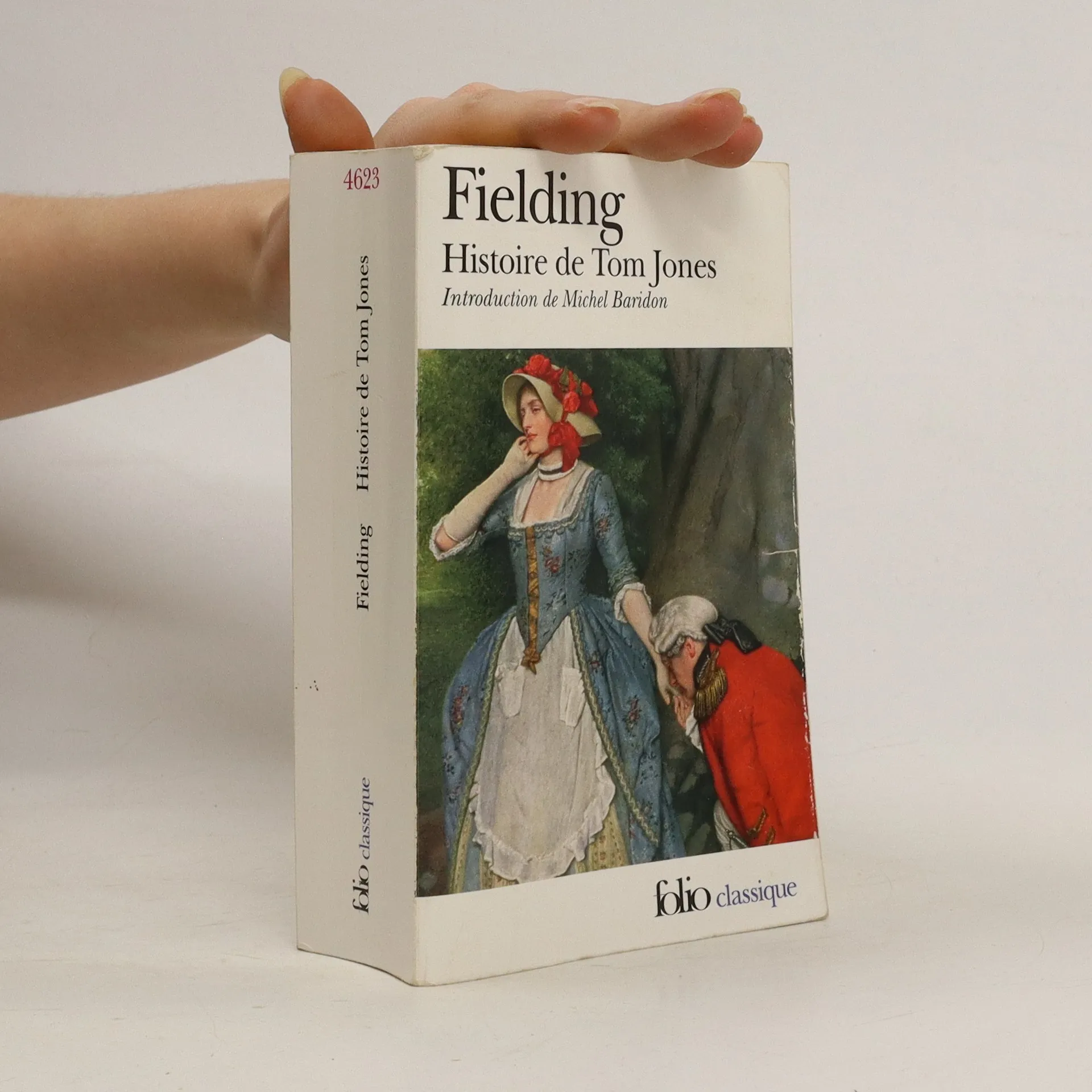
Tom Jones, enfant trouvé élevé par un châtelain, et amoureux de Sophie, rencontre de nombreuses aventures, de la campagne à la ville et au bonheur. Le roman est un vaste panorama de l'Angleterre au XVIIIe siècle. Il se place dans la tradition de la satire, à la suite de Gulliver de Swift et de L'Opéra du gueux de John Gay, mais aussi de Molière et de Cervantès : l'auteur ne veut pas seulement nous amuser, il défend une morale philosophique et chrétienne, tout en rejetant le conservatisme. Il se rattache à la philosophie de la liberté de Locke. Fielding renouvelle le roman d'aventures et de mœurs en le nourrissant de sa culture, qui va du roman gréco-romain aux picaresques espagnols et à Manon Lescaut. Il s'agit, et c'est ce qui en fait la gloire, d'une " épopée comique en prose ", comme le dit l'auteur lui-même.

Henry Fielding Livres
Henry Fielding fut un auteur britannique influent dont la carrière précoce de dramaturge fut écourtée par la censure politique. Après l'interdiction de ses pièces satiriques, Fielding se tourna vers l'écriture de romans, s'assurant ainsi une place durable dans la littérature. Ses chefs-d'œuvre sont célébrés pour leur esprit, leur commentaire social incisif et leurs personnages complexes. Fielding a exploré la nature humaine et les maux de la société avec un mélange d'humour et d'intelligence, s'établissant comme une figure centrale de la prose anglaise.


Tom Jones
- 854pages
- 30 heures de lecture
Fortælling fra det 18. århundredes England om et hittebarns brogede og omskiftelige liv til hans rette identitet opdages.
The History of the Life of the Late Mr. Jonathan Wild the Great
- 196pages
- 7 heures de lecture
Henry Fielding, an influential English novelist and dramatist, is celebrated for his satirical and humorous works, particularly the comic novel Tom Jones. He is recognized as a pioneer of the English novel alongside Samuel Richardson. Additionally, he played a significant role in law enforcement by establishing the Bow Street Runners, London's first professional police force. His theatrical writings, notably leading to the Theatrical Licensing Act of 1737, reflect his impact on both literature and society during his time.
This Norton Critical Edition reprints the authoritative Wesleyan text of Joseph Andrews, edited by Martin Battestin.
Joseph Andrews
- 391pages
- 14 heures de lecture
This fascinating volume contains a detailed treatise written by Henry Fielding on his seminal work, Joseph Andrews. Including interesting examinations of his characters and motifs, as well as comments on writing prose fiction in general and the various vicissitudes that come with it, this is a volume that will prove invaluable to the student of English Literature, and it is not to be missed by fans of Fielding's seminal work. 'Joseph Andrews, or The History of the Adventures of Joseph Andrews and of his Friend Mr. Abraham Adams', was the first published full-length novel of the English author and magistrate Henry Fielding, and indeed among the first novels in the English language. Henry Fielding (1707 ? 1754) was an English novelist and dramatist known for his rich earthy humour and satirical prowess, and as for being the author of the famous novel Tom Jones. The chapters of this book include: 'Of Writing Lives in General, and Particularly of Pamela with a Word By the Bye of Colley Cibber and Others'; 'Of Mr. Joseph Andrews, His Birth, Parentage, Education, and Great Endowments, With a Word or Two Concerning Ancestors'; 'Or Mr. Abraham Adams the Curate, Mrs. Slipslop the Chambermaid, and Others', et cetera.
Wordsworth Classics: The History of Tom Jones a Founding
Complete and Unabridged
Describes the foundling, Tom, who grows to be athletic, charismatic, generous, and filled with "the glorious lust of doing good" but with a tendency toward dissolution. He leaves home to seek his fortune and his real identity.
Renowned for his earthy humor and satire, Fielding significantly shaped the English novel, with "Tom Jones" being a standout work. He co-founded the Bow Street Runners, marking a pivotal moment in law enforcement history. His involvement in theatre also led to the Theatrical Licensing Act of 1737, a direct response to his provocative plays, notably the unproduced "The Golden Rump." Fielding's contributions extend beyond literature, influencing both policing and theatrical regulation in 18th-century England.