Tabula Rasa
- 192pages
- 7 heures de lecture
A literary legend’s engaging review of his career, stressing the work he never completed, and why.


John McPhee est un maître de la prose, réputé pour sa capacité extraordinaire à éclairer les complexités du monde qui nous entoure. Son style journalistique plonge profondément dans des sujets apparemment ordinaires, révélant leurs complexités cachées grâce à une recherche méticuleuse et un œil vif pour les détails. À travers son œuvre, McPhee explore les récits ancrés dans la géologie, la nature et l'ingéniosité humaine, invitant les lecteurs à considérer l'interconnexion des phénomènes. Son approche distinctive transforme le factuel en fascinant, suscitant la contemplation sur les histoires profondes de la vie quotidienne.

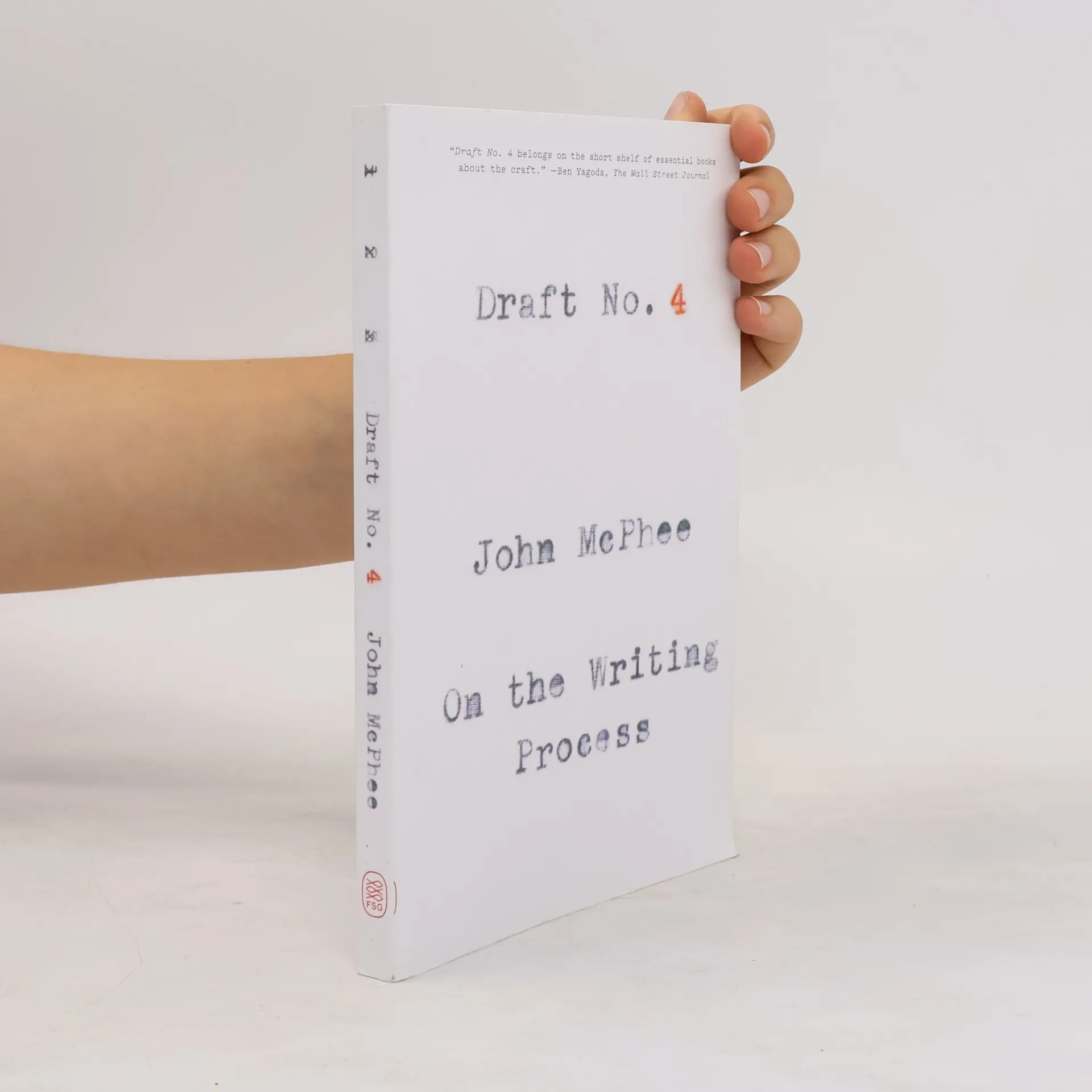
A literary legend’s engaging review of his career, stressing the work he never completed, and why.
This wide-ranging essay collection serves as a covert memoir of a cult literary figure—New Yorker writer John McPhee.
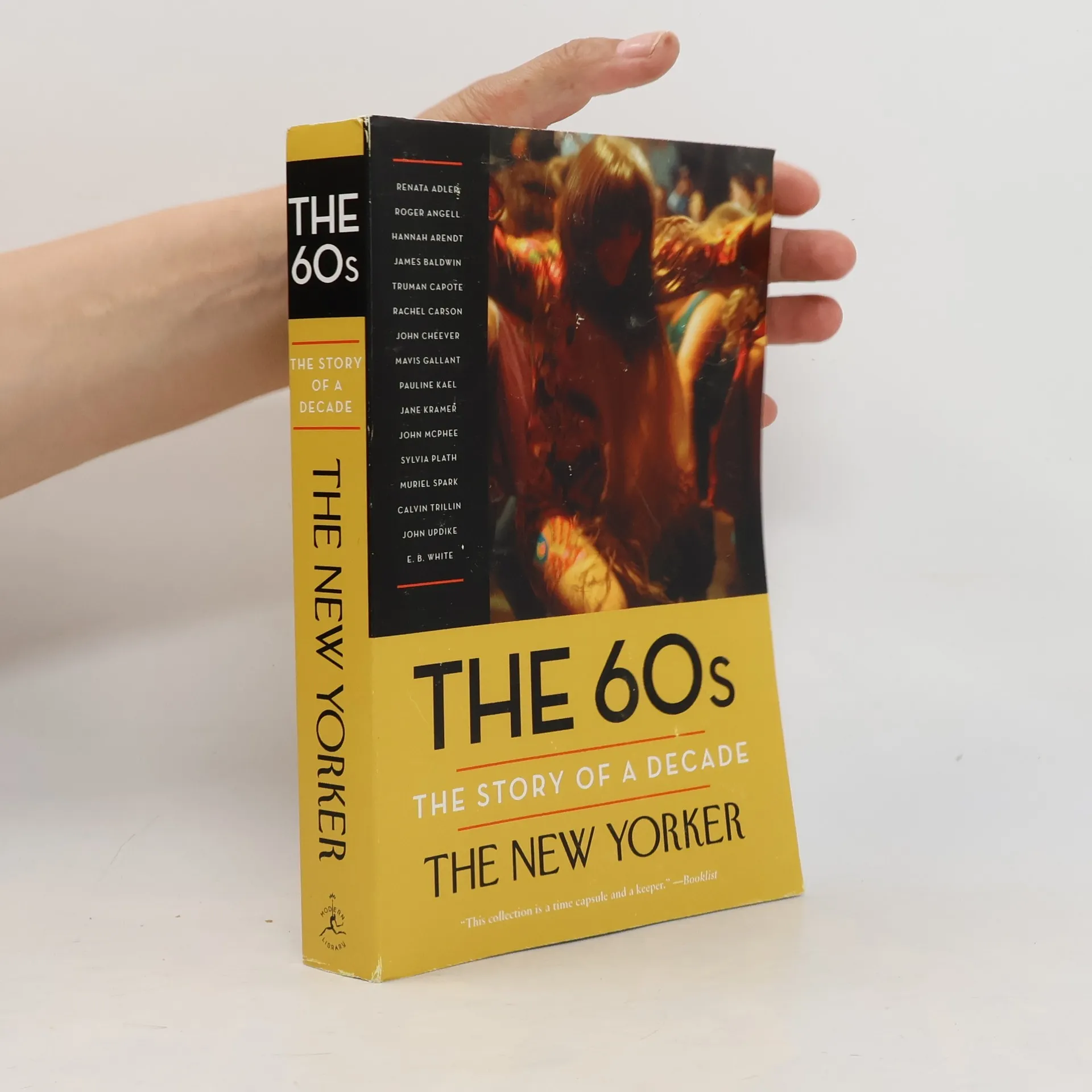
The anthology features significant New Yorker articles from the tumultuous 20th century, showcasing works by renowned authors like James Baldwin, Sylvia Plath, and Pauline Kael. It also includes contemporary evaluations of the 1960s by today's leading writers, providing a rich exploration of the era's cultural and social dynamics. This collection highlights both historical perspectives and modern interpretations, making it a compelling read for those interested in literary history and the evolution of thought during a pivotal decade.
The long-awaited guide to writing long-form nonfiction by the legendary author and teacher.
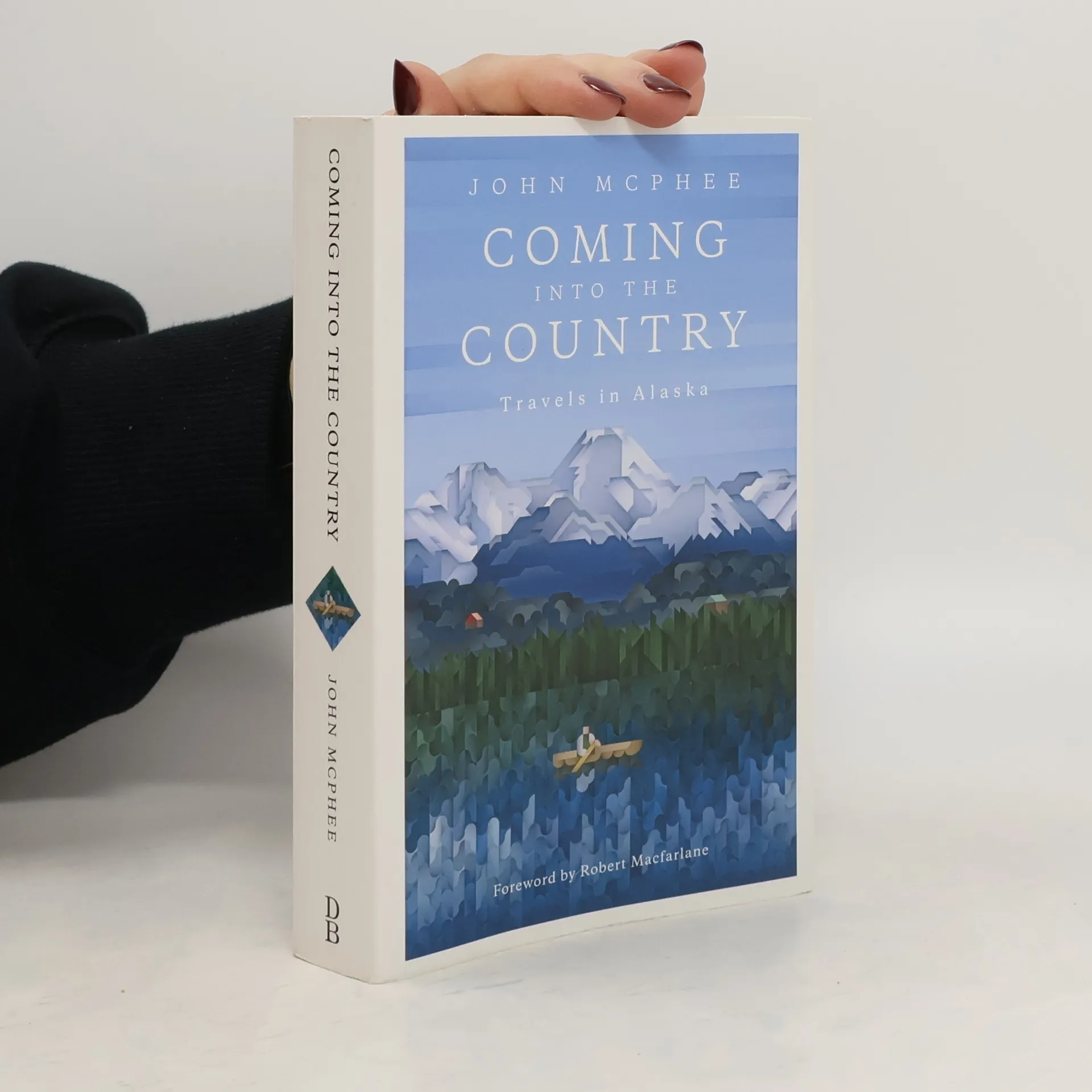
Plunge into the wild climate of unknown Alaska in this riveting travel account.
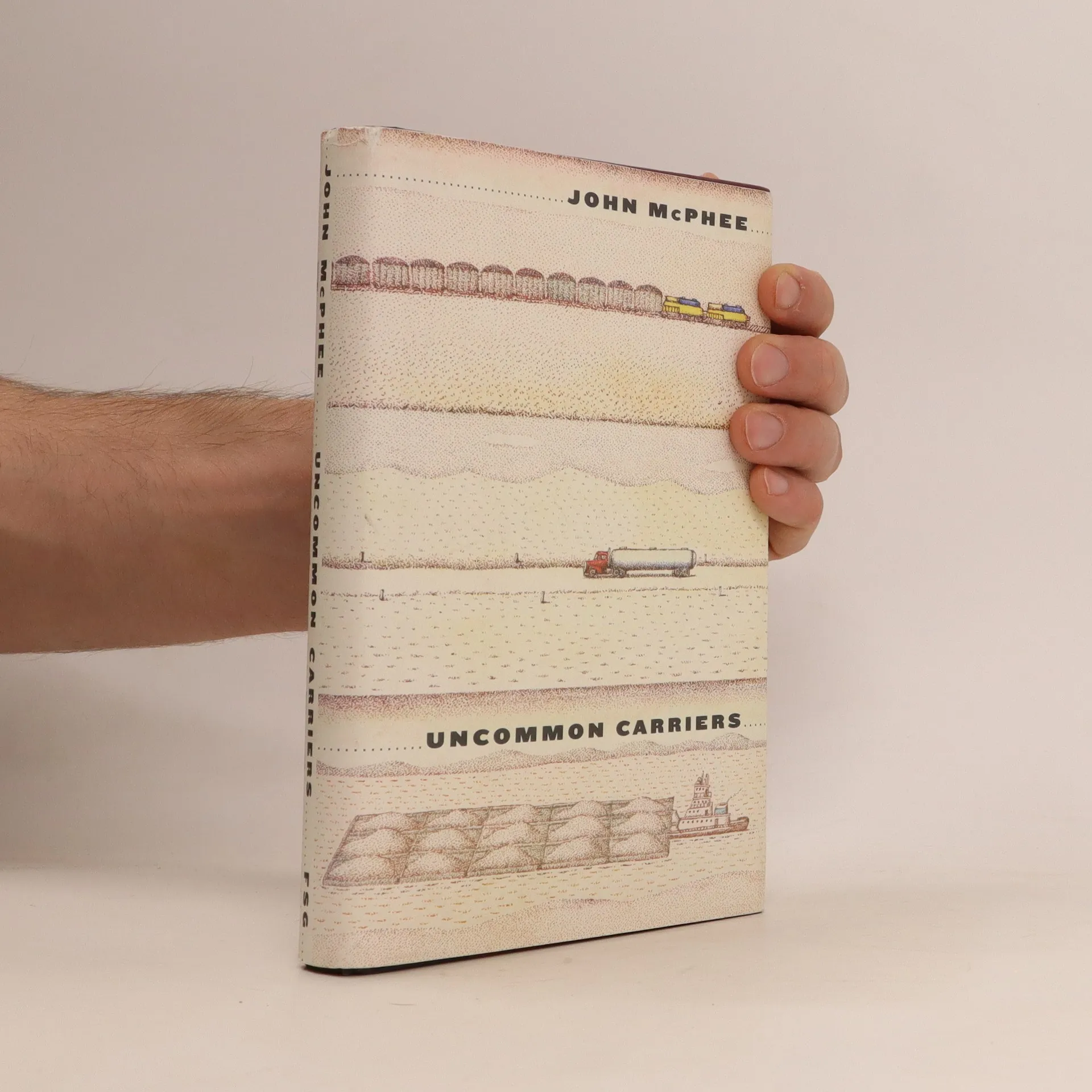
"This is a book about people who drive trucks, captain ships, pilot towboats, drive coal trains, and carry lobsters through the air: people who work in freight transportation. In recent years, John McPhee has spent considerable time with such people, and Uncommon Carriers is his sketchbook of them, of their work, and of his journeys in their company."--BOOK JACKET.
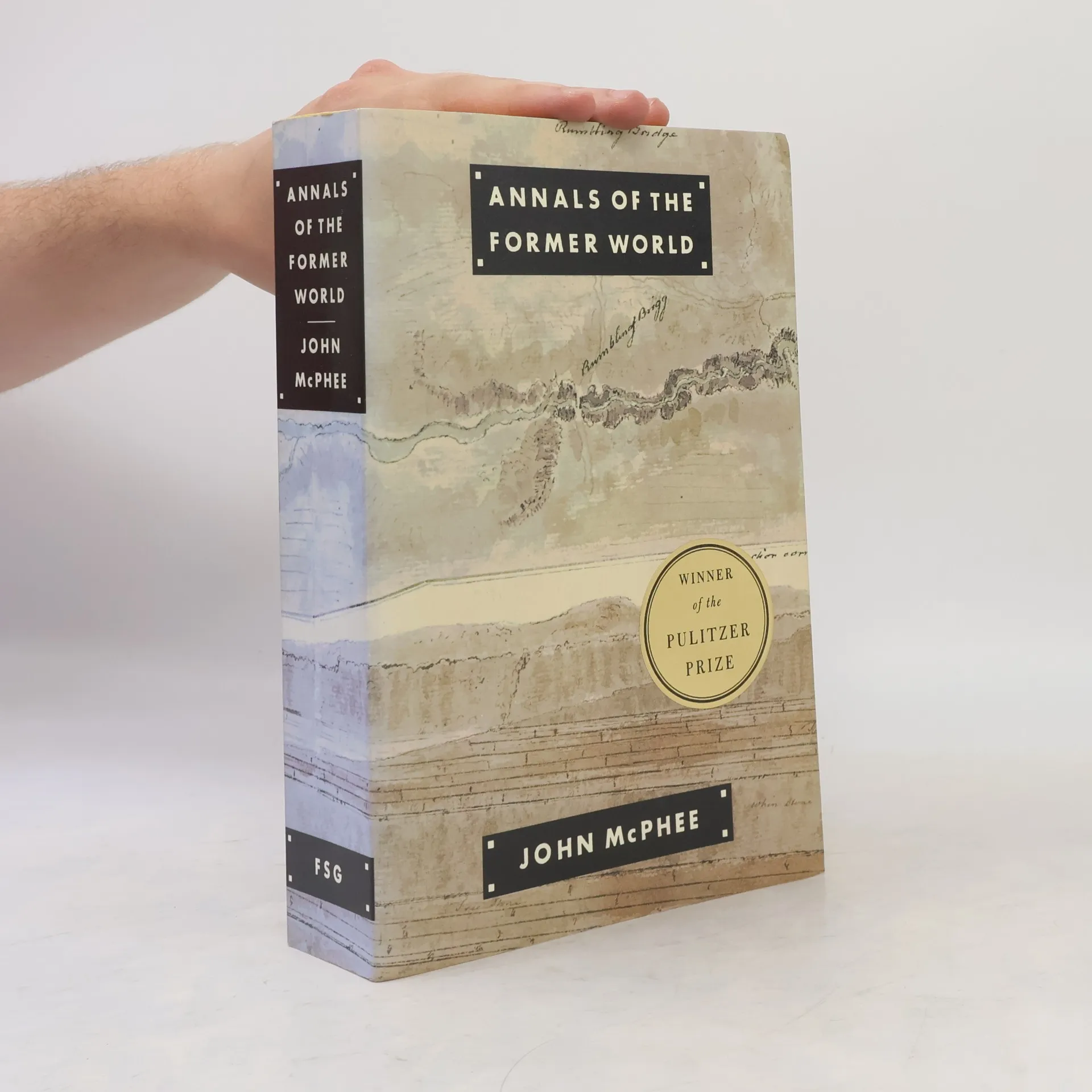
The Pulitzer Prize-winning view of the continent, across the fortieth parallel and down through 4.6 billion yearsTwenty years ago, when John McPhee began his journeys back and forth across the United States, he planned to describe a cross section of North America at about the fortieth parallel and, in the process, come to an understanding not only of the science but of the style of the geologists he traveled with. The structure of the book never changed, but its breadth caused him to complete it in stages, under the overall title Annals of the Former World.Like the terrain it covers, Annals of the Former World tells a multilayered tale, and the reader may choose one of many paths through it. As clearly and succinctly written as it is profoundly informed, this is our finest popular survey of geology and a masterpiece of modern nonfiction.Annals of the Former World is the winner of the 1999 Pulitzer Prize for Nonfiction.
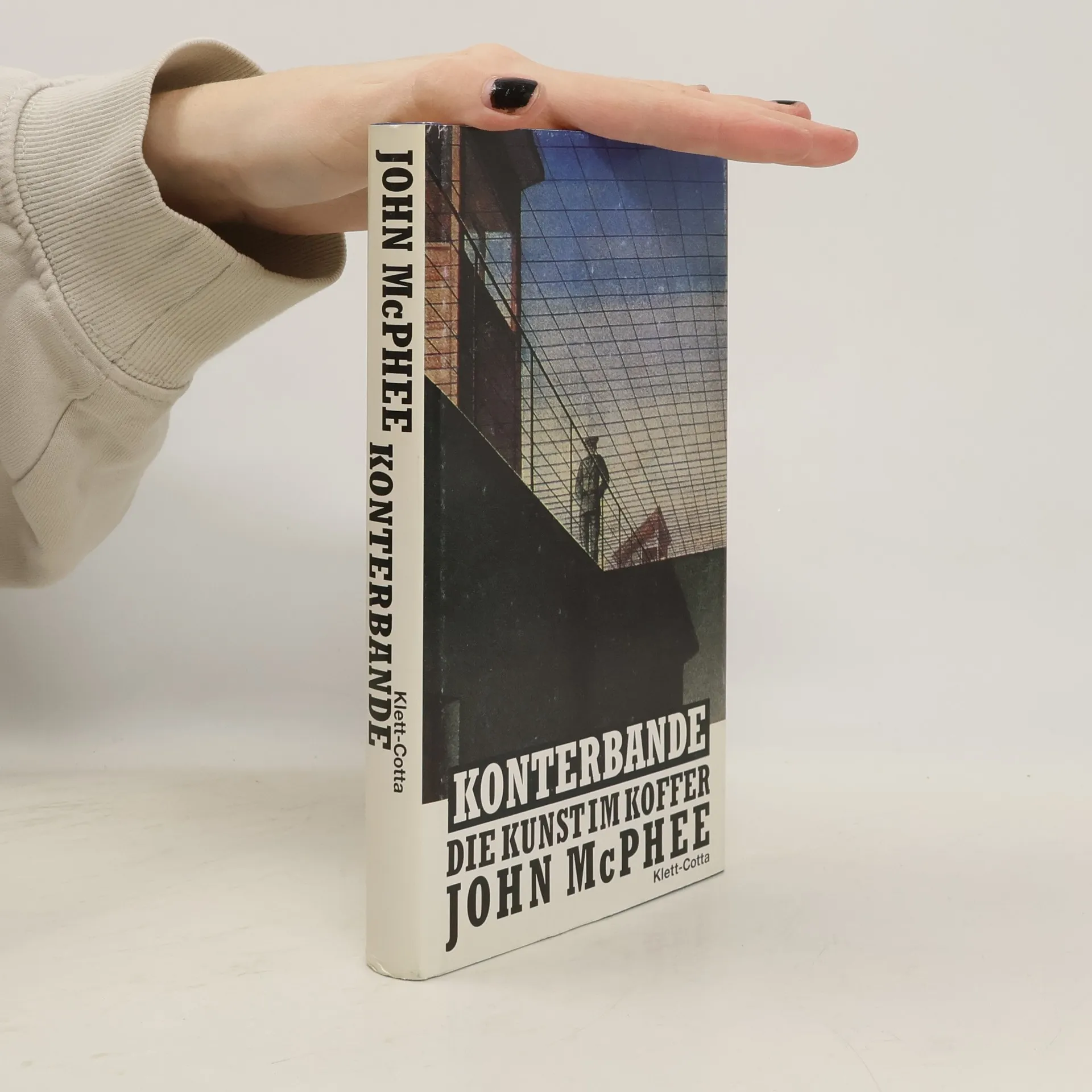
die Kunst im Koffer oder die Rettung der russischen Gegenwartskunst
In den 1960er und 1970er Jahren unternahm der amerikanische Professor Norton Dodge eigenständig Reisen in die Sowjetunion, kaufte die Werke von untergrund "inoffiziellen" Künstlern und brachte sie selbst heraus oder arrangierte, dass sie illegal in die Vereinigten Staaten verschifft wurden. John McPhee untersucht Dodges geheime Aktivitäten im Dienst der dissidenten sowjetischen Kunst, seine Motive für seine Arbeit und die Schicksale mehrerer Künstler, deren Leben er berührte. The Ransom of Russian Art ist ein spannender, erschreckender und faszinierender Bericht über eine geheime Operation wie keine andere.
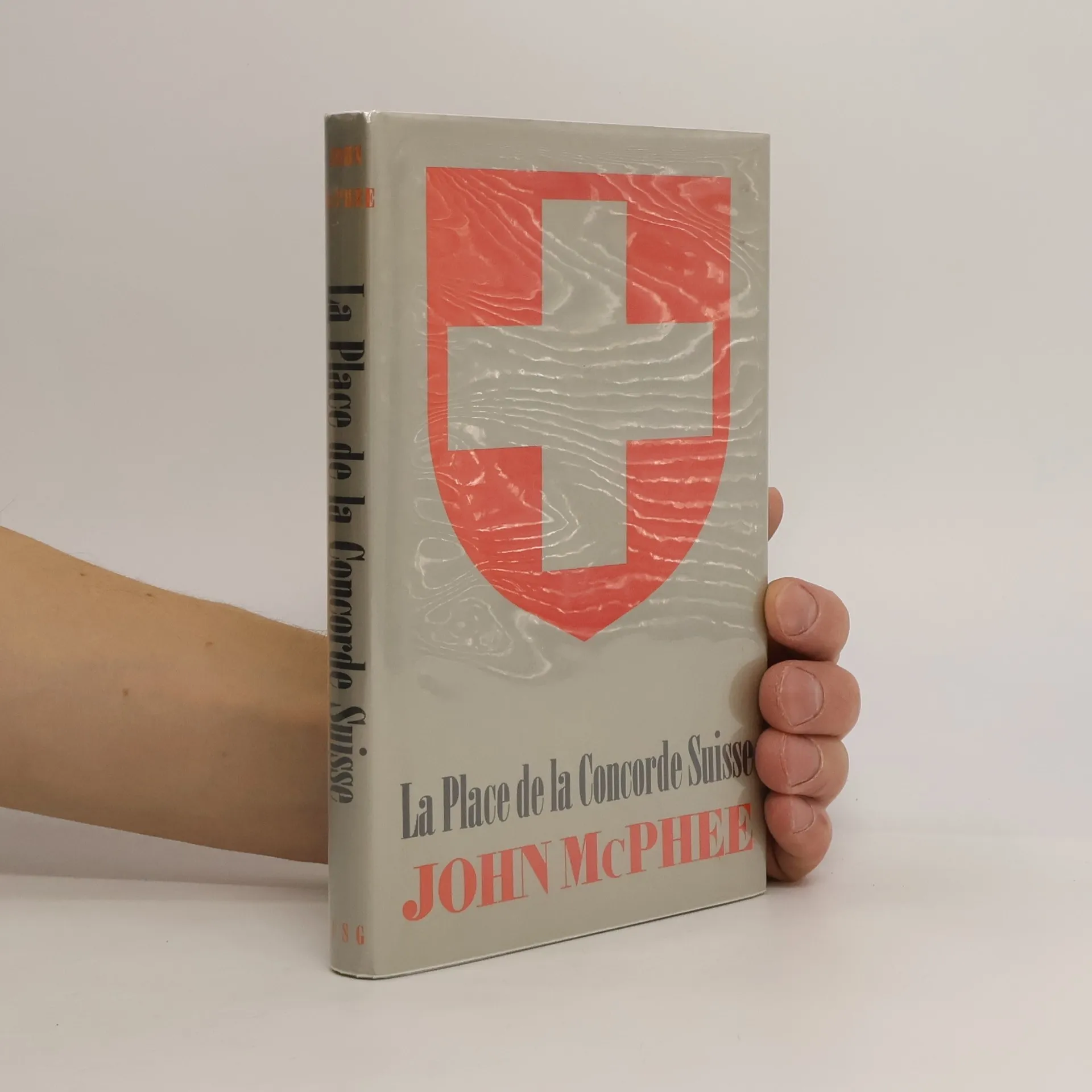
Anyone who has ever traveled in Switzerland cannot help but to have remarked upon the overwhelming tranquility of the country. But this tranquility is illusory. As John McPhee writes in a rich journalistic study of the Swiss Army's role in Swiss society, "there is scarcely a scene in Switzerland that is not ready to erupt in fire to repel an invasive war." With a population smaller than New Jersey's, Switzerland has a standing army of 650,000 ready to be mobilized in less than 48 hours. The Swiss Army, known chiefly for its little red pocketknives, is so quietly efficient at the arts of war that the Israelis carefully patterned their own military on the Swiss model. You'll understand why after reading this outstanding book.
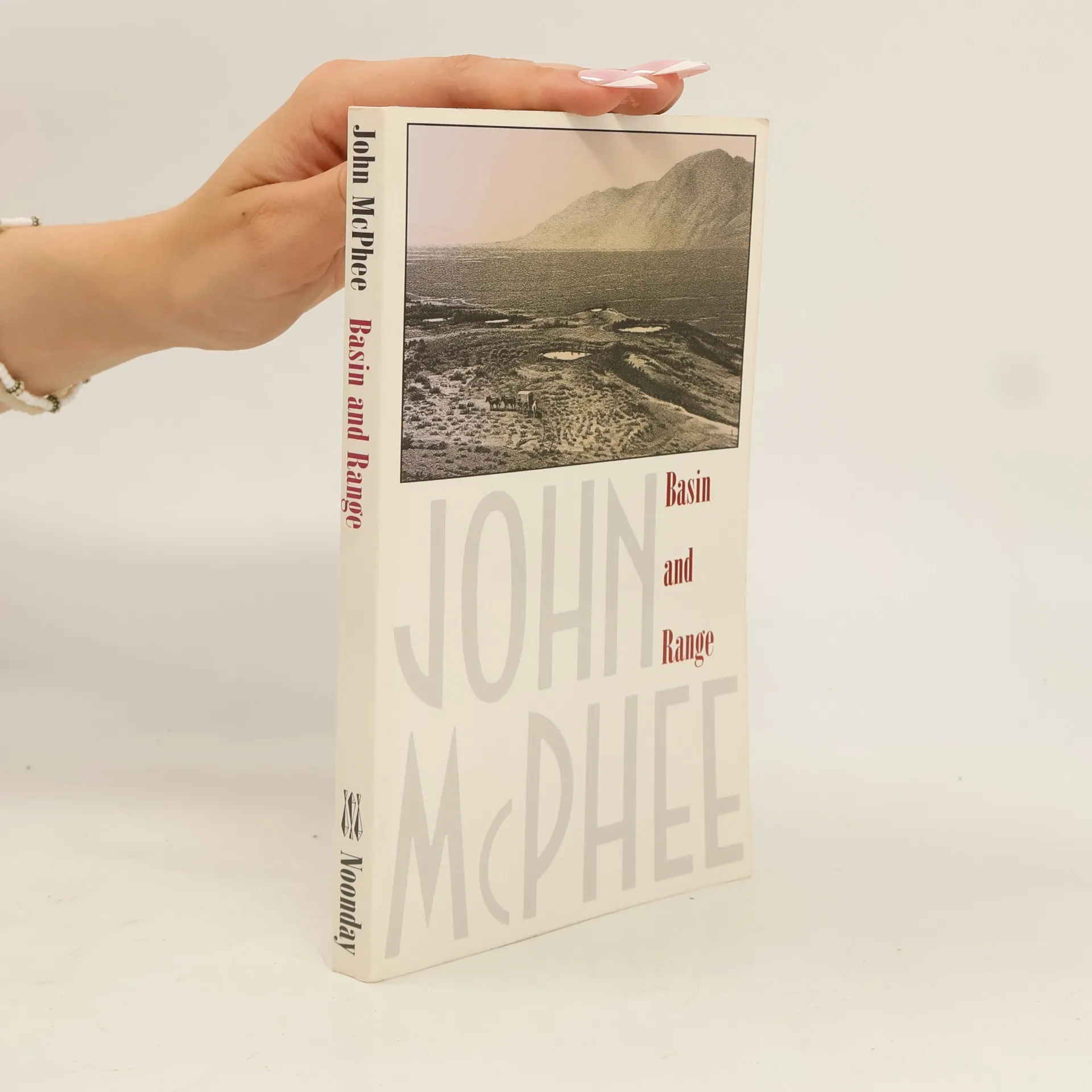
The first of John McPhee’s works in his series on geology and geologists, Basin and Range is a book of journeys through ancient terrains, always in juxtaposition with travels in the modern world—a history of vanished landscapes, enhanced by the histories of people who bring them to light. The title refers to the physiographic province of the United States that reaches from eastern Utah to eastern California, a silent world of austere beauty, of hundreds of discrete high mountain ranges that are green with junipers and often white with snow. The terrain becomes the setting for a lyrical evocation of the science of geology, with important digressions into the plate-tectonics revolution and the history of the geologic time scale.
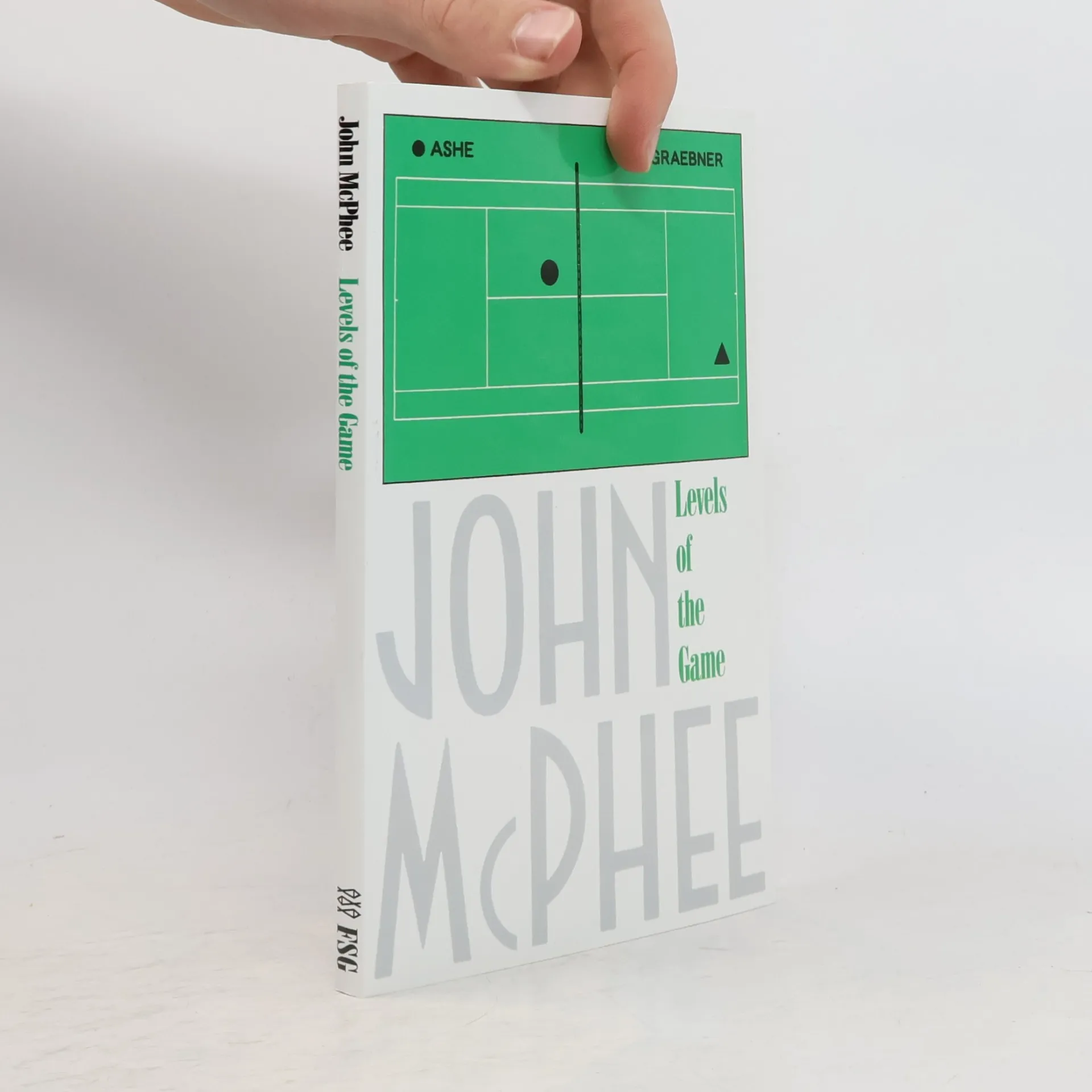
Levels of the Game is John McPhee's astonishing account of a tennis match played by Arthur Ashe against Clark Graebner at Forest Hills in 1968.It begins with the ball rising into the air for the initial serve and ends with the final point. McPhee provides a brilliant, stroke-by-stroke description while examining the backgrounds and attitudes which have molded the players' games."This may be the high point of American sports journalism"- Robert Lipsyte, The New York Times
The John McPhee Reader, first published in 1976, is comprised of selections from the author's first twelve books. In 1965, John McPhee published his first book, A Sense of Where You Are; a decade later, he had published eleven others. His fertility, his precision and grace as a stylist, his wit and uncanny brilliance in choosing subject matter, his crack storytelling skills have made him into one of our best writers: a journalist whom L.E. Sissman ranked with Liebling and Mencken, who Geoffrey Wolff said "is bringing his work to levels that have no measurable limit," who has been called "a master craftsman" so many times that it is pointless to number them.
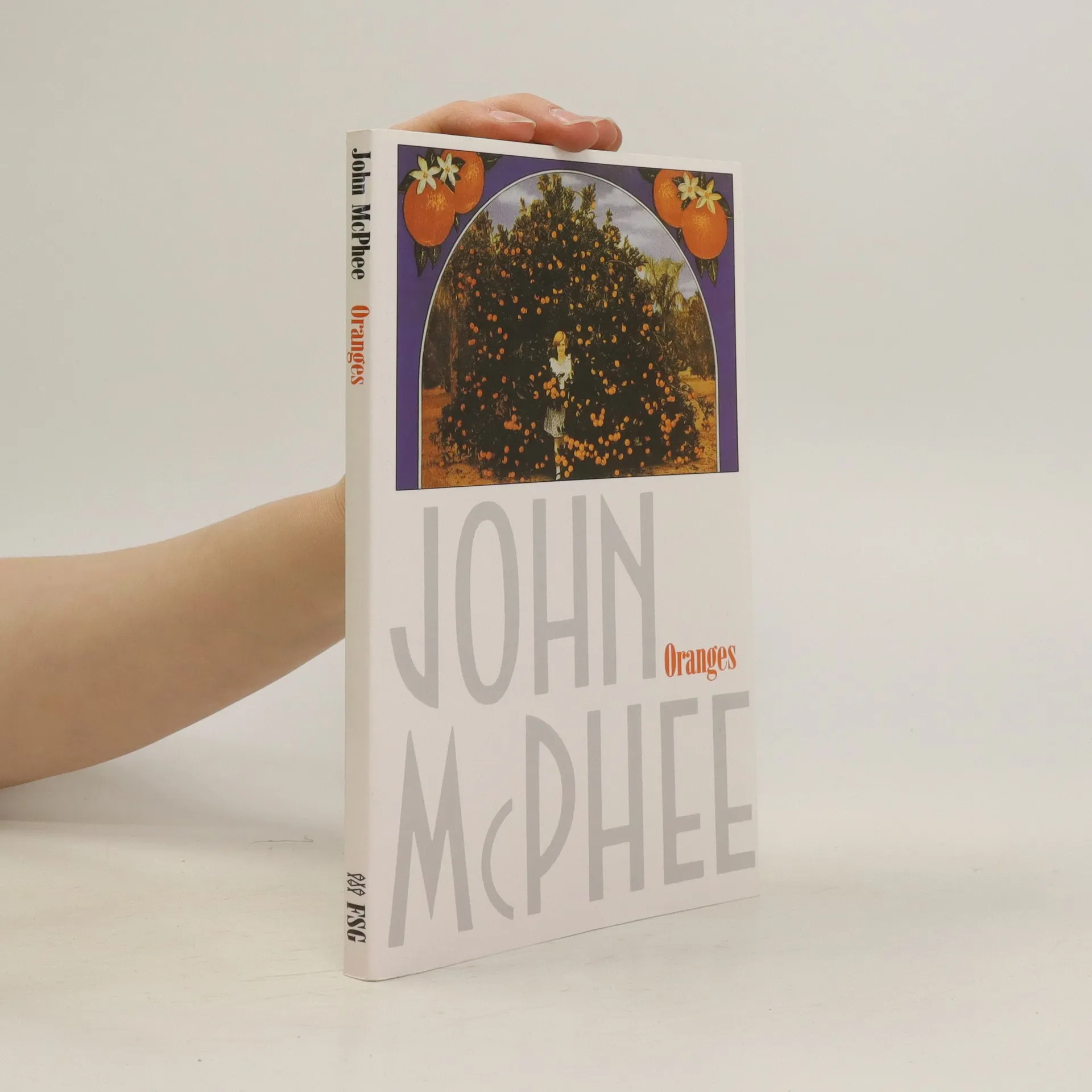
A classic of reportage, Oranges was first conceived as a short magazine article about oranges and orange juice, but the author kept encountering so much irresistible information that he eventually found that he had in fact written a book. It contains sketches of orange growers, orange botanists, orange pickers, orange packers, early settlers on Florida's Indian River, the first orange barons, modern concentrate makers, and a fascinating profile of Ben Hill Griffin of Frostproof, Florida who may be the last of the individual orange barons. McPhee's astonishing book has an almost narrative progression, is immensely readable, and is frequently amusing. Louis XIV hung tapestries of oranges in the halls of Versailles, because oranges and orange trees were the symbols of his nature and his reign. This book, in a sense, is a tapestry of oranges, too—with elements in it that range from the great orangeries of European monarchs to a custom of people in the modern Caribbean who split oranges and clean floors with them, one half in each hand.