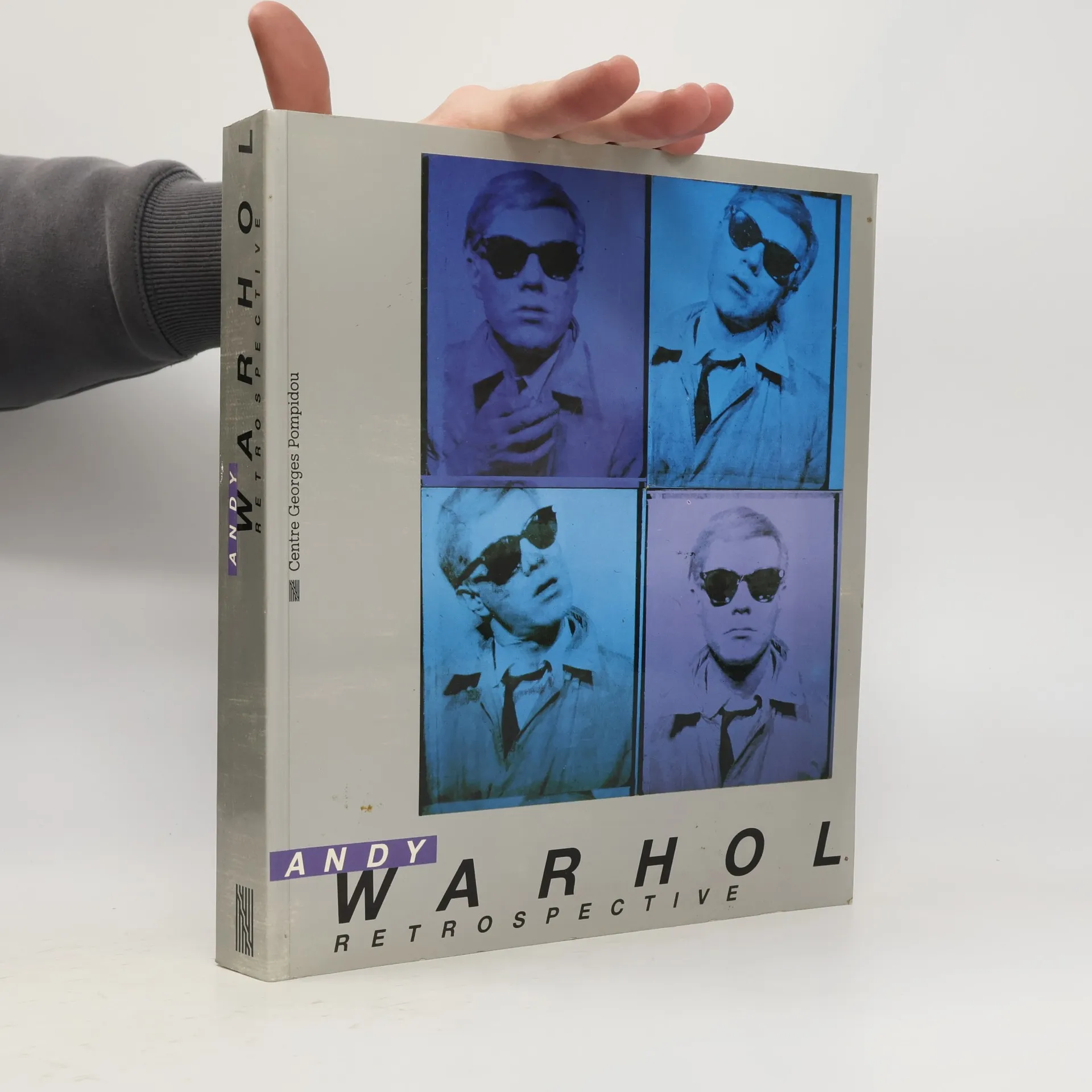
Robert Rosenblum était un historien et critique d'art distingué dont le travail a illuminé le paysage de l'art moderne et contemporain. Ses analyses perspicaces ont plongé au cœur de l'expression artistique, explorant l'évolution du langage visuel et son impact profond. À travers ses écrits prolifiques, il a offert aux lecteurs une compréhension plus approfondie des chefs-d'œuvre et des mouvements qui ont façonné le monde de l'art, consolidant ainsi son héritage en tant que voix essentielle de la critique d'art.
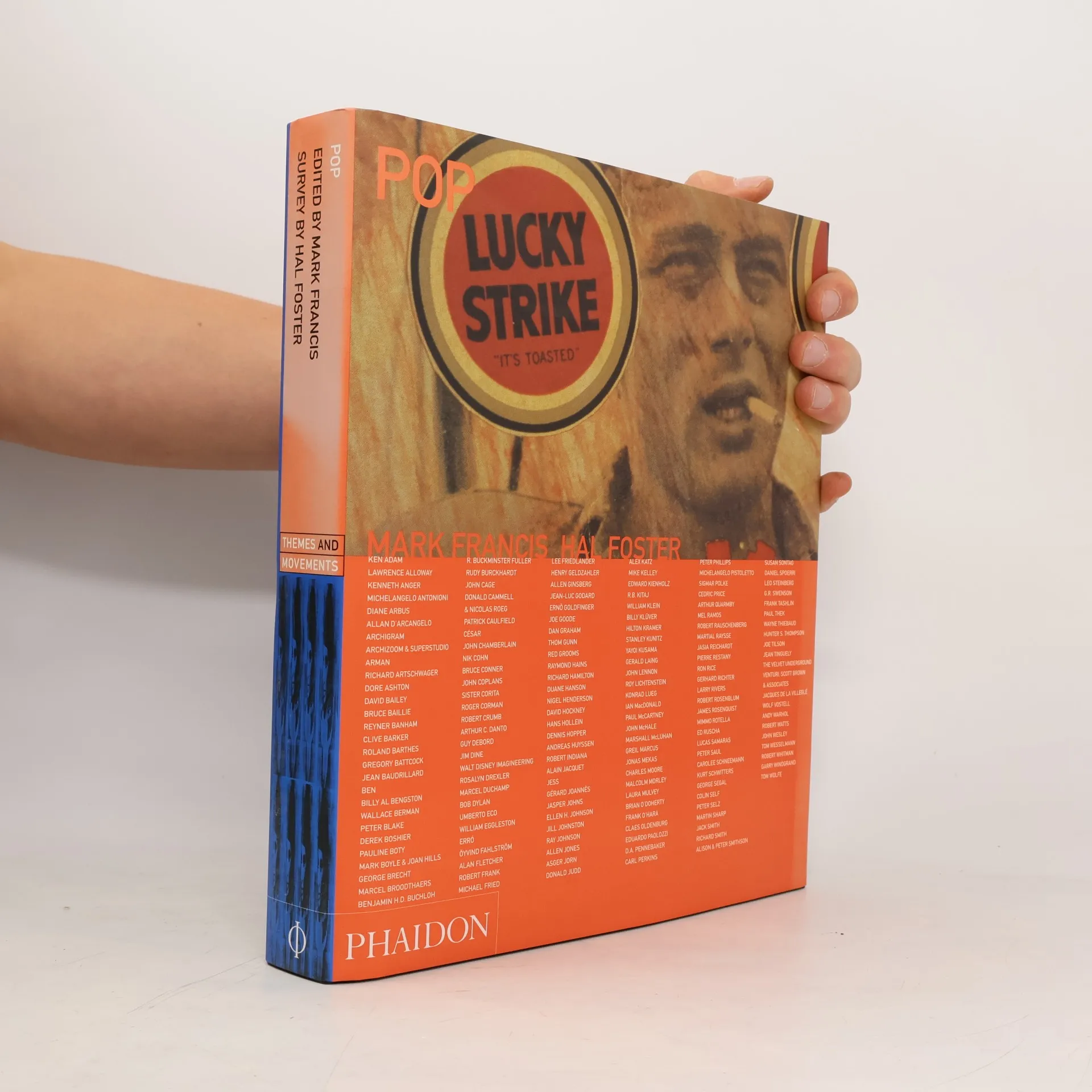
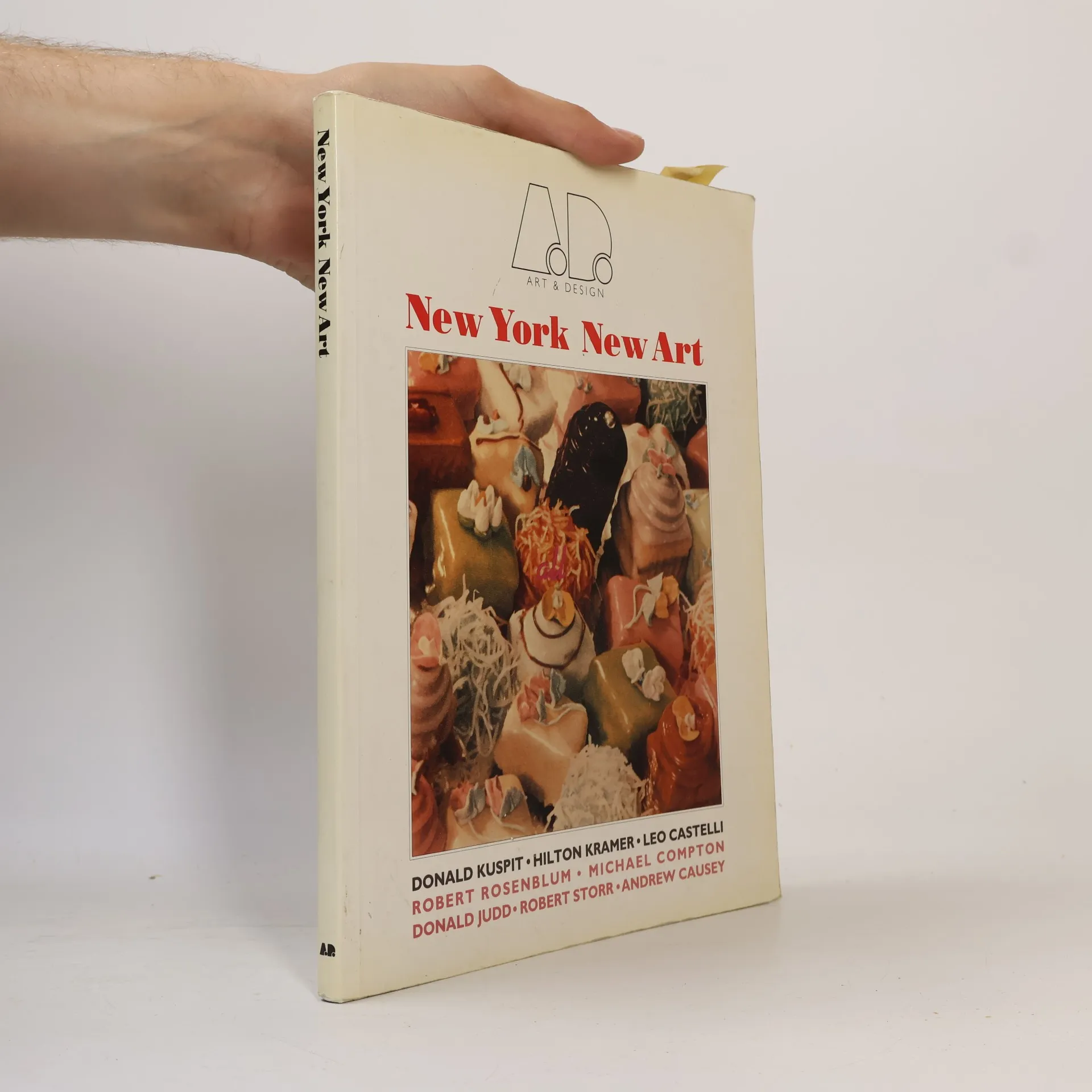
Exploring the evolution of Pop culture from the late 1950s to the late 1960s, this comprehensive survey examines its impact on art, film, photography, and architecture, highlighting the interplay between mass production and mass media. Unlike other works that focus solely on Pop art, it offers a holistic view of the movement's influence across America, Britain, and Europe, showcasing its diverse manifestations and cultural significance during this transformative era.
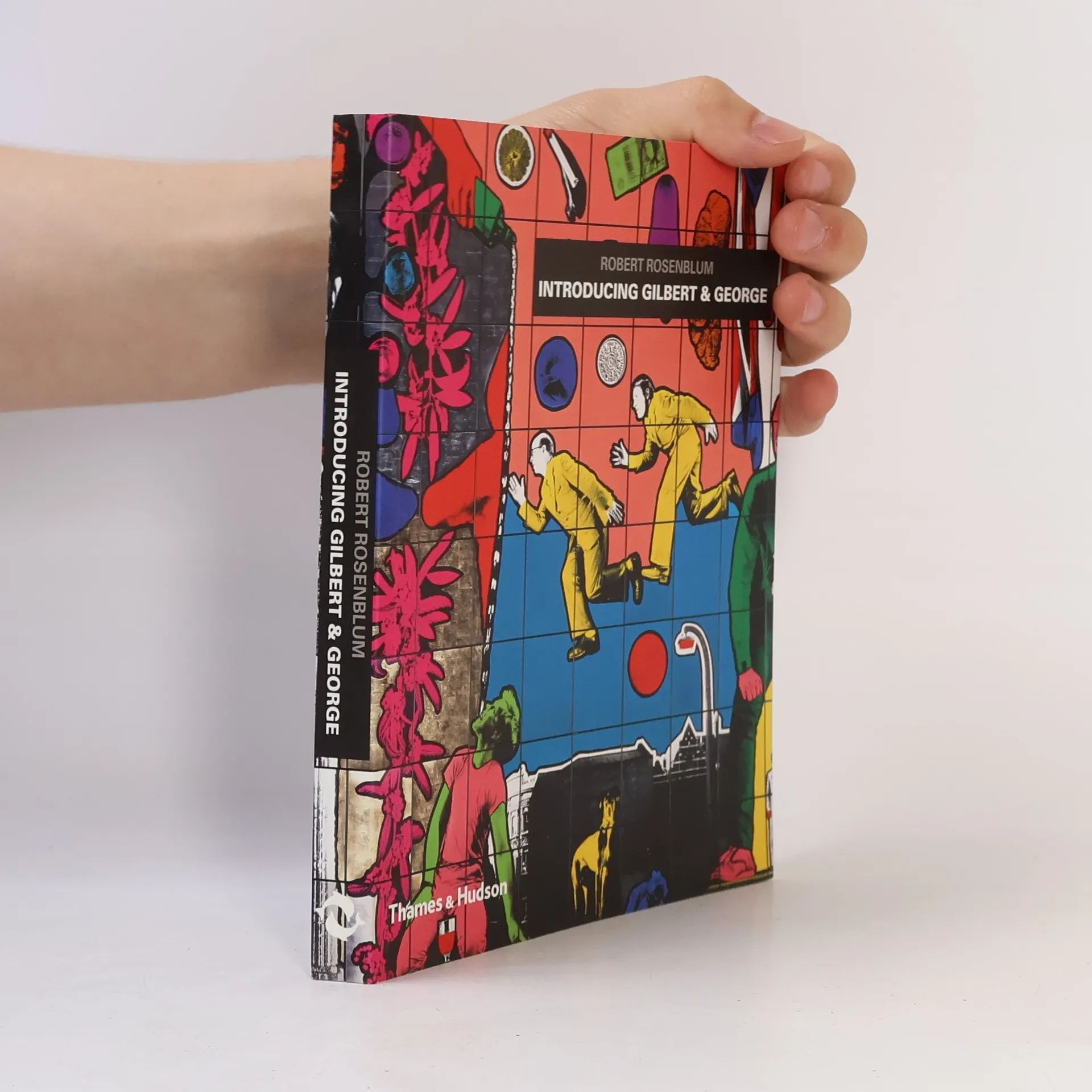
This lively and intimate exploration delves into the careers of two of the most influential living artists today. Since their meeting at St. Martin's School of Art in London in 1967, Gilbert & George have worked exclusively together, transforming their lives into art. Their large, colorful multipanel pictures, featuring them in either matching suits or completely naked, are instantly recognizable. Celebrated globally, their work has been showcased in major exhibitions across the United States, Europe, and Asia, significantly influencing younger generations of artists. Renowned art historian and critic Robert Rosenblum reflects on their lifetime of work, which has both amused and shocked, while addressing fundamental issues such as alcoholism, sex, fear, racial tension, religion, violence, unemployment, and corruption. He highlights how their sculptures, photographs, drawings, and performance pieces position them as humorous and subversive commentators in the tradition of socially engaged artists. Key works, from the "Singing Sculptures" of the late 1960s to their latest vibrant pieces, accompany Rosenblum's insights, complemented by quotes from the artists that reveal their lives and personalities. With a commitment to making art accessible to all, this entertaining book serves as an excellent introduction to their work, featuring 70 illustrations, 50 in color.
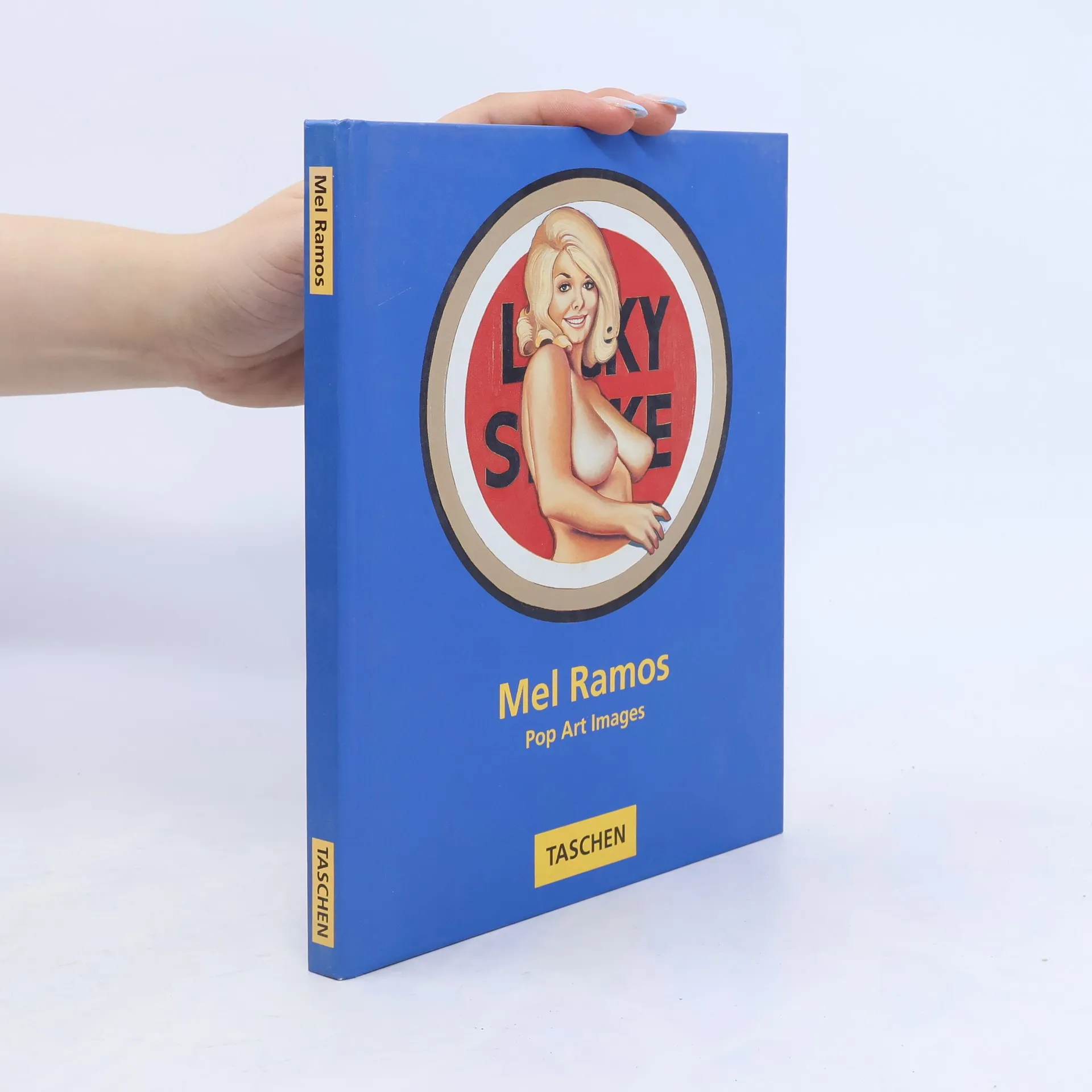
Erotik, Frauen, Sex, Frauen, Fetischismus, Frauen und Besessenheit – unter all den Pop-Art-Künstlern hat sich Mel Ramos vielleicht am intensivsten und konsequentesten mit diesen angenehmen Themen beschäftigt. Immer hell, immer provokant und immer unterhaltsam, sorgen seine Aneignungen einiger der vulgärsten, aber vertrautesten Bilder aus der Werbewelt der 1960er und 70er Jahre dafür, dass der Betrachter sich schämt und gleichzeitig eine solche moralische Reaktion hinterfragt. Wenn seine Gemälde und grafischen Arbeiten auf den ersten Blick für typische, wenn auch anstößige, Produktplatzierungen gehalten werden, wird bald die Absurdität eines nackten Mädchens, das auf einer riesigen Zigarre reitet, sowie der subtile Surrealismus eines anderen nackten Pin-up-Mädchens, das einen riesigen Zündkerze vor einem Unternehmenssymbol hält, offensichtlich. Sex und Konsumkultur sahen nie so gut zusammen aus oder so parodistisch.
Hundreds of paintings are reproduced in a guide to the Paris museum and accompanied by essays by a renowned art historian on Realism, Impressionism, Symbolism, and many other topics
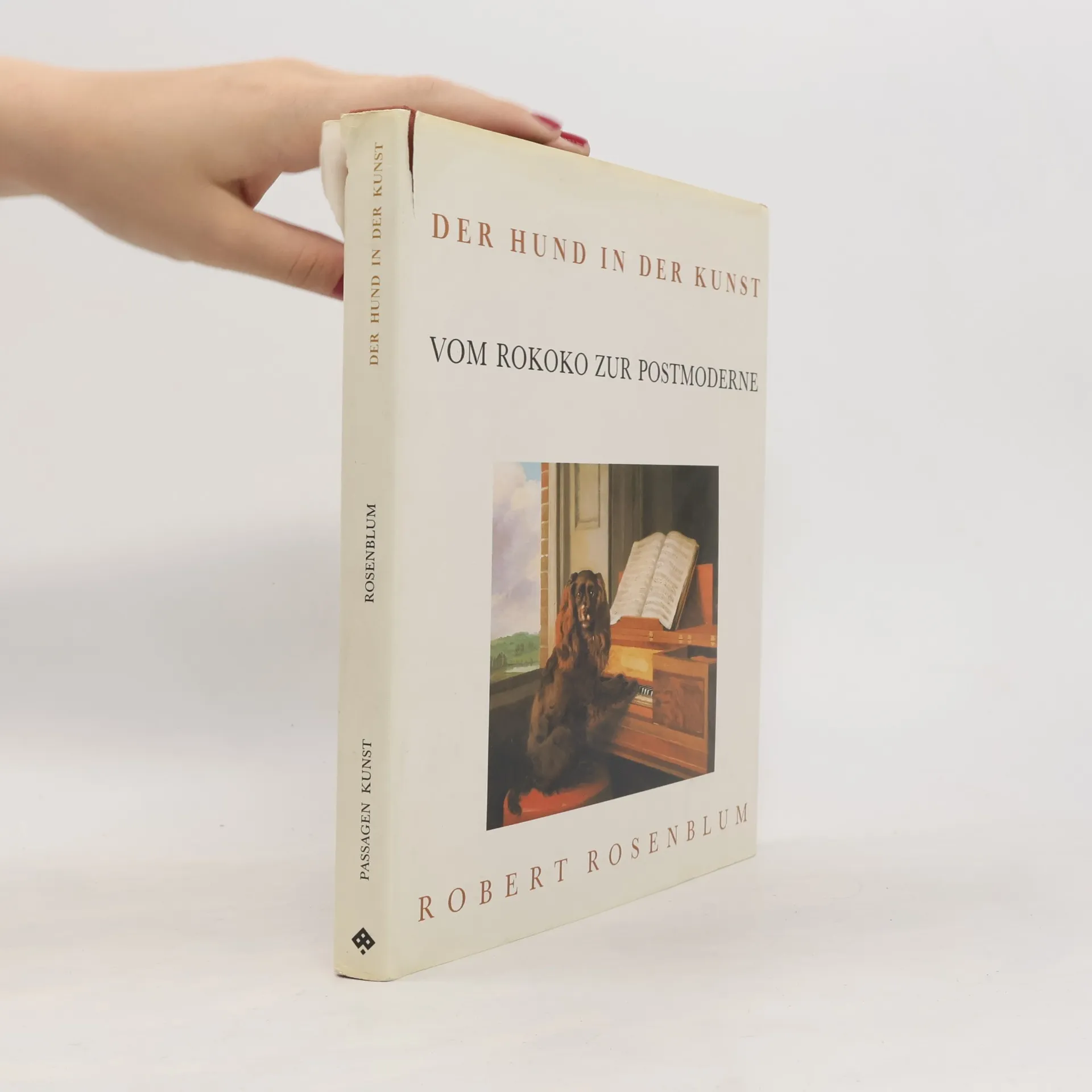
This mock-serious study features images of dogs spanning the flowering of 18th-century Romanticism to the present. Paintings, photographs, drawings, sculptures and architecture present a dog's-eye view of the world in works by Stubbs, Turner, Gauguin, Manet, Renoir, Picasso, Warhol and Wegman.
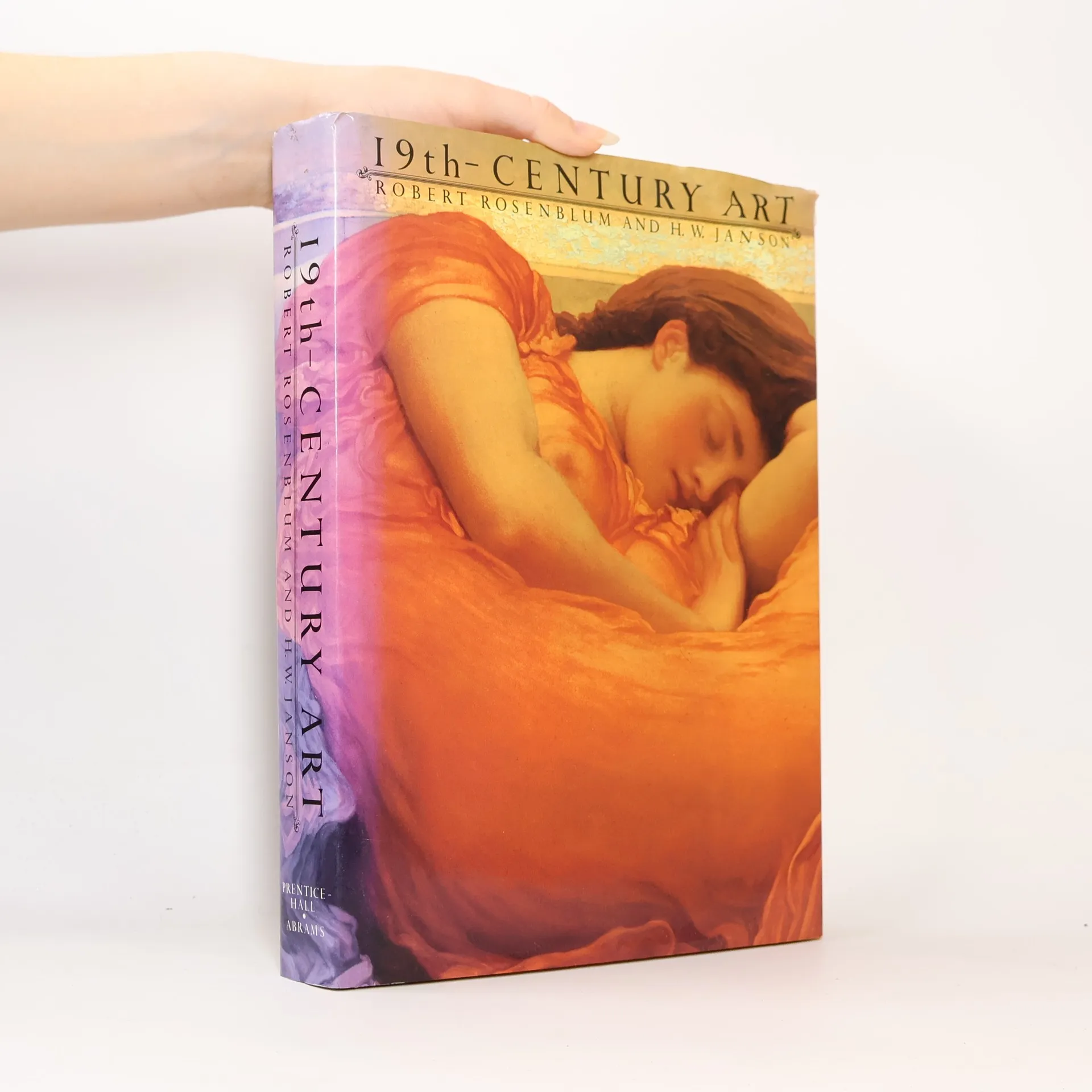
Providing detailed discussion of 232 painters, this text stresses the interconnections of painting and sculpture with the other arts, and to social and political conditions. The book reflects the revisionist interpretation of 19th-century art.
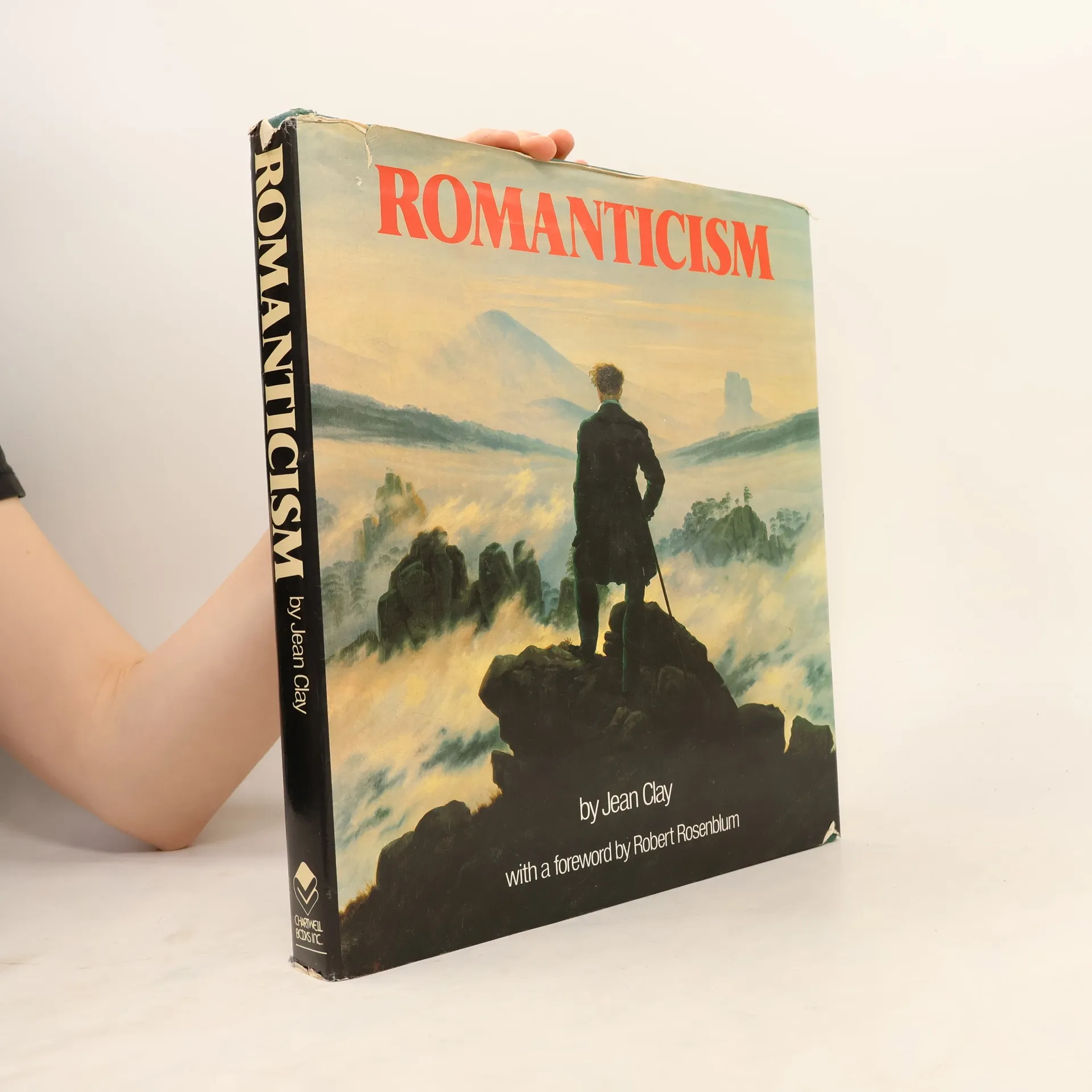
"Form being the language of art, Clay has organized his presentation around those plastic qualities that not only distinguish the revolutionary departures made by Romantic artists but also established the aesthetic foundation upon which the whole modernist movement progressively flattened space, liberated line, purified color, the free handling of imagery, and construction by means of assemblage."
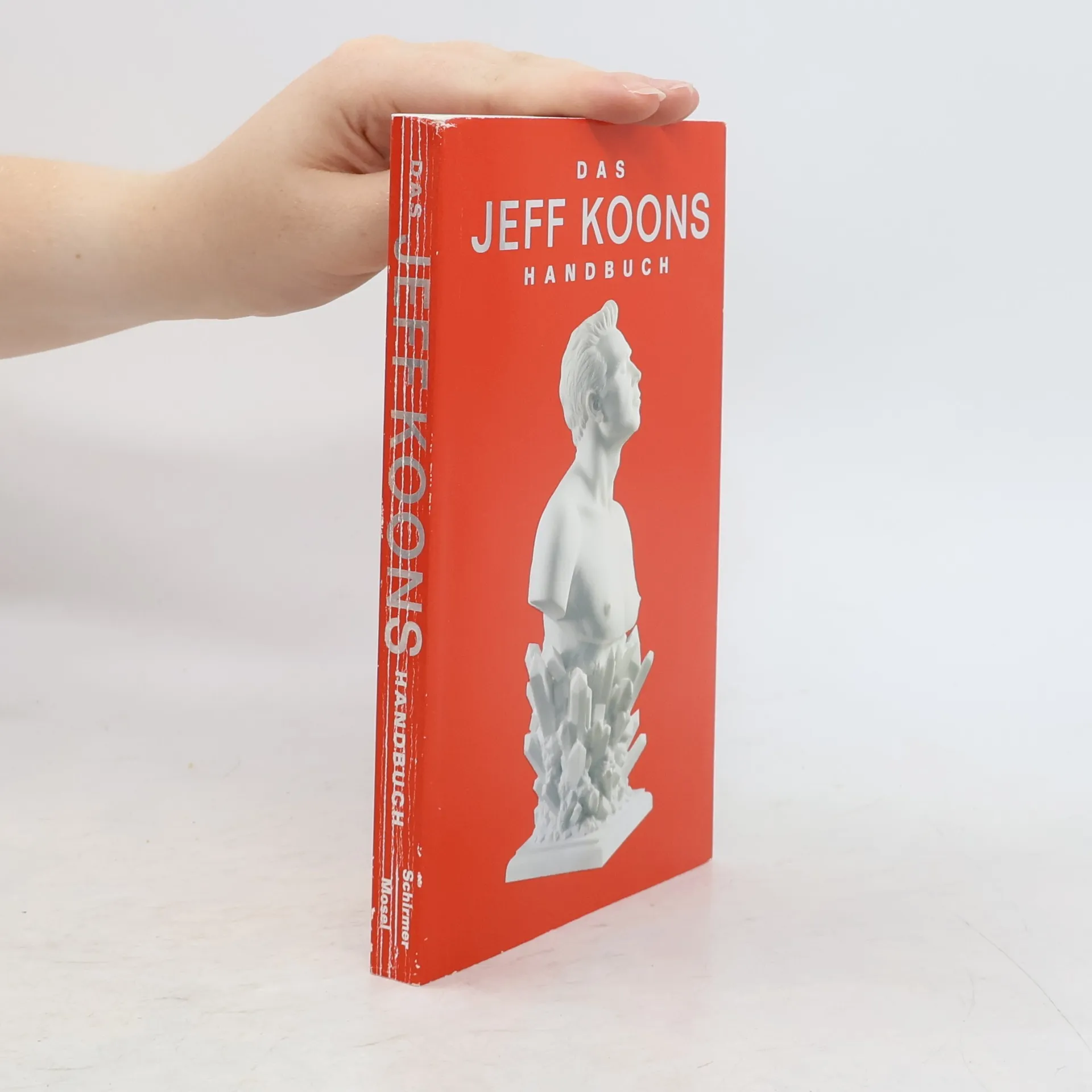
A view of artistic development which argues that the Paris-orientated orthodoxy of modern art does not allow for achievements which, in the eyes of the author, can be fairly called major. Other work by the author includes "The Romantic Child", and "The Jeff Koons Handbook".