
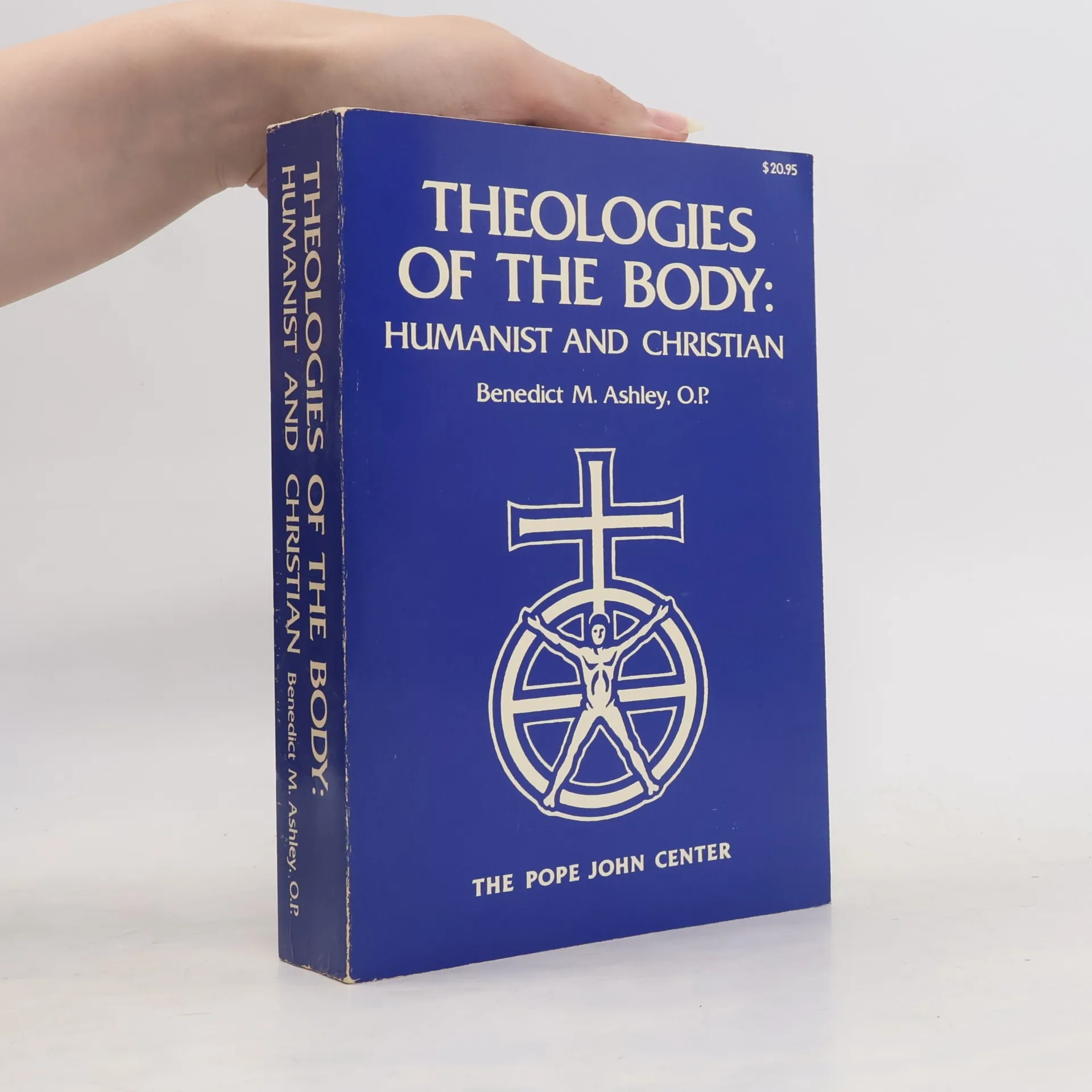
The decades after the Second Vatican Council marked a significant shift in Catholic theology from classicism to an empirical, historically oriented approach. This transition led to moral confusion and intellectual debates that continue to impact the Church. Benedict Ashley acknowledged the need for revisions in moral theology post-Vatican II to effectively articulate and integrate the mysteries of Catholic faith. He proposed a method of theological reflection that counters the subjectivity and historical focus prevalent in contemporary thought, emphasizing a tradition rooted in Scripture, the Magisterium, sound natural science, and a balanced relationship between subjectivity and objectivity. This volume includes insights from four distinguished scholars: Matthew McWhorter offers an intellectual biography of Ashley, tracing his thoughts before and after Vatican II. Rev. Cajetan Cuddy, OP, evaluates Ashley's philosophical theology, particularly its foundations in natural law. Matthew Minerd examines Ashley's views on the authority of the Catholic Magisterium, the papacy, and conscience formation. Rev. Nicanor Pier Giorgio Austriaco, OP, assesses how Ashley's moral theology applies to decisions at the beginning and end of life.
Benedict M. Ashley Livres
Benedict M. Ashley est Professeur Émérite de Théologie Morale, dont le travail plonge profondément dans les considérations éthiques, en particulier dans le domaine de l'éthique médicale catholique, où il est reconnu comme une figure fondamentale. Son parcours intellectuel, partant de l'athéisme et du communisme vers un profond engagement avec la philosophie thomiste, offre une lentille unique à travers laquelle il aborde l'enquête théologique. L'érudition d'Ashley souligne les liens complexes entre la philosophie, la science politique et la théologie, créant une riche tapisserie de pensée. Ses écrits se caractérisent par une analyse rigoureuse ancrée dans une profonde tradition philosophique et un engagement envers les principes éthiques.


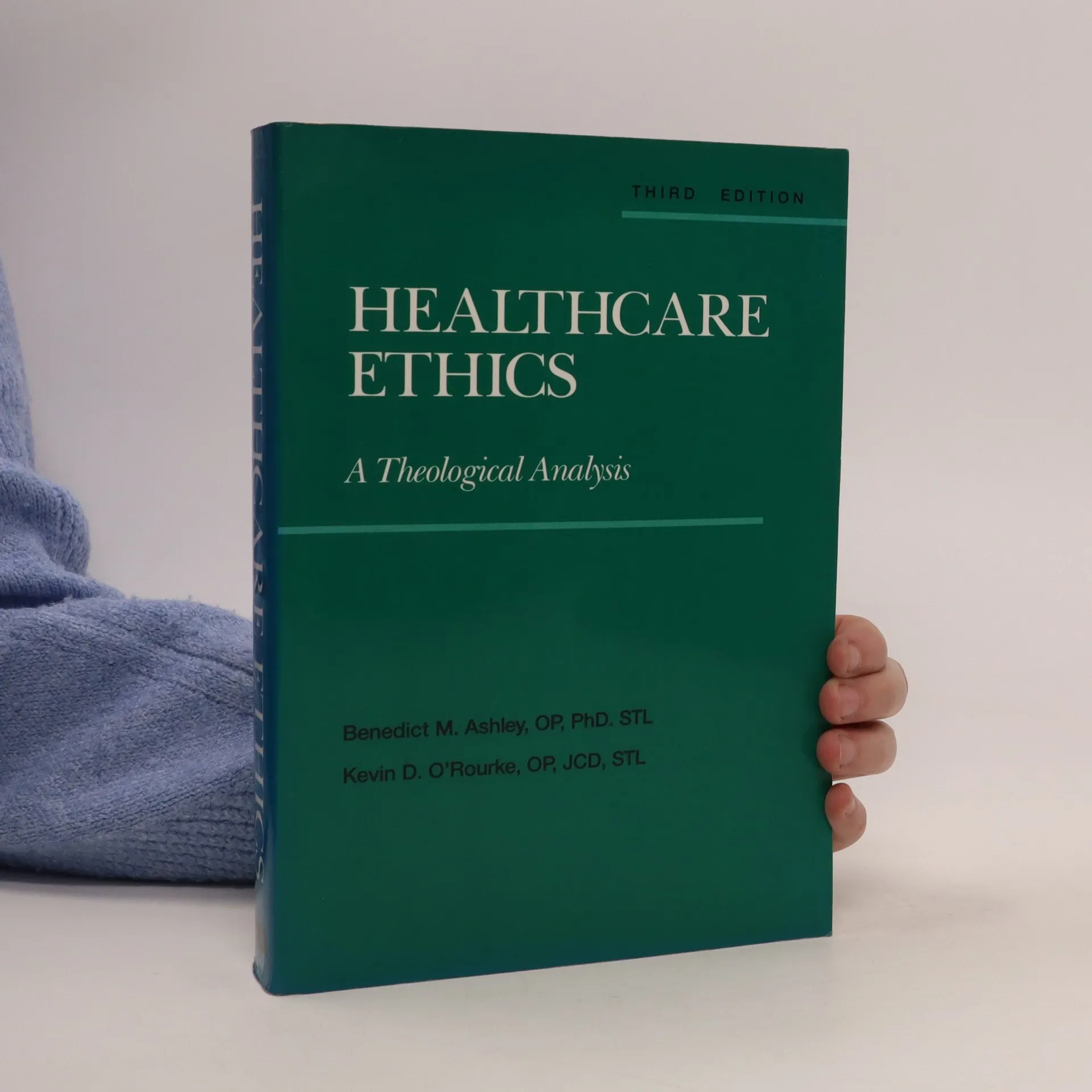
This fifth edition of a classic health care ethics textbook, grounded in traditional Catholic teaching, remains loyal to official church doctrine and Vatican pronouncements. Previous editions explored essential topics such as the meaning of being human, the health care profession, decision-making logic, and various issues including sexuality, abortion, genetic intervention, mental illness, and end-of-life care, all receiving the imprimatur of the archdiocese. The new edition introduces co-author Jean deBlois, who integrates feminist insights, enhancing discussions on gender-related issues like responses to rape and health care inequalities. Additionally, it covers contemporary topics that gained prominence since the mid-1990s, such as embryo development, stem cell research, medical errors, reduced patient-physician interaction due to managed care, forensic medicine, cosmetic surgery, and nutrition-related concerns. The authors also delve into the social context of health care, addressing organizational ethics, the rise of laypeople in pastoral roles, and challenges posed by Catholic health care corporations. Furthermore, they engage with recent Church guidelines on medical treatment, particularly regarding artificial nutrition and hydration, and critically assess the U.S. health care system's failure to serve the common good.