

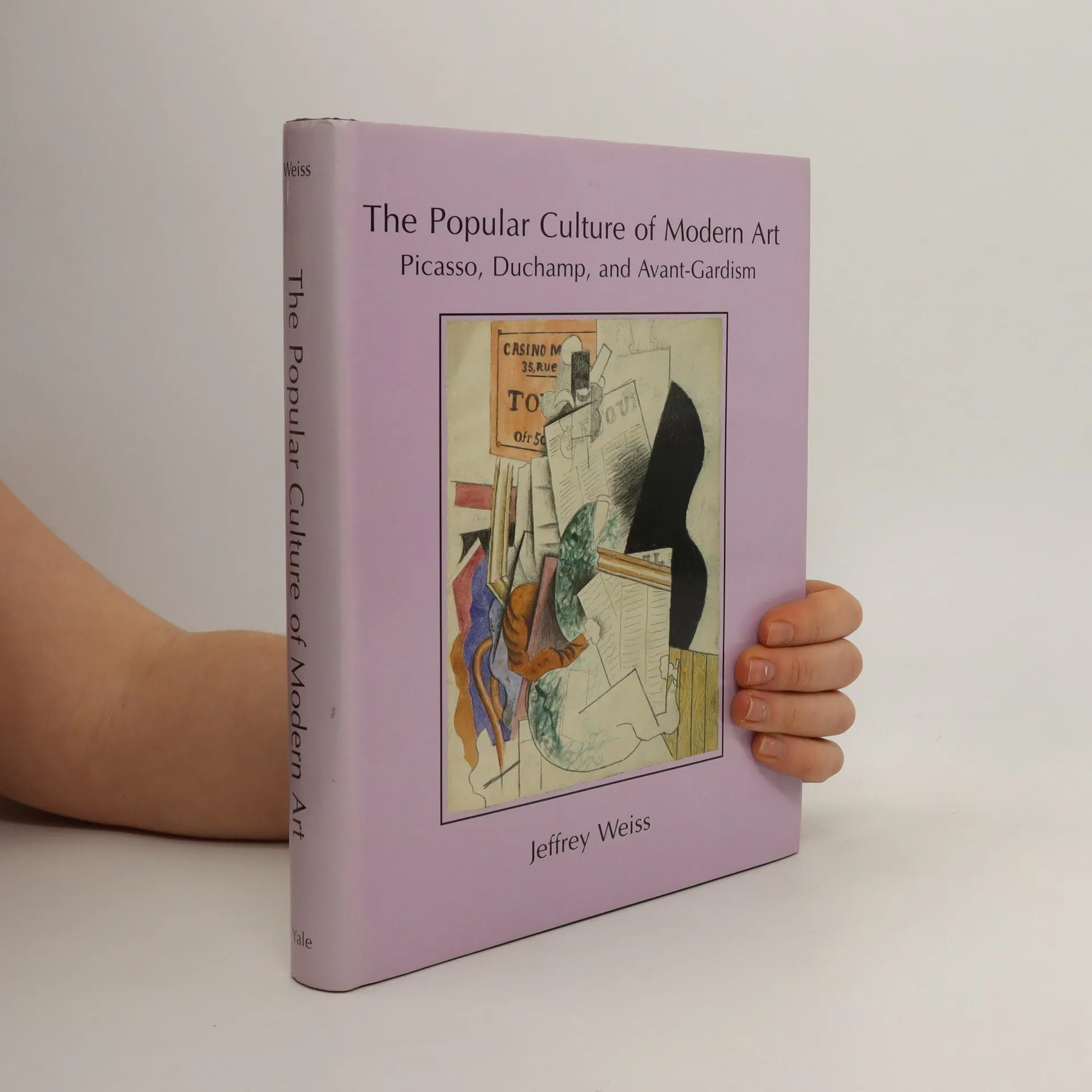
This is a fascinating exploration of the deeply ambiguous relationship between modern art and popular culture, focusing on the work of Picasso and Duchamp in France in the first two decades of this century. Analyzing art, criticism, and popular culture of the period, Jeffrey Weiss shows that the elements of parody and irony that occurred throughout the avant-garde movement greatly influenced public perception - and miscomprehension - of new art.Linking Picasso's innovations in cubist collage to the puns and topical jokes of the music-hall and theatrical revue, Weiss also links Duchamp's readymades and Large Glass to hoaxes in the daily papers. He shows that cubist and futurist styles were put to parodic use in caricature, advertising, stage design and other forms of popular visual culture, and were often interpreted in the press as examples of flagrant self-publicity. The cultural assimilation of avant-garde art, not often considered in histories of modernism, ultimately mirrors the role of the comic in Picasso and Duchamp.
Jeffrey Weiss Livres
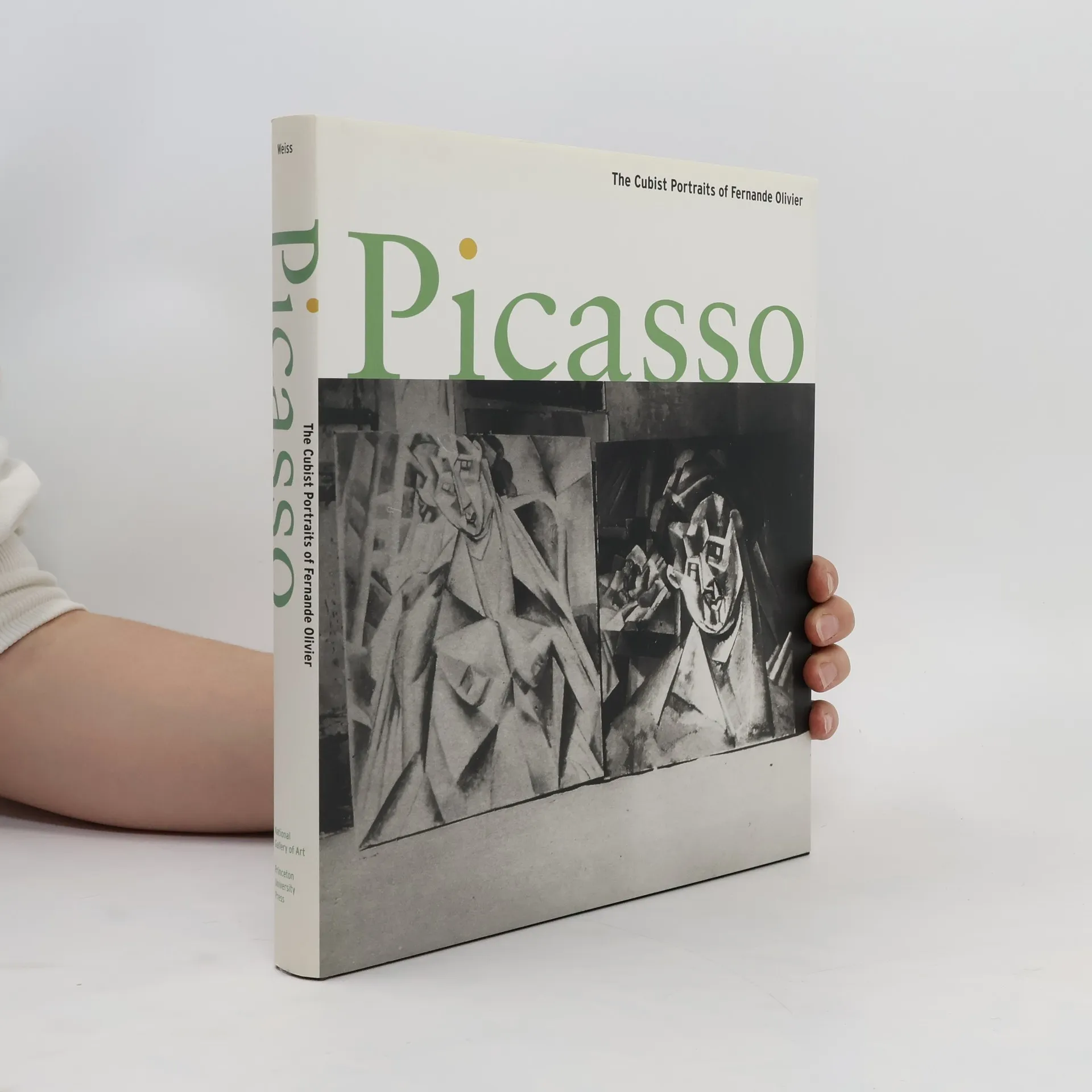
Published to accompany a major exhibition originating at the National Gallery of Art, Washington, this volume illuminates Picasso's radical reformulation of human physiognomy. Containing eighty-two color illustrations and sixty-eight duotones, this catalogue explores the Fernande portraits and related works as a single oeuvre.
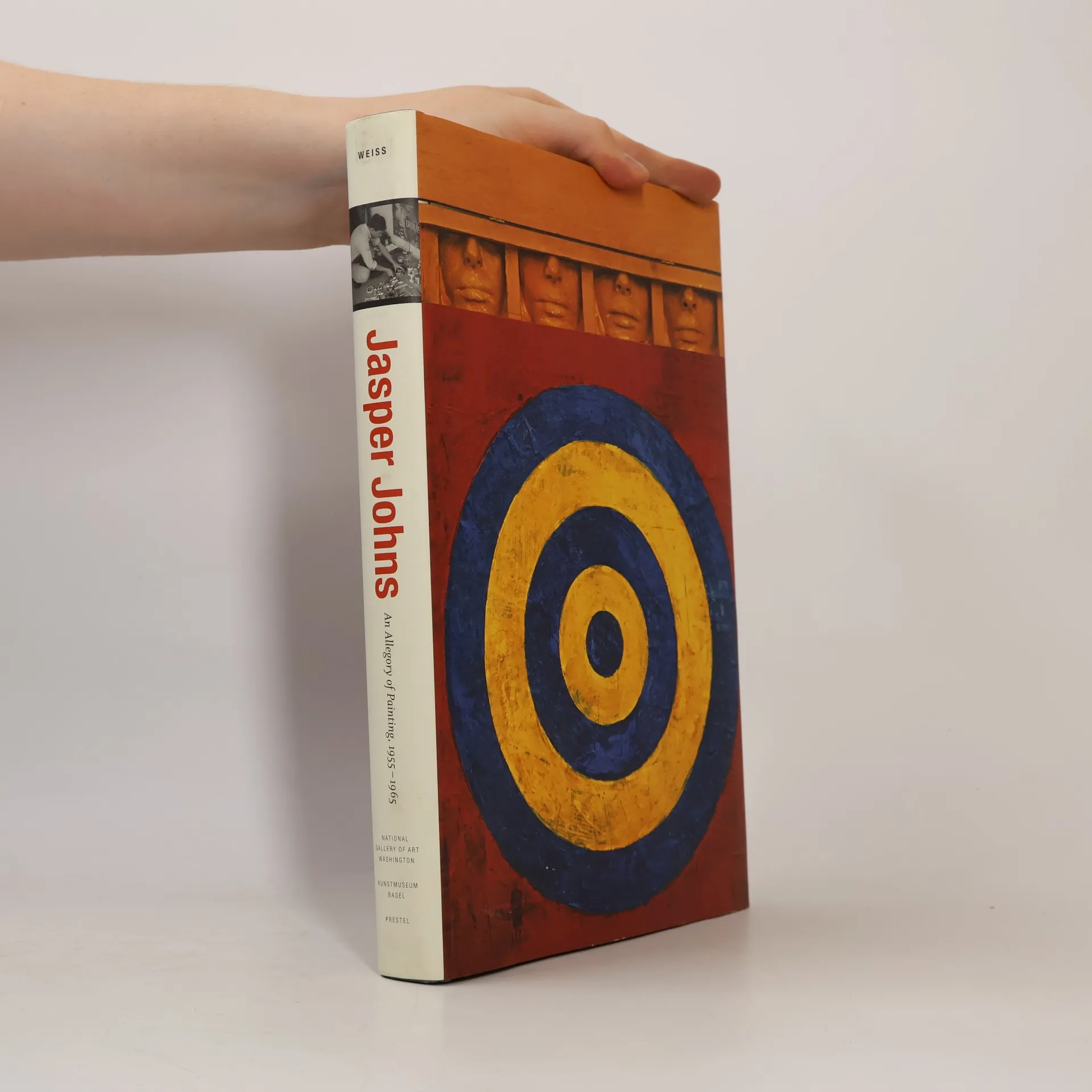
Jasper Johns (b. 1930) is one of the most significant figures in the history of postwar art. His work from 1955 to 1965 was pivotal, exercising an enormous impact on the subsequent development of pop, minimalism, and conceptual art in the United States and Europe. This is the first publication to approach Johns’s work of this ten-year period through a thematic framework. It examines the artist's interest in the condition of painting as a medium, a practice, and an instrument of encoded meaning through several interrelated motifs: the target, the “device,” the naming of colors, and the imprint of the body.In this handsome book, leading scholars, a conservator, and a contemporary artist consider Johns’s activity in this critical decade and discuss many of his iconic paintings, such as Target with Four Faces (1955), Diver (1962), Periscope (Hart Crane) (1963), and Arrive-Depart (1963). Their new critical and historical perspectives are grounded in an unusually close visual and material analysis of Johns's work.