Maurice Cranston fut un éminent penseur britannique dont l'œuvre explora l'histoire multiforme de la liberté et de la théorie politique. Principalement reconnu comme biographe et historien des idées, il s'est plongé dans la vie et les pensées de figures clés, offrant des analyses claires de concepts complexes. Les écrits de Cranston se distinguent par leur approche accessible de sujets profonds, rendant les thèmes philosophiques et politiques stimulants compréhensibles pour un large public. Son engagement s'est également étendu aux publications populaires et aux scripts de diffusion, consolidant son rôle d'intellectuel public important.
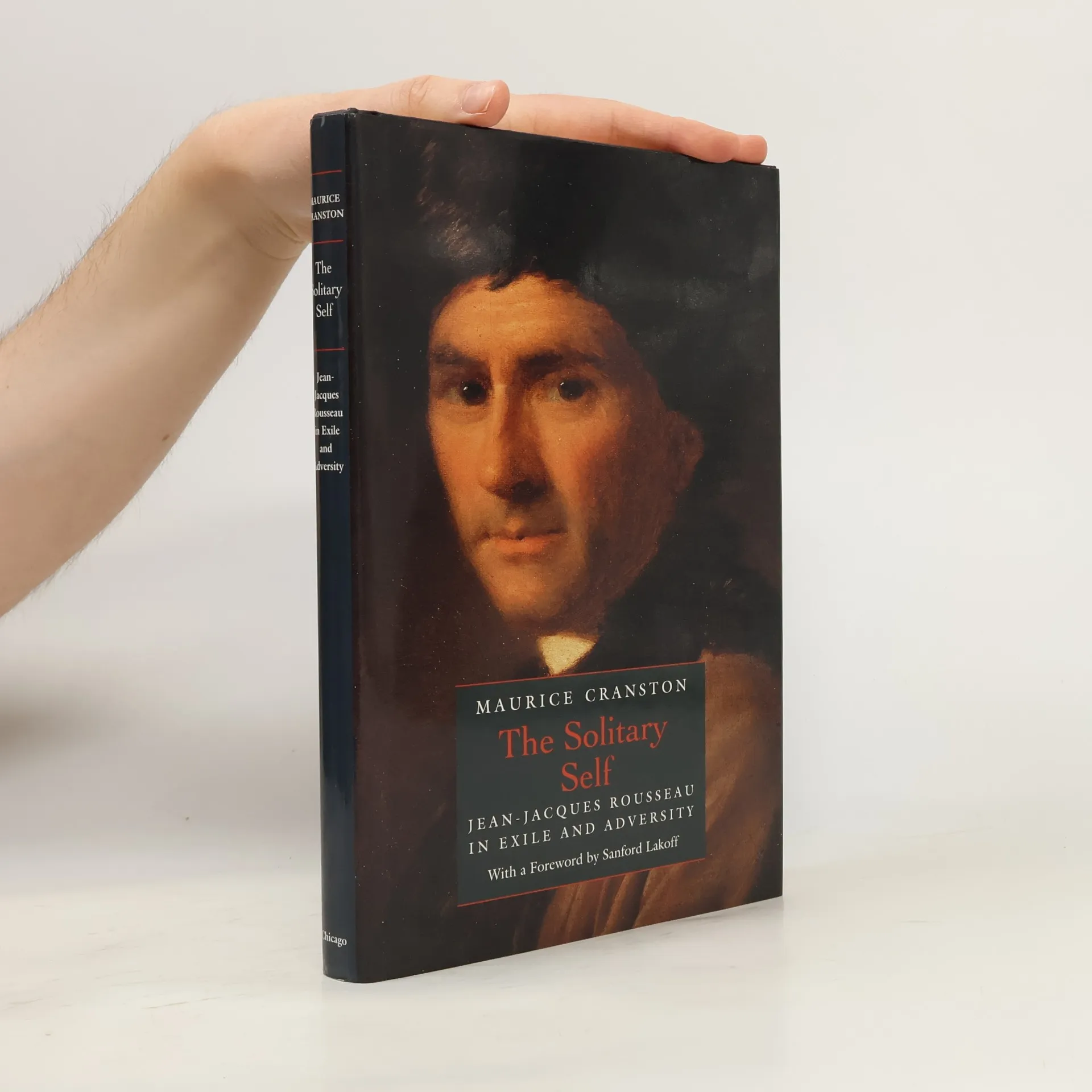
In this final volume of a masterful biography, Maurice Cranston explores the tumultuous last years of Jean-Jacques Rousseau's life. It covers his significant works, including the Confessions, Dialogues, and Reveries, as well as his controversial religious beliefs and his infamous dispute with David Hume in England. Following the condemnation of Émile and The Social Contract in 1762, Rousseau fled Paris, seeking refuge in Neuchâtel and England, becoming a social outcast plagued by feelings of persecution. In his despair, he turned to autobiographical writing to express his innocence and integrity. This period of introspection led to some of the most enduring literature of his time. Cranston's portrayal is both sympathetic and balanced, detailing Rousseau's struggles with a blend of compassion and dry humor. The work is praised for its rich historical context within Europe's ancien regime, offering readers a comprehensive view of Rousseau's life and the societal pressures he faced. This biography is celebrated for its scholarship, capturing the daily life of Rousseau and establishing itself as the authoritative account of his legacy.
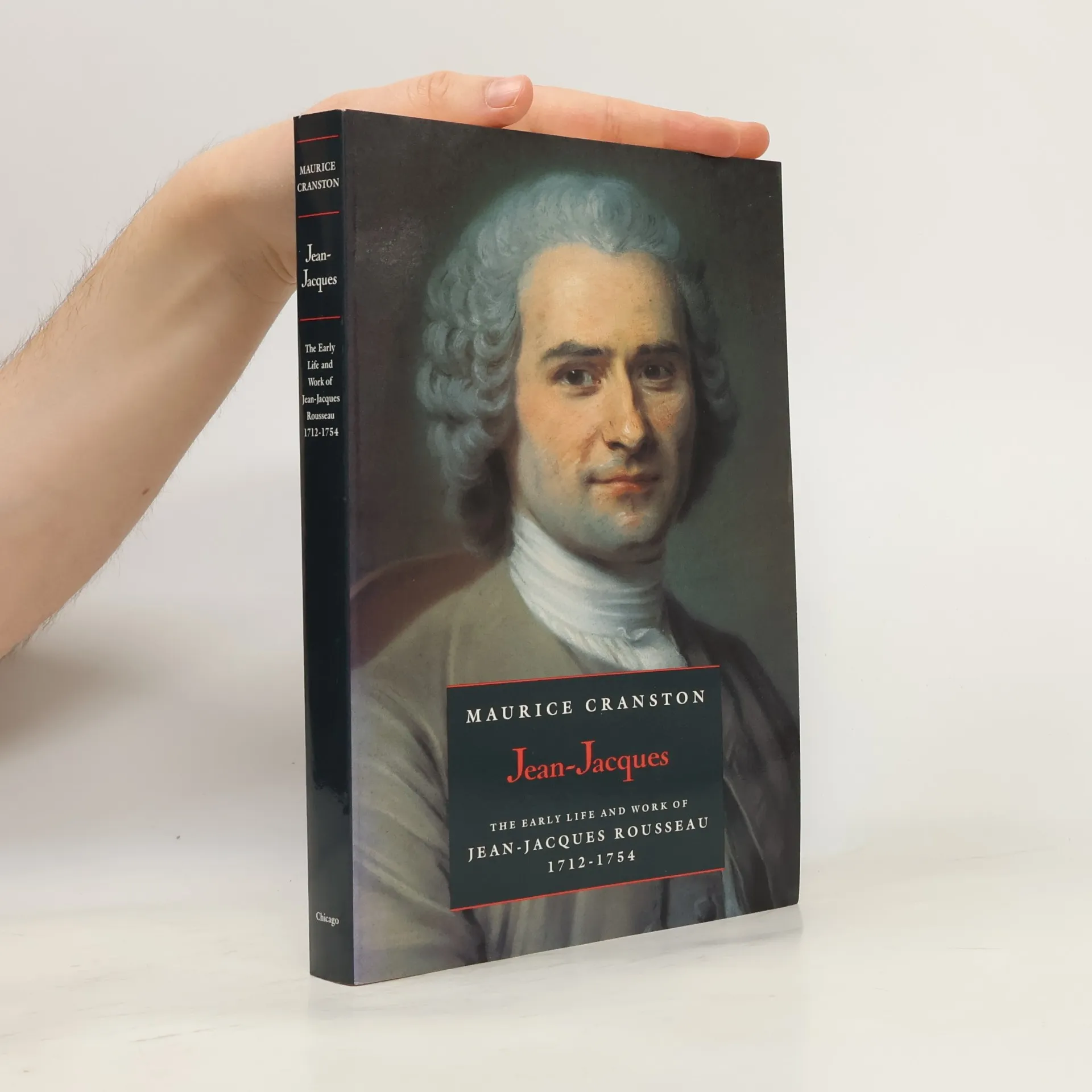
The Early Life and Work of Jean-Jacques Rousseau, 1712-1754
382pages
14 heures de lecture
In the first volume of his trilogy, political philosopher Maurice Cranston utilizes original manuscript sources to chronicle Rousseau's life, from his humble beginnings in Geneva to his emergence as a renowned writer and composer by 1754. This biography is praised for its meticulous, calm, and reasonable approach, contrasting with Rousseau's passionate and tumultuous nature. Critics have described it as the definitive biography, combining scholarly rigor with engaging storytelling. Cranston's insights into Rousseau's early life are presented with a freshness that captivates readers, enriching their understanding of both the physical and intellectual landscapes of his formative years. The narrative is crafted with such poise that it renders Rousseau's early experiences as compelling as a picaresque novel, showcasing Cranston's fidelity to Rousseau's ideas and lived experiences. This work is considered a hallmark of Cranston's distinguished career, reflecting his expertise as a scholar and biographer. Maurice Cranston (1920-1993), a notable figure in political science, was a professor at the London School of Economics and received the James Tait Black Memorial Prize for his biography of John Locke, among other notable works.