

Drawing on Oxford's extensive dictionary research and language monitoring, this engaging volume reveals the intriguing stories behind many curious expressions, offering insights that surpass those found in a standard dictionary. Organized alphabetically, it provides a rich history of English words, tracing their evolution over the centuries. For example, "abracadabra," now a magician's word, was once thought to be a charm against fever, often inscribed on amulets. The entry for "ache" reveals that its noun form was pronounced "aitch," while the verb was spelled "ake," showcasing the evolution of spelling and pronunciation. Each entry includes the first known use of a word and examples illustrating its various meanings. The term "bunny," originally an endearment, later referred to a small rabbit, and the entry also touches on "bunny boiler," a term for a vengeful woman, inspired by a character in *Fatal Attraction*. Additionally, nearly 20 special panels explore expressions in English derived from other languages, such as "coffee," "sugar," and "candy" from Arabic, or "booze," "brandy," and "gin" from Dutch. This volume is essential for language enthusiasts who appreciate the fascinating tales behind words.
Julia Cresswell Livres

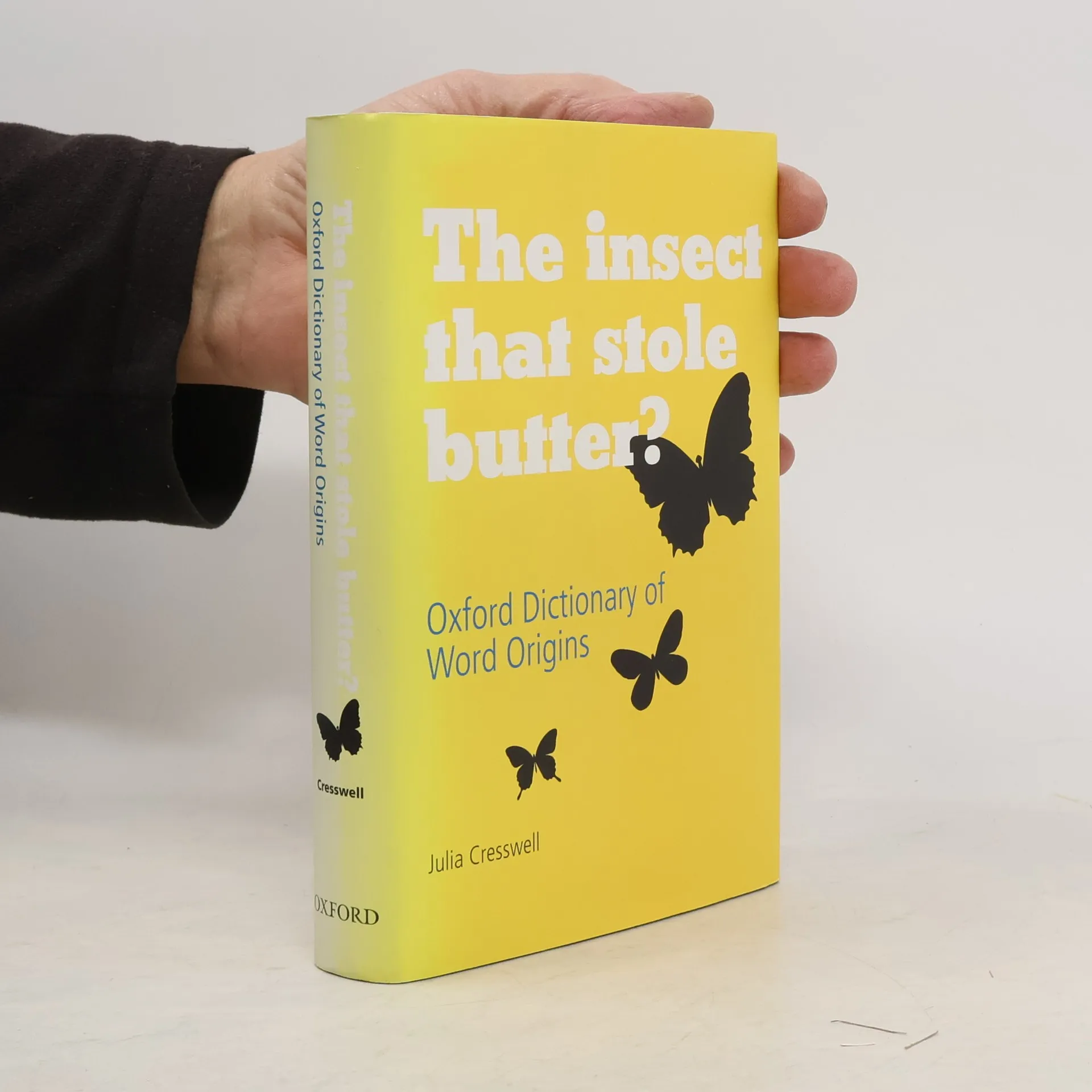
An absorbing A-Z which explores the origins and development of over 3,000 words in the English language. Drawing on Oxford's unrivalled dictionary research programme and language monitoring it brings to light the intriguing and often unusual stories of some of our most used words and phrases.
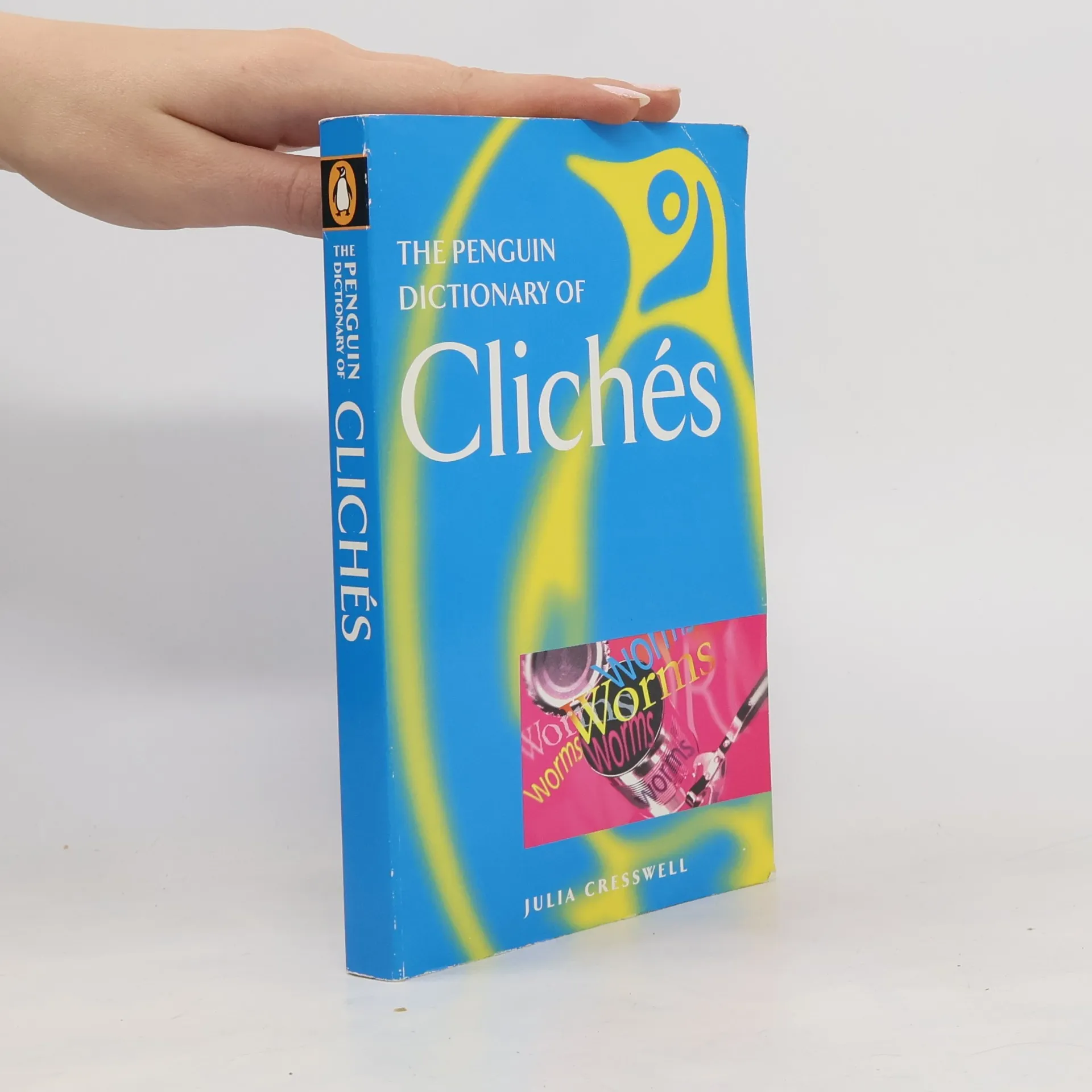
The Penguin Dictionary of Clichés
- 320pages
- 12 heures de lecture
This dictionary investigates the wide range of cliches throughout the history of the English language. With over 1500 sourced cliches listed, both ancient an modern, this work looks at the more informal side of the English language.
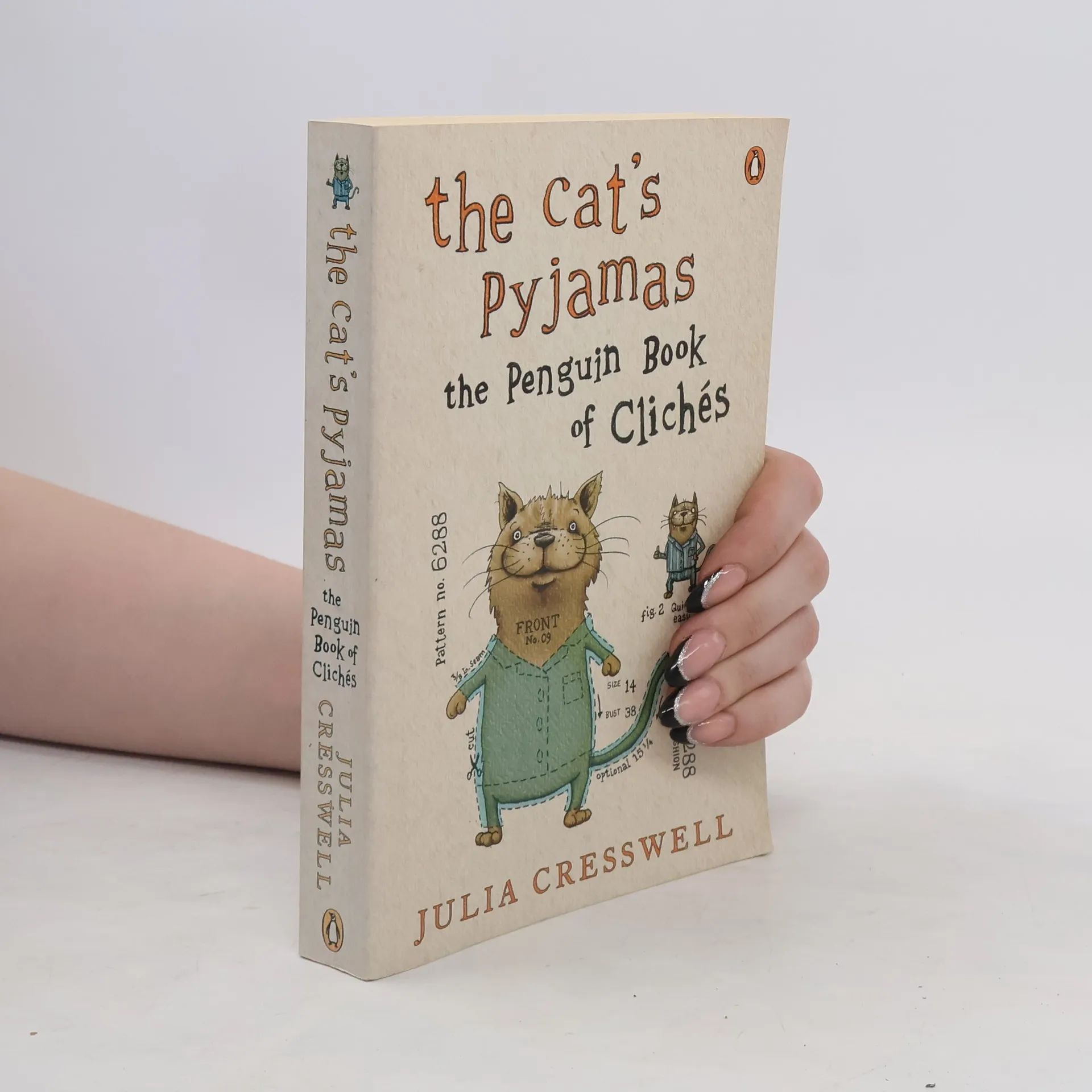
The cat's pyjamas. The Penguin book of clichés.
- 394pages
- 14 heures de lecture
A fascinating, thematic exploration of clichés from as the actress said to the bishop to zero hour, explaining what they are and where they’ve come from. Julia Cresswell has taken her best-selling dictionary of clichés (‘Sumptuous… A mine of information.’ Guardian) back to the drawing board and has created a book, packed with famous (and infamous) quotations and memorable information, that will change the way you see English.