
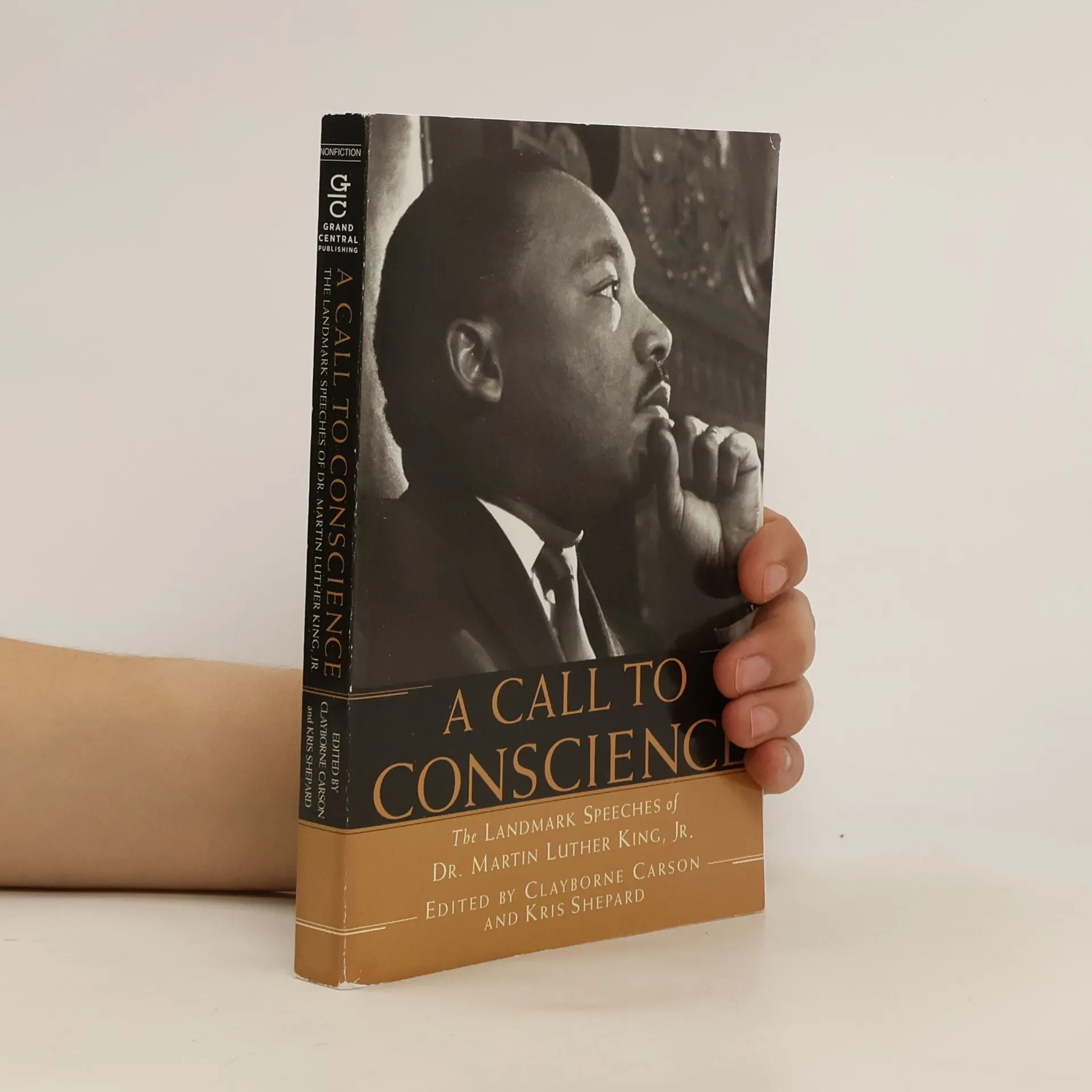
This collection includes the text of Dr. King's best-known oration, "I Have a Dream, " his acceptance speech for the Nobel Peace Prize, and "Beyond Vietnam, " a compelling argument for ending the ongoing conflict. Each speech has an insightful introduction on the current relevance of Dr. King's words by such renowned defenders of civil rights as Rosa Parks, the Dalai Lama, and Ambassador Andrew Young, among others.
Clayborne Carson Livres
Clayborne Carson est un historien éminent et directeur de l'Institut de recherche et d'éducation Martin Luther King, Jr. Son travail dévoué se concentre sur l'édition et la publication des vastes archives de Martin Luther King, Jr. La contribution de Carson réside dans la préservation méticuleuse et l'accessibilité de documents cruciaux qui éclairent la vie et l'héritage d'une figure centrale de l'histoire américaine. Ses recherches offrent des aperçus profonds sur le mouvement des droits civiques et le monde intellectuel de Martin Luther King, Jr.
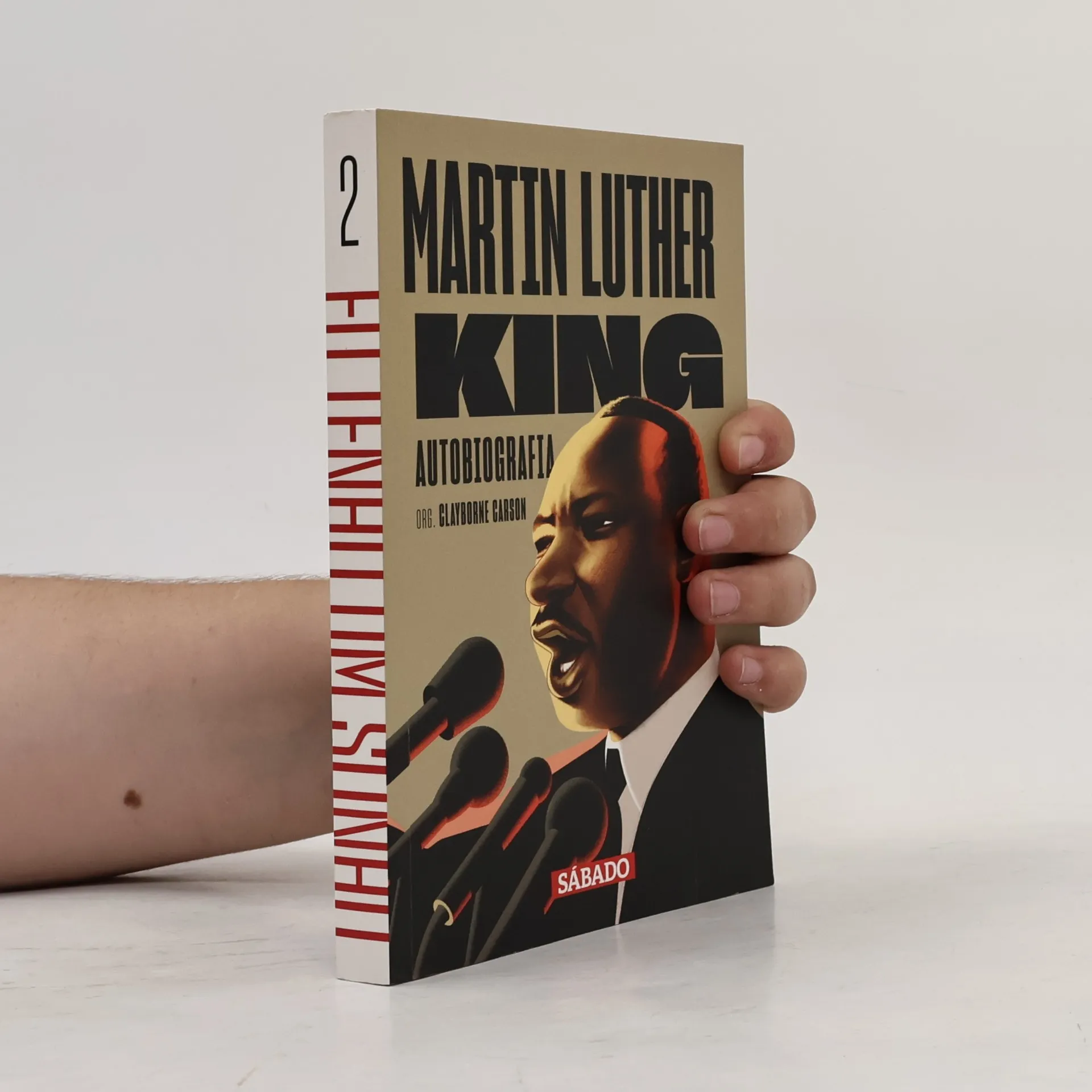
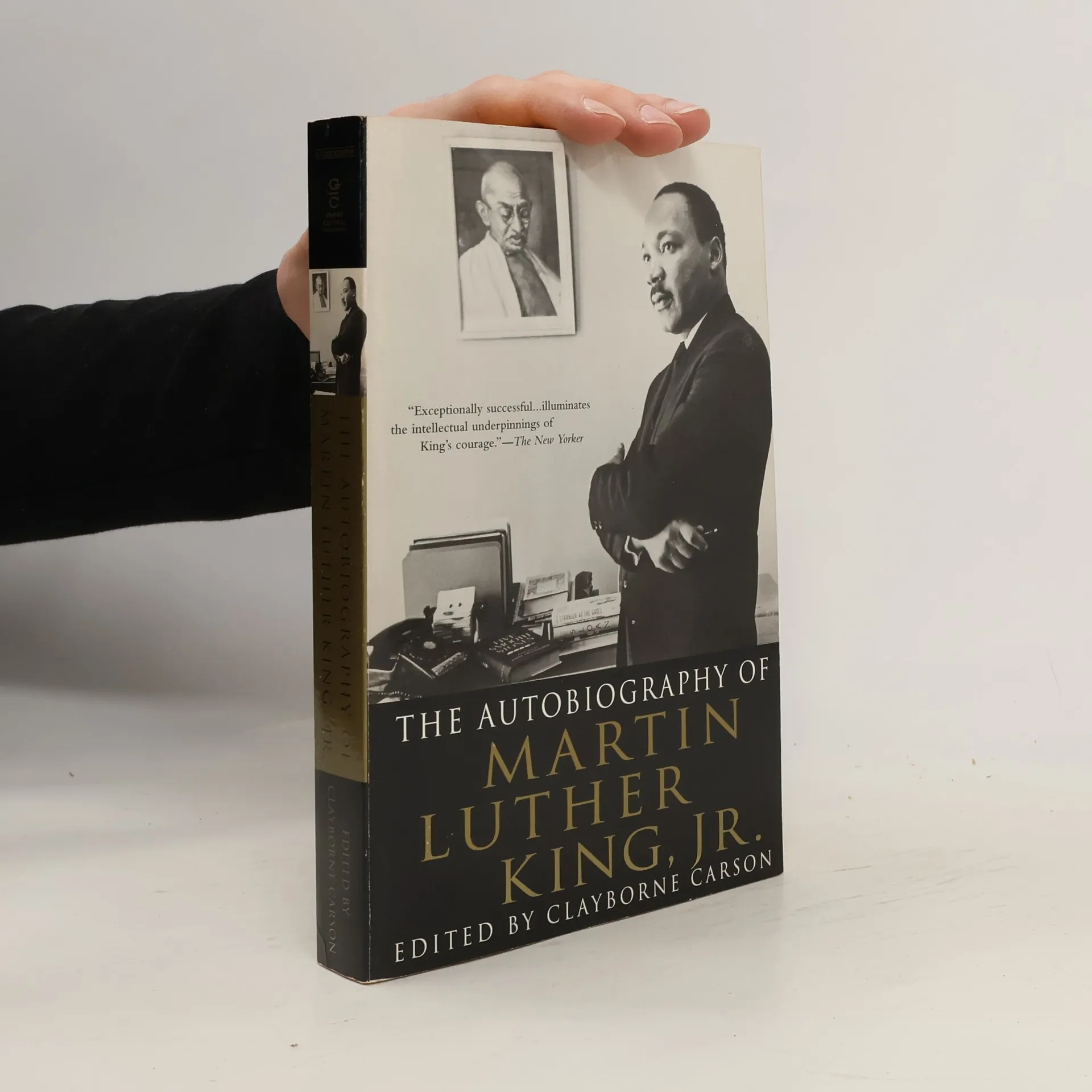


The Autobiography of Martin Luther King, Jr.
- 416pages
- 15 heures de lecture
First-person account of the extraordinary life of America's greatest civil rights leader. It begins with his boyhood as the son of a preacher, his education as a minister, his ascendancy as a leader of civil rights, & his complex relationships with leading political & social figures of the day.
A classical musician finds a prince in a chat room. Three dancers in Kochi mastermind their sex lives over email. A young wife in Mumbai becomes obsessed with a dead woman’s online relics. Strange (and familiar) troll wars drag at a writer’s peace of mind. Her daughter’s cellphone conversations deeply worry a cook in Delhi. A young mother finds a job monitoring disturbing content for a social media company.The stories in this dazzling debut collection tap into the rich vein of love, violence and intimacy that technology, particularly the Internet, has brought to the lives of Indians over the last two decades. Two decades that transformed India’s digital landscape, where would-be lovers went from cooing into cordless phones to swiping right on cellphones.Whimsical in its telling and brutal in its probing of the human mind, these stories breathe unexpected life into the dark and joyful corners of a country learning to relish and resist globalisation.
The streamlined, simplified, beginner-friendly introduction to instructional design Instructional Design For Dummies will teach you how to design and build learning content to create effective, engaging learning experiences that lead to improved learning outcomes and skill development. This book breaks down the instructional design process into bite-sized pieces, so you can learn techniques and best practices without getting bogged down in theory. Learn about various instructional design models and frameworks, then discover the different options for designing learning experiences. Take into account learning foundations, goals, and contexts, then create stellar lessons for in-person or virtual delivery. This Dummies guide is your starting place for creating impactful courses, without the technical jargon. This book is perfect for anyone who needs to develop a course, design a curriculum or training program, or provide educational content without being formally trained in instructional design. It’s also a great supplement to college-level instructional design courses. Whatever you’re teaching, Instructional Design For Dummies will help you teach it better.
A helpful resource for Steiner-Waldorf teachers approaching history for Class 8, this collection includes the stories of twenty remarkable men and women from around the world, including Marie Curie and Nelson Mandela.
I Have a Dream. L'autobiografia del profeta dell'uguaglianza
- 413pages
- 15 heures de lecture
Celebrated Stanford historian Clayborne Carson, director and editor of the Martin Luther King Papers Project, has organized King's extensive writings into a posthumous autobiography. King's early essay highlights the importance of an informed democracy, stating that a nation cannot thrive with one group living in ignorance. This sentiment is woven throughout his career, forming a coherent narrative of his quest for social justice. The autobiography explores King's philosophical training at Morehouse College, Crozer Theological Seminary, and Boston University, where he integrated the teachings of Afro-American theologian Benjamin Mays with the philosophies of Locke, Rousseau, Gandhi, and Thoreau. Readers experience King's trials and triumphs, including the Montgomery Boycott, the iconic "I Have a Dream" speech, the Selma March, and his receipt of the 1964 Nobel Peace Prize. In one of his final speeches, King emphasized that God judges us by the overall trajectory of our lives, not individual mistakes. Carson's editing presents a compelling argument for King's legacy, drawing directly from his writings to illuminate his life circumstances without deifying him.