

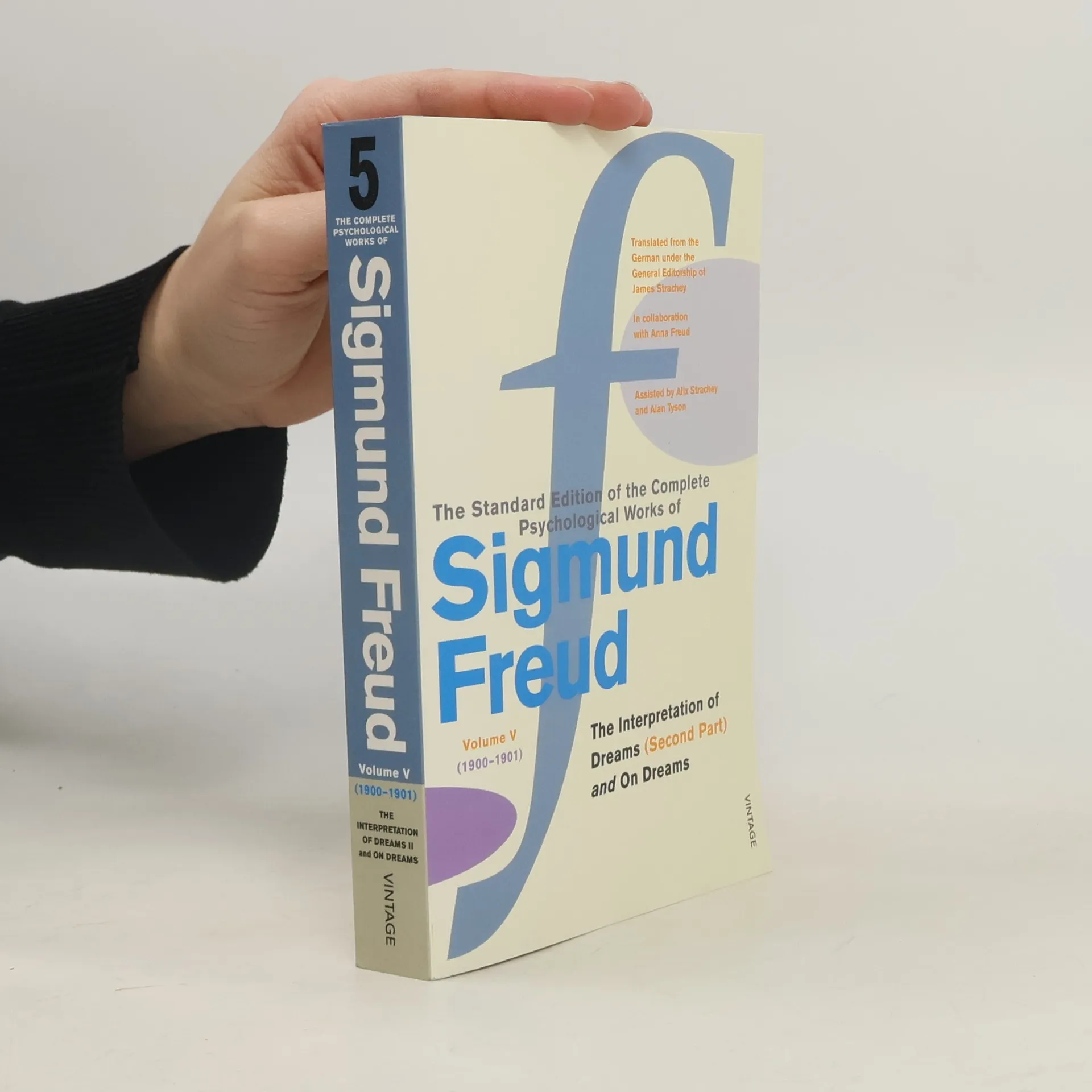
The Standard Edition of the complete works of the father of psychoanalysis - the only definitive paperback edition on the market. Translated from the German under the General Editorship of James Strachey; in collaboration with Anna Freud; assisted by Alix Strachey and Alan Tyson.
James Strachey Livres

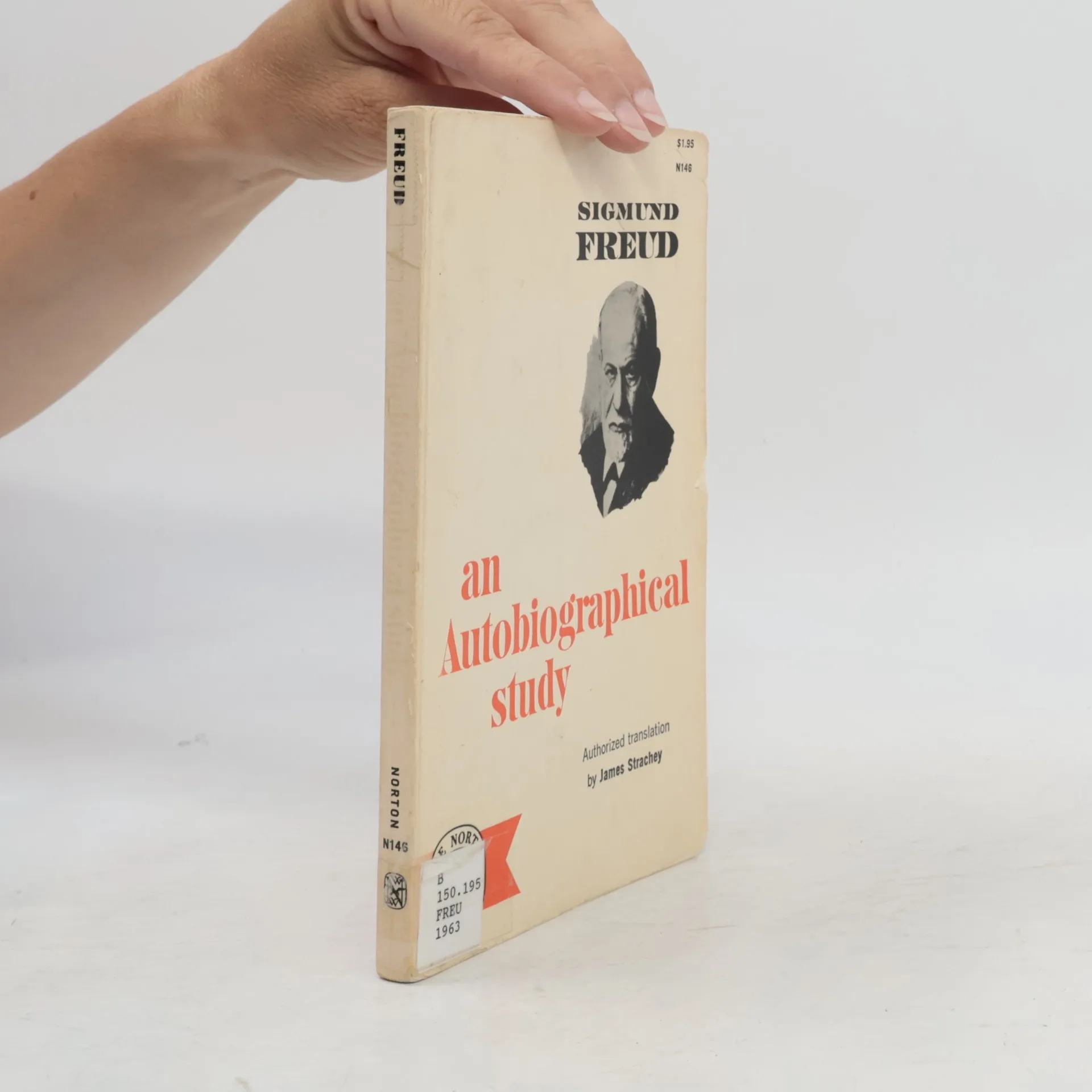
Complete Psychological Works of Sigmund Freud: An Autobiographical Study
- 120pages
- 5 heures de lecture
Freud approved the overall editorial plan, specific renderings of key words and phrases, and the addition of valuable notes, from bibliographical and explanatory. Many of the translations were done by Strachey himself; the rest were prepared under his supervision. The result was to place the Standard Edition in a position of unquestioned supremacy over all other existing versions.Newly designed in a uniform format, each new paperback in the Standard Edition opens with a biographical essay on Freud's life and work--along with a note on the individual volume--by Peter Gay, Sterling Professor of History at Yale.
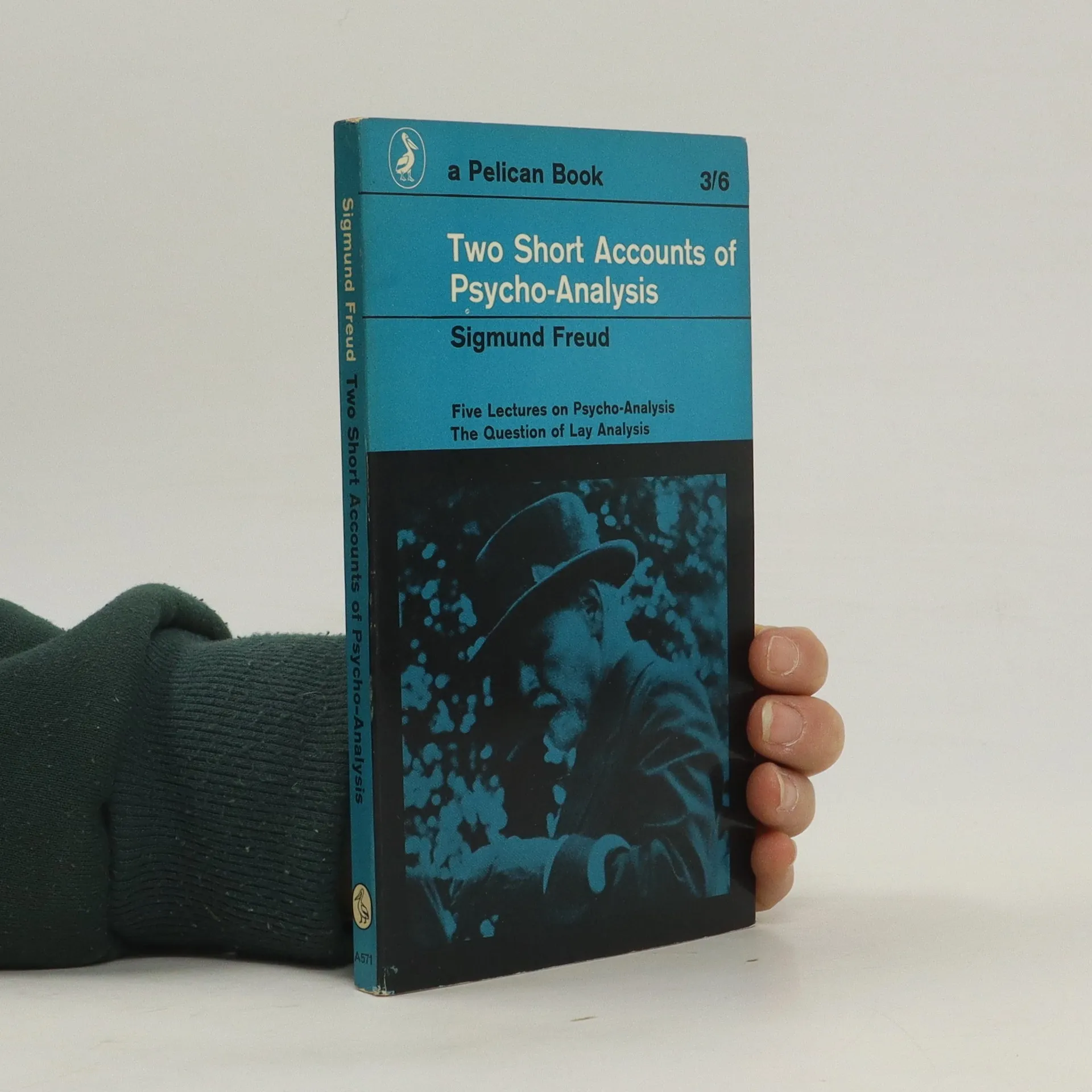
These two short accounts, written respectively in 1909 and 1926, are a good introduction to psychoanalysis for the general reader, for whom they were originally prepared.
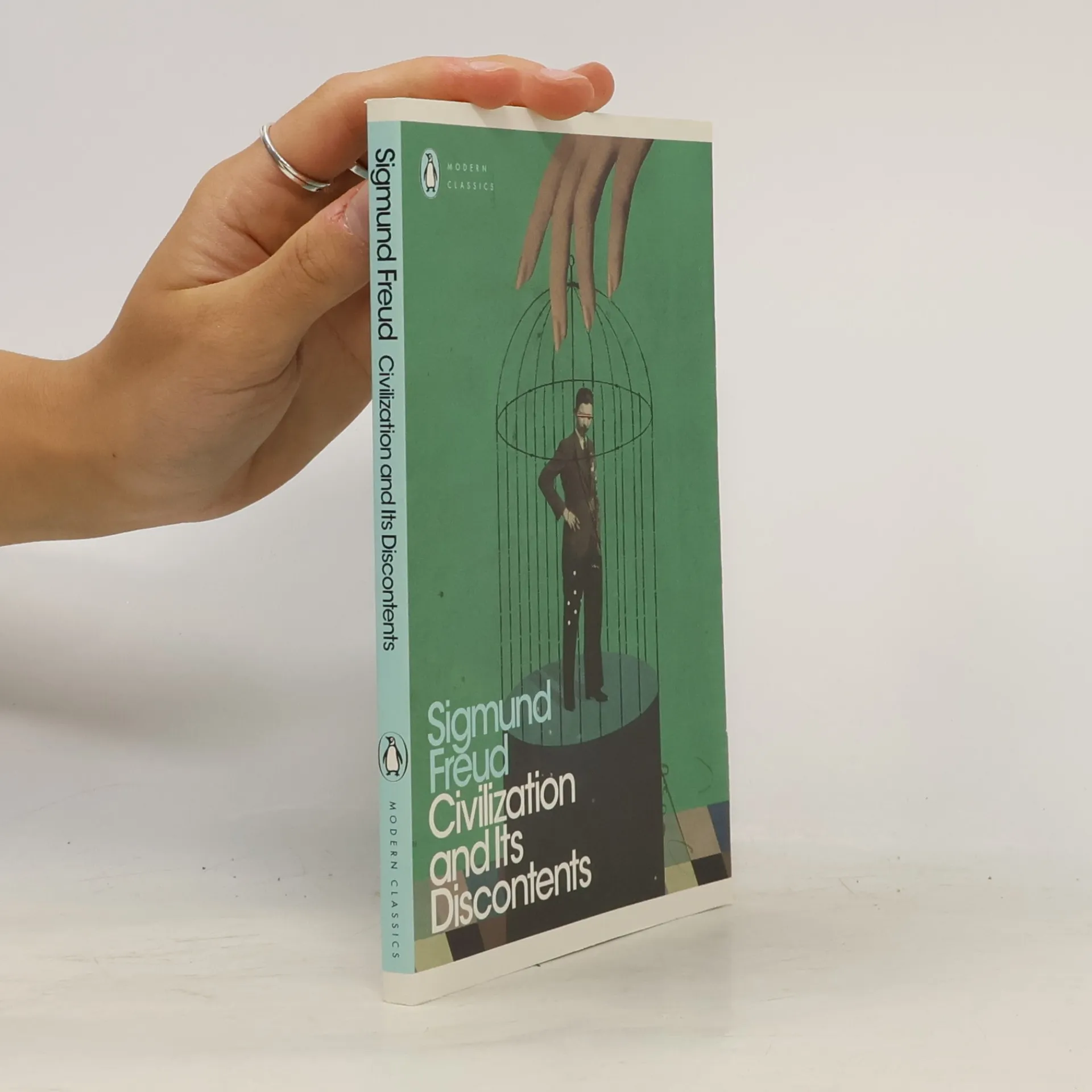
Civilization and Its Discontents
- 144pages
- 6 heures de lecture
"In his final years, Freud devoted most of his energies to a series of highly ambitious works on the broadest issues of religion and society. As early as 1908, he produced a powerful paper on the repressive hypocrisy of 'civilized sexual morality', and its role in 'modern nervous illness'. Deepening this analysis in Civilization and Its Discontents, he argues that civilized values - and the impossible ideals of Christianity - inevitably distort our natural aggression and impose a terrible burden of guilt. It is also here that Freud developed his last great theoretical innovation: the strange and haunting notion of an innate death drive, locked in a constant struggle with the forces of Eros."--Publisher website
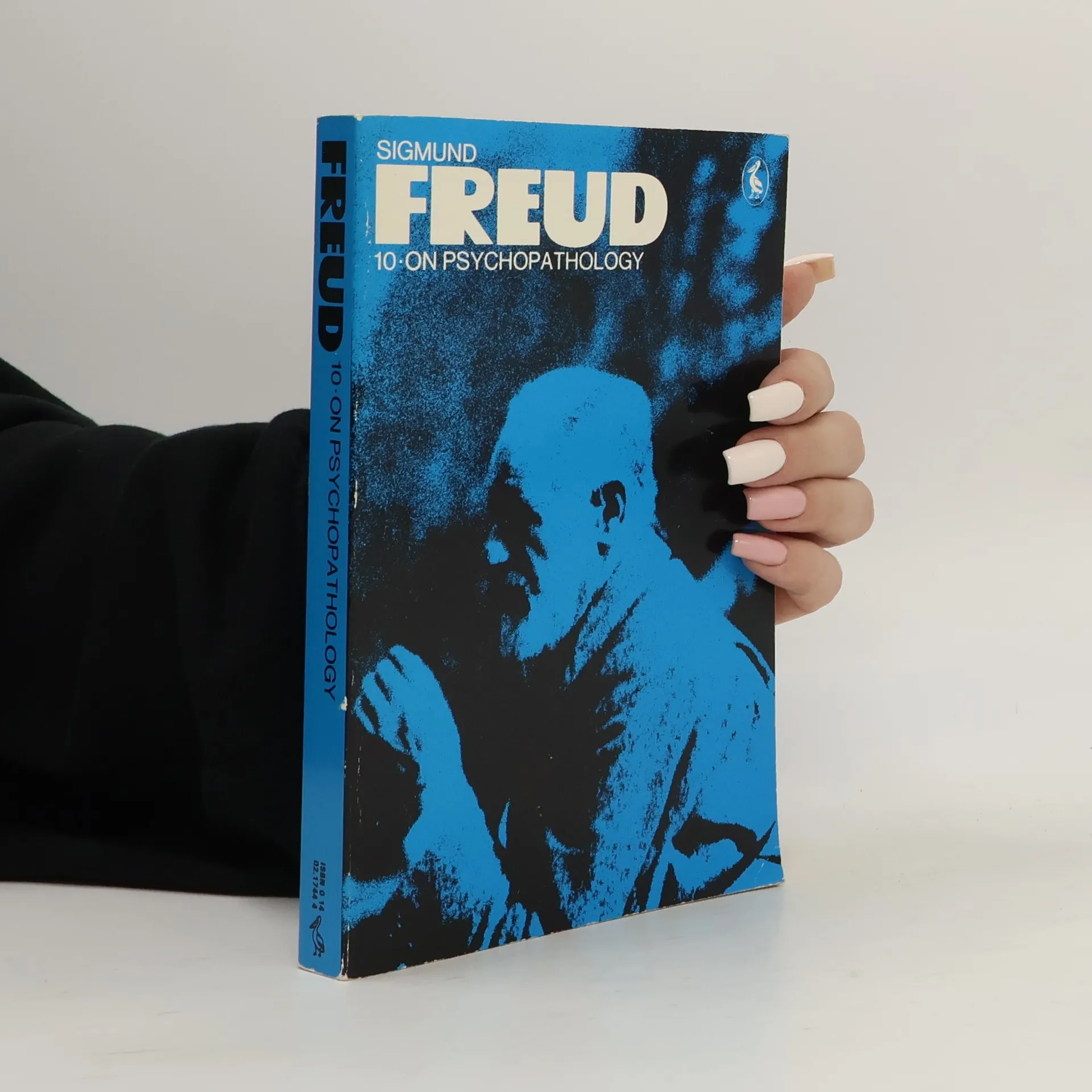
The Pelican Freud Library - 10: On Psychopathology
- 368pages
- 13 heures de lecture
Setting forth in rich detail Freud's new theory of anxiety, Inhibitions, Symptoms and Anxiety (1926) is evidence for one of them. In rethinking his earlier work on the subject, Freud saw several types of anxiety at work in the mind and here argues that anxiety causes repression, rather than the other way around.
Le moi et le ça
- 128pages
- 5 heures de lecture
Le Moi et le Ca, paru en 1923, est la clé de voûte de ce qu'on appelle la "seconde topique" chez Freud. A l'empilement pyramidal de l'inconscient, du pré-conscient et du conscient (première "topique" de la psychanalyse) succède une conception du système psychique plus fluide, interactive et dialectique, dans laquelle le Moi s'avère très lié à l'inconscient, lequel ne coïncide plus avec le refoulé. Freud complète cette réorganisation par la mise en évidence d'une instance qualifiée de "Surmoi", qui prend le relai de l'idéal du Moi mis en évidence dans les travaux antérieurs sur le narcissisme. Tout le champ du travail psychanalytique est remanié, les conflits à l'origine de la névrose sont redéfinis, la théorie de la libido est redéployée pour mieux intégrer la dualité (pas toujours contradictoire) des pulsions de vie et des pulsions de mort, qui avait été abordée pour la première fois dans Au-delà du principe de plaisir.