Cette auteure, journaliste et universitaire, est réputée pour son examen incisif des affaires internationales et des droits de l'homme. Son écriture se caractérise par une profonde approche analytique, reliant habilement les recherches académiques aux défis mondiaux urgents. Les lecteurs apprécieront sa capacité à présenter des événements politiques et historiques complexes avec clarté et une force narrative captivante. Son travail offre des aperçus profonds sur les questions critiques de notre époque, incitant à la réflexion sur les possibilités de progrès humain.
Sergio Vieira de Mello - a humanitarian, peacemaker and state builder - was at
centre of the most significant geopolitical crises. This title tells the story
of the man who never stopped learning and of a perilous world whose ills are
too big to ignore but too complex to manage quickly or cheaply.
"An angry, brilliant, fiercely useful, absolutely essential book." --The New Republic From the Armenian Genocide to the ethnic cleansings of Kosovo and Darfur, modern history is haunted by acts of brutal violence. Yet American leaders who vow "never again" repeatedly fail to stop genocide. Winner of the Pulitzer Prize and the National Book Critics Circle Award, "A Problem from Hell" draws upon exclusive interviews with Washington's top policymakers, thousands of once classified documents, and accounts of reporting from the killing fields to show how decent Americans inside and outside government looked away from mass murder. Combining spellbinding history and seasoned political analysis, "A Problem from Hell" allows readers to hear directly from American decision-makers and dissenters, as well as from victims of genocide, and reveals just what was known and what might have been done while millions perished.
The Education of an Idealist traces Power's extraordinary journey, from Irish immigrant to human rights activist to US Ambassador to the United Nations. A humorous, stirring, and ultimately unforgettable account of the world-changing power of idealism and of one person's fierce determination to make a difference.
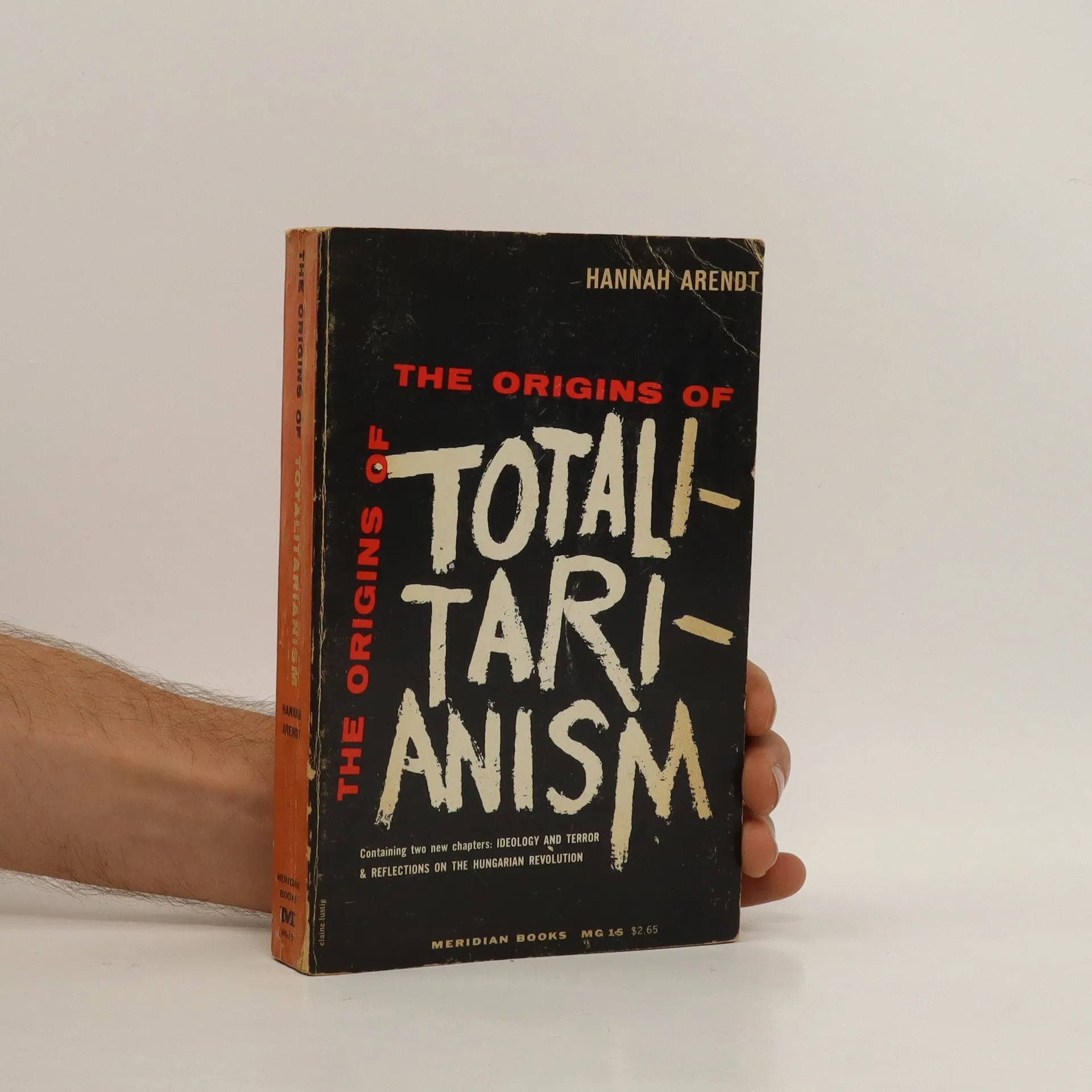
Hannah Arendt's definitive work on totalitarianism and an essential component of any study of twentieth-century political history The Origins of Totalitarianism begins with the rise of anti-Semitism in central and western Europe in the 1800s and continues with an examination of European colonial imperialism from 1884 to the outbreak of World War I. Arendt explores the institutions and operations of totalitarian movements, focusing on the two genuine forms of totalitarian government in our time—Nazi Germany and Stalinist Russia—which she adroitly recognizes were two sides of the same coin, rather than opposing philosophies of Right and Left. From this vantage point, she discusses the evolution of classes into masses, the role of propaganda in dealing with the nontotalitarian world, the use of terror, and the nature of isolation and loneliness as preconditions for total domination.