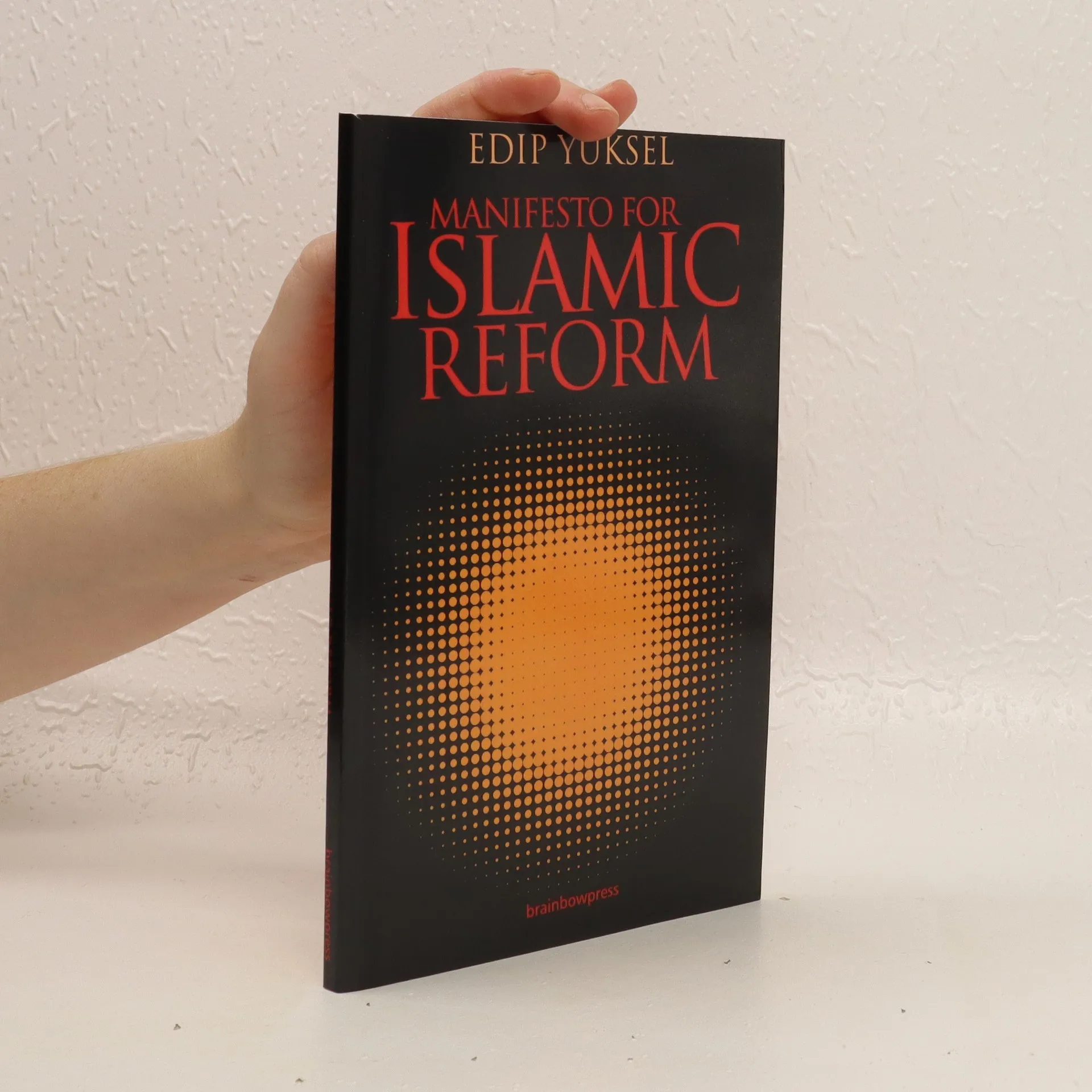
Manifesto for Islamic reform
- 132pages
- 5 heures de lecture
Yuksel reintroduces the actual message of the Quran. He removes the accumulated layers of man-made dogmas and traditions that have attached themselves to the text.


Edip Yuksel est un auteur et militant américano-turco-kurde dont l'œuvre aborde une profonde réforme de l'Islam. Ses écrits explorent souvent une interprétation rationnelle et monothéiste du Coran, remettant en question les doctrines traditionnelles et recherchant une voie vers une compréhension pacifique. Le travail de Yuksel se caractérise par son approche intellectuelle et son effort pour purifier la pensée islamique des dogmes et de l'extrémisme. Les lecteurs le rencontrent comme un penseur qui n'a pas peur de poser des questions fondamentales et de chercher la vérité par la pensée critique et la logique.
Yuksel reintroduces the actual message of the Quran. He removes the accumulated layers of man-made dogmas and traditions that have attached themselves to the text.
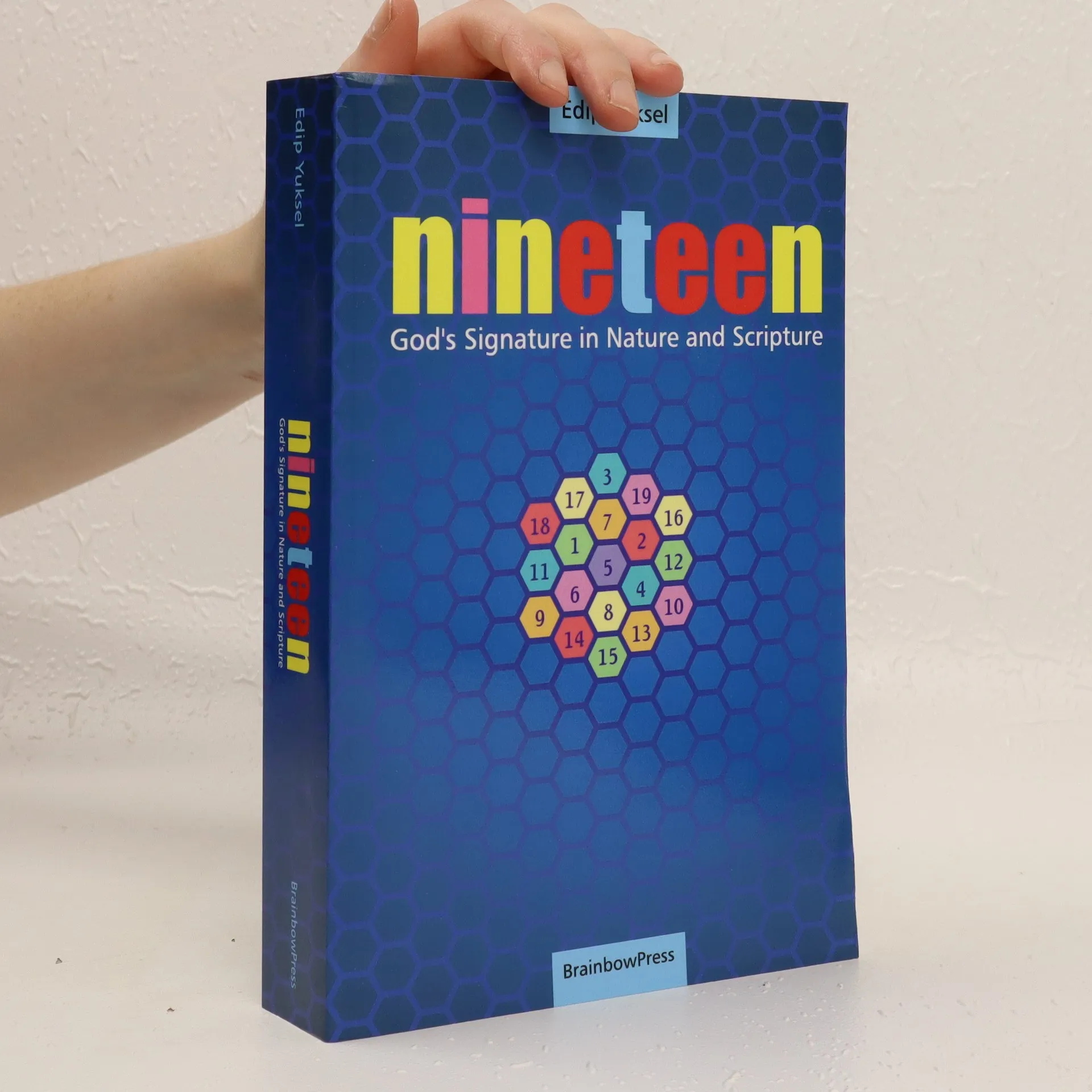
Code 19 was hidden in the 74th chapter of the Quran and discovered by the author's colleague, Dr. Rashad Khalifa, an Egyptian-American biochemist, in 1974. The code suggests a "Copernican revolution" in theology of religions. Instead of Krishna-centered, Jesus-centered, or Muhammad-centered religions, people must turn to the original center, to the God-centered model.
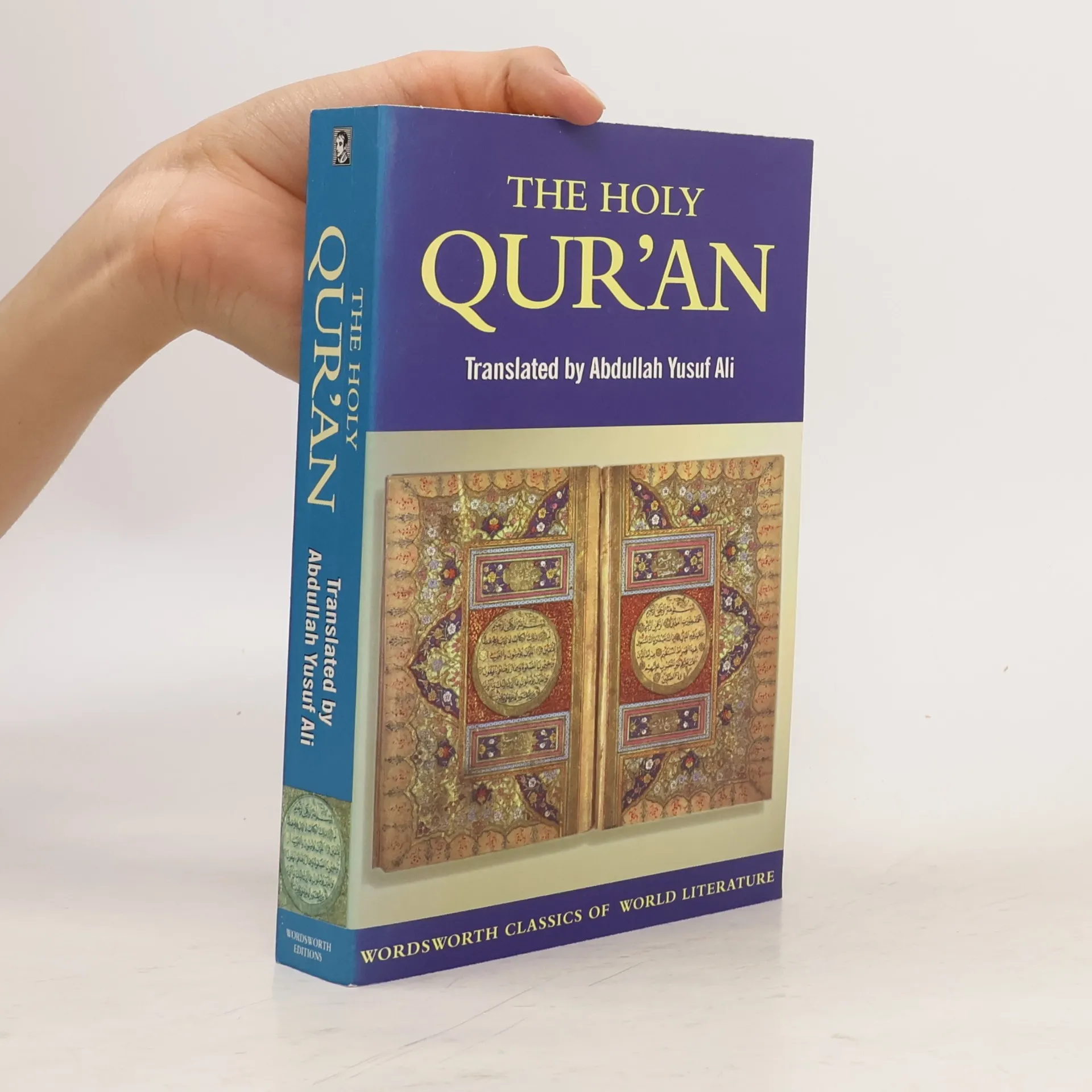
The Holy Qur'an is the Word of God whose truth was revealed to Muhammad by the Angel Gabriel. It is divided into 14 Suras or chapters, and was traditionally transmitted by word of mouth.