Les chansons que m'apprenait ma mere
- 378pages
- 14 heures de lecture
Introduzione di Robert Lindsey. Numerose fotografie in nero in tavole f.t. Testo in francese . 8vo pp. 380 + tavole Brossura (wrappers) Molto buono (Very Good)

Robert Lindsey est un journaliste et auteur spécialisé dans les récits de faits divers criminels. Ses œuvres plongent dans des histoires complexes d'espionnage et de crime, examinant les motivations et les conséquences des actions individuelles. Grâce à son art journalistique, Lindsey pénètre les aspects plus sombres du comportement humain, découvrant des histoires complexes qui captivent les lecteurs.


Introduzione di Robert Lindsey. Numerose fotografie in nero in tavole f.t. Testo in francese . 8vo pp. 380 + tavole Brossura (wrappers) Molto buono (Very Good)
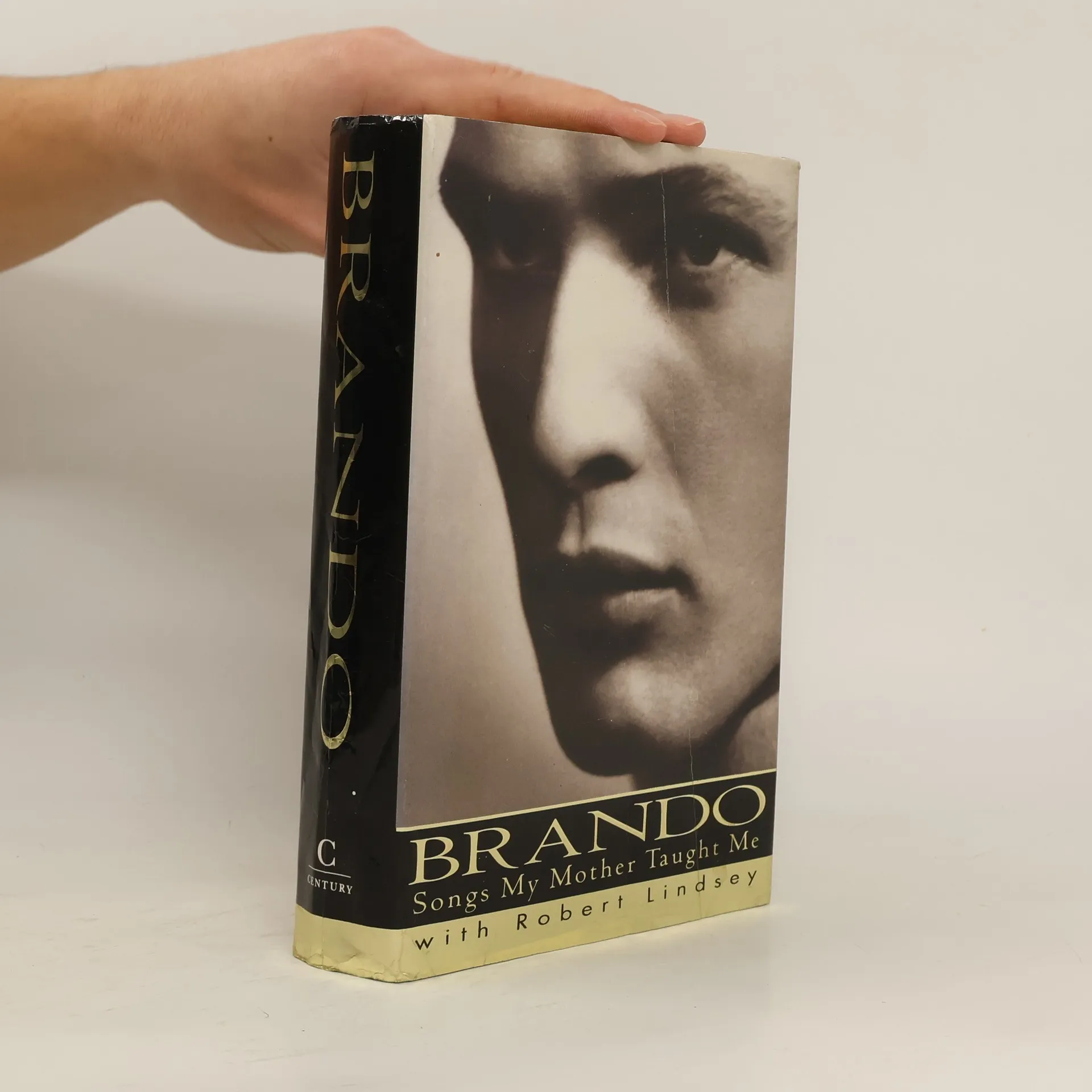
In this memoir, Marlon Brando talks of his struggle to become an actor, of his remarkable career first on the stage and then in film, and of his on- and off-screen relationships with a host of actors, producers and directors. He talks candidly of a dislocated childhood and the effect this had on his subsequent life, of his driving ambition and the relentless determination which has characterized his choice of movies and his method of acting.
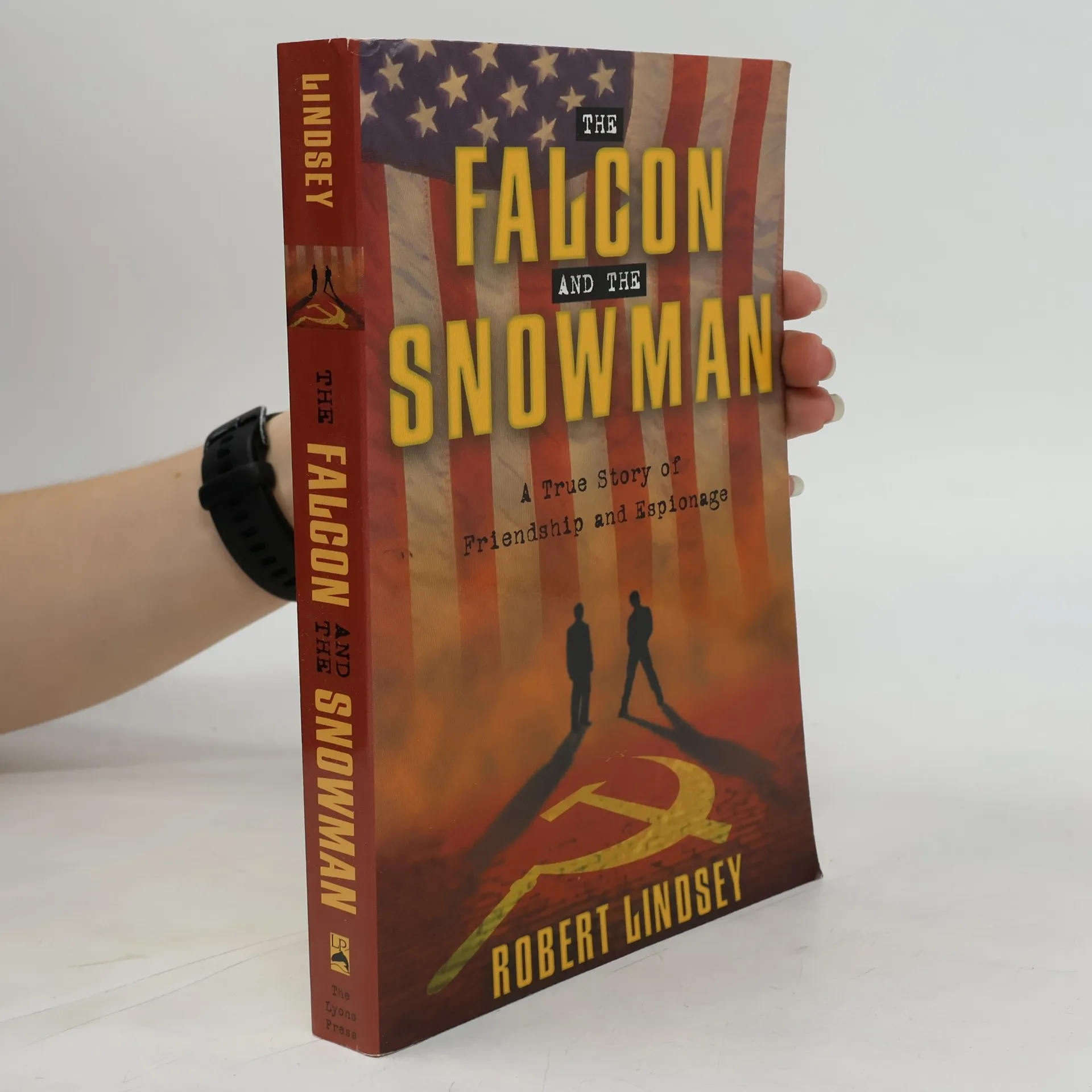
This fascinating account of how two young Americans turned traitor during the Cold War is an "absolutely smashing real-life spy story" (The New York Times Book Review). At the height of the Cold War, some of the nation's most precious secrets passed through a CIA contractor in Southern California. Only a handful of employees were cleared to handle the intelligence that came through the Black Vault. One of them was Christopher John Boyce, a hard-partying genius with a sky-high IQ, a passion for falconry, and little love for his country. Security at the Vault was so lax, Boyce couldn't help but be tempted. And when he gave in, the fate of the free world would hang in the balance. With the help of his best friend, Andrew Daulton Lee, a drug dealer with connections south of the border, Boyce began stealing classified documents and selling them to the Soviet embassy in Mexico City. It was an audacious act of treason, committed by two spoiled young men who were nearly always drunk, stoned, or both--and were about to find themselves caught in the middle of a fight between the CIA and the KGB. This Edgar Award-winning book was the inspiration for the critically acclaimed film starring Timothy Hutton and Sean Penn--a true story as thrilling as any dreamed up by Ian Fleming or John le Carre. Before Edward Snowden, there were Boyce and Lee, two of the most unlikely spies in the history of the Cold War.
His home was a cabin, his backyard an oilfield. Follow the journey of Western writer Bert Lindsey from his "Tom Sawyer childhood" in northeast Texas to his success in the tough corporate world...and experience the many challenges and antics that got him there. Bert Lindsey has a unique perspective on the Texas landscape and a special interest in the state's history. His novels tell of the adventures of rugged cowboy characters who attempt to tame the men, women and horses who called Texas home just after the Civil War
Marlowe's play retains its power to shock even today, and this edition gives full value to its three overriding themes of sexual favouritism, political confrontation and sheer cruelty. Critics in the last twenty years, who have focused on the overtly sexual relationship between Edward and his favourite Gaveston, have hailed it as a 'gay classic'; earlier interpretations concentrated rather on the deposition by his subjects of a weak king, reading it in tandem with Shakespeare's Richard II. The introduction shows how the play works to give the audience an equal emotional commitment to opposing points of view and concludes that this is what makes Edward II such an uncomfortable and challenging play.
The rise of queer theory in the last fifteen years or so has led to a large body of criticism on Edward II , on Marlowe more generally, and indeed on Renaissance literature. This new introduction to the play takes full account of that criticism, offering students a useful and lively overview of the field. While it is often remarked that the writing in Edward II is less 'Marlovian' than his other major plays, no critic has yet fully discussed why this might be the case. The new introduction brings together these topics in order to demonstrate how our understanding of the play is enhanced by considering these aspects of the play together. In addition the introduction also includes a performance history, updating the history given in the previous edition and paying greater attention to Derek Jarman's film, with which the play is often studied. All this ensures the edition meets the needs of students and teachers fully and imaginatively.