
Bookbot

Helga Weiss

    10 novembre 1929

    Helga Hošková-Weissová est une artiste tchèque dont l'œuvre saisit la réalité brute de la vie dans le ghetto de Theresienstadt. Ses dessins et ses entrées de journal, créés dans des conditions immensément difficiles, constituent un témoignage puissant de la résilience humaine face à l'adversité. À travers son art, elle explore les thèmes de la mémoire, de la perte et de l'esprit indomptable, créant des œuvres qui résonnent d'un profond message humain.

    Society for the Prevention of Cruelty to Animals
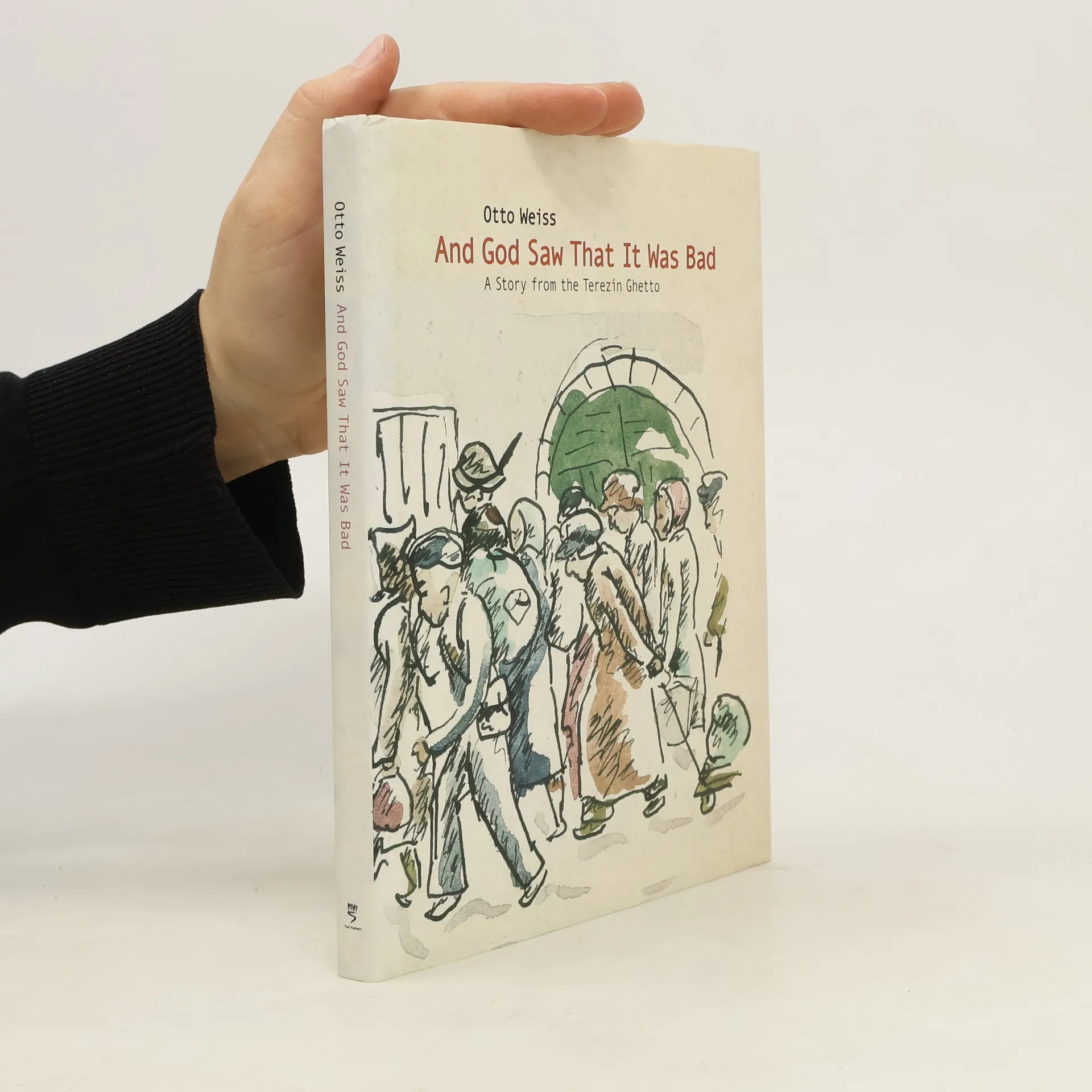
    »Und Gott sah, daß es schlecht war«
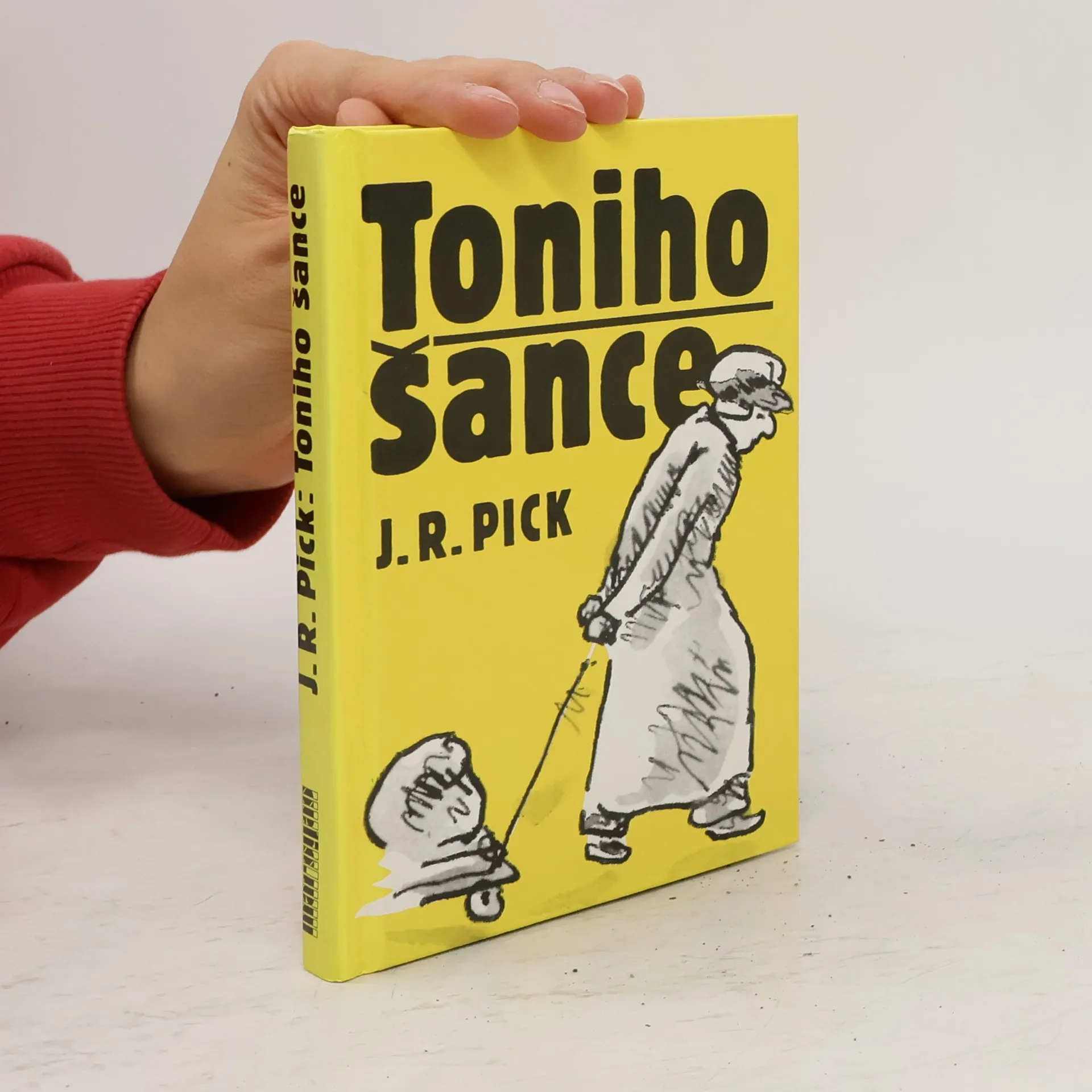
    Toniho šance : dvě novely
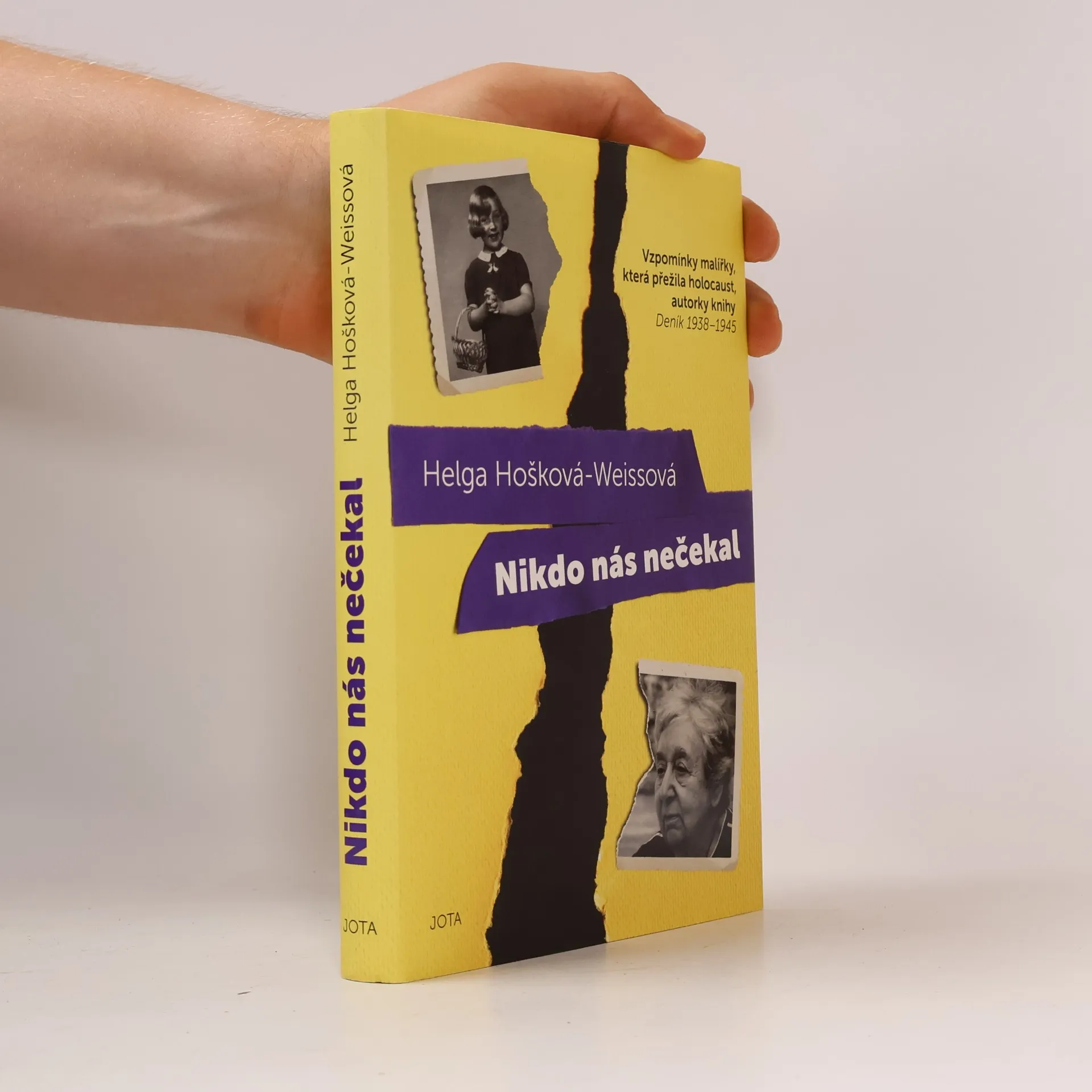
    Nikdo nás nečekal : vzpomínky malířky, která přežila holocaust
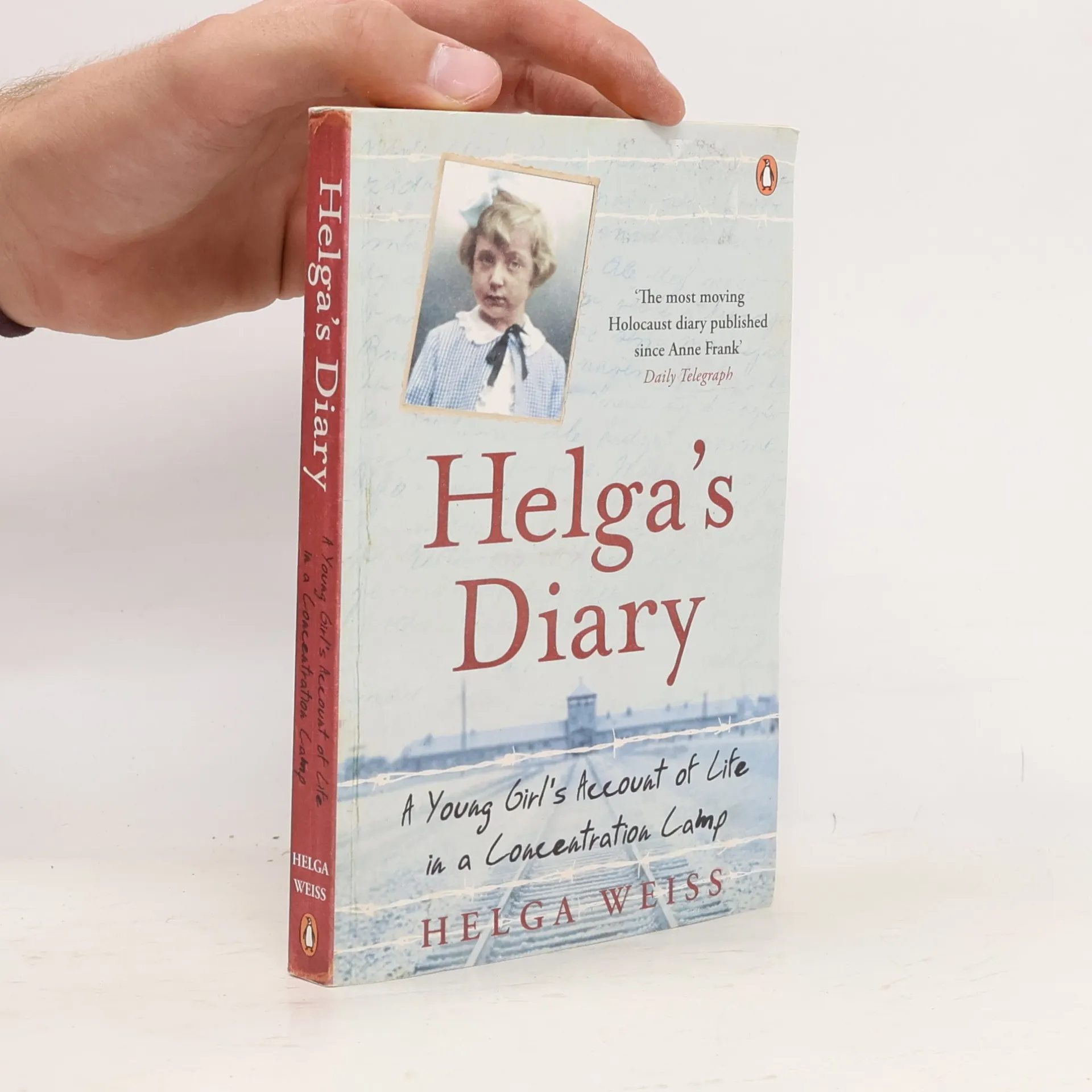
    Helga's Diary. A Young Girl's Account of Life in a Concentration Camp
    Zeichne, was Du siehst : Zeichnungen eines Kindes aus Theresienstadt
    • »Draw what you see«, was my father´s response, when I managed to smuggle to the men´s barracks the drawings of children building a snowman. This was in December of 1941, shortly after we arrived in Theresienstadt. That snowman was actually my last genuine drawing as a child. Through this sentence of my father´s, and through my own inner motivation, I felt called from now on to capture in my drawings the everyday life of the ghetto. The impressions that from this point in time would affect me, ended my childhood.
      Zeichne, was Du siehst : Zeichnungen eines Kindes aus Theresienstadt
      4,6
    • Reconstructed from her original notebook diary that was hidden in a brick wall, documents the life of a young Jewish schoolgirl in Prague who survived the concentration camps of both Terezin and Auschwitz. 20,000 first printing.

      Helga's Diary. A Young Girl's Account of Life in a Concentration Camp
      4,2
    • Autobiografie akademické malířky a přeživší holocaustu, Helgy Hoškové-Weissové, nabízí fascinující pohled na její život. Vzpomíná na idylické dětství v předválečné Praze a na rodinu, přičemž vypráví příběhy těch, kteří se již nikdy nevrátili z nacistických táborů. K válce se vrací jen okrajově, neboť většina jejího příběhu je zachycena v knize Deník 1938–1945, která se stala součástí učebnic historie. Klíčová je druhá část, kde se vrací do poválečné Prahy, kde na ni a její maminku nikdo nečekal. Popisuje lidi, kteří jim pomohli, i ty, kteří se k nim obrátili zády. Atmosféra v poválečném Československu je poznamenána údivem sousedů z jejich návratu a nepochopením jejich příběhu. Hošková-Weissová provází čtenáře svým životem, studiem a snahou začlenit se do společnosti, která ji však odmítá. Po překonání těžkostí dostuduje, vdá se a porodí děti, přičemž se ponoří do malování jako prostředku vyrovnání se s traumatem holocaustu. Po roce 1989 spoluzakládá Terezínskou iniciativu a přednáší po světě. Její příběh je svědectvím o době, která se nesmí opakovat, a pro její děti a vnuky nyní vypráví svůj příběh.

      Nikdo nás nečekal : vzpomínky malířky, která přežila holocaust
      4,3
    • Toniho šance : dvě novely

      • 247pages
      • 9 heures de lecture

      Souborné vydání Spolku pro ochranu zvířat z prostředí terezínského ghetta a Příliš mnoho příbuzných.

      Toniho šance : dvě novely
      4,0
    • »Und Gott sah, daß es schlecht war«

      Erzählung aus Theresienstadt

      • 64pages
      • 3 heures de lecture

      Diese Novelle von Otto Weiss (1898-1944), einem tschechischen Juden, ist ein einzigartiges literarisches Werk und historisches Zeugnis. Die Novelle wurde in Theresienstadt als Überraschungsgeschenk zum Geburtstag seiner Frau Irena verfasst und entstand mit der geheimen künstlerischen Unterstützung seiner jungen Tochter Helga. Vor seiner Deportation nach Auschwitz im Oktober 1944 gab Otto Weiss die Novelle einem Verwandten im Ghetto, der sie in den Magdeburger Baracken versteckte. »Und Gott sah, daß es schlecht war« beschreibt die Erfahrungen Gottes, der inkognito in menschlicher Gestalt als Aaron Gottesmann nach Theresienstadt kommt, um die Situation persönlich zu überprüfen. Gott findet seine Begegnung mit der Realität dieses Ghettos äußerst verstörend, und durch ihn deckt der Autor die Wahrheit über das Leben in Theresienstadt auf. Das Ergebnis ist ein seltenes, einzigartiges literarisches Dokument aus dem Holocaust. Weiss wurde im Oktober 1944 in Auschwitz-Birkenau ermordet. Seine Frau und Tochter überlebten und holten das Buch zurück.

      »Und Gott sah, daß es schlecht war«
      3,0
    • This book is subtitled "A Humorous – If Possible – Novella from the Ghetto.” It was published in 1969 by a famous satirist from Prague, a co-creator of the "small form theater” and a contributor to the humorous Porcupine magazine. The author’s coming of age in the Terezín Ghetto presents a unique image amongst the volumes of the Holocaust literature, combining death and terror with absurdity and humor as well as stark openness. The traditional image of the world of adults viewed through the eyes of a child is constructed in a humorous manner, however, through laughter it also presents experience that is beyond description. The text, translated into English by Alex Zucker and with and epilogue by Jáchym Topol, is followed by personal memories of the author’s sister, film documentarian Zuzana Justmanová.

      Society for the Prevention of Cruelty to Animals
      3,8
