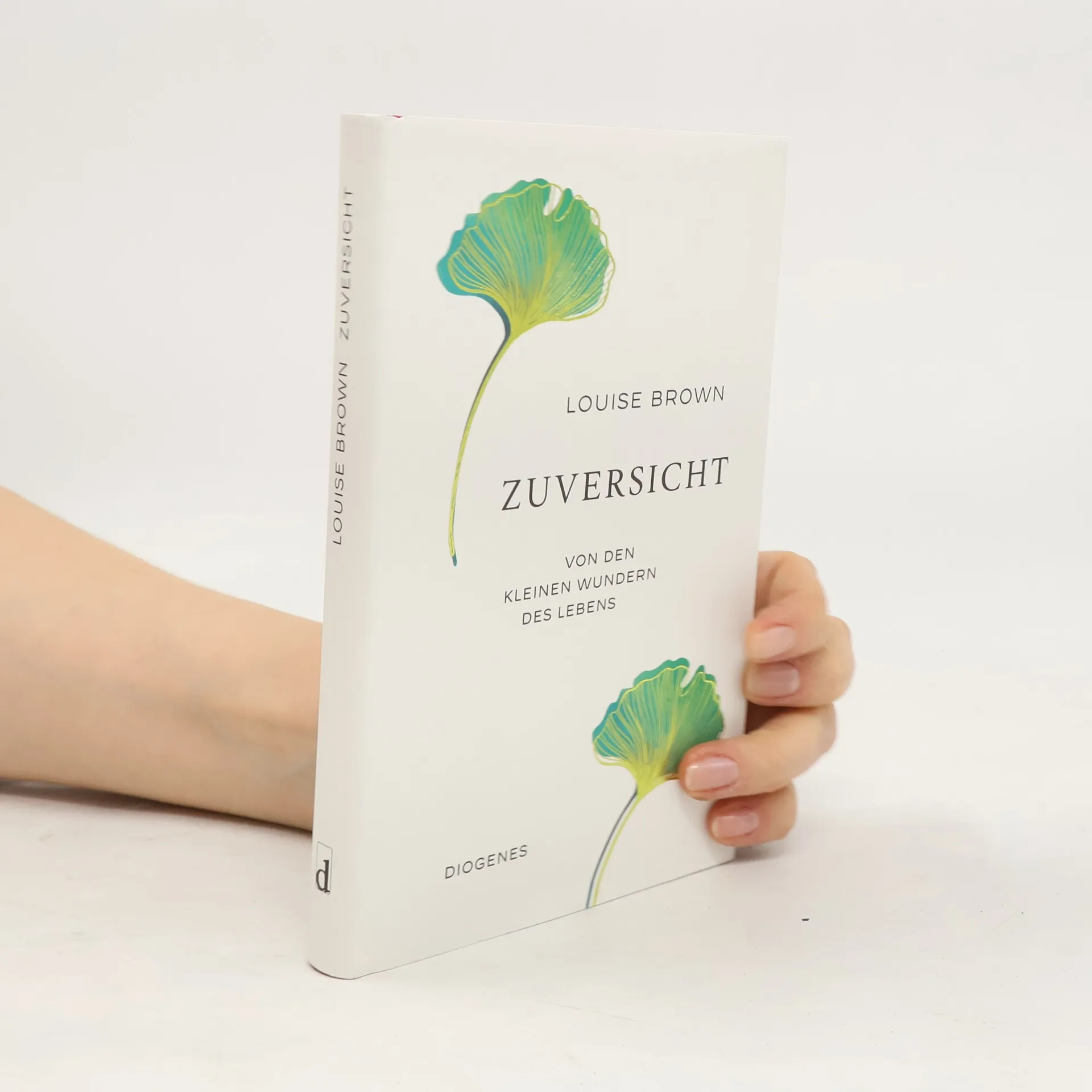
Wir leben in schwierigen Zeiten. Was können wir tun, wenn uns die Unbeschwertheit abhandenkommt? Louise Brown weiß um die Flüchtigkeit des Glücks. Um ihm auf die Spur zu kommen, stellt sie sich eine Aufgabe: ein Jahr lang den Sinn zu schärfen für das Gute, das ihr in ihrem Alltag begegnet. Sie entdeckt, dass auch jeder noch so finstere Tag Momente der Freude und des Staunens birgt. Ihr Buch ist eine Anleitung in der Kunst der Zuversicht.
Louise Brown Ordre des livres (chronologique)
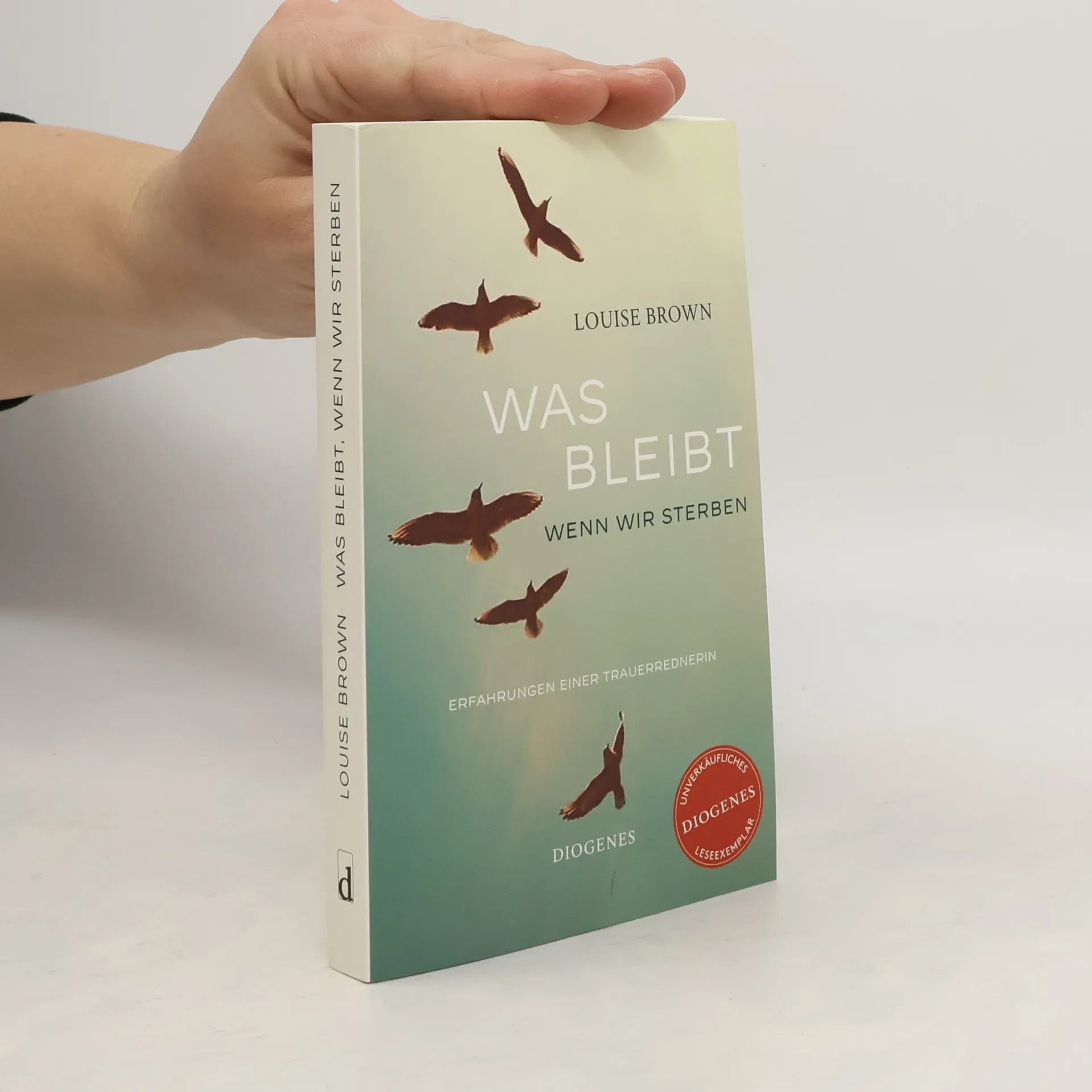
Die Kraft des Schreibens kann uns helfen, mit der Trauer weiterzugehen. Mit großem Einfühlungsvermögen, Gedanken aus ihrem Buch ›Was bleibt, wenn wir sterben‹, neuesten Erkenntnissen zur Trauer, vorsichtigen Fragen und kleinen Aufgaben ermutigt die Journalistin und Trauerrednerin Louise Brown Hinterbliebene, ihre Gedanken zum Verlust und ihre Erinnerungen an das gemeinsame Leben zu notieren. Denn sie weiß: Trauer erzählt eine wichtige Geschichte über Liebe und Verbundenheit.
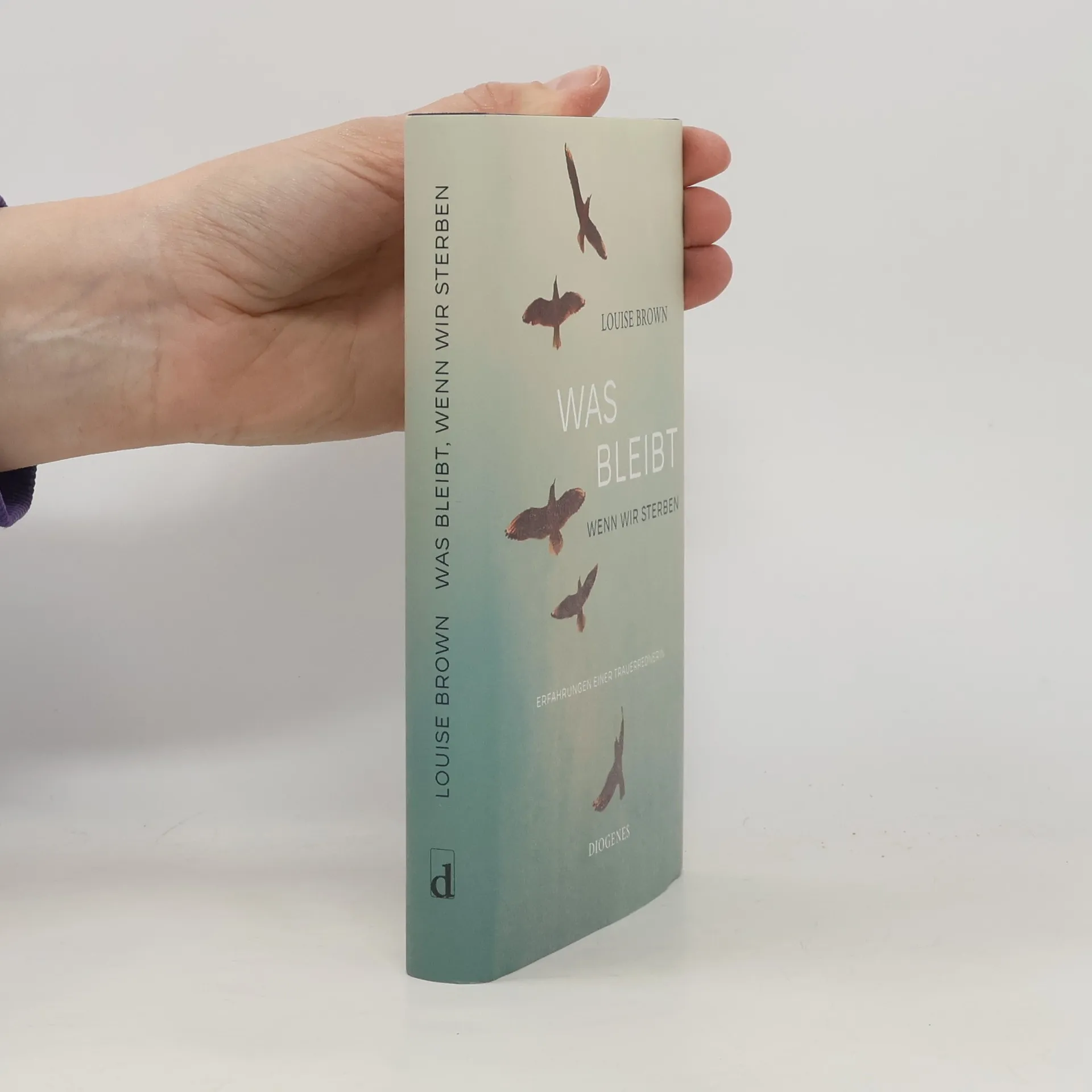
Nach dem Tod ihrer Eltern versucht die Journalistin Louise Brown der Endlichkeit des Lebens etwas Sinnstiftendes abzugewinnen. Sie wird Trauerrednerin und Zeugin dessen, was von uns bleibt. Dies verändert nicht nur ihre Einstellung zum Tod, sondern auch ihre Haltung zum Leben. Louise Brown schenkt uns unvergessliche Bilder, die daran erinnern, was uns als Menschen ausmacht. Ein tröstendes und befreiendes Buch, das Mut macht, das Leben auf die Dinge auszurichten, die von Bedeutung sind. [Diogenes.ch].
Nach dem Tod ihrer Eltern versucht die Journalistin Louise Brown der Endlichkeit des Lebens etwas Sinnstiftendes abzugewinnen. Sie wird Trauerrednerin und Zeugin dessen, was von uns bleibt. Dies verändert nicht nur ihre Einstellung zum Tod, sondern auch ihre Haltung zum Leben. Louise Brown schenkt uns unvergessliche Bilder, die daran erinnern, was uns als Menschen ausmacht. Ein tröstendes und befreiendes Buch, das Mut macht, das Leben auf die Dinge auszurichten, die von Bedeutung sind.Mehr zum InhaltAls Trauerrednerin hat Louise Brown zwei wichtige Zuhören und Erzählen. Zuhören darf sie den Hinterbliebenen, die im Trauergespräch vom Leben der Verstorbenen berichten. An der Trauerfeier erzählt sie dann deren Geschichte und verleiht damit diesem schwierigen Moment des Abschiednehmens menschliche Wärme und Trost. Louise Brown erkennt, dass man durch die Beschäftigung mit dem Tod viel fürs Leben lernen kann und es nicht die großen Errungenschaften sind, sondern Wesenszüge wie Humor, Mut, Zärtlichkeit und Widerstandsfähigkeit, die bleiben, wenn ein Mensch geht. Ein Buch voller Wärme und Menschlichkeit, das Raum schafft, über die eigene Endlichkeit nachzudenken und mit ihr Frieden zu schließen.
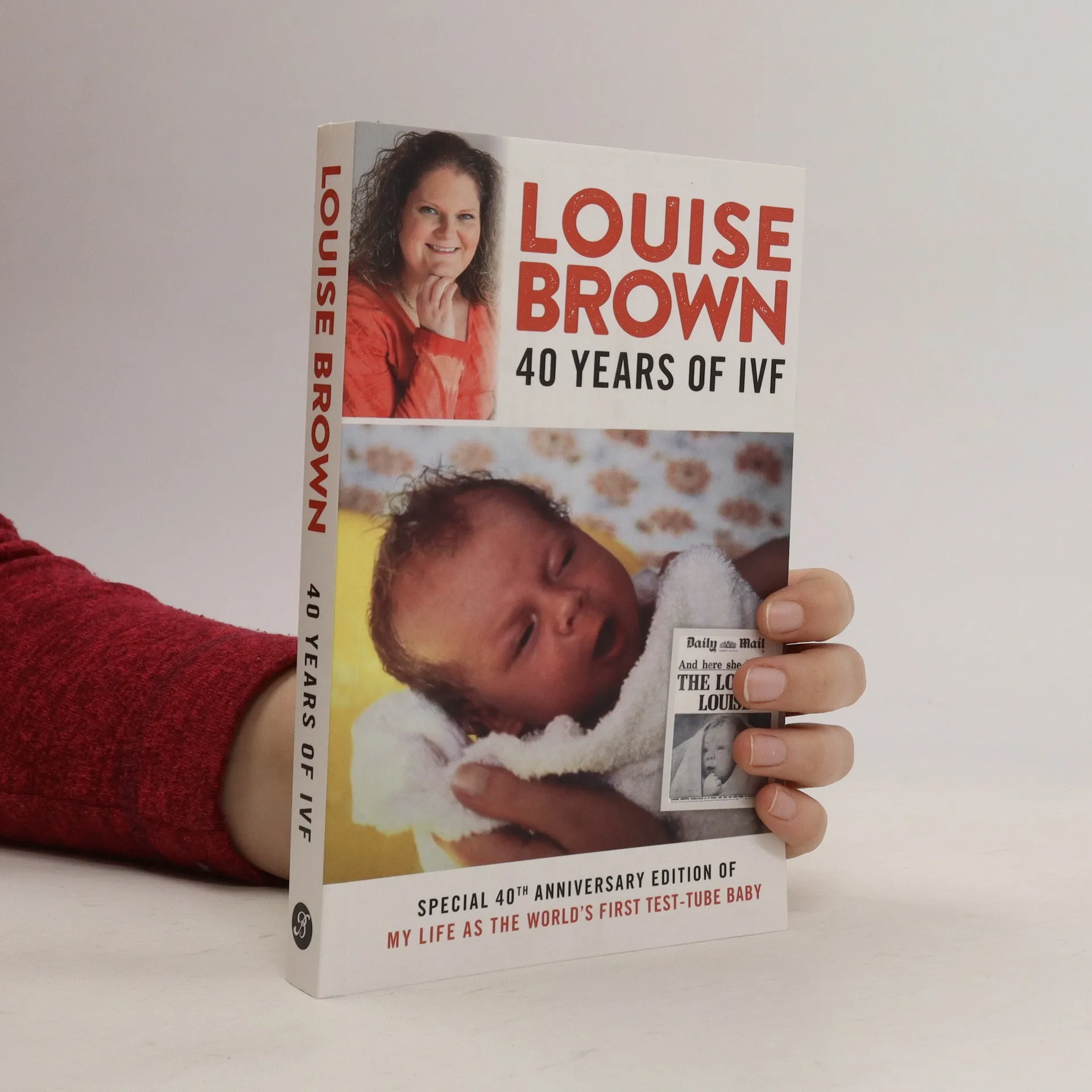
40 years of IVF
- 256pages
- 9 heures de lecture
At 11.47pm on July 25, 1978 Louise Brown was the first person ever to be born through science rather than as the result of two people having sex. The birth was hailed as a miracle by the world s media making her instantly famous. Her birth created shockwaves for the church, politicians and the medical profession. Louise grew up at the centre of the debate about the morality of In Vitro Fertilisation (IVF) while also being a beacon of hope to millions of childless couples throughout the world. For the first time Louise tells the story of her world-changing birth and its impact on her life. 'There aren't many people that can say they were world famous within hours of being born' Louise Brown This book is a special 40th anniversary edition of My Life As The World's First Test-Tube Baby.
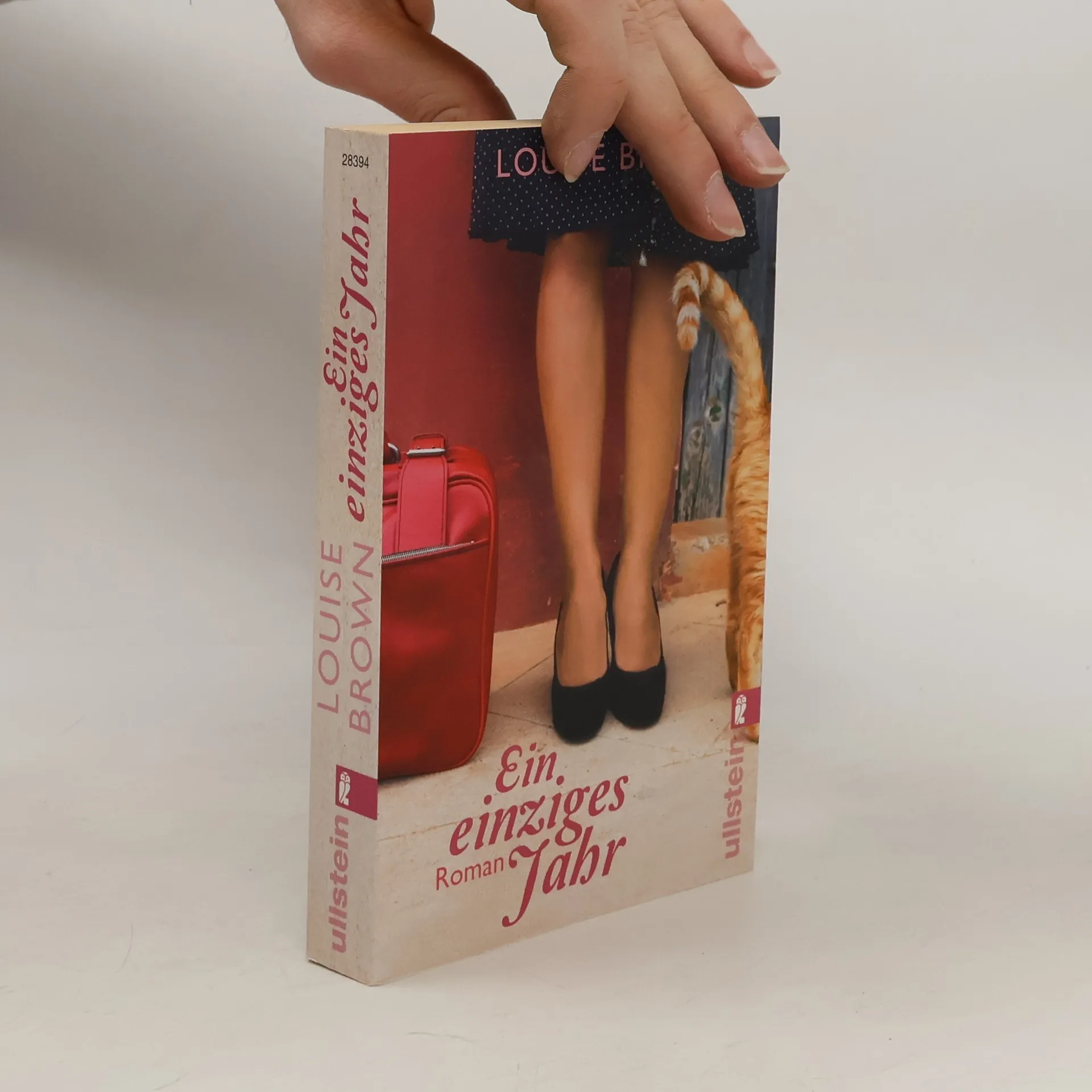
Nach der schmerzlichen Trennung von Mark zieht es die junge Eve zurück in ihre Heimatstadt London. Sie findet eine Stelle im ehrwürdigen Hotel Rochester. Eve verliebt sich in ihren Chef, den charismatischen Hoteldirektor Julian. Endlich scheint Eve eine Heimat gefunden zu haben. Doch dann taucht Mark in London auf. Sie muss sich entscheiden. Für einen Mann, für eine Heimat.
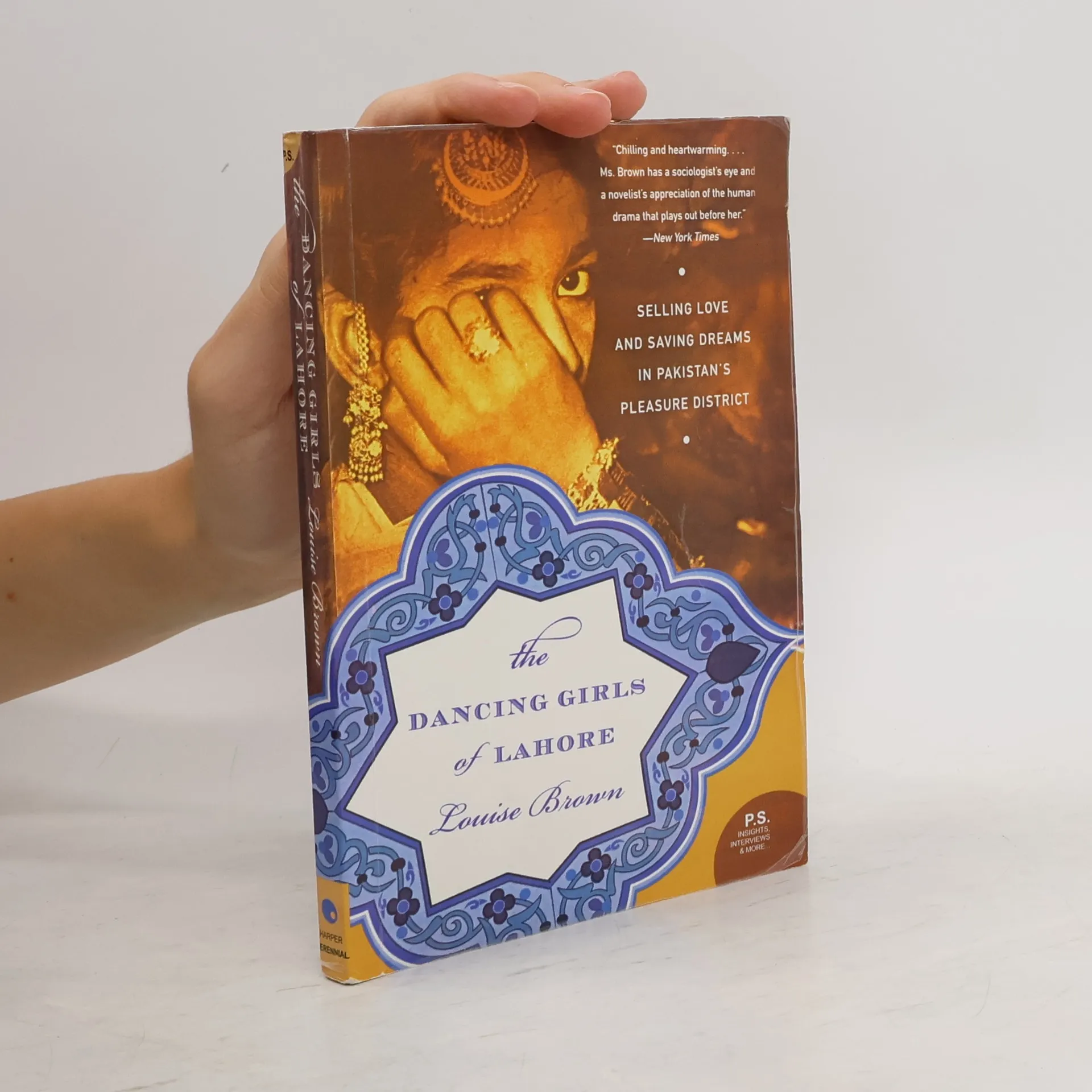
The Dancing Girls of Lahore
- 336pages
- 12 heures de lecture
The dancing girls of Lahore inhabit the Diamond Market in the shadow of a great mosque. The twenty-first century goes on outside the walls of this ancient quarter but scarcely registers within. Though their trade can be described with accuracy as prostitution, the dancing girls have an illustrious history: Beloved by emperors and nawabs, their sophisticated art encompassed the best of Mughal culture. The modern-day Bollywood aesthetic, with its love of gaudy spectacle, music, and dance, is their distant legacy. But the life of the pampered courtesan is not the one now being lived by Maha and her three girls. What they do is forbidden by Islam, though tolerated; but they are gandi, "unclean," and Maha's daughters, like her, are born into the business and will not leave it. Sociologist Louise Brown spent four years in the most intimate study of the family life of a Lahori dancing girl. With beautiful understatement, she turns a novelist's eye on a true story that beggars the imagination. Maha, a classically trained dancer of exquisite grace, had her virginity sold to a powerful Arab sheikh at the age of twelve; when her own daughter Nena comes of age and Maha cannot bring in the money she once did, she faces a terrible decision as the agents of the sheikh come calling once more.
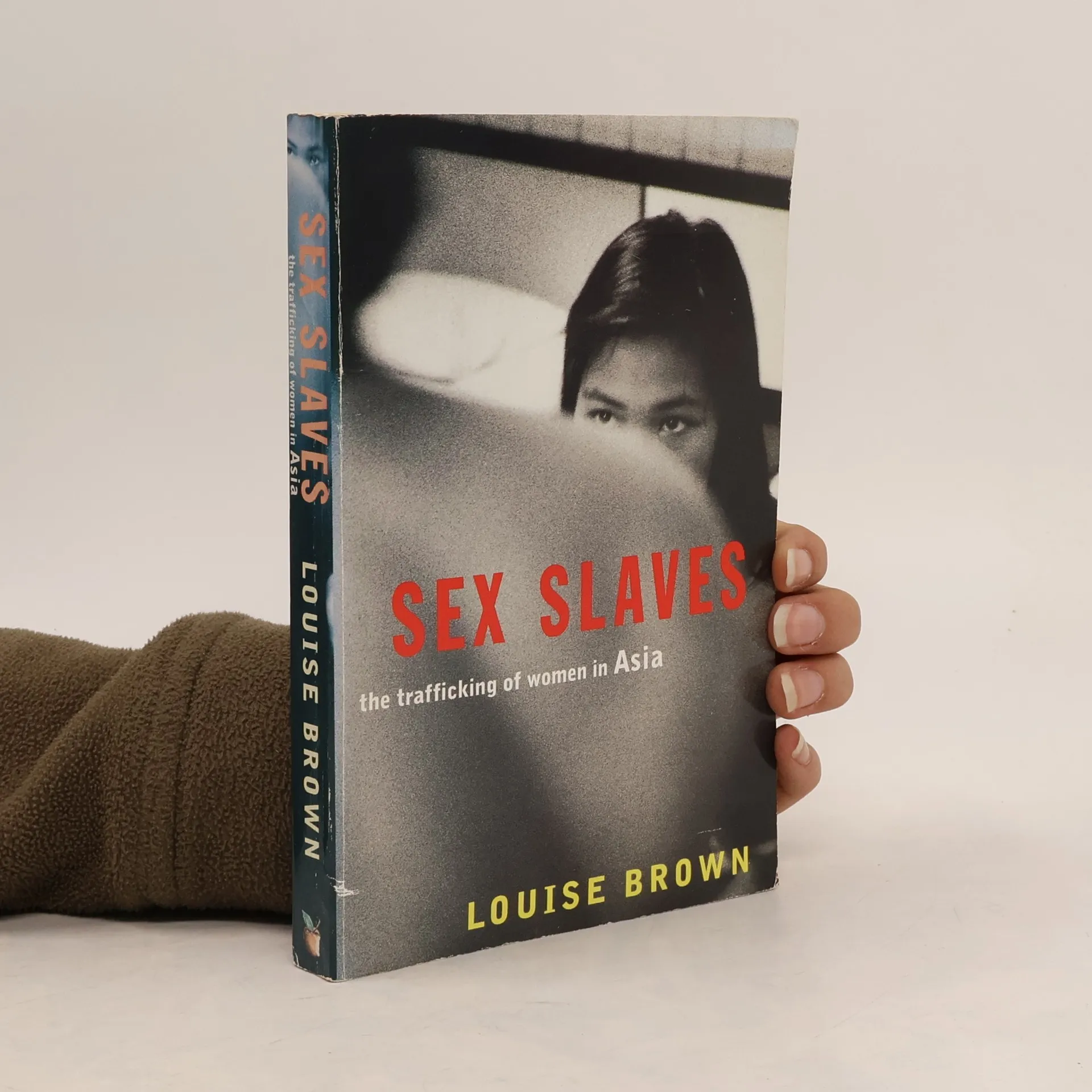
Sex Slaves
- 288pages
- 11 heures de lecture
The Asian sex trade is often assumed to cater predominantly to foreigners. Sex Slaves turns that belief on its head to show that while western sex tourists have played a vital part in the growth of the industry, the primary customers of Asia’s indentured sex workers and of its child prostitutes are overwhelmingly Asian men. Here are the voices of some of the world’s most silent and abused women—women who have been forced into prostitution by the men they trust. This is their story, including the journey from home to captivity, the horrors of "seasoning" for prostitution, and the hidden life within the brothel.