
Acheter 10 livres pour 10 € ici !
Bookbot

Paul La Farge

    17 novembre 1970 – 18 janvier 2023

    Paul La Farge crée des romans qui explorent les complexités de l'identité et les frontières floues entre la réalité et l'imagination. Son style distinctif se caractérise par des récits inventifs qui plongent le lecteur dans des mondes complexes et peu conventionnels. L'œuvre de La Farge suscite constamment la réflexion, offrant une perspective unique pour examiner l'expérience humaine. C'est un écrivain dont les entreprises littéraires sont à la fois intellectuellement stimulantes et créativement audacieuses.

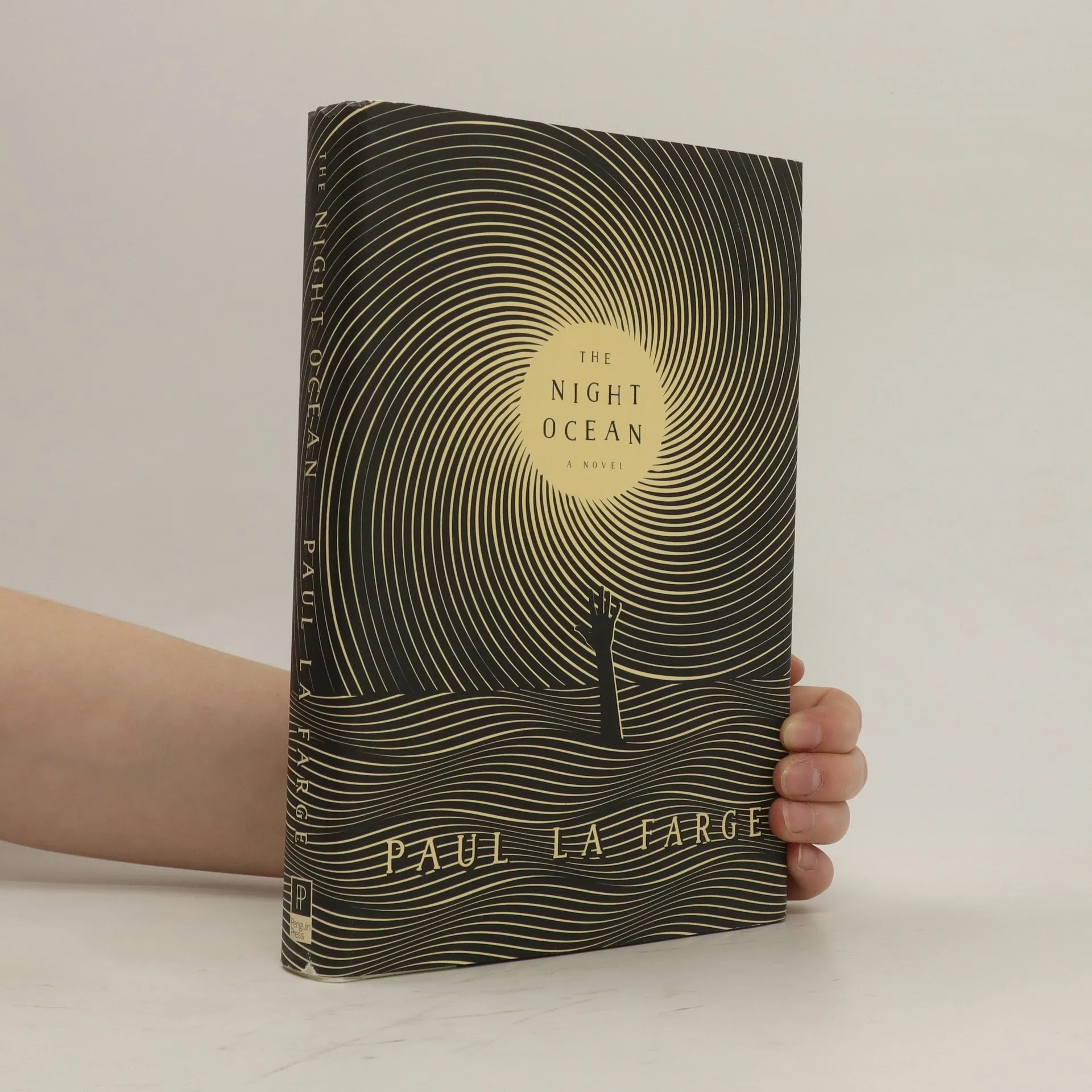
    The Night Ocean
    Le droit à la paresse
    The Artist of the Missing
    Haussmann, or the Distinction
    The Evolution of Property from Savagery to Civilization
    Luminous Airplanes
    • Luminous Airplanes

      • 256pages
      • 9 heures de lecture
      3,7(3)Évaluer

      Set against a backdrop of rich historical context, this book weaves together intricate characters and compelling themes that explore the complexities of human relationships. The narrative delves into personal struggles and societal challenges, offering a poignant reflection on resilience and connection. With its engaging prose and thought-provoking insights, it captivates readers, making it a standout choice for those seeking a profound literary experience.

      Luminous Airplanes
    • Born in Cuba on January 15, 1842, Lafargue was a child of the New World, although he was a citizen of France. Educated and trained as a physician, he found his true calling as a revolutionary, a speaker, writer, agitator, and organizer on behalf of French working people. He took an active part in the Paris Commune and was one of the founders of the party of revolutionary socialists in France. He held public office and represented the French workers at international congresses. He also spent time in French jails.

      The Evolution of Property from Savagery to Civilization
    • In this stunning, imaginative novel, LaFarge explores a secret in the life of Baron Georges-Eugene Haussmann, the great architect who demolished and rebuilt Paris in the middle of the 19th century. A "New York Times" Notable Book of 2001. 3 illustrations.

      Haussmann, or the Distinction
    • The Artist of the Missing

      • 256pages
      • 9 heures de lecture
      3,6(115)Évaluer

      Set in a richly imagined alternate world, this haunting debut explores the complexities of love and loss. Paul La Farge weaves a narrative that captivates with its depth and emotional resonance, while the illustrations by Stephen Alcorn enhance the story's atmospheric quality. The novel delves into the mysteries of human connection, making it a thought-provoking read that lingers long after the last page.

      The Artist of the Missing
    • Ce livre, écrit en 1880, est la réponse à l'ouvrage de Louis Blanc intitulé « le droit au travail » (1848) et à ses dérives tout au long des années qui vont suivre. Sa thématique principale est le travail et l'idée que s'en font les hommes... et surtout les hommes de « gauche », fils des révolutionnaires, qui au lieu d'élever la servitude au rang d'activité honorable devrait la haïr de toutes leurs forces.Malgré ses 136 ans, le texte reste d'une actualité et d'une pertinence insoupçonnable. A certains égards, notre réalité rejoint celle du XIXème siècle. Les attaques incessantes contre le code du Travail (Macron, Gattaz, Badinter), mais également les discours sur la « valeur travail » (Sarkozy en premier lieu dans la période récente), auraient en effet toute leur place dans le contexte politico-économique de ce XIXème siècle que nous dépeint Lafargue avec brio.De plus, cet ouvrage peut également être vu comme une introduction aux idées du Marxisme. De nombreux concepts et idées élaborés par le beau-père de Lafargue, Marx lui-même, se retrouvent dispersés ça et là, au fil des pages.Pour toutes ces raisons, il m'a semblé important de rééditer ce texte, qui figure parmi les classiques du marxisme, et qui introduira parfaitement le travail que j'espère mener avec les Editions Lumpen. Un travail de vulgarisation et de transmissions de l'héritage marxiste.

      Le droit à la paresse
    • The Night Ocean

      • 400pages
      • 14 heures de lecture
      3,3(2526)Évaluer

      Marina Willett has a problem. Her husband, Charlie, has become obsessed with H.P. Lovecraft, in particular with one episode in the legendary horror writer's life: In the summer of 1934, the 'old gent' lived for two months with a gay teenage fan named Robert Barlow, at Barlow's family home in central Florida. Were they friends - or something more? Just when Charlie thinks he's solved the puzzle, a new scandal erupts, and he disappears. The police say it's suicide. Marina, a psychiatrist, doesn't believe them. A tour de force of storytelling inspired by Lovecraft and his gang.

      The Night Ocean
    • Exploring the history of property ownership, this book traces its development from primitive societies to modern civilization through a Marxist lens. It examines key themes such as the influence of agriculture, the rise of trade, and the emergence of private property. Lafargue highlights the connection between property and class struggle, emphasizing how wealth concentration leads to social inequality and exploitation. This analysis provides a profound understanding of property as a fundamental societal concept, making it a significant contribution to literature on economic and social history.

      The Evolution of Property from Savagery to Civilization (1910)