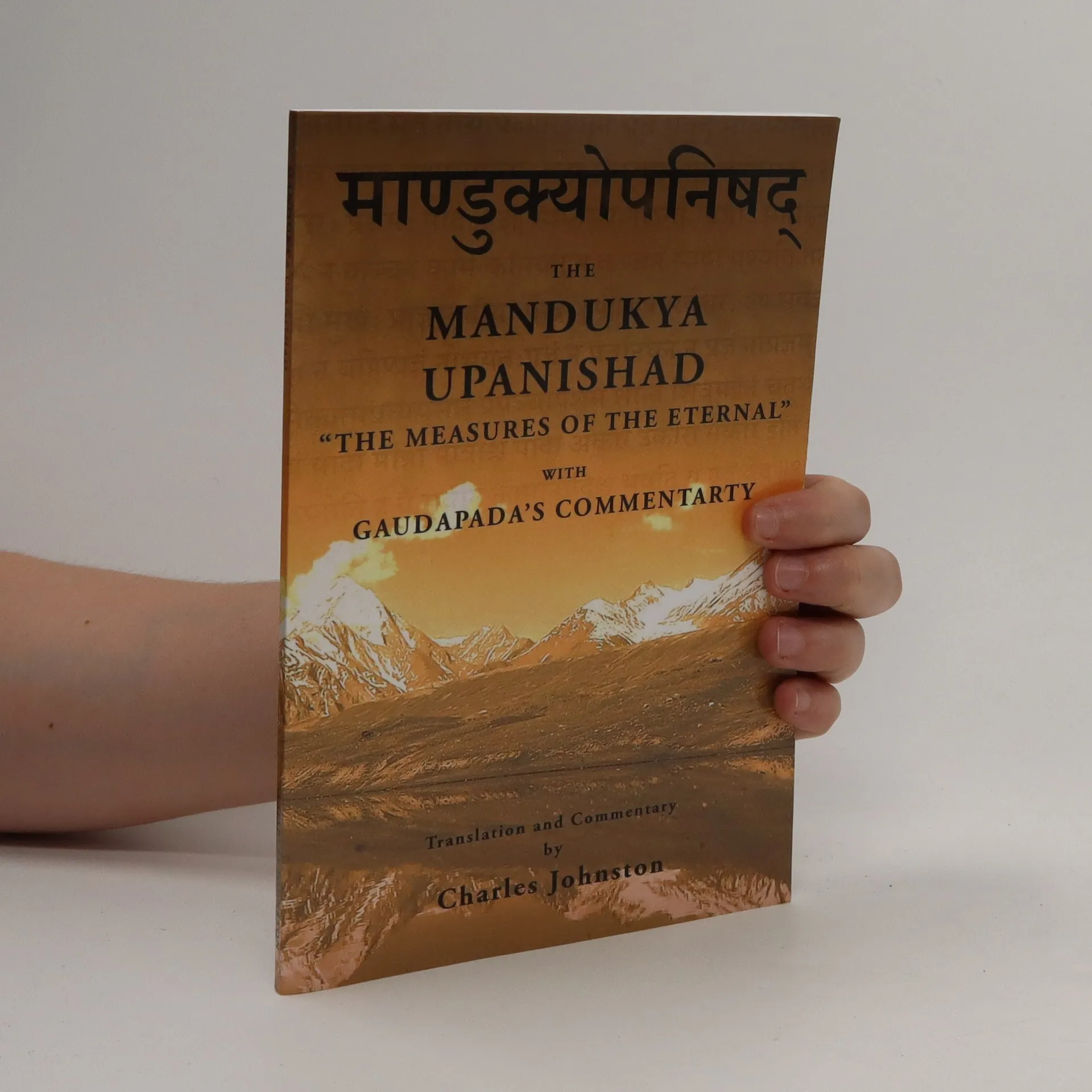

Focusing on the pursuit of Self-knowledge, this concise Sanskrit text by Adi Shankara outlines the journey towards understanding Atman, or the true self. It emphasizes the importance of self-awareness and the possession of knowledge regarding the soul and supreme spirit. Additionally, it serves as an introductory guide to Vedanta philosophy, encapsulating essential truths in a compact format.
Charles Johnston Livres
Charles Johnston s'est plongé dans la sagesse des traditions orientales, une immersion profonde évidente dans ses traductions de textes philosophiques clés. Sa profonde compréhension de la philosophie Vedanta lui a permis de dévoiler le sens profond des sutras de Patanjali, explorant la naissance de l'Homme Spirituel. Le travail de Johnston aborde principalement des sujets philosophiques et théosophiques, offrant aux lecteurs un aperçu profond des traditions spirituelles de l'Orient. Son approche rend les concepts fondamentaux de ces anciennes sagesses accessibles et compréhensibles.


Travels in southern Abyssinia, Volume 1
- 258pages
- 10 heures de lecture
The first volume of a classic exploration of southern Abyssinia offers a significant historical perspective, showcasing the region's culture and geography. Alpha Editions has preserved this important work by reformatting and retyping it for clarity and readability, ensuring that it remains accessible to both contemporary and future readers. This modern edition emphasizes the book's lasting value and contribution to understanding the area's history.
Exploring the profound wisdom of the Gospels and the Upanishads, this work delves into the essence of spiritual teachings through parables and dramatic narratives. It highlights key stories such as the contest of Brahma and the Devas, and the dialogue between Janaka and the Sage, presenting them as vital expressions of ancient Indian philosophy. A modern paraphrase introduces these mysteries, emphasizing that true understanding requires personal insight and illumination from within.
Rooted in the Taittiriya school of the Yajurveda, this Upanishad comprises the seventh, eighth, and ninth chapters of the Taittiriya Aräyaka, known as Siksavalli, Anandavalli, and Bh guvalli. It is part of the "black" Yajurveda, characterized by its unarranged collection of verses, contrasting with the "white" Yajurveda. The text is significant within the Muktika canon of 108 Upanishads and reflects the teachings attributed to the pupils of sage Vaishampayana, offering insights into ancient Indian philosophy and spirituality.
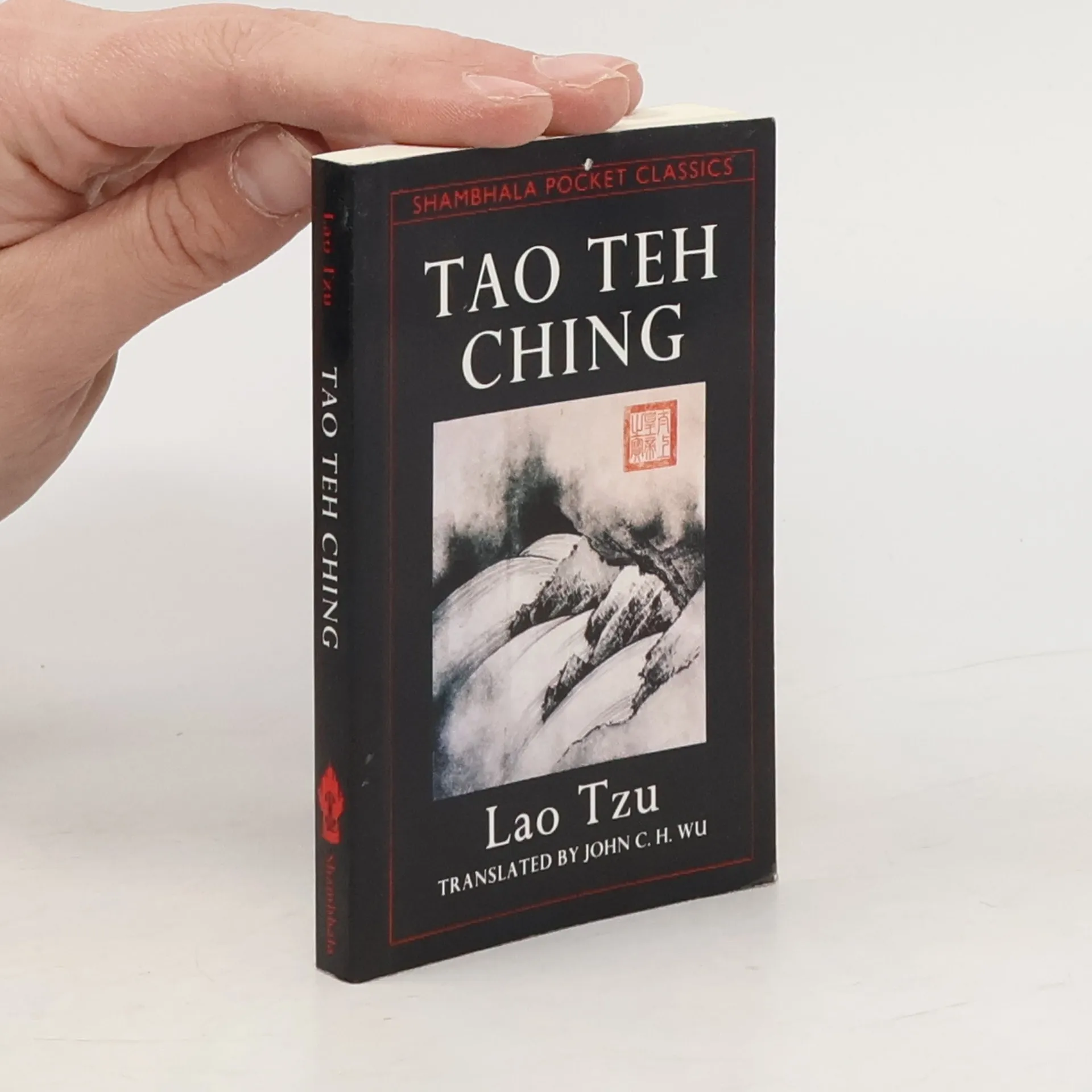
This translation of a sixth-century B.C. classic from Chinese Taoism by Charles Johnston provides not only the text itself but also insightful commentary and interpretation. Johnston, known for his expertise in Eastern spiritual writings, aims to facilitate personal introspection through his work, making ancient wisdom accessible and relevant to contemporary readers.
The Katha Upanishad presents a profound dialogue between the young boy Nachiketa and Yama, the deity of death, exploring fundamental themes such as the nature of humanity, the essence of the self (Atman), and the concept of liberation (moksha). As one of the principal Upanishads, it delves into spiritual teachings that are central to Hindu philosophy, emphasizing the quest for knowledge and understanding of existence. This text remains a cornerstone of Vedic literature and continues to influence spiritual thought in Hinduism.
The traditional path of knowledge leading to eternal freedom and Self-Realization is expertly summarized in this work by Adi Shankara. Charles Johnston's enduring translation captures the essence of Shankara's teachings, making complex philosophical concepts accessible. This classic text serves as a guide for those seeking deeper understanding and spiritual enlightenment.
Focusing on spiritual teachings, the Upanishads are revered texts within Hinduism that delve into profound philosophical concepts. Comprising around 108 texts, the earliest and most significant are known as the principal Upanishads, which form the foundation of Hindu thought. These late Vedic Sanskrit writings explore the nature of reality, the self, and the universe, making them central to understanding Hindu spirituality and philosophy.
Tao Te Ching
Esoteric Classics: Eastern Studies
The book presents a translation of a foundational sixth-century B.C. text of Chinese Taoism by renowned translator Charles Johnston. It delves into Eastern spiritual and religious themes, providing readers with insights into the philosophical underpinnings of Taoism through Johnston's adept interpretation. This work serves as a bridge to understanding ancient wisdom and its relevance in contemporary spiritual practices.
Central to Hindu spirituality, the Upanishads are revered late Vedic texts that explore profound religious teachings and ideas. Among the approximately 108 known Upanishads, the earliest and most significant are termed the principal Upanishads. The Kena Upanishad stands out for its exploration of Brahman, both with and without attributes, and serves as a treatise on "purely conceptual knowledge," highlighting its philosophical depth and significance within the broader context of Hindu thought.