

Bookbot

William Scott Wilson

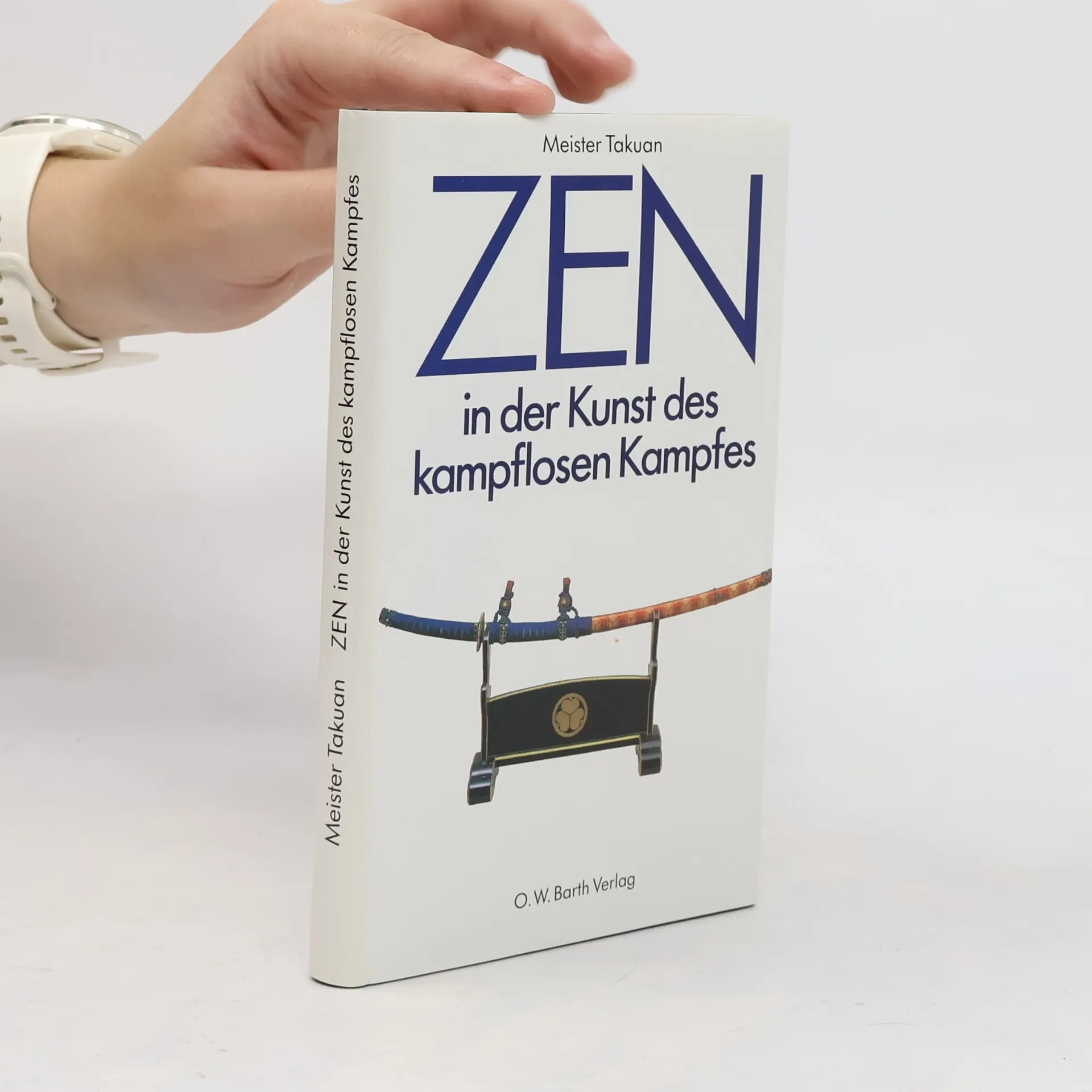
    Zen in der Kunst des kampflosen Kampfes
    The Pocket Hagakure
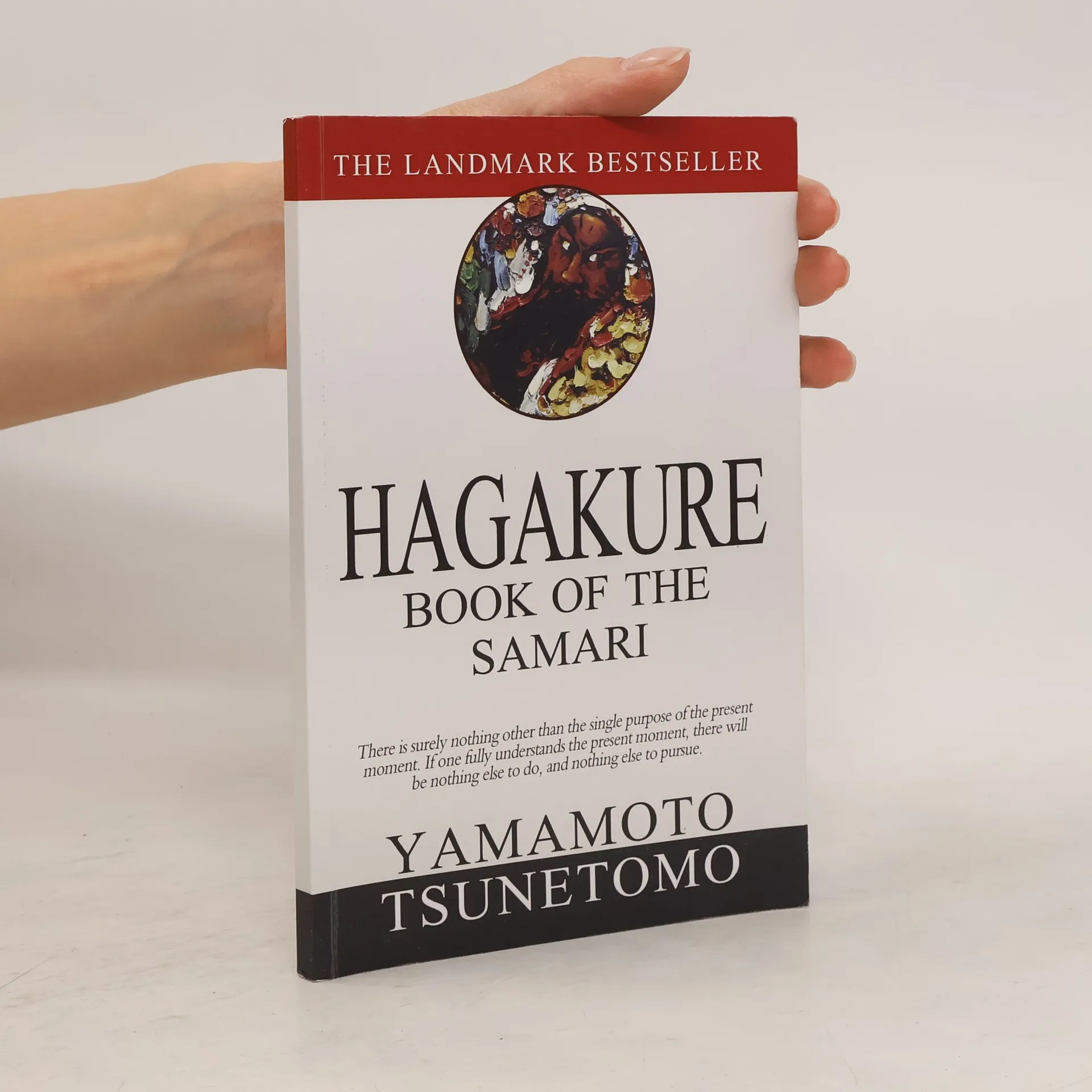
    Hagakure
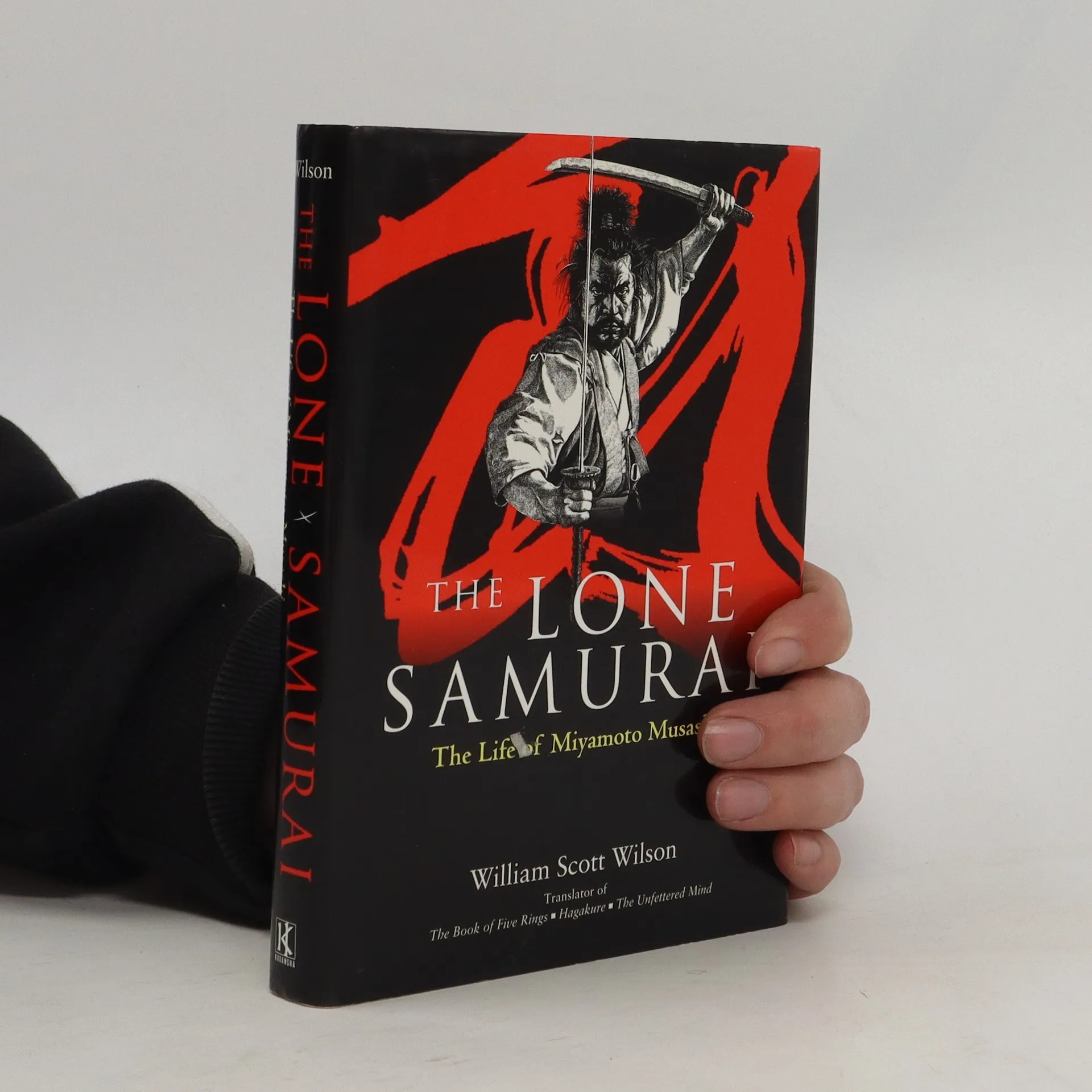
    The Lone Samurai
    • The Lone Samurai

      • 288pages
      • 11 heures de lecture

      An expert on samurai history paints a vivid, multi-faceted portrait of feudal Japan and Miyamoto Musashi—the legendary swordsman who wrote the classic martial arts treatise, The Book of Five Rings Born in 1584, Miyamoto Musashi was the legendary samurai known throughout the world as a master swordsman, spiritual seeker, and author of the classic book on strategy, The Book of Five Rings . Over 350 years after his death, Musashi and his legacy still fascinate readers worldwide, inspiring artists, authors, and filmmakers. In The Lone Samurai, respected translator and expert on samurai culture William Scott Wilson presents both a vivid account of a fascinating period in feudal Japan and a portrait of the courageous, iconoclastic samurai who wrestled with philosophical and spiritual ideas that are as relevant today as they were in his time. For Musashi, the way of the martial arts was about mastery of the mind rather than simply technical prowess—and it is this path to mastery that is the core teaching in his Book of Five Rings .

      The Lone Samurai
      4,1
    • Hagakure

      Book of the Samurai

      • 102pages
      • 4 heures de lecture

      Hagakure ("In the Shadow of Leaves"') is a manual for the samurai classes consisting of a series of short anecdotes and reflections that give both insight and instruction--in the philosophy and code of behavior that foster the true spirit of Bushido--the Way of the Warrior. It is not a book of philosophy as most would understand the word: it is a collection of thoughts and sayings recorded over a period of seven years, and as such covers a wide variety of subjects, often in no particular sequence. The work represents an attitude far removed from our modern pragmatism and materialism, and posesses an intuitive rather than rational appeal in its assertion that Bushido is a Way of Dying, and that only a samurai retainer prepared and willing to die at any moment can be totally true to his lord. While Hagakure was for many years a secret text known only to the warrior vassals of the Hizen fief to which the author belonged, it later came to be recognized as a classic exposition of samurai thought and came to influence many subsequent generations, including Yukio Mishima. (Text refers to a previous edition)

      Hagakure
      4,1
    • The Pocket Hagakure

      • 256pages
      • 9 heures de lecture

      This definitive translation of a seminal treatise on the samurai code explores the essence of living and dying with bravery and honor. Written by eighteenth-century samurai Yamamoto Tsunetomo, the text comprises over 1,300 short passages that illuminate the Japanese concept of bushido (the Way of the Warrior), outlining the expected conduct and values of samurai. Acclaimed translator William Scott Wilson has curated and translated three hundred of these texts, offering an accessible distillation that serves as a profound insight into the samurai's captivating world. This edition features an introduction that examines the Zen concept of muga, or the “death” of the ego, providing a rich historical and philosophical context for a metaphorical interpretation of Tsunetomo’s reference to bushido as “the Way of death.” This perspective adds a fresh and nuanced appeal to the classic, which has intrigued readers over the years. Previously published under a different title, this work is part of the Shambhala Pocket Library series, a collection of short teachings from notable figures across various traditions. The series, featuring covers by Colorado artist Robert Spellman, distills decades of wisdom from Shambhala Publications into a compact, collectible format that is both reader-friendly and applicable to everyday life.

      The Pocket Hagakure
    • Zen in der Kunst des kampflosen Kampfes

      • 120pages
      • 5 heures de lecture

      Dieses Buch thematisiert die Befreiung des menschlichen Potenzials, ähnlich wie in Herrigels „Zen in der Kunst des Bogenschießens“. Es enthält drei Essays des Schwertmeisters Yagyu Munenori, die seine Unterweisung durch Zenmeister Takuan festhalten und die Kunst des Lebens und Sterbens beleuchten.

      Zen in der Kunst des kampflosen Kampfes