

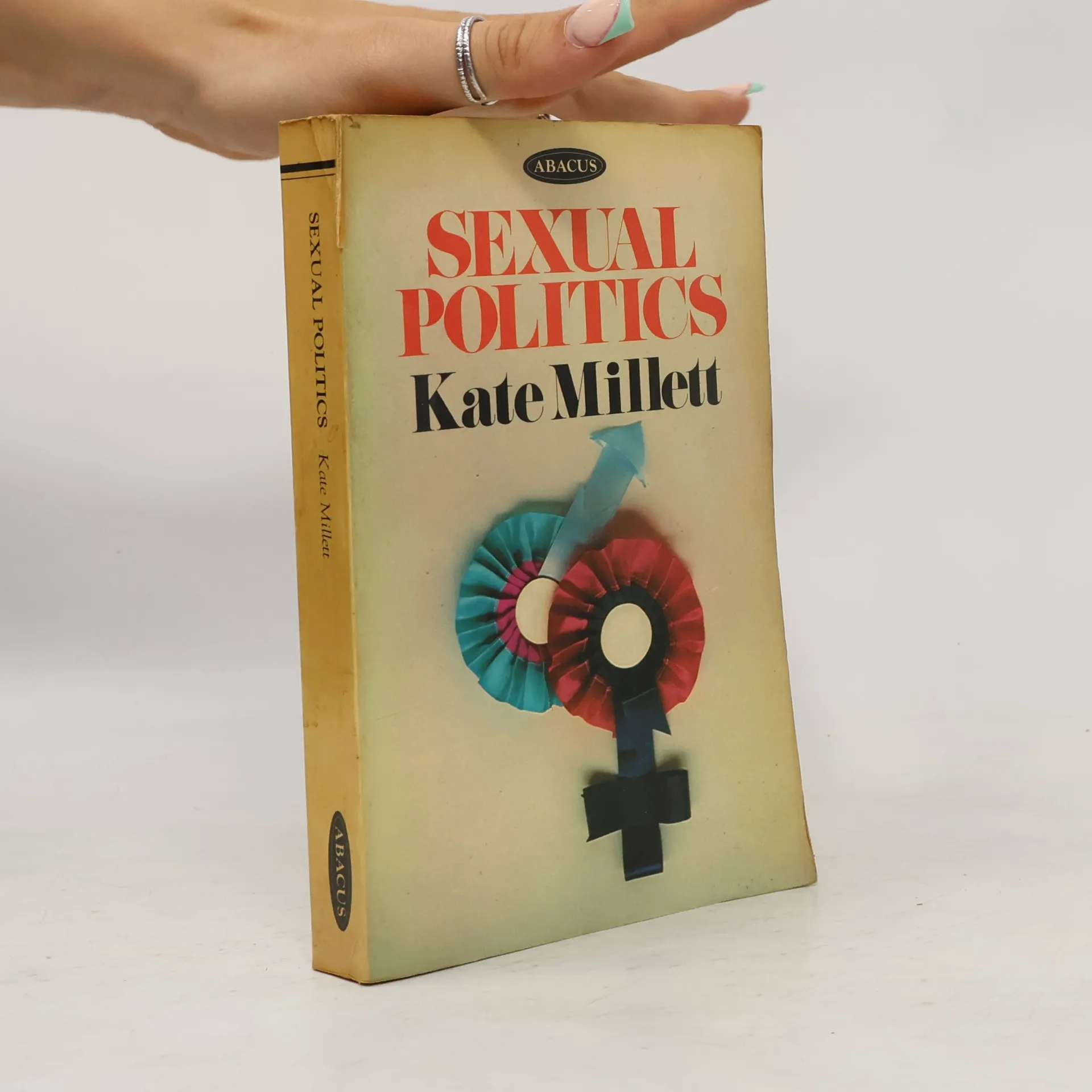
A new edition of the earthshaking work that exposed the subjugation of women in culture and life.
Rebecca Mead Livres
Rebecca Mead est rédactrice pour The New Yorker, où elle explore une variété de sujets avec sa prose perspicace caractéristique. Son écriture explore les complexités de la vie et de la société modernes, offrant aux lecteurs une compréhension plus approfondie du monde qui les entoure. Grâce à des recherches méticuleuses et à une narration élégante, Mead crée des récits à la fois informatifs et profondément captivants.
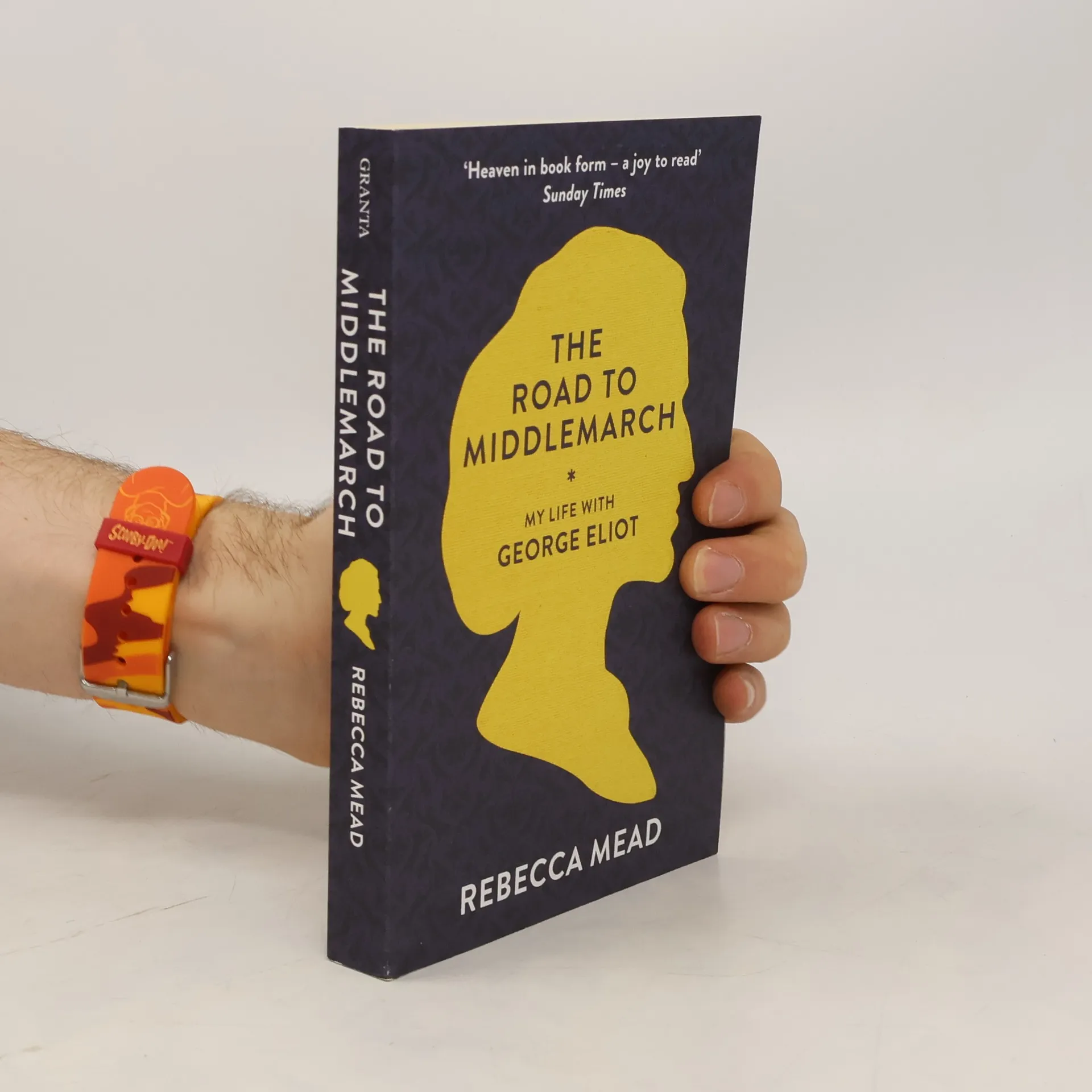
A celebration of George Eliot's life, work and greatest novel, exploring through a mixture of literary biography, deep reading and personal memoir how Middlemarch answers fundamental questions about life and love
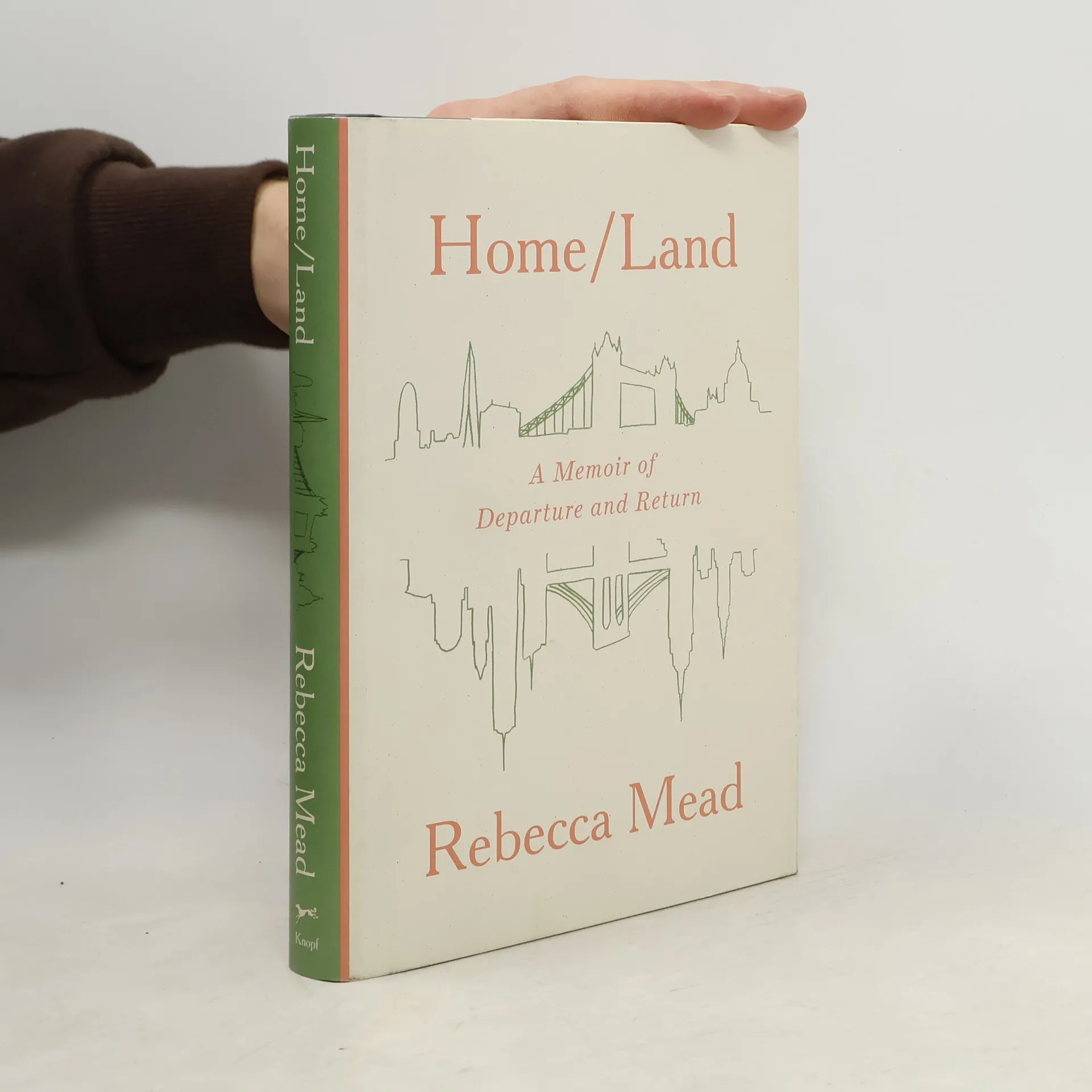
A moving reflection on the complicated nature of home and homeland, this memoir captures the heartache and adventure of returning to one’s native land after leaving an adopted country. When the New Yorker writer relocated to London in the summer of 2018, she was escaping the political climate in America while seeking to expose her son to a broader world. With a deep awareness of what she left behind in New York, where she had lived for thirty years, she endeavored to weave herself into the fabric of a transformed London. This transition prompted profound questions about place: What does it mean to leave the home you have embraced? What is the value and cost of uprooting yourself? Blending memoir and reportage, and drawing on literature, art, and history, the author explores themes of identity, nationality, and inheritance. She reflects on her upbringing in Weymouth, her early years in New York as she broke into journalism, and the journey of creating a new home for her dual-national son in London. Throughout, she grapples with her parents' complex legacy. This work is a poignant inquiry into being present in our current lives while honoring our past.