Michael Hulse est un traducteur distingué de l'allemand, rendant accessible aux lecteurs un large éventail de littérature. Son travail s'étend d'auteurs allemands canoniques à des lauréats du prix Nobel, démontrant une large maîtrise des styles et des voix littéraires. Il est particulièrement reconnu pour ses interprétations des profondes narrations de W. G. Sebald, capturant habilement leur ton mélancolique unique et leur prose complexe. Les traductions de Hulse sont célébrées pour leur précision et leur engagement profond avec le matériel source, garantissant que l'esprit et l'art des œuvres originales soient vivement transmis.
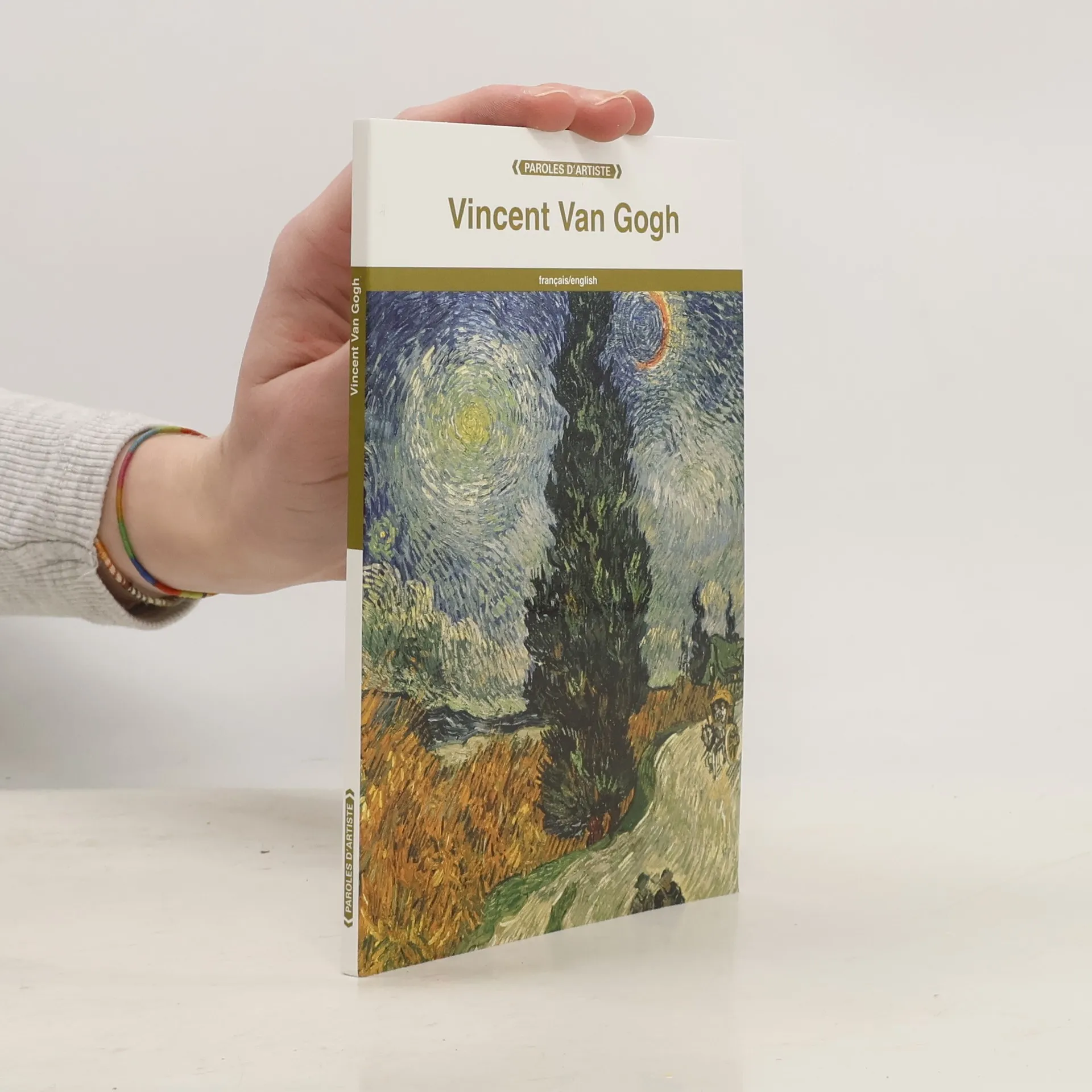
Van Gogh, qui a exercé une variété de professions avant de devenir artiste, était un homme solitaire, désespéré et autodestructeur. Cette étude riche et experte suit l'artiste depuis ses premières peintures sombres où il capture la misère des paysans et des travailleurs de sa patrie, à sa période parisienne lumineuse et colorée, jusqu'à l'œuvre de ses dernières années, passées sous un soleil du sud à Arles.
" En plein essor, la Petite Collection de Taschen a gagné : excellentes reproductions que l'on peut même encadrer, commentaires intelligents, le tout à un prix imbattable ". The Bookseller, Londres " Des livres qui donnent envie de les acheter ". Sunday Times Magazine, Londres. " Les publications Taschen sont des ouvrages essentiels pour l'étudiant des beaux-arts et pour le grand public ". Flash Art, Milan.
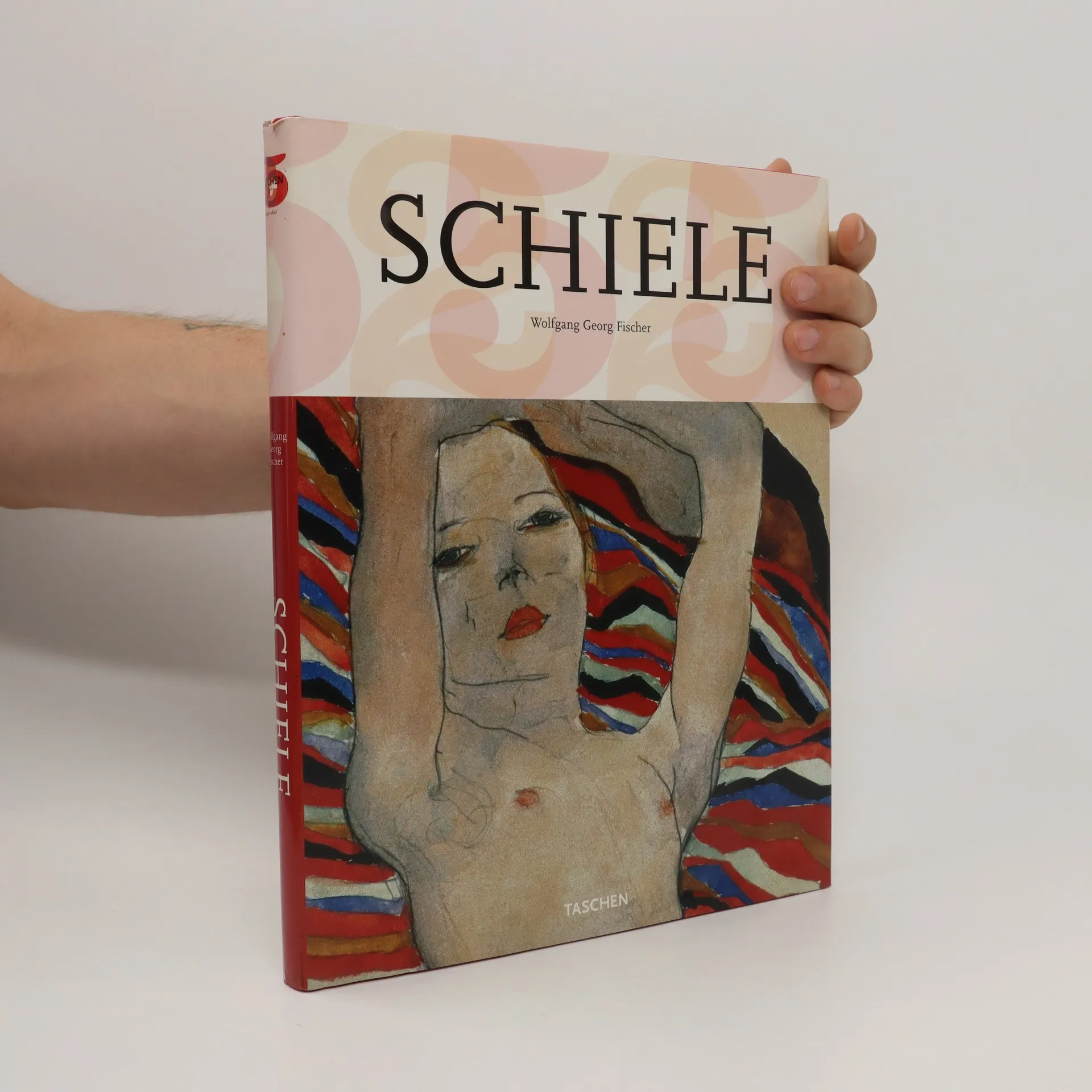
""Hindering the artist is a crime,"" wrote Egon Schiele in 1912. At the time he was in prison for disseminating immoral drawings. Throughout his work the note of defiance, provocation, and rebellion was sounded. Schiele's favorite subjects were female nudes and self-portraits, and he worked at his art with furious commitment, though it was not until shortly before his early death that he began to win real recognition. Today, with Oskar Kokoschka, he is seen as the most important of the Austrian artists who came after Klimt. This study examines the life and work of Egon Schiele through all the major oil paintings and many of his erotic drawings.
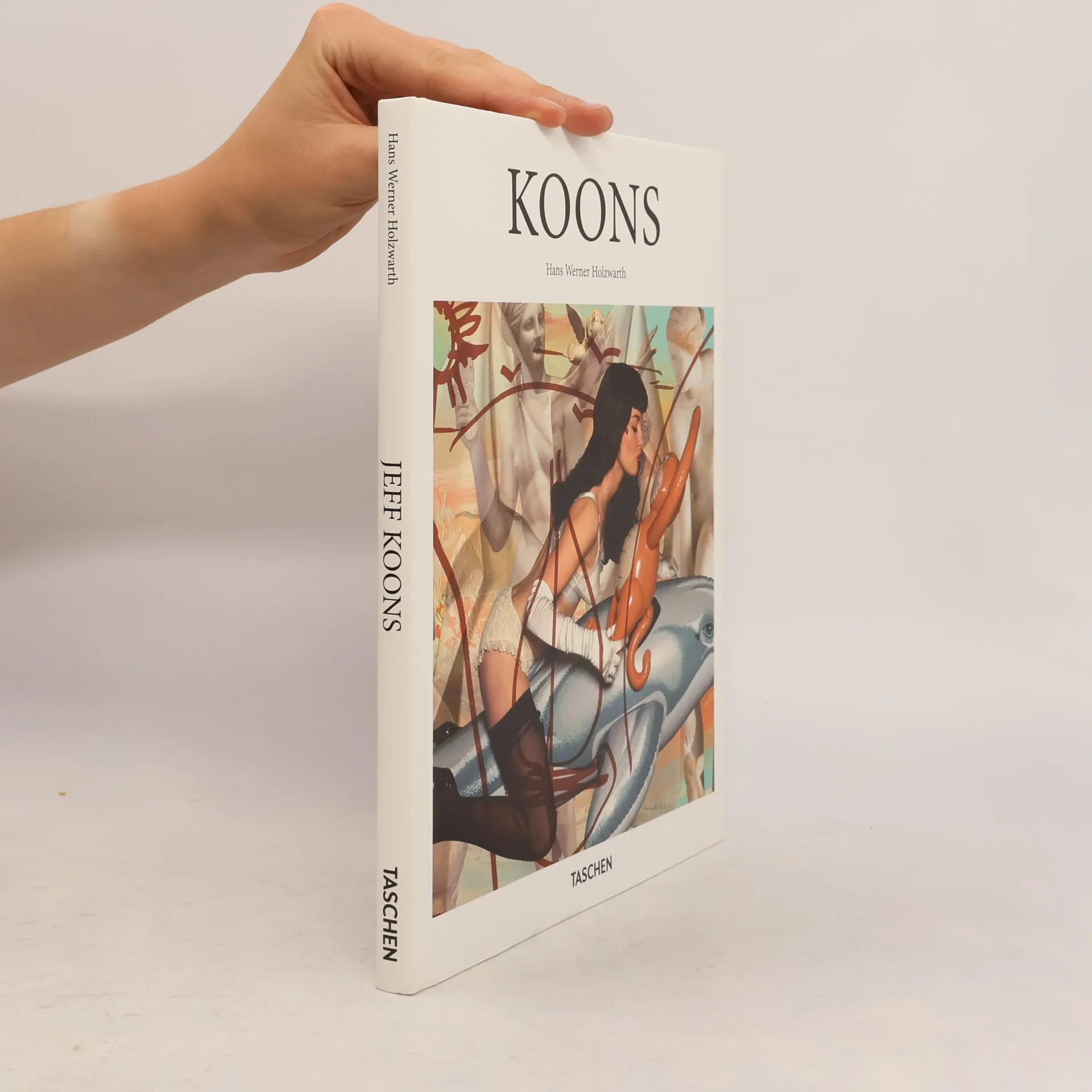
The creations of Jeff Koons (born 1955) are at once immediately accessible and eloquently art historical. From basketball tanks to flower puppies, his instantly recognizable work frolics with banal imagery as much as it integrates cultural references such as Surrealism and Pop Art. Koons’ art revels in visual pleasure, but also in the power to affront. He has made his name as much for stainless-steel rabbits as he has with his sinister sculpture of Michael Jackson, or his sexually explicit photographic series with then-wife Cicciolina. The result is mega-artist status. An indisputable king of contemporary visual culture, Koons is lauded by collectors, institutions, and the public alike. With landmark works and concise texts by Katy Siegel, Hans Werner Holzwarth, and Eckhard Schneider, this book offers the complete Koons at a glance, introducing an art world giant from his early inflatable flowers through to today. About the series Born back in 1985, the Basic Art Series has evolved into the best-selling art book collection ever published. Each book in TASCHEN’s Basic Art series a detailed chronological summary of the life and oeuvre of the artist, covering his or her cultural and historical importance a concise biography approximately 100 illustrations with explanatory captions
La parution des Emigrants de W. G. Sebald a suscité une grande émotion en Allemagne, aux États-Unis et en Angleterre, en grande partie grâce à la qualité des critiques éminentes qui ont salué cette œuvre. Cet accueil est également dû au lyrisme mélancolique avec lequel Sebald évoque la trajectoire de quatre personnages, principalement des juifs d'origine allemande ou lituanienne, dont l'expatriation les a conduits au désespoir et à la mort. En mêlant investigation et réminiscence, et en compilant documents et témoignages, Sebald aborde les souvenirs avec une empathie de romancier et une minutie d'archiviste, redécouvrant ainsi le germe du présent. À la croisée des faits et de la fiction, son écriture reflète une reconquête du passé-présent, où se dessine notre histoire commune. Susan Sontag remarque qu'un monde a disparu, une réalité que tous reconnaissent, même si nous évitons souvent de confronter les conséquences de cette disparition. Le récit de Sebald sur ceux qui ont perdu leur monde est à la fois serein, élégant, déchirant et exaltant, offrant une métaphore poignante de notre condition de sans-abri.
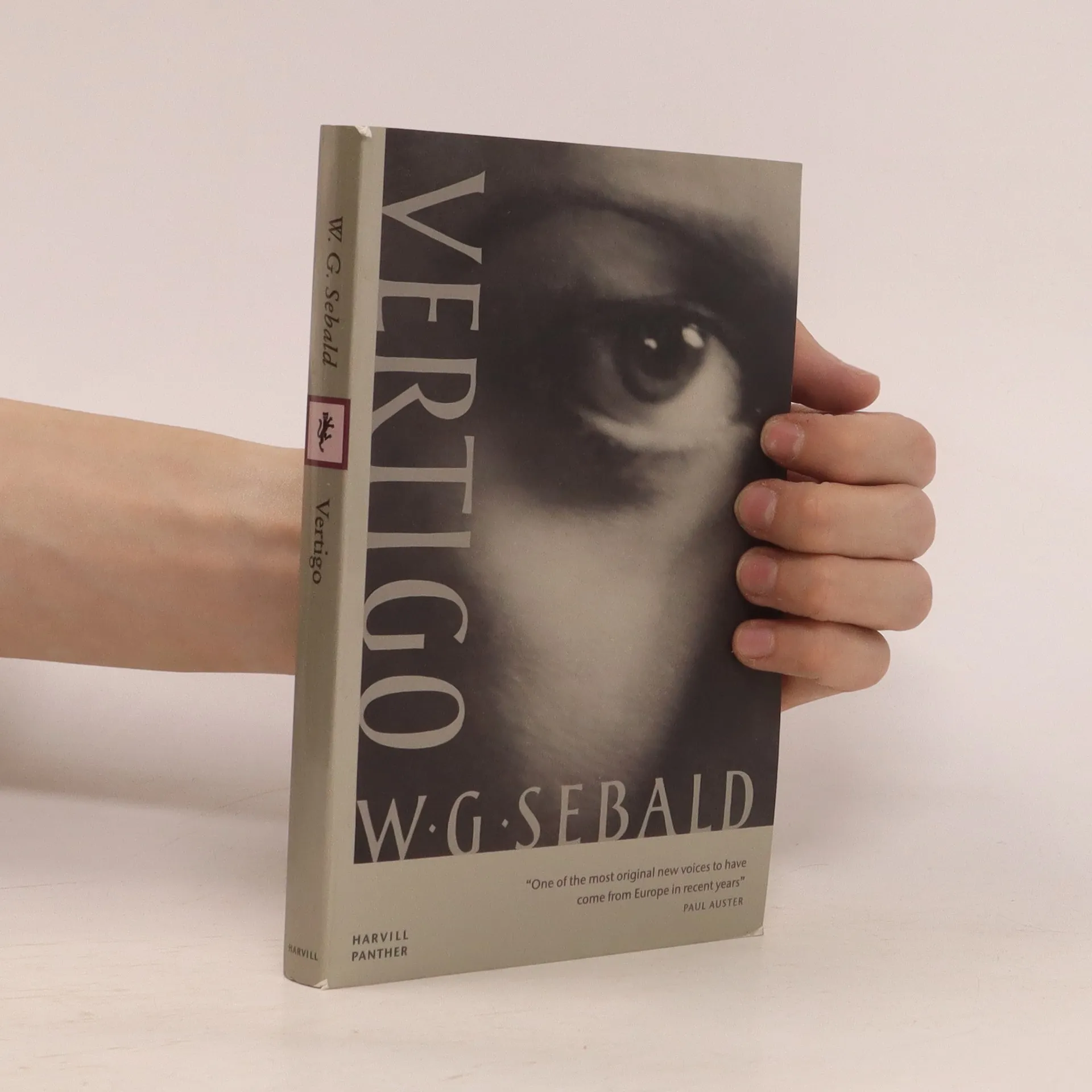
At moments when reality shows itself to be unstable or uncanny, we experience a form of vertigo. W.G. Sebald explores this theme through four stories and four journeys - the journeys of Stendhal, Kafka, and twice of the unnamed narrator.
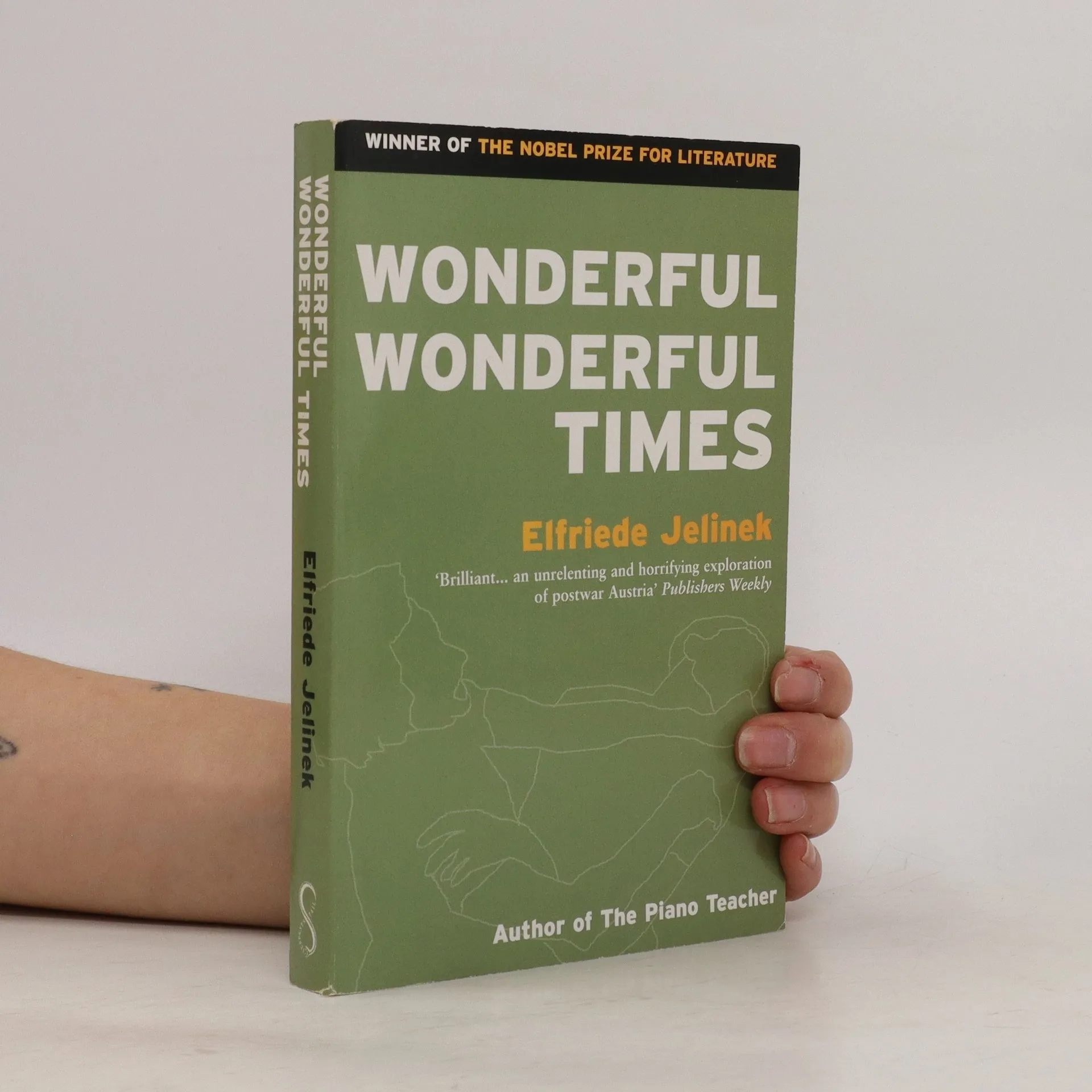
'That's brutal violence on a defenceless person, and quite unnecessary, declares Sophie, and she pulls with an audible tearing sound at the hair of the man lying in an untidy heap on the ground. What's unnecessary is best of all, says Rainer, who wants to go on fighting. We agreed on that.' It is the late 1950s. A man is out walking in a park in Vienna. He will be beaten up by four teenagers, not for his money, he has an average amount ? nor for anything he might have done to them, but because the youths are arrogant and very pleased with themselves. Their arrogance is their way of reacting to the maggot?ridden corpse that is Austria where everyone has a closet to hide their Nazi histories, their sexual perversions and their hatred of the foreigner. Elfriede Jelinek, who writes like an angel of all that is tawdry, shows in Wonderful, Wonderful Times how actions of the present are determined by thoughts of the past
Au sortir d'une enfance presque légendaire dans le château de ses ancêtres, le jeune Danois Malte Laurids Brigge se retrouve, solitaire, à Paris. Ses cahiers sont le livre de la souffrance, où affluent les souvenirs et les angoisses de Rilke. Traduit de l'allemand par Maurice Betz.
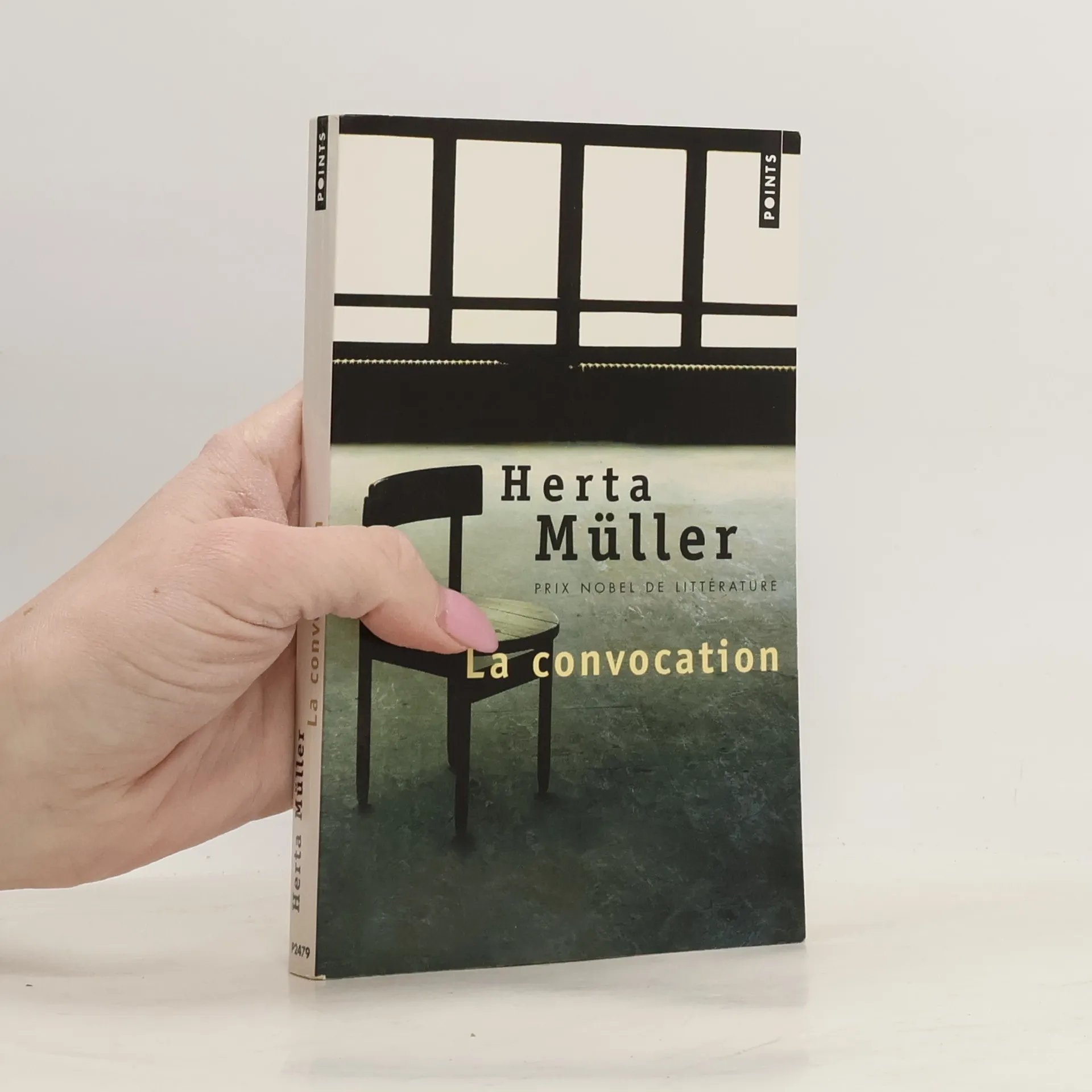
Un jour, elle a glissé un mot dans la poche d'un des pantalons qu'elle confectionnait pour une grande maison de couture. Un appel au secours enfantin. Depuis, elle est convoquée à la Sécurité, interrogée par un homme qui lui pose sans cesse les mêmes questions. Entre deux interrogatoires, il ne reste que des miettes de vie : un mari qui boit pour avoir moins peur, des parents pitoyables et des voisins qui n'osent même plus sortir de chez eux. Comment résister, comment éviter cette angoisse ? Elle ne répondra plus à la convocation...
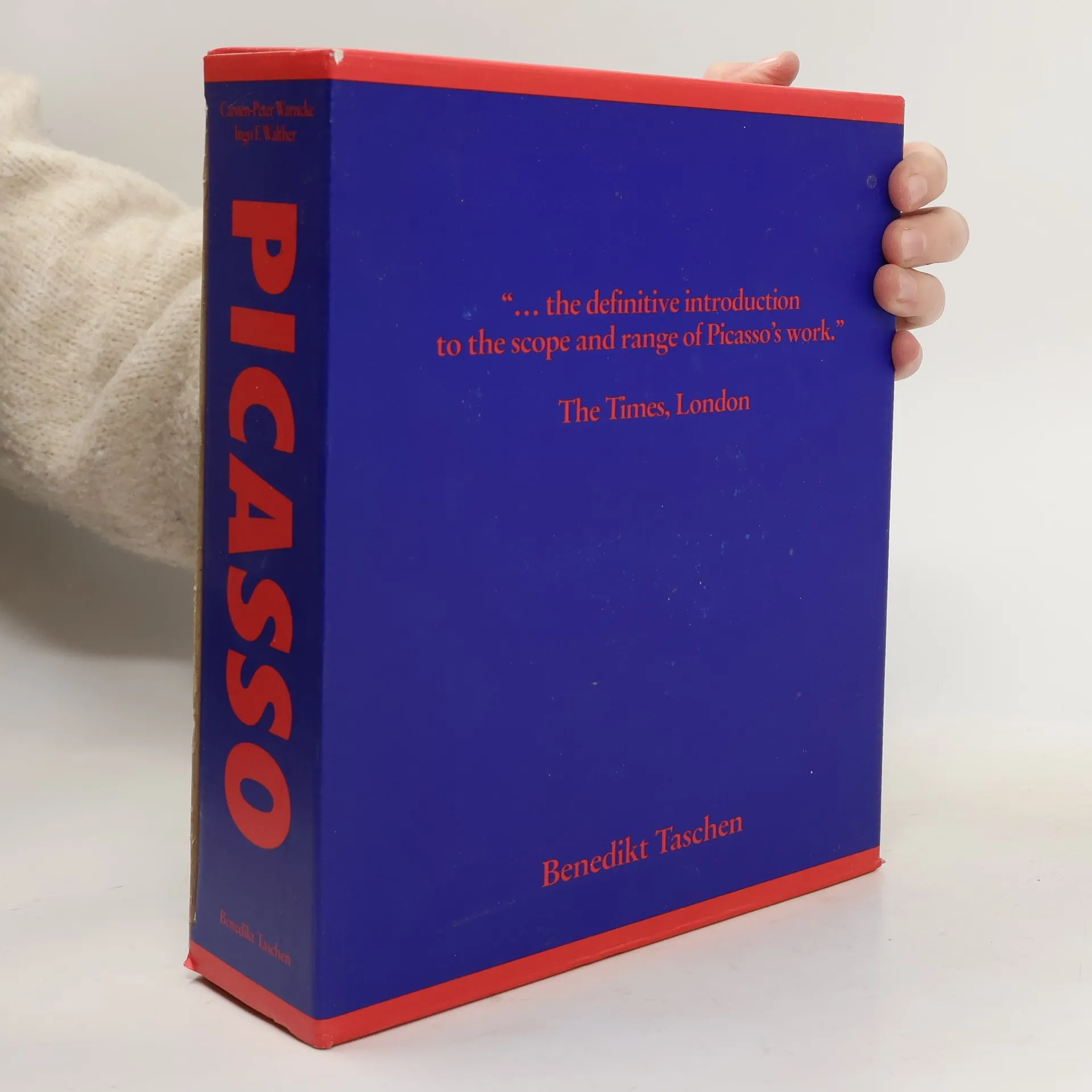
"The definitive introduction to the scope and range of Picasso's work." The Times, London "I wanted to be a painter, and I became Picasso," declared Pablo Picasso (1881-1973) in an apt survey of a triumphant career. He had good grounds for the confidence palpable in his statement, for in the history of 20th century art, his name stands out over all the others. In Picasso's paintings, drawings, lithographs, ceramics, and sculptures, he was tirelessly inventive and innovative, exhibiting an aesthetic bravado that kept him one step ahead of his contemporaries. From subject matter to new forms and techniques to new media, Picasso got there first. The Spanish artist's enormous output, from the eight-year-old's beginnings to the late work of a man of ninety-one, is surely one of the most diverse and creatively energetic in the whole history of art, and it is no exaggeration to see him as the genius of the century. Carsten-Peter Warncke's study is a thorough review of Picasso's entire oeuvre, from the early Blue and Rose Periods, through the analytic and synthetic cubism and classicist phase all the way up to the art of the old savage Picasso. Our study of Picasso, the most exhaustive record of his work to date, contains almost 1500 illustrations, from his earliest drawings to the master's very last painting. Extensive bibliography section as well as illustrated section about Picasso's life and work Index of Names
Halloween unter Untoten – kann das gut gehen? Die Schlagzeilen überschlagen sich, ein Shop verkauft Masken mit den Gesichtern der Gruftis, aber im Internat Buchenschlag steigt die Party des Jahres. Alles scheint gut, bis Kilian zum Nachsitzen um Mitternacht verdonnert wird und eine geheimnisvolle Gestalt über das Schulgelände schleichen sieht …