

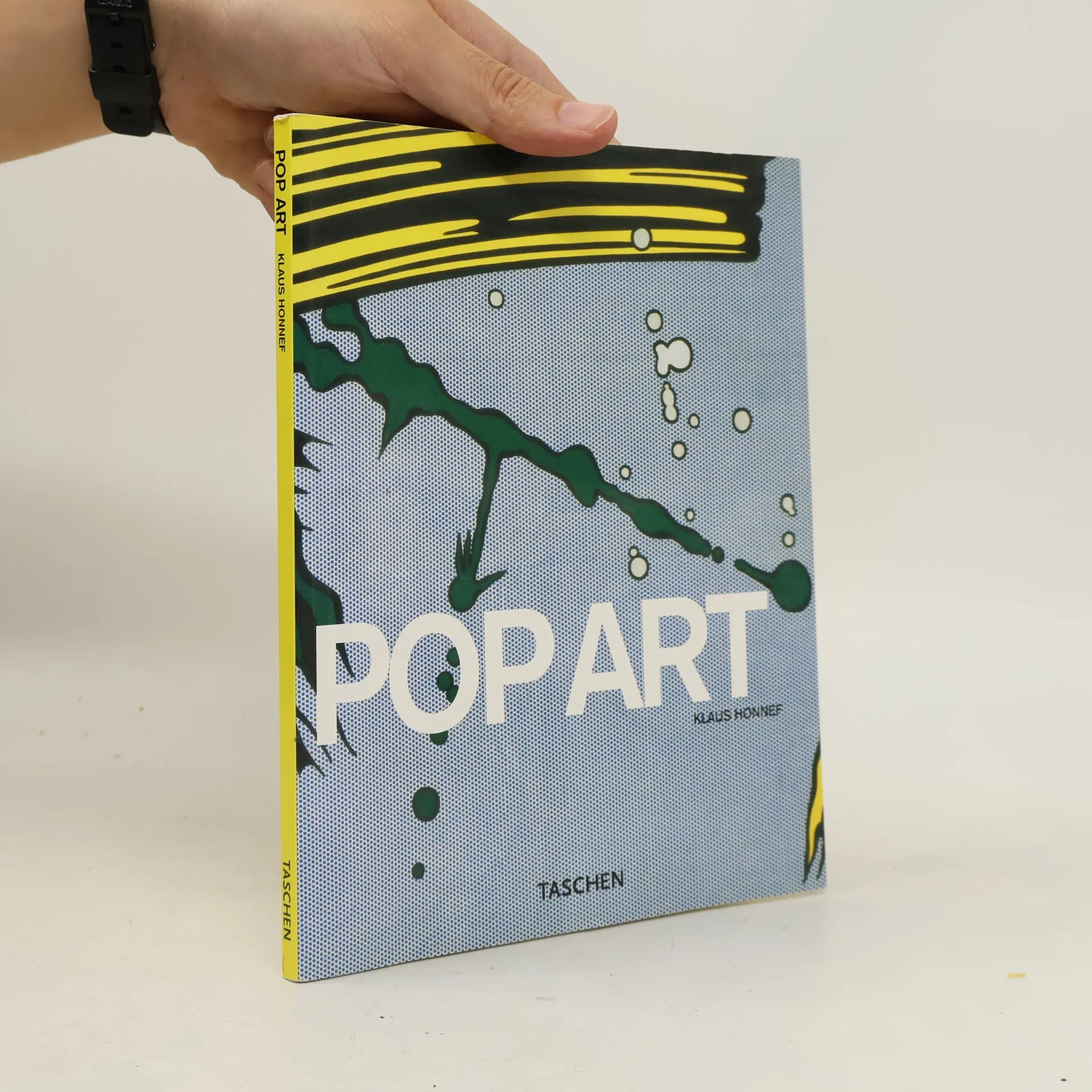
En se concentrant sur les enjeux du matérialisme, de la célébrité et des médias, le Pop Art s’est inspiré de la culture de masse, de l’imagerie publicitaire aux comics, des têtes les plus connues de Hollywood aux emballages de produits de consommation, dont les boîtes de soupe Campbell’s d’Andy Warhol sont le meilleur exemple. Tout en défiant l’establishment en élevant au rang d’œuvre d’art des images aussi populaires, banales et kitsch, le Pop Art a également déployé des méthodes de production de masse, plaçant l’artiste singulier en retrait par des techniques mécanisées comme la sérigraphie.À travers Andy Warhol, Allen Jones, Ed Ruscha, Robert Indiana, Jasper Johns, Robert Rauschenberg et Roy Lichtenstein, entre autres, ce livre illustre toute la portée et l’influence de ce mouvement moderniste déterminant. (4e de couverture)
John Gabriel Livres


By putting the language used in television, the radio, the internet and press, as well as that spoken by key leaders, under the spotlight, what is ultimately revealed is the existence of a 'white' language, both coded and overt. Taking specific examples and presenting new factual evidence, John Gabriel studies the racial politics that lie behind much of the communication in the public arena. Case studies draw on contemporary political controversies and are used to explore the relationship between racialised forms of media discourse and political and economic change.
Racism, Culture, Markets
- 220pages
- 8 heures de lecture
Racism, Culture, Markets explores the connections between cultural representations of `race' and their historical, institutional and global forms of expression and impact. John Gabriel examines the current fixation with market place philosophies in terms of the crisis in anti-racist politics and concern over questions of cultural identity. He explores issues such as the continuing relevance of terms like `black' as a basis for self definition; the need to think about identities in more fluid and complex ways, and the need to develop a much more explicit discussion of the construction of whiteness and white identities. Racism, Culture, Markets brings together a range of historical and contemporary case studies including the Rushdie affair; the Gulf War; debates around fostering, adoption and domestic violence; separate schooling; the service economy and its employment practices; tourism in the Third World; the Bhopal chemical disaster and racism in the new Europe. His case studies also consider the role played by contemporary media and popular culture in these debates, including film, television, music and the press.