

Bookbot

Mark P. Taylor

    Culture is Bad for You
    Macroéconomie
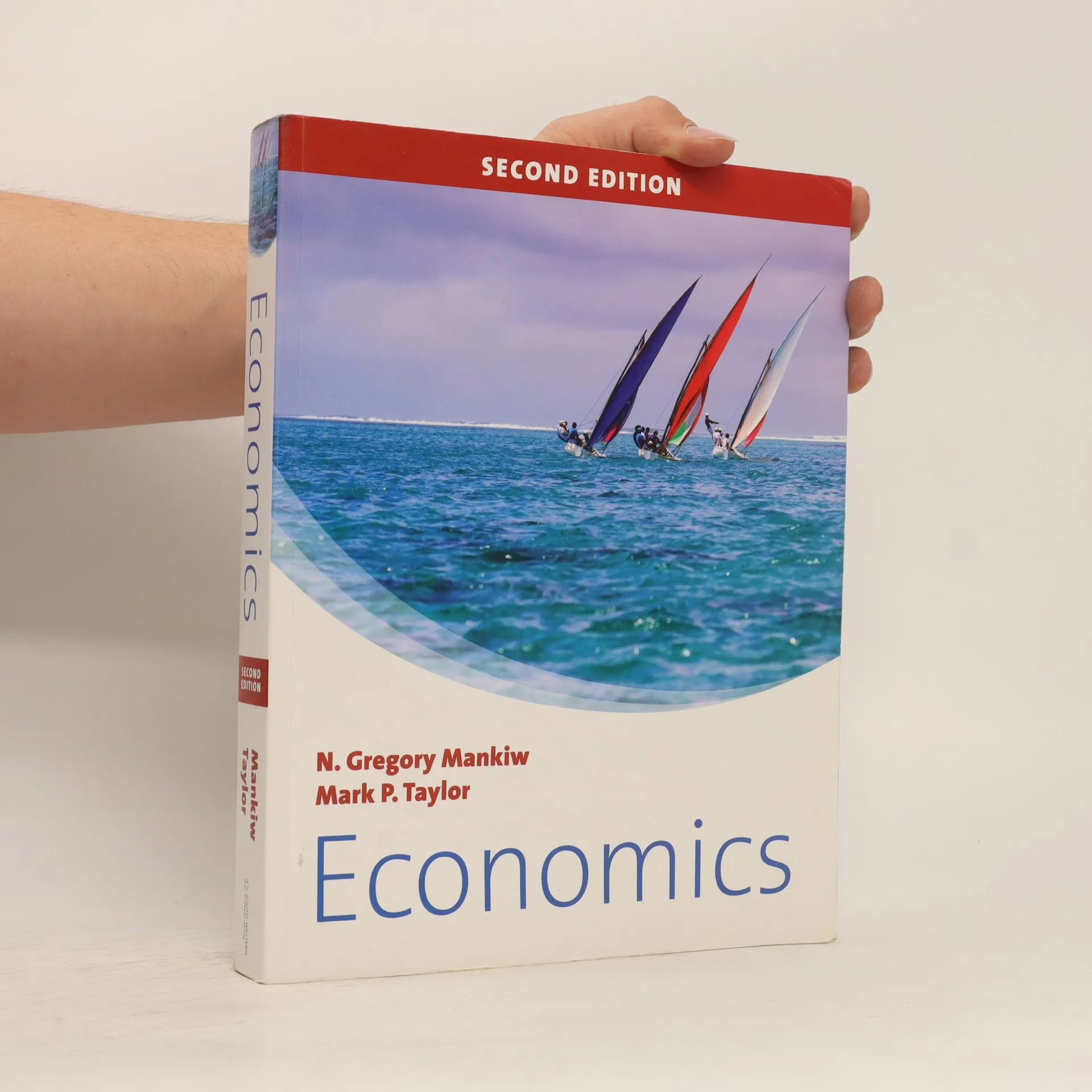
    Economics
    Who Killed Category Management
    Culture Is Bad for You
    Arden
    • Culture Is Bad for You

      Inequality in the Cultural and Creative Industries, Revised and Updated Edition

      • 400pages
      • 14 heures de lecture

      Focusing on the precarious state of art workers, this revised edition challenges the notion that culture is solely beneficial. It critiques the systemic exclusion of women, people of color, and working-class individuals in the UK’s cultural landscape, revealing that promises of inclusivity remain largely unfulfilled, especially post-COVID. The book argues that until inequalities in the workforce and audience are addressed, the true potential of culture to enrich society cannot be achieved, making a compelling case for the transformation of cultural and creative industries.

      Culture Is Bad for You2024
      3,5
    • Culture is Bad for You

      • 280pages
      • 10 heures de lecture

      The book demonstrates that cultural jobs are the preserve of the most privileged, a 'creative class' in society, and always have been: there was no golden age for social mobility in culture. It shows how women, people of colour, and those of working class origins are missing from key parts of the workforce and audience for culture. -- .

      Culture is Bad for You2020
      3,9
    • Who Killed Category Management

      What Every Salesperson, Marketeer, Retailer and Shopper Needs to Know About Retail Shopper Management

      • 116pages
      • 5 heures de lecture

      What is Who Killed Category Management about? Simply put, its about your future. Wealth, success and security. If you are in Retail, FMCG, or Manufacturing and want a job in 5 years you should read this book today! Our world is about to crumble. Never before has a Tornado of destruction this large touched down in the retail sector. It you think e-tailing is changing the face of traditional shopper behaviour you haven't seen anything yet. "Who Killed Category Management" is a sometimes funny and often challenging look at what success and failure looks like for satisfying tomorrows shoppers and consumers. It is what every Salesperson, Marketeer, and Retailer needs to know about Retail Shopper Management. It not only provides crucial insight into retailer manufacturer relationships it also adds value and highlights opportunities that can deliver a defensible strategy for success and, for some, millions of dollars in additional profit. It is not a traditional desert dry business encyclopaedia. Instead it takes you on several journeys so sit back and enjoy the ride.

      Who Killed Category Management2013
      3,0
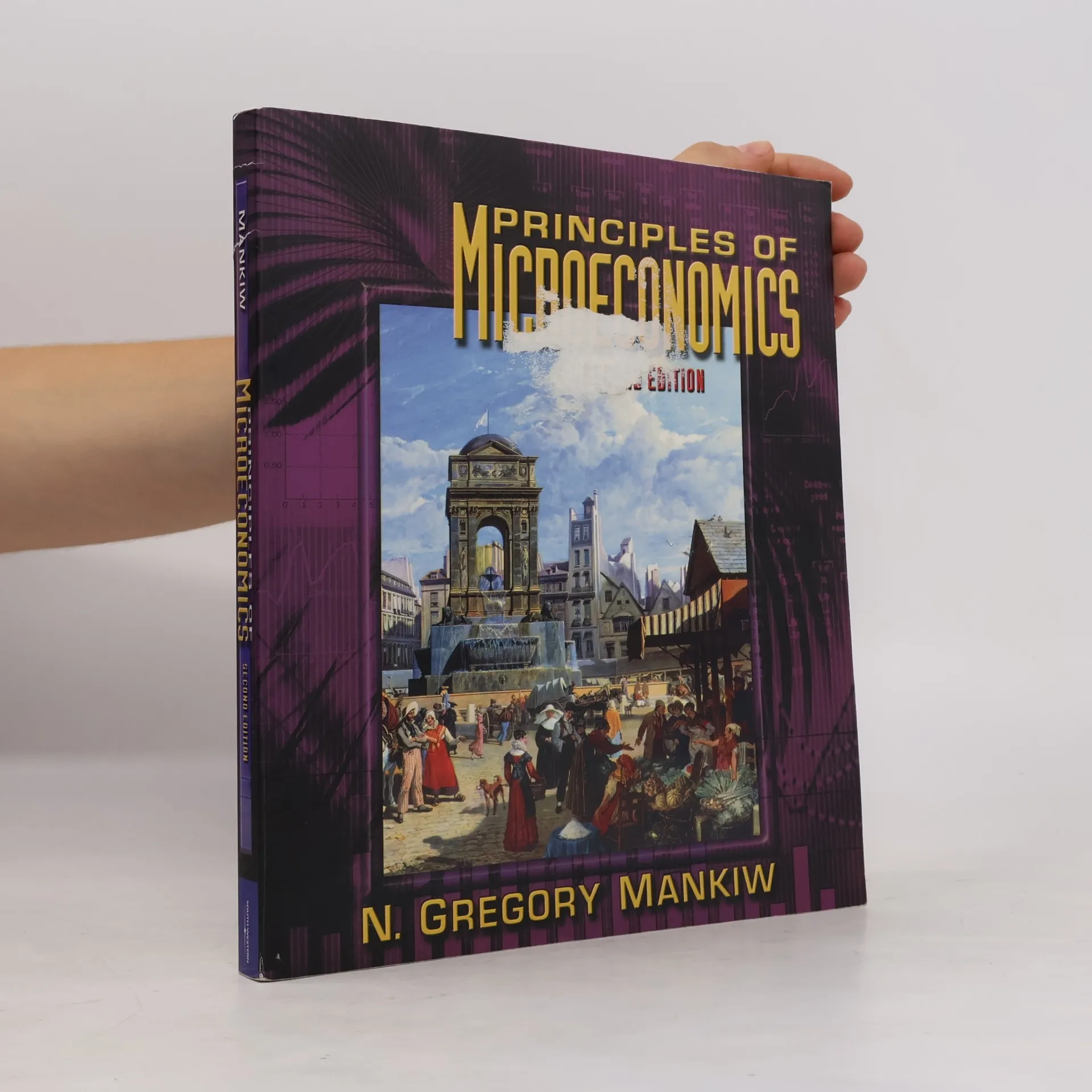
    • Principles of Microeconomics

      • 552pages
      • 20 heures de lecture

      In writing this textbook, Mankiw has tried to put himself in the position of someone seeing economics for the first time. The author's conversational writing style is superb for presenting the politics and science of economic theories to tomorrow's decision-makers. Because Mankiw wrote it for the students, the book stands out among all other principle texts by intriguing students to apply an economic way of thinking in their daily lives. Receiving such praise as "perhaps the best ever" textbook in economic principles, it's no wonder Mankiw's prize project has quickly become one of the most successful books ever to be published in the college marketplace.

      Principles of Microeconomics2011
      3,3
    • Arden

      • 128pages
      • 5 heures de lecture

      Focusing on the establishment of a unique utopian community, the book delves into the founding of Arden in 1900 by sculptor Frank Stephens and architect Will Price, inspired by Henry George's economic principles. Supported by philanthropist Joseph Fels, they created a vibrant colony in Delaware, drawing a diverse group of radicals and progressives, including notable figures like Upton Sinclair and Scott Nearing. Through photographs, it captures the early history of this little-known experiment in social reform and community living.

      Arden2010
      5,0
    • Economics

      • 896pages
      • 32 heures de lecture

      Economics is the European adaptation of classic textbook Principles of Economics by N. Gregory Mankiw (Harvard University), expertly adapted by Mark P. Taylor (Washington University) so as to be even more relevant to a UK and European audience.A major strength of the original—that the authors present economics from the viewpoint of a reader completely new to the subject has been maintained. The conversational yet precise writing style is superb for presenting the politics and science of economic theories to tomorrow's decision-makers. The book stands out amongst all other principles texts by encouraging students to apply an economic way of thinking in their daily lives. Economics is written to provide students with a robust conceptual understanding of the subject using contemporary approaches to theory where possible.It follows the structure of the original book while reflecting European economic structures and institutions and adapting the language and cultural references for a European readership.

      Economics2008
      4,0
    • Manuel incontournable pour les cours de macroéconomie intermédiaire, cet ouvrage se distingue par sa capacité à transmettre les avancées en théorie, recherche et politique macroéconomique, tout en expliquant des concepts complexes avec une clarté exceptionnelle. Cette édition aborde des thèmes émergents tels que l'inégalité des revenus et la régulation macroprudentielle. Des études empiriques de pointe sont également présentées, y compris des recherches sur les pratiques de gestion, les multiplicateurs de politique fiscale et les effets de l'incertitude politique. Le livre améliore son approche exemplaire en enseignant aux étudiants à appliquer les outils analytiques de la macroéconomie aux événements et politiques actuels. Ce texte complet est l'accompagnement idéal pour les cours de premier cycle en macroéconomie.

      Macroéconomie2008
      4,0