Friedman discusses how the key to understanding the 21st century is understanding that the planet's three largest forces--Moore's law (technology), the market (globalization) and Mother Nature (climate change and biodiversity loss)--are accelerating all at once. And these accelerations are transforming the five key realms: the workplace, politics, geopolitics, ethics, and community. Friedman posits that we should purposely "be late"--We should pause to appreciate the amazing historical epoch we're passing through and to reflect on its possibilities and dangers.--
Thomas Friedman Ordre des livres (chronologique)
20 juillet 1953
Thomas L. Friedman est un auteur et journaliste reconnu dont le travail explore les affaires internationales. Il fonde ses analyses sur des reportages approfondis, cherchant à rendre le paysage mondial complexe accessible aux lecteurs. Friedman a élargi la définition des affaires étrangères pour y inclure les impacts de la finance, de la mondialisation et de la technologie. Son écriture explore l'interaction entre les forces durables telles que le nationalisme et la culture, et les effets transformateurs d'internet et des marchés mondiaux.



That Used to Be Us
- 388pages
- 14 heures de lecture
Originally published: New York: Farrar, Straus, and Giroux, 2011.
La Terre est plate - Une brève histoire du XXIe siècle (French Edition)
- 283pages
- 10 heures de lecture
Le monde est devenu plat. Sans frontières commerciales ni politiques, sous le double effet de la globalisation et de la révolution numérique. Parce qu'il s'est ouvert sous le signe du terrorisme et de la violence, nous pensions le XXIe siècle comme un nouveau siècle de conflits et d'affrontements. Erreur, l'explosion des technologies permet désormais à chacun d'entre nous de se connecter avec le partenaire de son choix pour une aventure commune. Mais attention ! Les vainqueurs de cette accélération de l'histoire ont changé. L'ère de l'Occident triomphant touche peut-être à sa fin. Le centre de gravité du monde s'est déplacé vers les start-up et les entrepreneurs conquérants de l'Asie avec, en première ligne, une Chine et une Inde hyper agressives qui rêvent de nous manger tout crus. Le livre qui a réveillé l'Amérique. Déjà 3 millions d'exemplaires vendus.
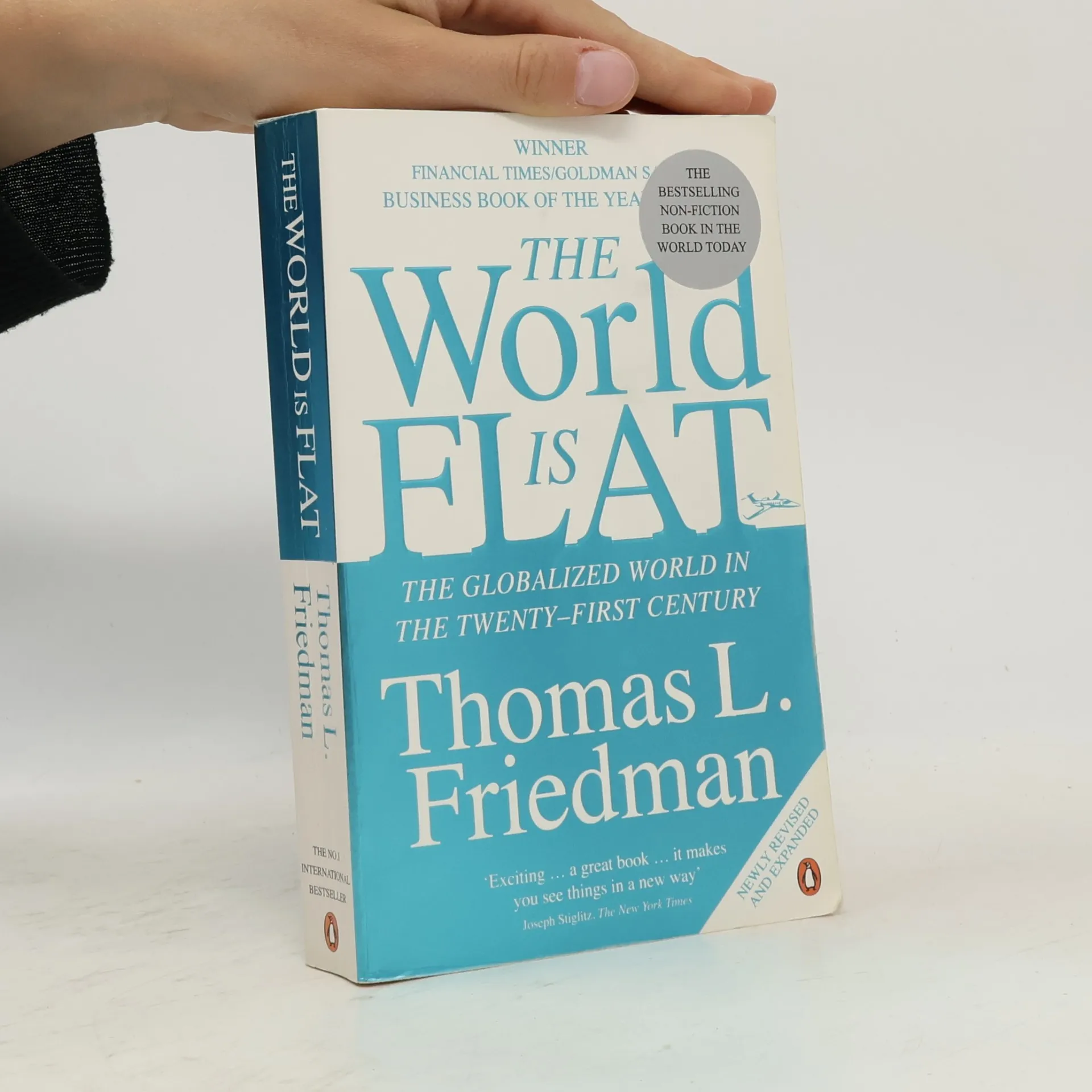
The World is Flat
- 593pages
- 21 heures de lecture
The beginning of the twenty-first century will be remembered, Friedman argues, not for military conflicts or political events, but for a whole new age of globalization - a flattening' of the world. The explosion of advanced technologies now means that suddenly knowledge pools and resources have connected all over the planet, levelling the playing field as never before, so that each of us is potentially an equal and competitor of the other. The rules of the game have changed forever but does this death of distance', which requires us all to run faster in order to stay in the same place, mean the world has got too small and too flat too fast for us to adjust? Friedman brilliantly demystifies the exciting, often bewildering, global scene unfolding before our eyes, one which we sense but barely yet understand. The World is Flat is the most timely and essential update on globalization, its successes and its discontents, powerfully illuminated by a world-class writer.
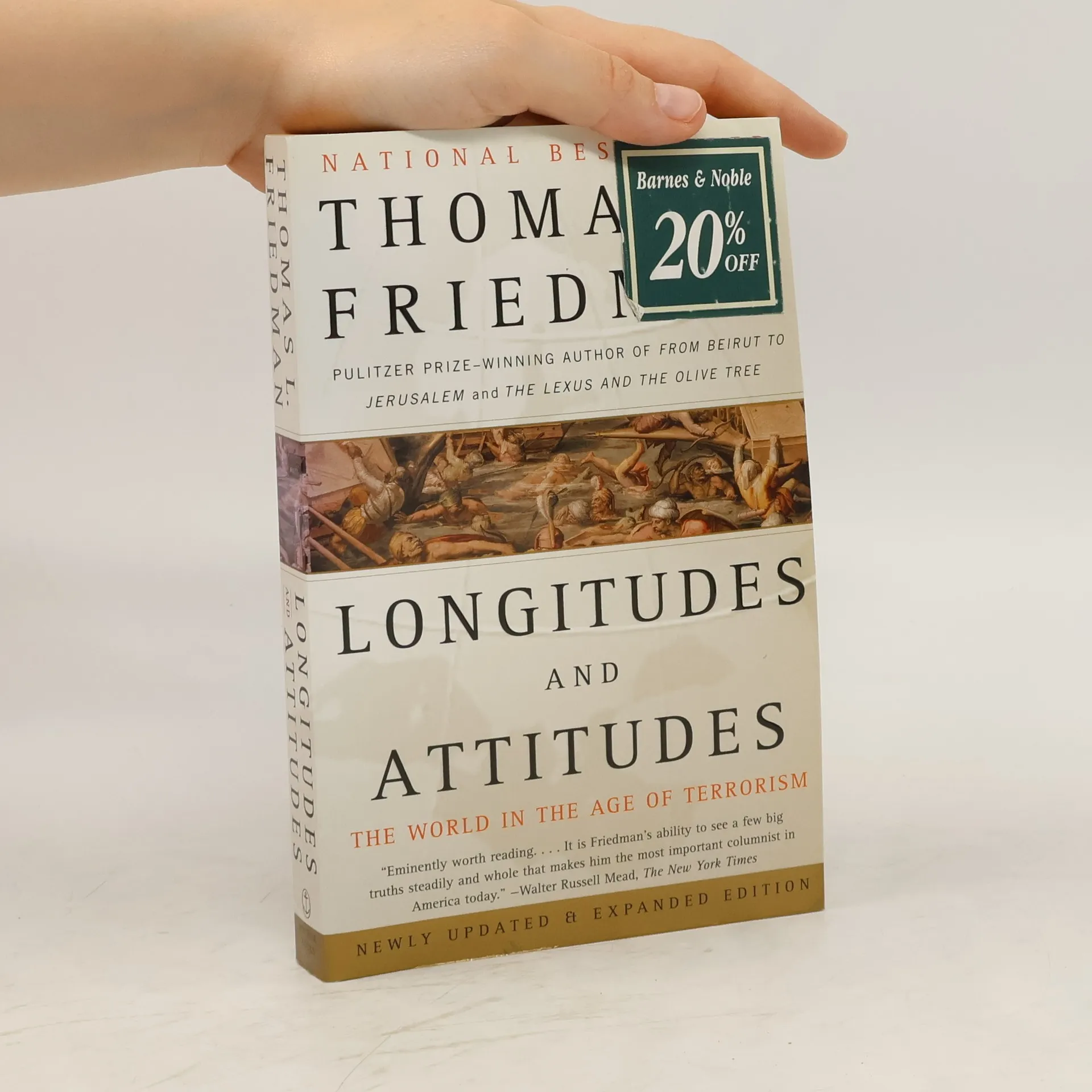
Longitudes and attitudes : the world in the age of terrorism
- 416pages
- 15 heures de lecture
From the Pulitzer Prize–winning New York Times columnist and bestselling author of From Beirut to Jerusalem and The Lexus and the Olive Tree comes this smart, penetrating, brilliantly informed book that is indispensable for understanding today’s radically new world and America’s complex place in it. Thomas L. Freidman received his third Pulitzer Prize in 2002 “for his clarity of vision, based on extensive reporting, in commenting on the worldwide impact of the terrorist threat.” In Longitudes and Attitudes he gives us all of the columns he has published about the most momentous news story of our time, as well as a diary of his private experiences and reflections during his post–September 11 travels. Updated for this new paperback edition, with over two years’ worth of Friedman’s columns and an expanded version of his diary, Longitudes and Attitudes is a broadly influential work from our most trusted observer of the international scene.
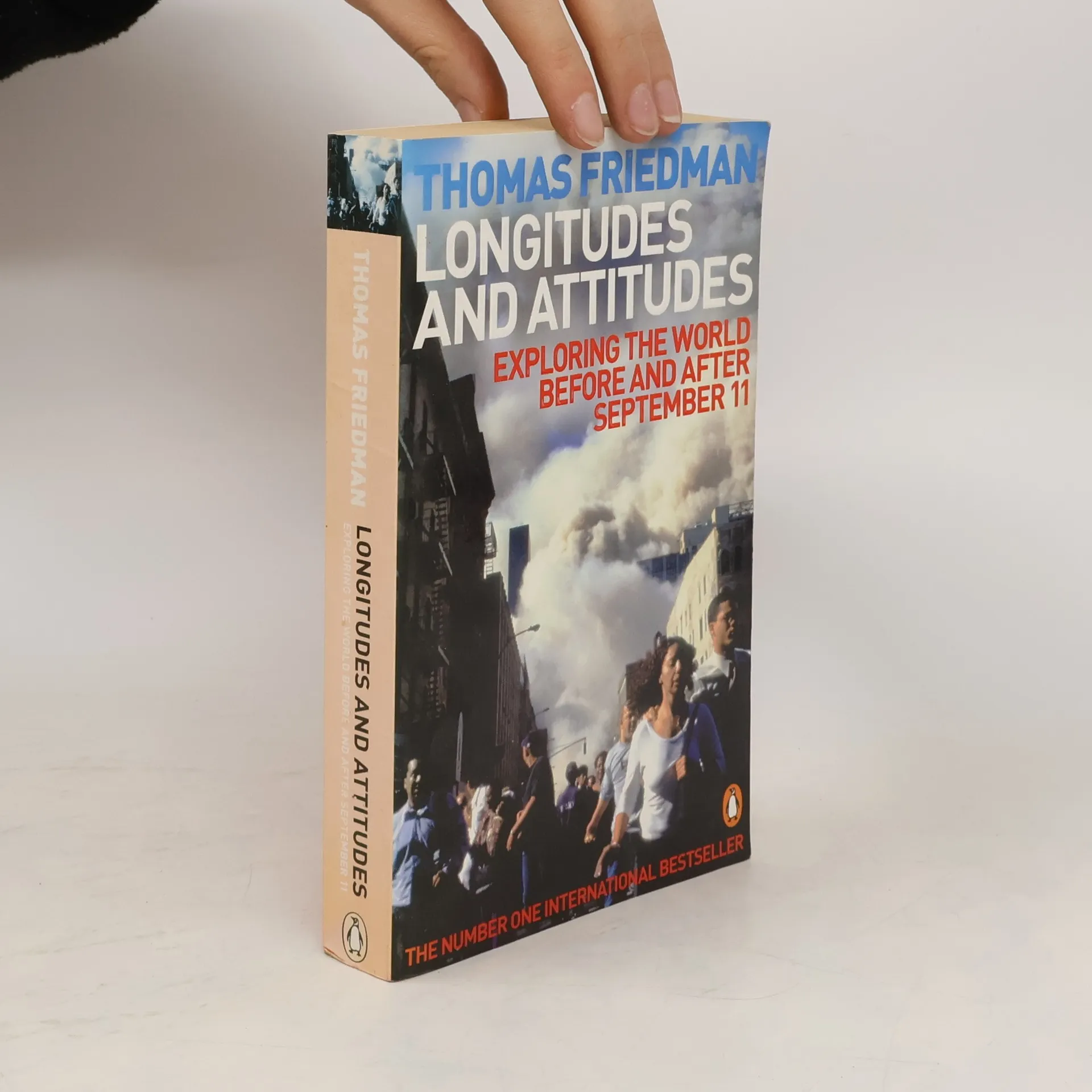
Longitudes and Attitudes
- 416pages
- 15 heures de lecture
This title brings together reportage and reflections on the state of the world leading up to and after September 11, 2001. Thomas Friedman gives voice to our awakening sense of a radically new world and our own complex place in it.
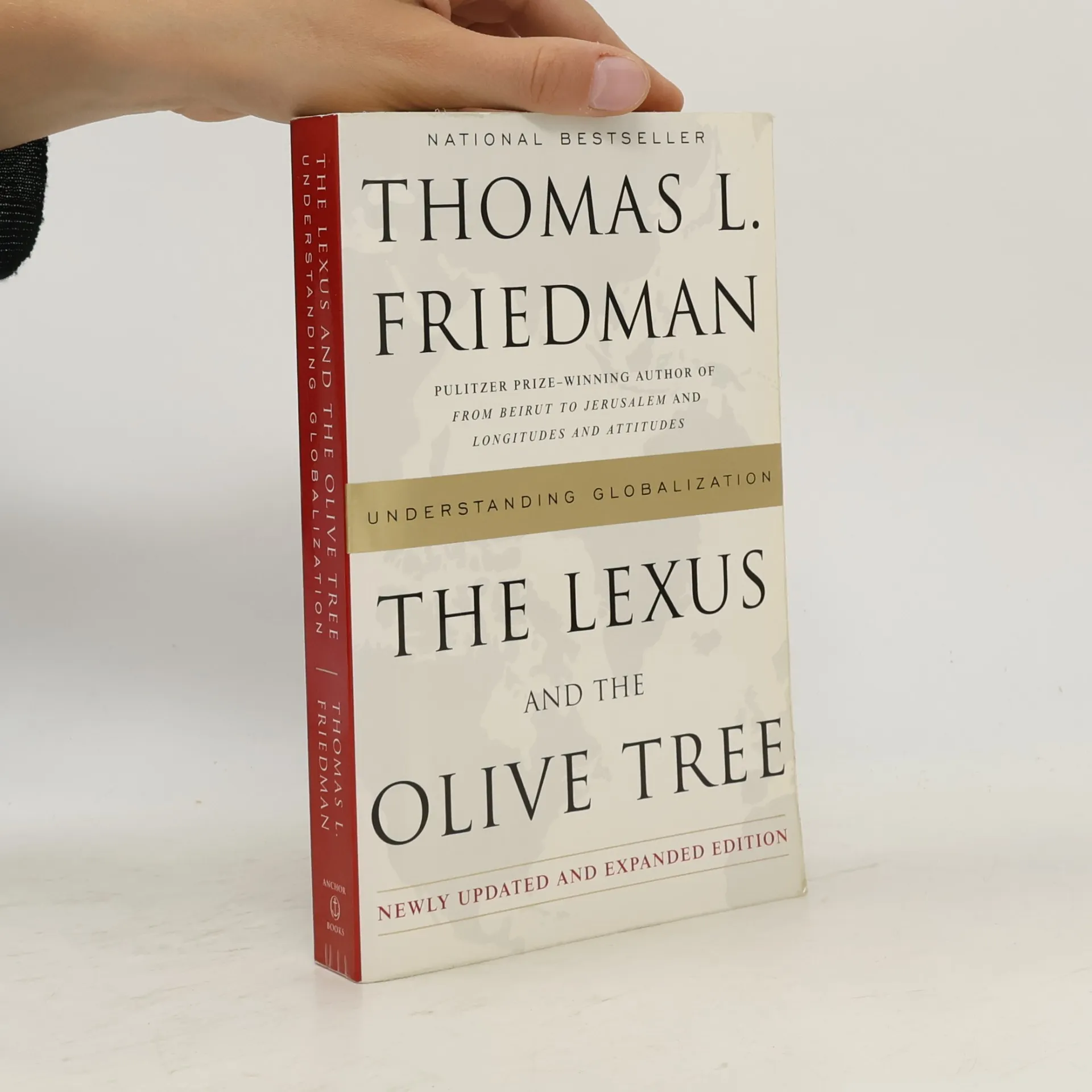
The Lexus and the olive tree
- 512pages
- 18 heures de lecture
From a perceptive commentator and National Book Award winner, this work offers a comprehensive exploration of globalization, the international system shaping world affairs today. As a Foreign Affairs columnist for The New York Times, Thomas L. Friedman has traveled extensively, interviewing diverse individuals—from Brazilian peasants to Wall Street financial experts. He presents globalization not merely as a trend but as a transformative system that has replaced the Cold War framework, creating an interconnected global market and, to some extent, a global village. Understanding this system is crucial for interpreting current events and personal investments. For instance, during the Cold War, communication was symbolized by the hot line between superpowers, while today, the Internet represents our interconnectedness, albeit with no single authority in control. Through vivid narratives and original concepts, Friedman provides insights into this new world order, illustrating the conflict between the forces of globalization and enduring cultural traditions. He also addresses the backlash against globalization from those who feel marginalized by it and emphasizes the need for balance. The struggle between modernity and tradition is the central theme of this provocative work, essential for anyone interested in the dynamics of the contemporary world.
As spectacular and moving as Bar-Am's photos are, Thomas L. Friedman's compelling essay provides an anchor in the form of an eloquent reflection on the unfolding of the first fifty years. Israel's contributions to politics and culture, to religion and commerce, have made a tremendous mark on the world, and these issues Friedman addresses with the perception of an outsider who has spent almost a quarter of his life in the area. While Bar-Am's photos show us the events that have shaped Israel's path, Friedman's essay explores the implications of Israel's first fifty years and the nation's powerful struggle between its past and its future.
From Beirut to Jerusalem
- 560pages
- 20 heures de lecture
A Second Edition of Thomas Friedman's stunning book, the first edition of which won the American National Book Award. číst celé