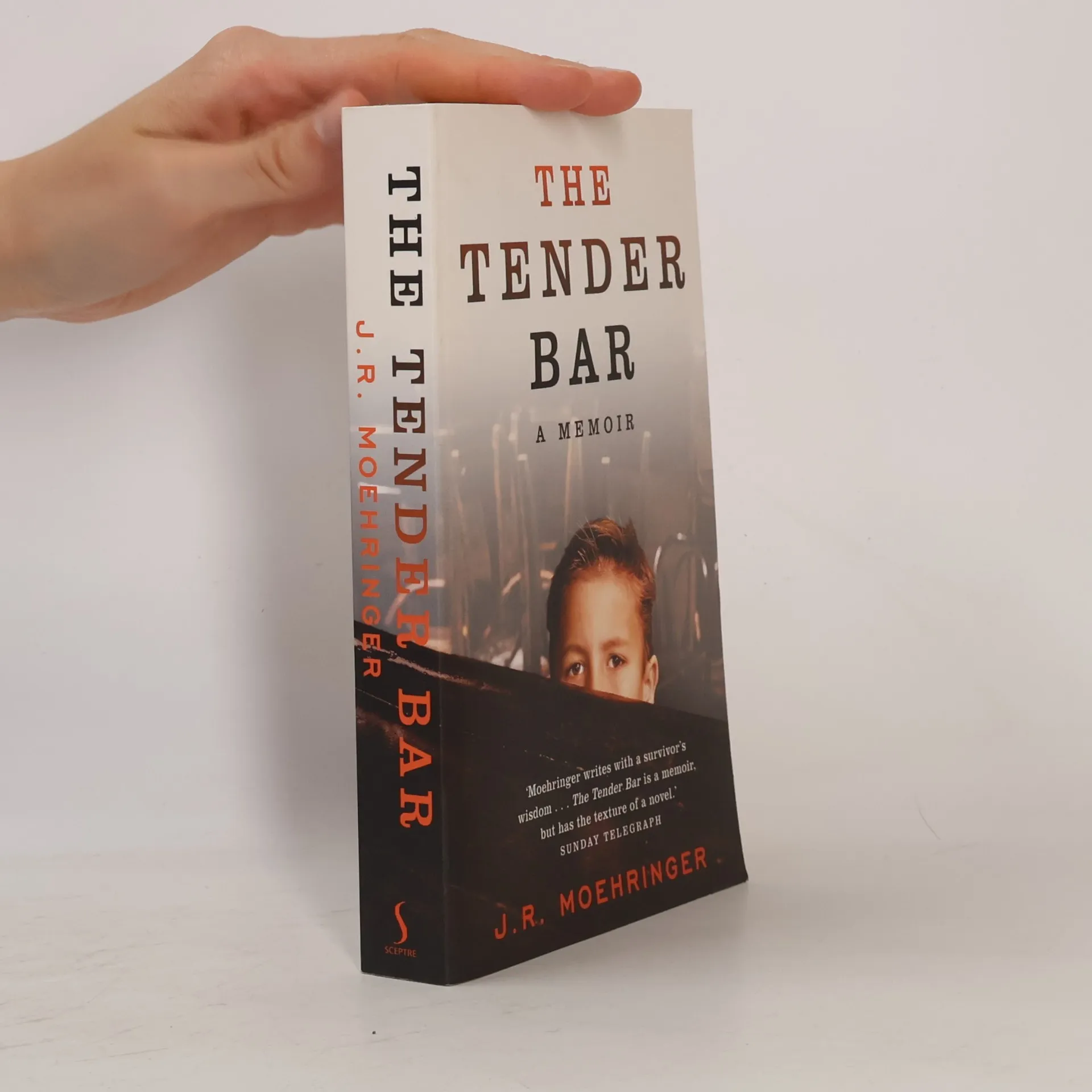
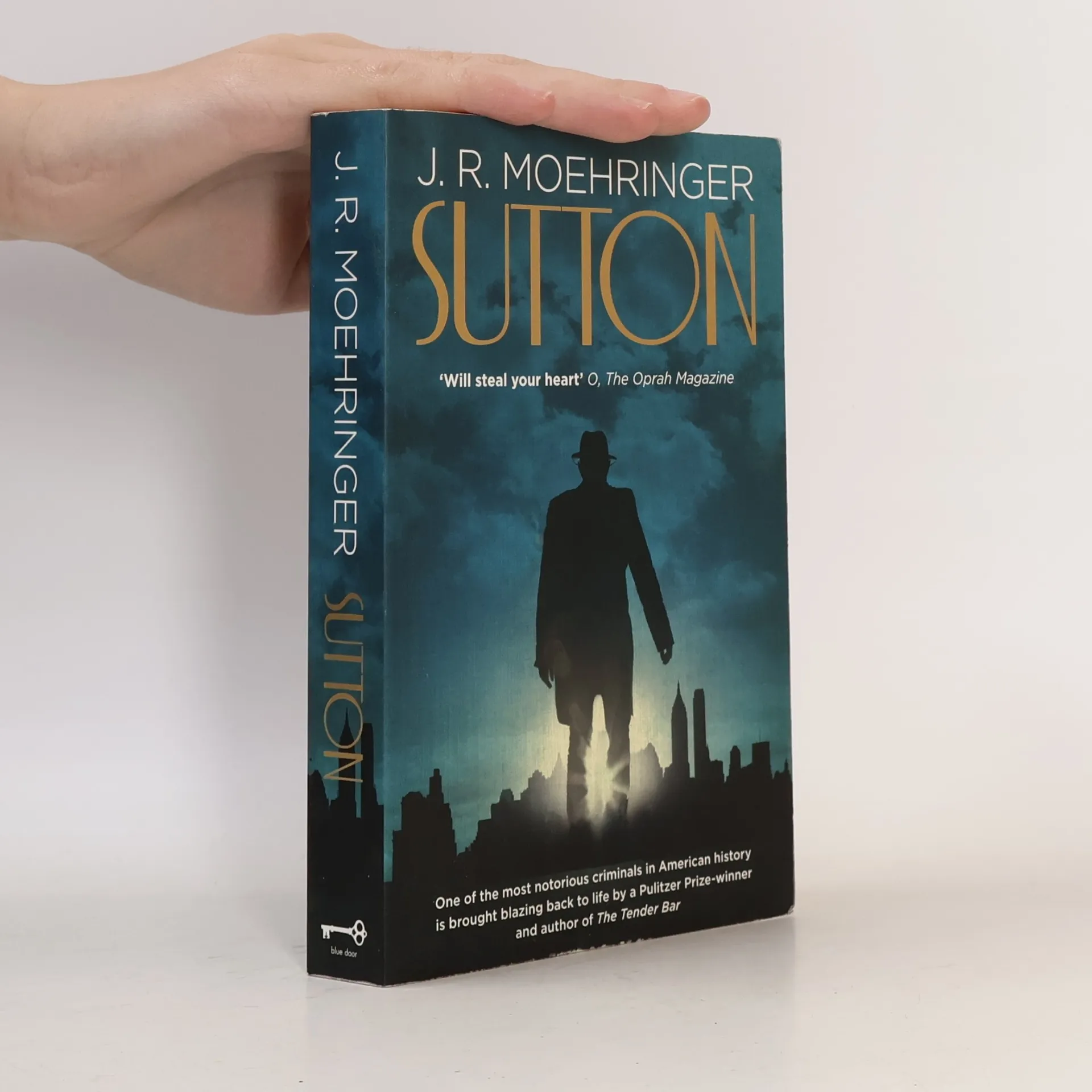
J.R. Moehringer est un journaliste et auteur américain dont l'œuvre explore en profondeur la quête d'identité et de sens dans le monde contemporain. Par sa narration magistrale et ses observations perspicaces, il dissèque les relations humaines complexes et les défis de l'entrée dans l'âge adulte. Son style est à la fois intime et universel, touchant les lecteurs sur le plan émotionnel et intellectuel. Les récits de Moehringer résonnent longtemps après la dernière page, offrant des aperçus profonds de notre expérience humaine partagée.
Willie Sutton was born in the Irish slums of Brooklyn, in the first year of the 20th century, and came of age at a time when banks were out of control. Over 30 years, from Prohibition through the Great Depression, from the age of Al Capone until the reign of Murder Inc., police called Sutton one of the most dangerous men in New York.
"In the tradition of This Boy's Life, a raucous, poignant, luminously written memoir about a boy striving to become a man, and his romance with a bar."--Cover.
Nel 1997, a J.R. Moehringer fu affidato un reportage su Bob Satterfield, un peso massimo che combatté tra il 1945 e il 1957 e di cui non si sapeva nulla. Era scomparso dalla circolazione. Moehringer era in cerca di una buona storia e seguì le tracce di un uomo che viveva per strada e che giurava di essere Bob Satterfield. Si faceva chiamare il «Campione» e affermava di essere Bob, «il miglior knockout di tutti i tempi». Ma era davvero il «Campione»? Moehringer esamina il cuore del suo personaggio e racconta la storia di un uomo che diventa, mentre lo osserva come un entomologo, il suo Moby Dick personale: una persona che gli rivela, dietro la sua misteriosa identità, qualcosa del suo passato, qualcosa che ha a che fare con il coraggio, con lo sport e con il costante desiderio di un uomo che cerca suo padre.