
The history of a dynasty that shaped Europe and the world. From modest origins, the Habsburgs grew in power to gain control of the Holy Roman Empire in the fifteenth century. Then, in just a few decades, their possessions rapidly expanded to take in a large part of Europe stretching from Hungary to Spain, and from the Far East to the New World. The family continued to dominate Central Europe until the catastrophe of the First World War
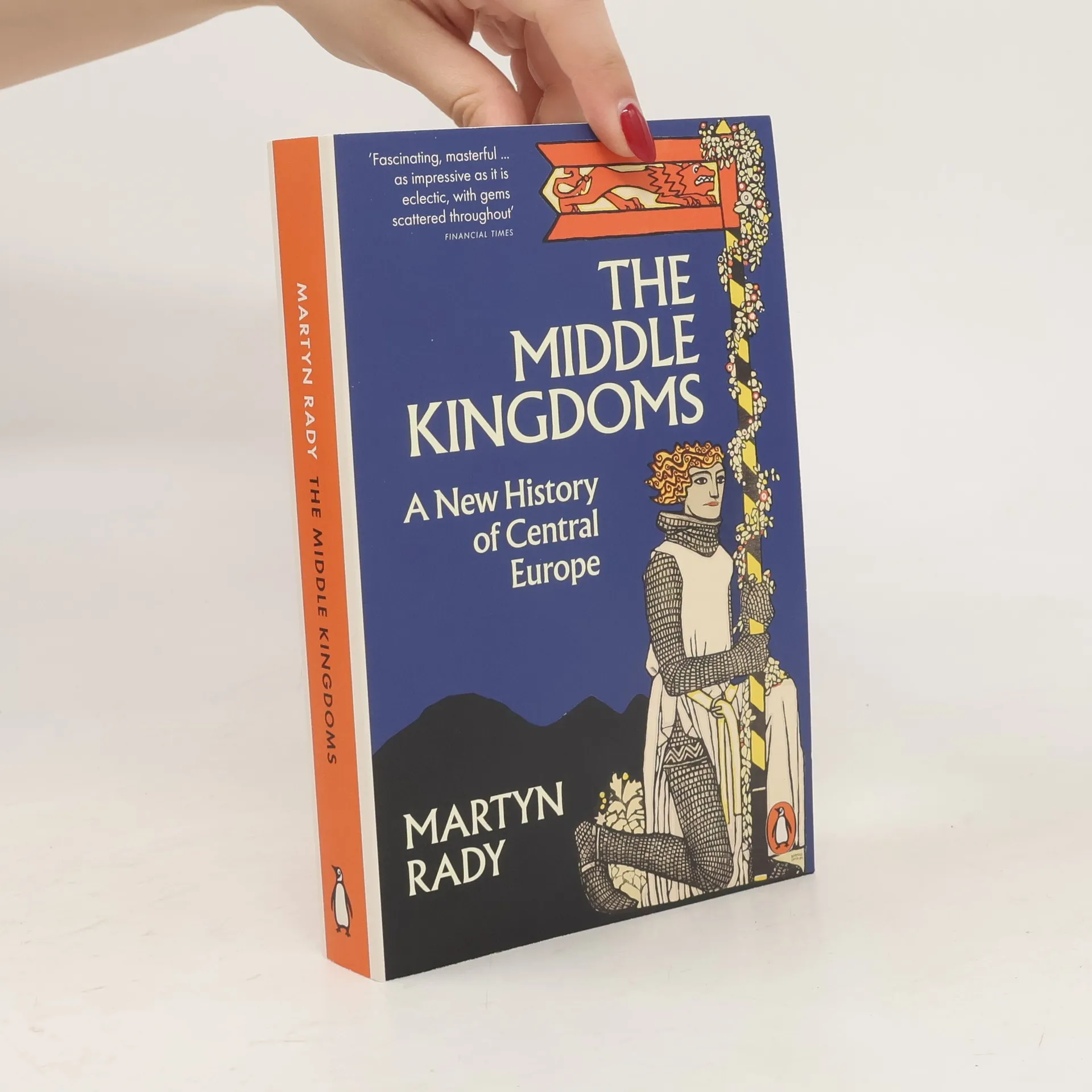
Fascinating and masterful, this work offers a unique exploration of Central Europe's dynamic history. It presents the region not merely as a geographic area but as a space rich in shared experiences, shaped by mutual influences and misunderstandings. From the Roman Empire through the Middle Ages, Central Europe has faced invasions from the east, with its inhabitants historically depicting their adversaries as 'the dogmen.' These foes evolved into various groups, including the Turks, Swedes, Russians, and Soviets, each reshaping the region to fit their vision.
The competition among Central Europe's Middle Kingdoms sparked significant cultural developments, making it the birthplace of the High Renaissance outside Italy, the cradle of the Reformation, and a key player in the Enlightenment, Romanticism, symphonic music, and modern nationalism. The region has also been a battleground for diverse religious and political ideologies.
While many histories focus on the territories between Germany and Russia, this narrative encompasses the entirety of Central Europe, including German lands, Ukraine, and Switzerland. It highlights the region's precariousness, creativity, and turbulence, showcasing the common cultural trends that render these lands uniquely distinctive.
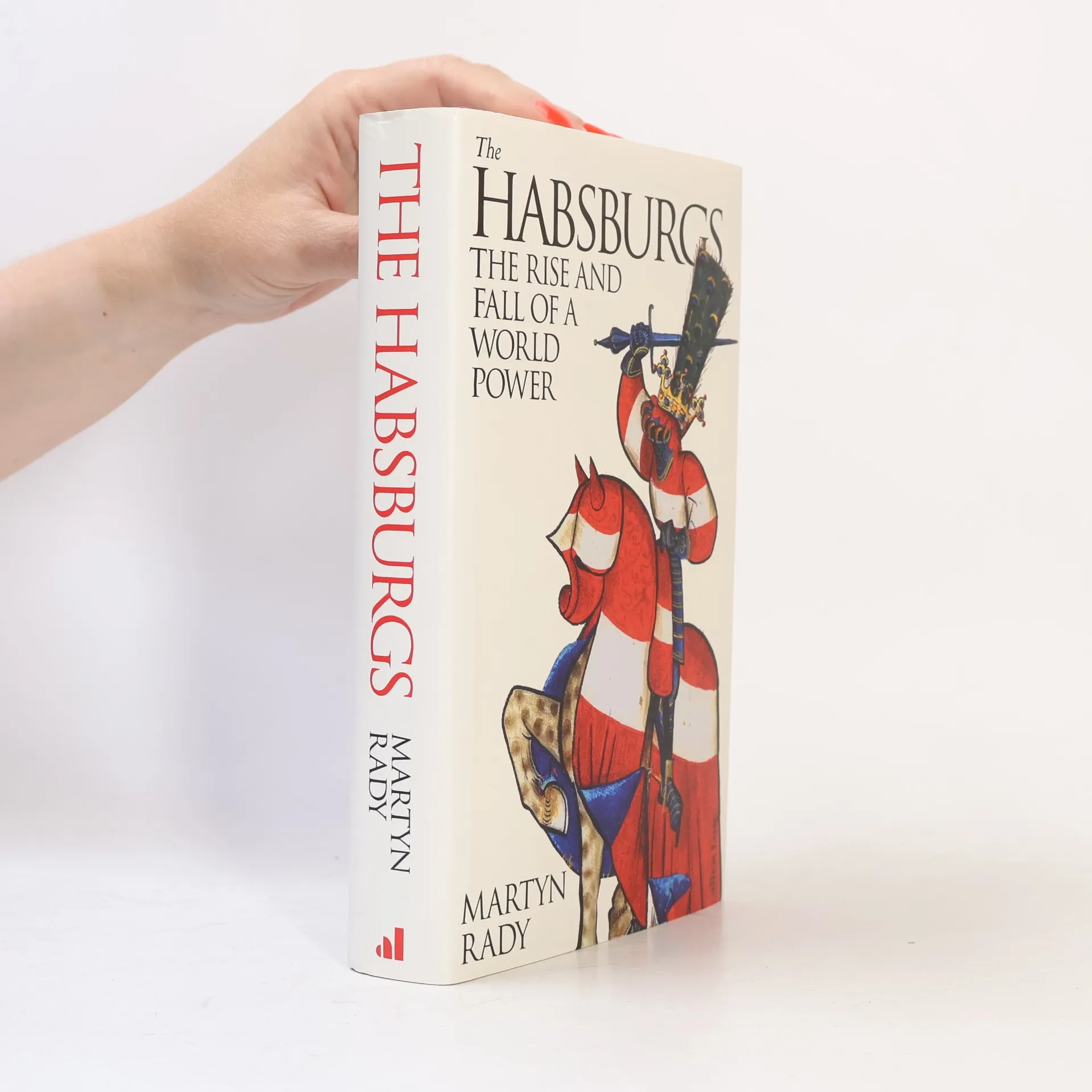
In The Habsburgs, Martyn Rady tells the epic story of a dynasty and the world it built - and then lost - over nearly a millennium. From modest origins, the Habsburgs grew in power to gain control of the Holy Roman Empire in the fifteenth century, before their possessions rapidly expanded to take in a large part of Europe, stretching from the Far East to the New World. The family continued to dominate Central Europe until the catastrophe of the First World War. With its seemingly disorganized mass of territories, its tangle of laws and its medley of languages, the Habsburg Empire has always appeared haphazard and incomplete. But here Martyn Rady shows the reasons for the family's incredible endurance, driven by the belief that they were destined to rule the world. The Habsburg emperors were themselves absurdly varied in their characters - from warlords to contemplatives, from idle to frenzied - but all driven by the same sense of family mission. The Habsburgs is the definitive history of a remarkable dynasty that, for better or worse, shaped Europe and the world.
The definitive history of the dynasty that dominated Europe for centuries In The Habsburgs, Martyn Rady tells the epic story of a dynasty and the world they built -- and then lost -- over nearly a millennium. From modest origins, the Habsburgs gained control of the Holy Roman Empire in the fifteenth century. Then, in just a few decades, their possessions rapidly expanded to take in a large part of Europe, stretching from Hungary to Spain, and parts of the New World and the Far East. The Habsburgs continued to dominate Central Europe through the First World War. Historians often depict the Habsburgs as leaders of a ramshackle empire. But Rady reveals their enduring power, driven by the belief that they were destined to rule the world as defenders of the Roman Catholic Church, guarantors of peace, and patrons of learning. The Habsburgs is the definitive history of a remarkable dynasty that forever changed Europe and the world.
A master of compression and lively anecdote, Rady combines his sprightly
account of Europe's most enduring and important ruling house with an
illuminating commentary on the changing nature and efficacy of dynastic
governance. R.J.W. Evans, Regius Professor of History Emeritus, Oxford
University
Eine Dynastie wie die Habsburger hat es in der Geschichte nicht noch einmal gegeben. Aus einer kleinen Grafenfamilie im Südwesten Deutschlands wurde ein Herrschergeschlecht, das die römisch-deutsche Kaiserwürde eroberte und sich gleichzeitig ein eigenes Imperium entlang der Donau aufbaute. Mehr noch: Das Reich der Habsburger erstreckte sich zeitweilig über mehrere Kontinente, in ihm ging tatsächlich die Sonne nicht unter, wie die Zeitgenossen bewundernd sagten. Martyn Rady fasst diese große Geschichte in eine große Erzählung, die die Herrschergestalten ebenso betrachtet wie die Grundzüge der europäischen Geschichte. Der Machtkampf im Mittelalter zwischen den Fürsten und dem Kaiser, die Glaubensauseinandersetzungen zwischen Reformation und Gegenreformation, die Bewegung der Aufklärung und der Nationalismus: Immer sind die Habsburger an entscheidender Stelle beteiligt. Das gilt dann auch für die letzte Phase, das 19. Jahrhundert bis zum «Großen Krieg», der das Ende der Habsburger brachte. Den ewigen Kaiser Franz Joseph, seine schöne Kaiserin Sisi, den bunten Vielvölkerstaat der k. u. k. Monarchie meint jeder zu kennen, sind sie doch zur Vorlage für unzählige Romane und Filme geworden. Rady zeigt, dass die Wirklichkeit eine andere war – und keineswegs weniger spannend.
Historik Martyn Rady vo svoje publikácii prináša vzrušujúci príbeh mocnej dynastie, ktorá po stáročia formovala charakter nielen našej vlasti, ale celej Európy i sveta. Autor pútavou formou sleduje dejiny rodu Habsburgovcov od ich skromných počiatkov v 11. storočí, nepravdepodobný vzostup k moci v polovici 15. storočia, dôvtipnú sobášnu politiku a odvážne vojenské výboje počas vrcholného obdobia ich dominancie v Európe, až po pád dynastie v dôsledku 1. svetovej vojny. Autor nám odhaľuje, v čom spočívala neuveriteľná odolnosť Habsburgovcov a schopnosť udržať sa pri moci – sami seba vnímali ako osudom predurčených vládcov sveta, obrancov kresťanskej civilizácie a rímskokatolíckej cirkvi, garantov mieru a patrónov umenia, vedy a vzdelávania.
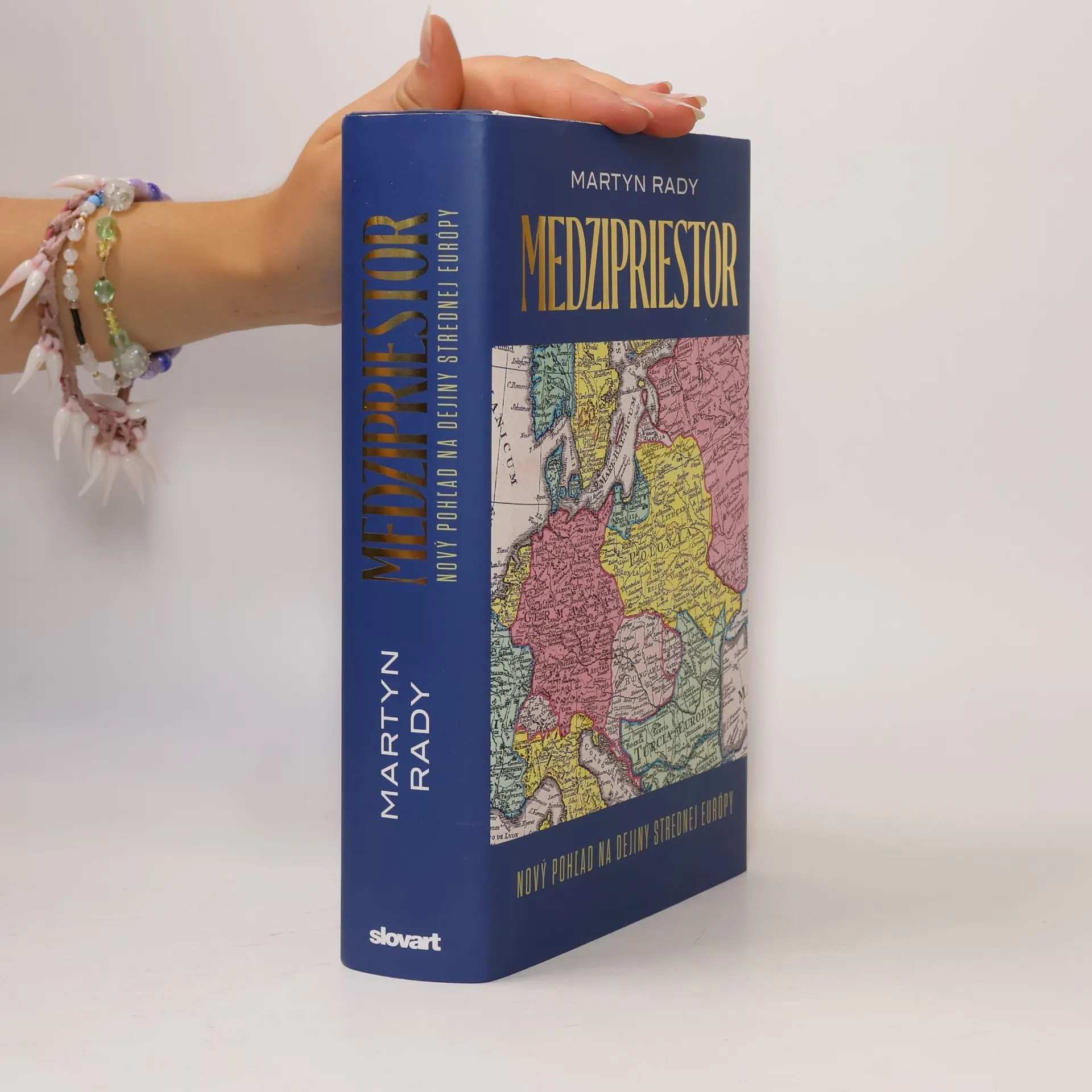
Potrebujeme ďalšiu knihu o stredoeurópskych dejinách? Zdá sa, že áno. Lebo čo je vlastne stredná Európa? Britský historik Martin Rady nám ponúka o niečo komplexnejší a geograficky širší pohľad, ktorý zahŕňa aj Švajčiarsko a Ukrajinu. Už od čias Rímskej ríše bola stredná Európa terčom vpádov dobyvateľov prevažne z východu. Všetci tento región trhali na kusy a prerábali podľa vlastných predstáv, no napriek tomu si vytvoril vlastnú identitu a kultúru - bol prvým domovom renesancie mimo Itálie, kolískou reformácie, symfonickej hudby i moderného nacionalizmu, ale aj neustálym bojiskom náboženských a politických ideí. Radyho dielo nie je suchou vedeckou prácou, preplnenou dátumami a menami. Je to pestrý a pútavý príbeh, ktorý nás postupne prevedie zákutiami meniacej sa mapy strednej Európy.
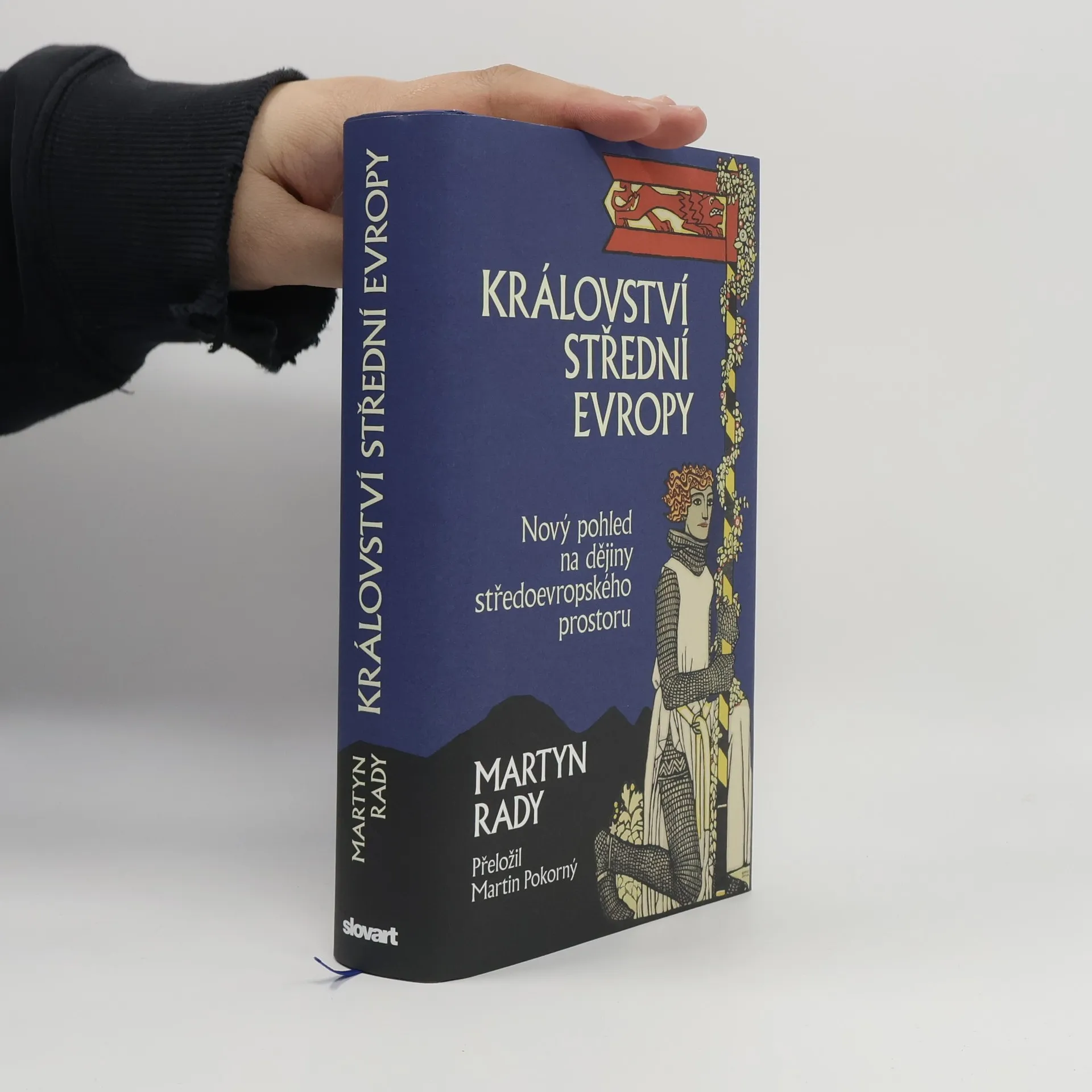
Střední Evropa není jen místo na mapě, ale oblast sdílené zkušenosti: vzájemných výpůjček, vynucených ústupků a nedorozumění. Ve středověku Středoevropané líčili své nepřátele jako „psohlavce" - z nichž se následně stali Turci, Švédové, Rusové a Sověti. Ti všichni střední Evropu rvali na kusy a přetvářeli ji podle vlastních představ. I tak si region vytvořil vlastní soudržnou identitu a z neustálého soutěžení mezi královstvími evropského středu opakovaně vzešlo kulturní jiskření - oblast byla prvním domovem renesance mimo Itálii, kolébkou reformace, východiskem osvícenství, symfonické hudby i moderního nacionalismu. Dějiny střední Evropy podle Martyna Radyho mapují dva tisíce let vývoje, její kreativity, turbulentních změn i sdílených kulturních tendencí, díky nimž jsou tyto země tak jedinečné.
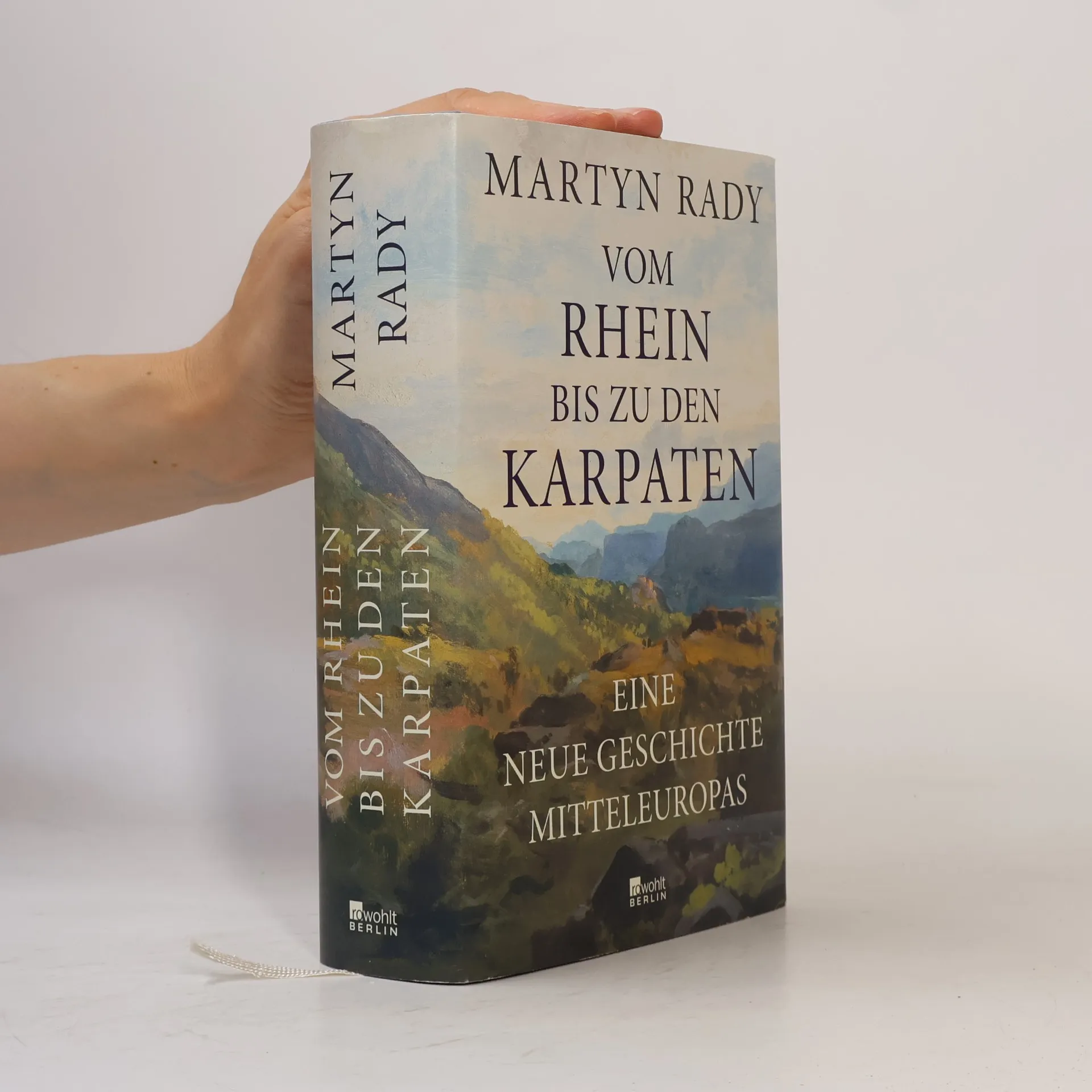
Martyn Rady beleuchtet die komplexe Geschichte Mitteleuropas, von den Invasionen fremder Mächte über die Entstehung eines selbstbewussten Adels und blühender Städte bis hin zu den Auswirkungen der Weltkriege und des Kalten Krieges. Er zeigt, wie kulturelle und geistige Strömungen die Region prägten und global ausstrahlten.