

Bookbot

Franco Berardi

    2 novembre 1949

    Franco Berardi est un théoricien et militant marxiste italien dont l'œuvre se concentre sur le rôle des médias et des technologies de l'information dans le capitalisme postindustriel. S'éloignant des analyses marxistes orthodoxes des cycles économiques, les théories de Berardi, inspirées par la psychanalyse et la théorie de la communication, explorent comment la subjectivité et le désir sont entrelacés avec le fonctionnement du système capitaliste. Il critique l'accent marxiste traditionnel mis sur le travail, arguant que les solutions aux difficultés contemporaines ne sont pas purement économiques, mais impliquent l'émotion humaine et la communication incarnée. À travers des concepts tels que le "cognitariat" et le "travail info", il analyse ces processus psychosociaux et examine les représentations culturelles de l'avenir.

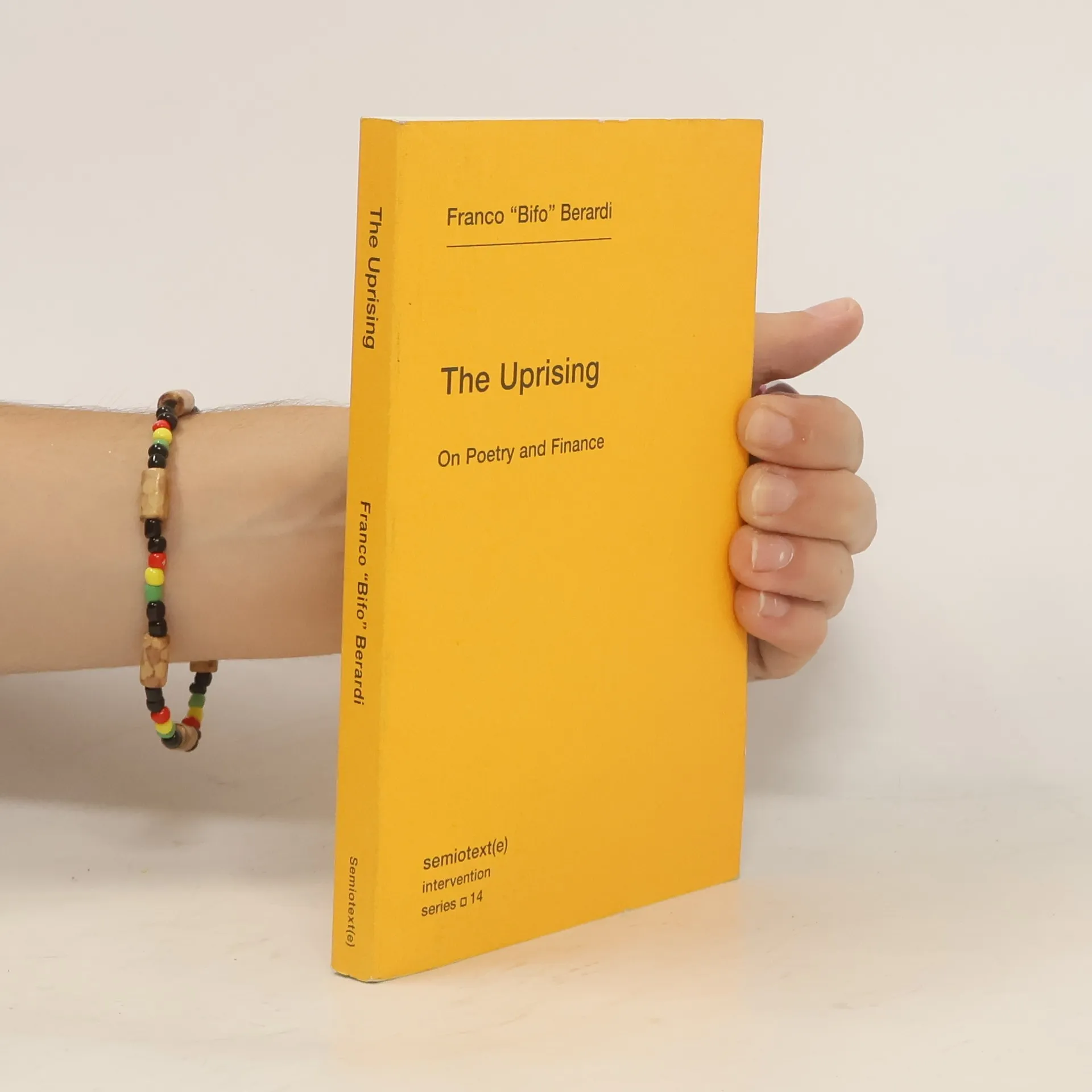
    The Uprising
    The Soul at Work
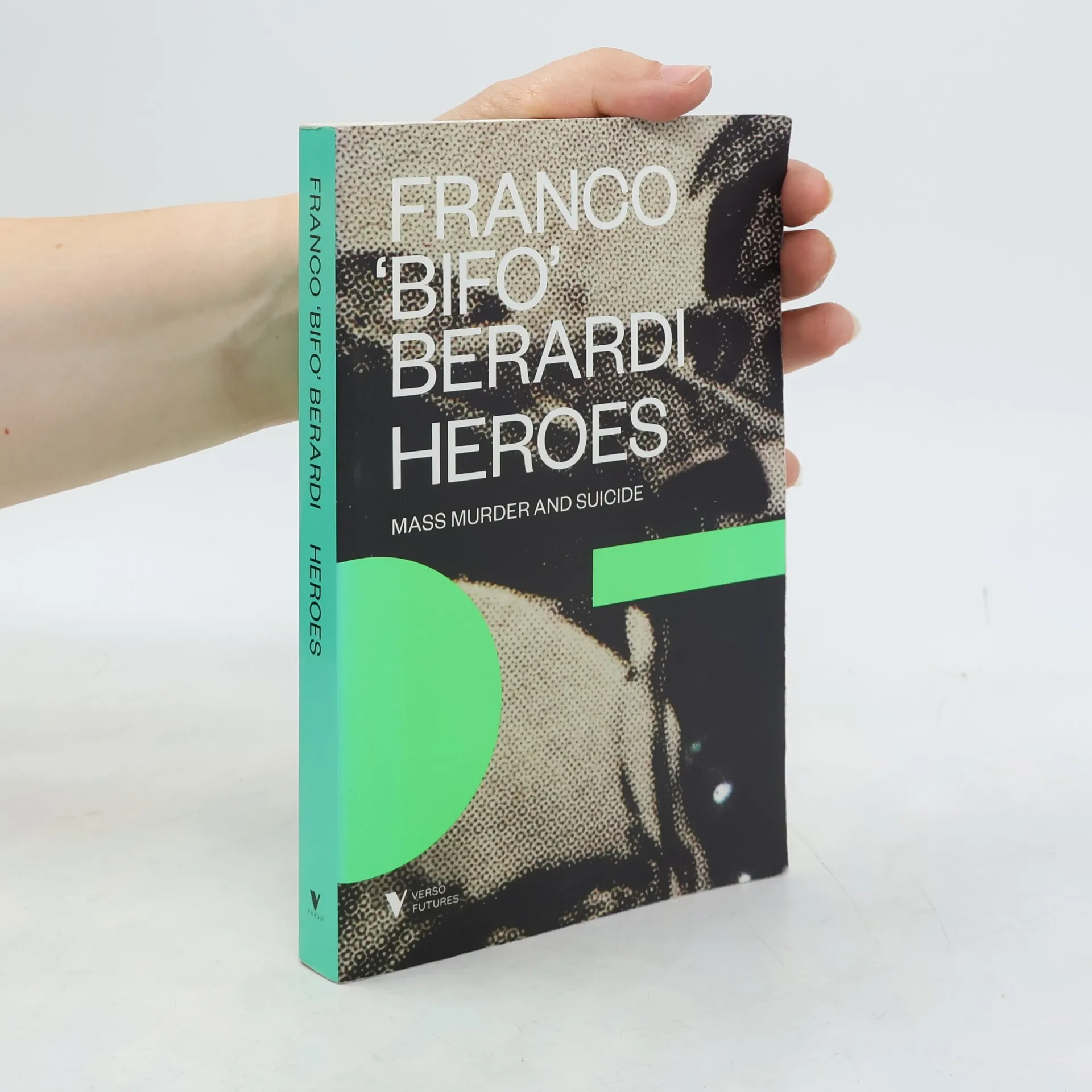
    Heroes
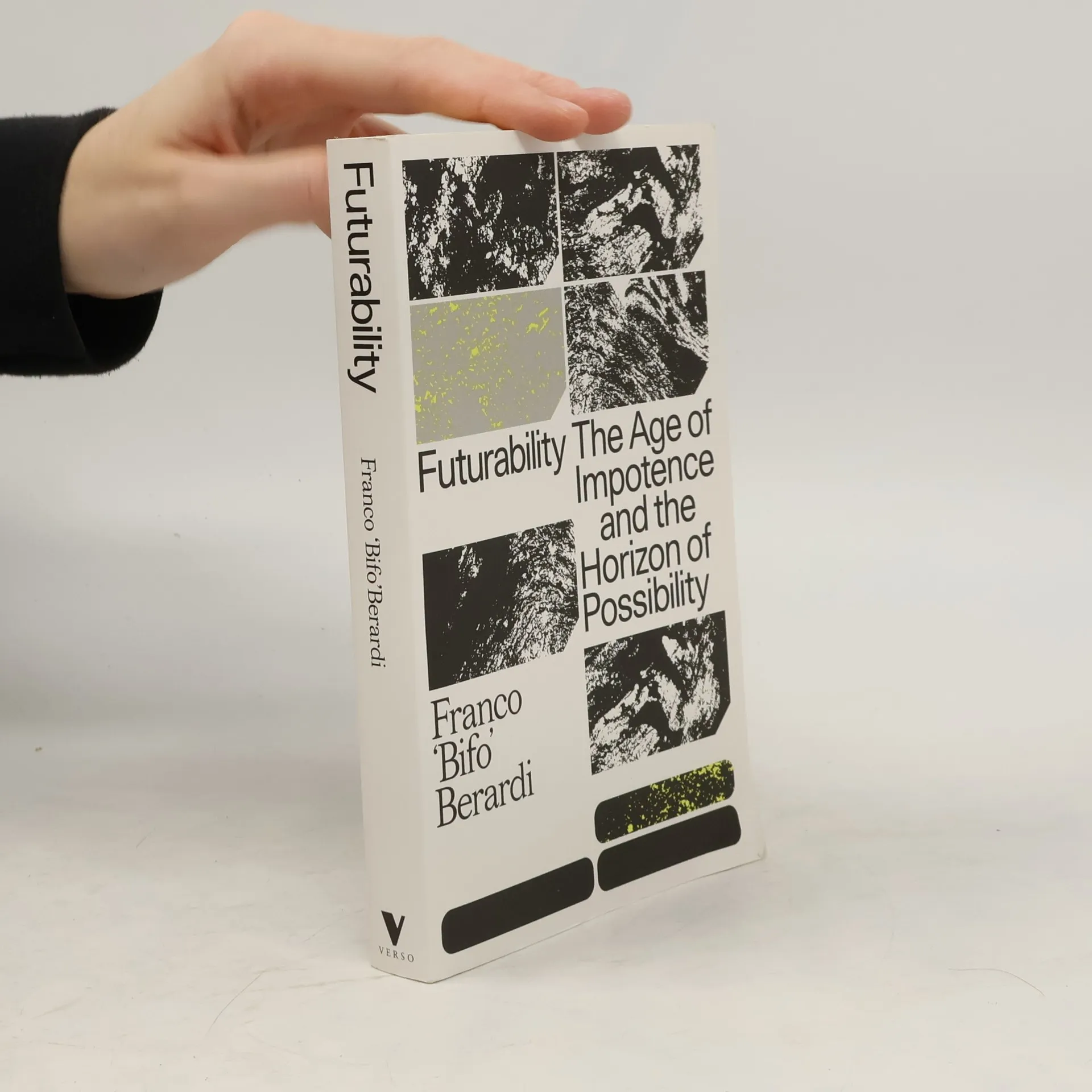
    Futurability
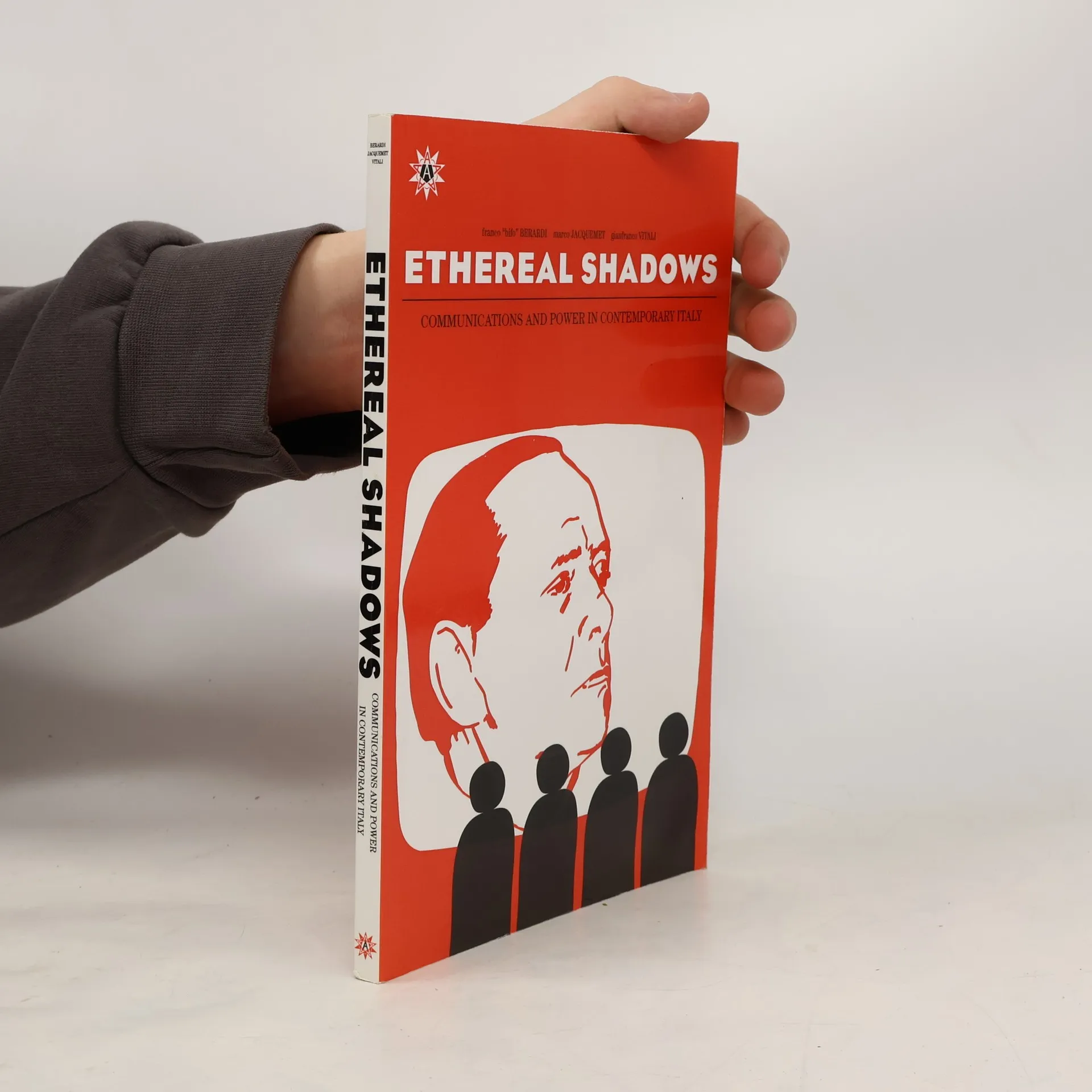
    Ethereal Shadows
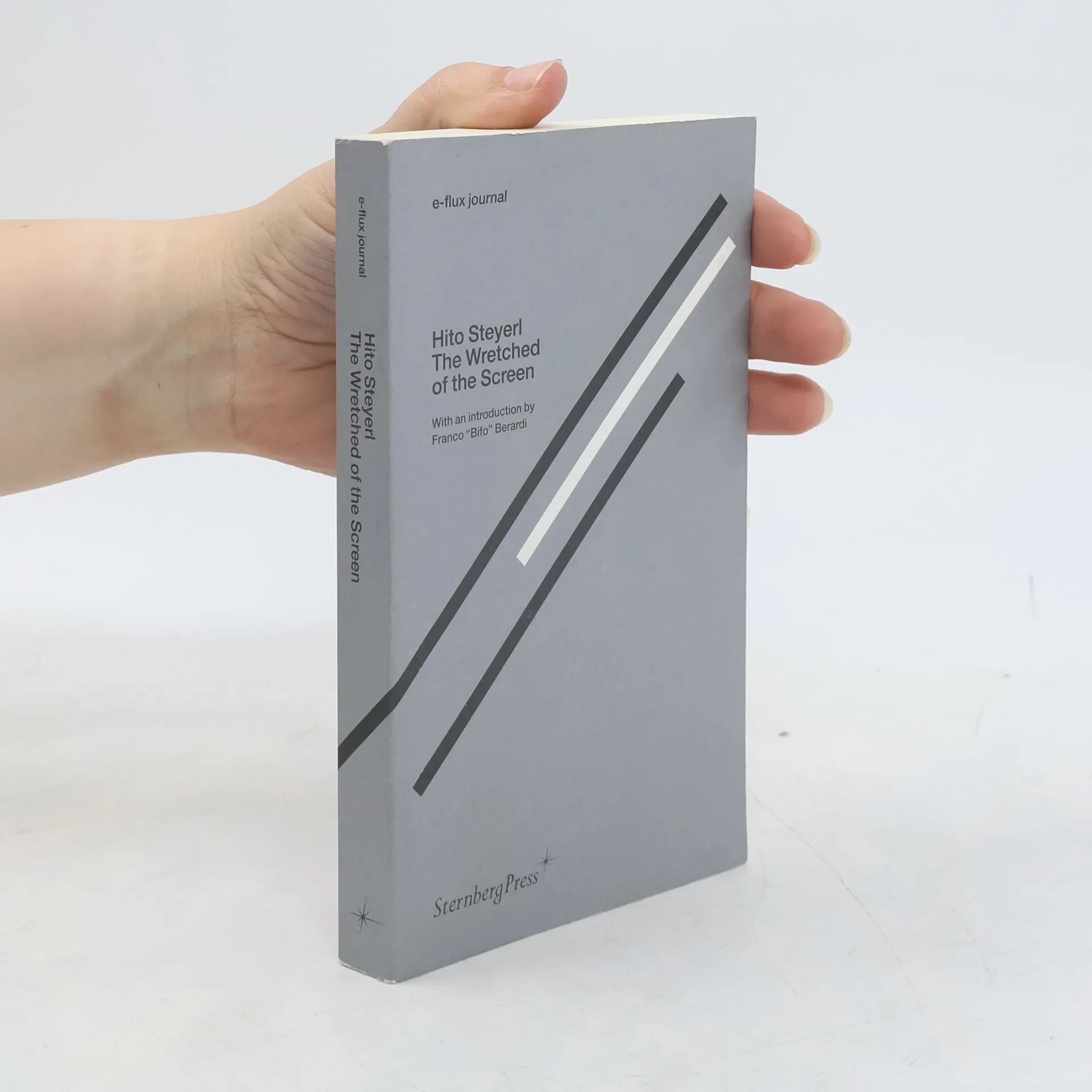
    The Wretched of the Screen
    • The Wretched of the Screen

      • 200pages
      • 7 heures de lecture

      In Hito Steyerl's writing we begin to see how, even if the hopes and desires for coherent collective political projects have been displaced onto images and screens, it is precisely here that we must look frankly at the technology that seals them in. The Wretched of the Screen collects a number of Steyerl's landmark essays from recent years in which she has steadily developed her very own politics of the image. Twisting the politics of representation around the representation of politics, these essays uncover a rich trove of information in the formal shifts and aberrant distortions of accelerated capitalism, of the art system as a vast mine of labor extraction and passionate commitment, of occupation and internship, of structural and literal violence, enchantment and fun, of hysterical, uncontrollable flight through the wreckage of postcolonial and modernist discourses and their unanticipated openings. e-flux journal Series edited by Julieta Aranda, Brian Kuan Wood, Anton Vidokle

      The Wretched of the Screen
      4,4
    • Ethereal Shadows

      Communications and Power in Contemporary Italy

      • 148pages
      • 6 heures de lecture

      Nonfiction. Media Studies. European History. Translated from Italian by Jessica Otey. Focusing on Italian "videocracy," ETHEREAL SHADOWS documents the emergence of the first Italian media mogul, Silvio Berlusconi, and his rises and falls from political power. It also explores Italian media activism through three case studies: a discussion of the first autonomous free radio station, Radio Alice (broadcasting in Bologna between 1977 and 1979); a review of Italian Internet activism focusing on the site Rekombinant.org (launched in 2000); and a chronicle of the emergence of OrfeoTV in 2002, the first illegal micro-TV station in Italy.

      Ethereal Shadows
      4,5
    • We live in an age of impotence. Stuck between global war and global finance, between identity and capital, we seem to be incapable of producing that radical change that is so desperately needed. Is there still a way to disentangle ourselves from a global order that shapes our politics as well as our imagination? In his most systematic book to date, renowned Italian theorist Franco "Bifo" Berardi tackles this question through a solid yet visionary analysis of the three fundamental concepts of possibility, potency, and power. Overcoming any temptation of giving in to despair or nostalgia, Berardi proposes the notion of futurability as a way to remind us that even within the darkness of our current crisis, still lies dormant the horizon of possibility

      Futurability
      4,1
    • Heroes

      • 224pages
      • 8 heures de lecture

      What is the relationship between capitalism and mental health? In his most unsettling book to date, Franco “Bifo” Berardi embarks on an exhilarating journey through philosophy, psychoanalysis and current events, searching for the social roots of the mental malaise of our age. Spanning an array of horrors – the Aurora “Joker” killer; Anders Breivik; American school massacres; the suicide epidemic in Korea and Japan; and the recent spate of “austerity” suicides in Europe – Heroes dares to explore the darkest shadow cast by the contemporary obsession with relentless competition and hyper-connectivity. In a volume that crowns four decades of radical intellectual work, Berardi develops the psychoanalytical insights of his friend Félix Guattari and proposes dystopian irony as a strategy to disentangle ourselves from the deadly embrace of absolute capitalism.From the Trade Paperback edition.

      Heroes
      2,0
    • The Soul at Work

      • 229pages
      • 9 heures de lecture

      An examination of new forms of alienation in our never-off, plugged-in culture-and a clarion call for a conspiracy of estranged people.

      The Soul at Work
      4,0
    • The Uprising

      • 176pages
      • 7 heures de lecture

      A manifesto against the concepts of growth and debt, and a call for a reinvestment in the social body.

      The Uprising
      4,0
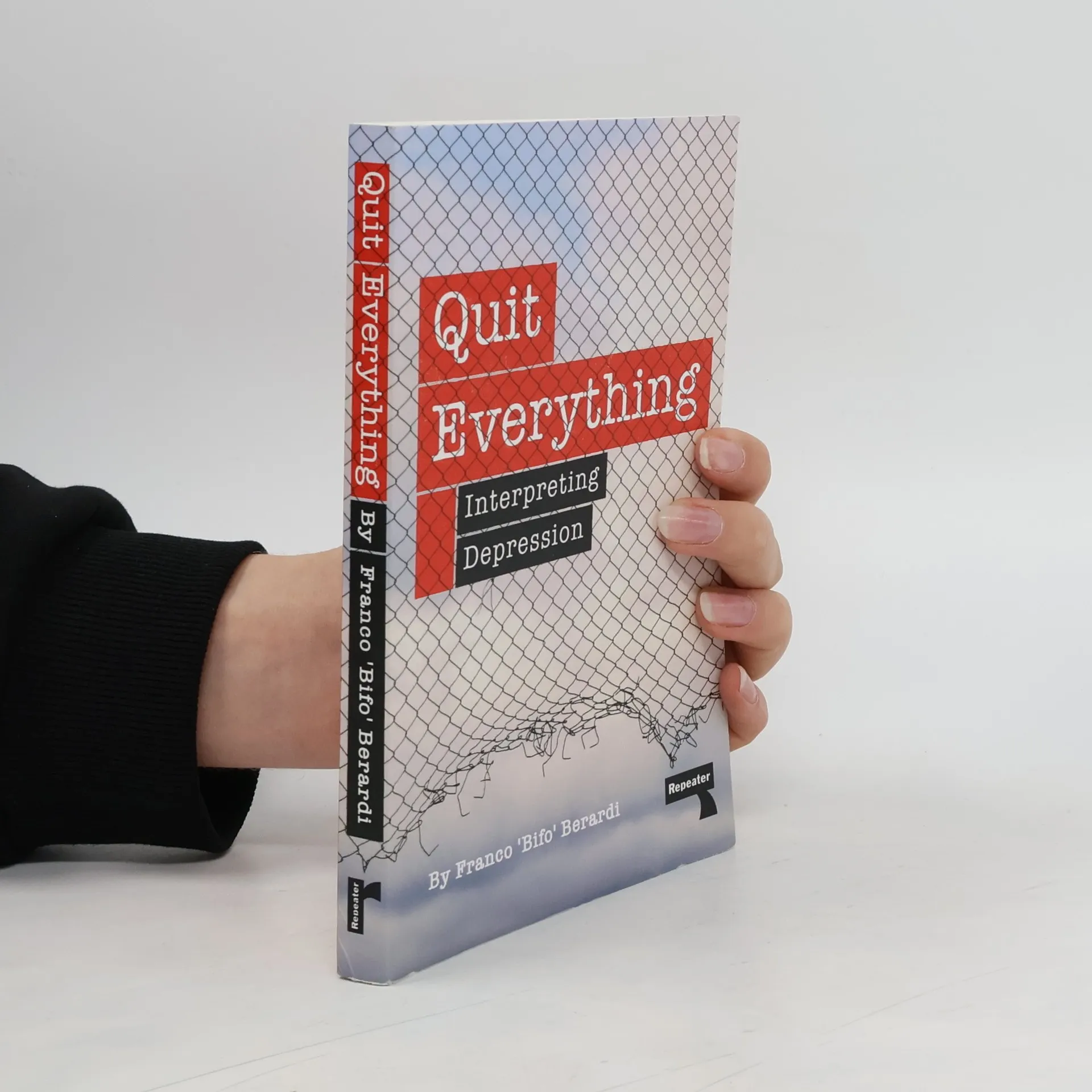
    • Quit Everything

      • 207pages
      • 8 heures de lecture

      Analyses the current wave of depression, or "desertion", that is causing more and more people to abandon hope and desire in a world where social, political and environment collapse seems inevitable. Depression is rife amongst young people the world over. But what if this isn’t depression as we know it, but instead a reaction to the chaos and collapse of a seemingly unchangeable and unliveable future? In Quit Everything, Franco Berardi argues that this “depression” is actually conscious or unconscious withdrawal of psychological energy and a dis-investment of desire that he defines instead as “desertion”. A desertion from political participation, from the daily grind of capitalism, from the brutal reality of climate collapse, and from a society which offers nothing but chaos and pain. Berardi analyses why this desertion is on the rise and why more people are quitting everything in our age of political impotence and the rise of the far-right, asking if we can find some political hope in desertion amongst the ruins of a world on the brink of collapse.

      Quit Everything
      3,8
    • Europa kaputt?

      Für das Ende der Alternativlosigkeit

      • 110pages
      • 4 heures de lecture

      Der Euro ist weiter instabil, die Ökonomien der Südländer der EU befinden sich am Boden und überall bekommen rechtsextreme Parteien Zulauf. Trotz alledem gilt der eingeschlagene Kurs immer noch als alternativlos. Um dieses Dogma zu überwinden, diskutieren in diesem Band die prononciertesten politischen Philosophen und Ökonomen Europas über die Ursache, den Zustand und die Lösung der Eurokrise. So wirft Varoufakis einen Blick zurück und berichtet anschaulich von seinen Erfahrungen als Finanzminister, wie die Entscheidungen auf höchster Ebene getroffen werden und welche gravierenden Demokratiedefizite die EU prägen, entwirft aber auch einen Reformplan für ein neues Europa. Doch ist eine politische Kehrtwende nach Jahrzehnten siegreichen Neoliberalismus noch einfach so möglich oder hat nicht die Demokratie grundlegenderen Schaden genommen? Der Debattenband versammelt Vorschläge und Einsprüche zur Zukunft Europas und bietet einen Ausgangspunkt für alle, die sich dem falschen Zwang der Alternativlosigkeit nicht ergeben wollen.

      Europa kaputt?
      4,1
    • Fenomenología del fin

      Sensibilidad y mutación conectiva

      • 360pages
      • 13 heures de lecture

      ¿Por qué una fenomenología del fin? ¿Qué está terminando? Lejos del apocalipsis que ha invadido la cultura popular, el filósofo italiano Franco Berardi explora la transformación de nuestra capacidad de sentir y la disolución de la concepción moderna de humanidad. Aunque hombres y mujeres continúan viviendo, matando, sufriendo e intercambiando bienes, ha cambiado la forma en que se perciben a sí mismos y a los demás. Comprender estos procesos históricos y antropológicos requiere no solo de las ciencias sociales, sino también de la teoría estética, ya que su ámbito es lo sensible. A lo largo de la civilización, la creciente abstracción del mundo ha erosionado un modelo de interacción basado en la empatía, fortaleciendo otro que se adapta a estructuras sintácticas y códigos. La transición al entorno digital ha llevado a una disociación entre empatía y vínculo social. La exposición a un flujo de información frenético dificulta la elaboración de estímulos, saturando nuestra sensibilidad y atención. Esto se traduce en un aumento del estrés y la ansiedad, y en el ámbito del poder, en la sustitución de la voluntad política por un diseño biosocial que automatiza nuestras percepciones y deseos. Este libro traza un mapa de esta transformación, centrándose en la resistencia que los cuerpos, el arte y la sensibilidad ofrecen al determinismo de la experiencia.

      Fenomenología del fin
      4,2