Phillip Knightley Livres
Phillip Knightley s'est imposé comme un journaliste d'investigation au profond intérêt pour les reportages de guerre, la propagande et l'espionnage. Au cours de ses deux décennies au sein du Sunday Times, il est devenu un membre essentiel de son équipe Insight, remportant deux fois le prestigieux prix du journaliste de l'année. Sa vaste connaissance de la communauté internationale du renseignement, acquise grâce à des interactions directes avec les chefs du renseignement mondiaux, offre une perspective unique pour explorer des opérations et des motivations complexes. Le travail de Knightley se penche constamment sur les subtilités de la découverte et de la diffusion de la vérité.

The First Casualty
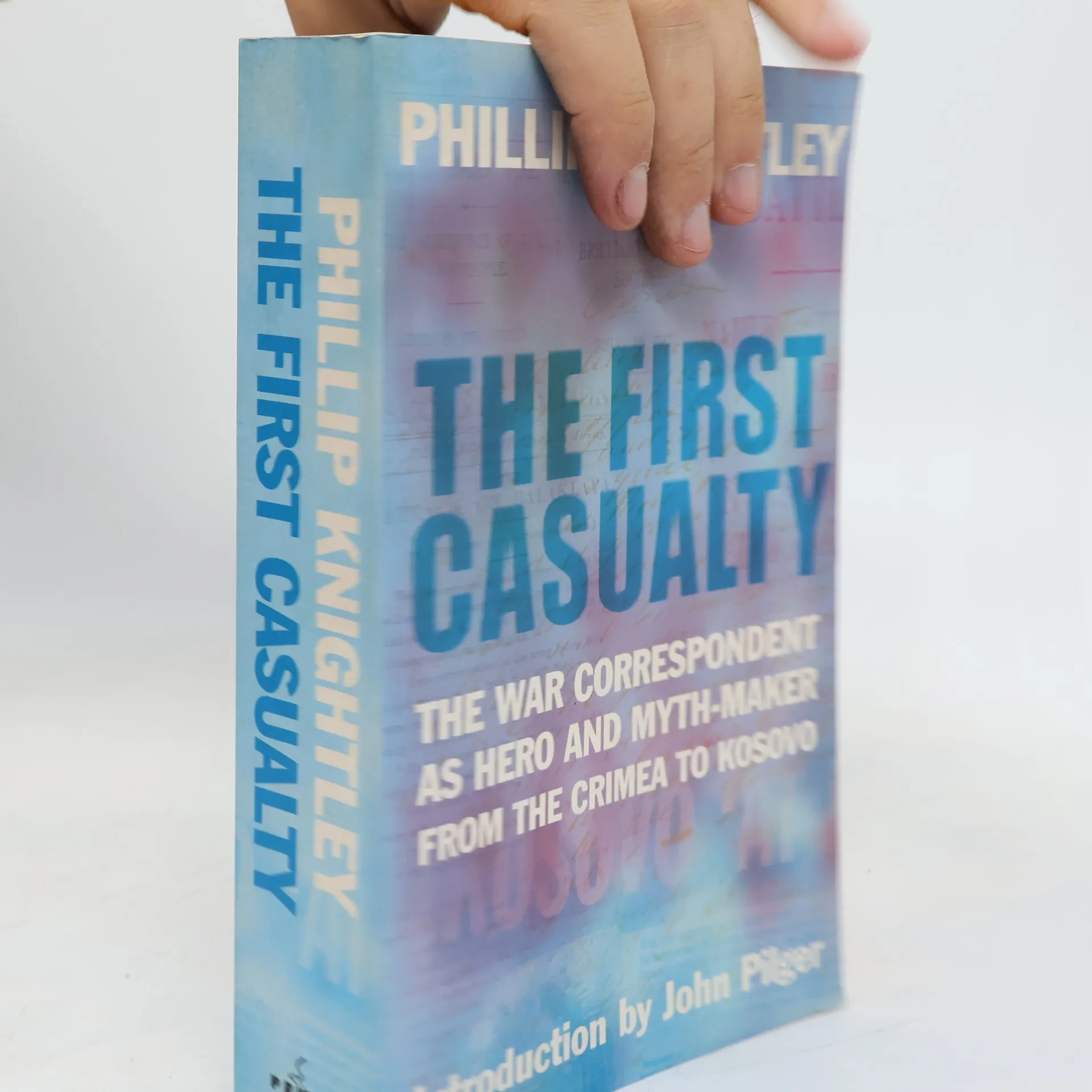
The War Correspondent as Hero and Myth-Maker from the Crimea to Kosovo. Introduction by John Pilger
- 574pages
- 21 heures de lecture
s/t: The War Correspondent as Hero, Propagandist & Myth Maker The First Casualty is a disturbing book because it suggests that attitudes to history are moulded by what's read in war-time & that what's read too often bears little resemblance to reality. The Miserable Parent of a Luckless Tribe The First Challenge The Golden Age Quite Another Game The Last War Enter America The Remedy for Bolshevism Is Bullets The Real Scoop Commitment in Spain Their Finest Hour The Struggle for Mother Russia Remember Pearl Harbor Never Again Korea, the United Nations' War Algeria Is French Vietname War Is Fun Acknowledgements Notes of Sources Selected Bibliography Index
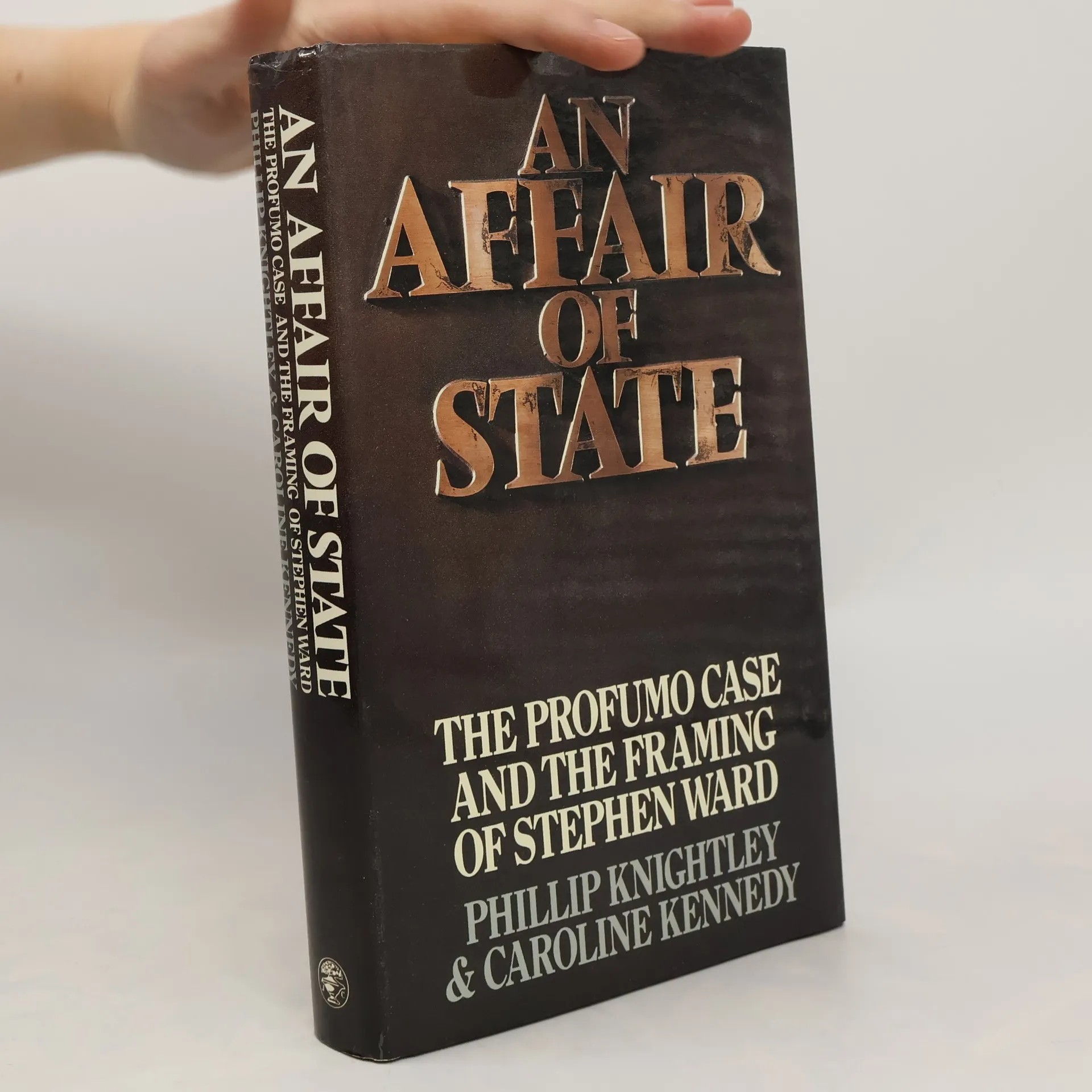
A number-one bestseller upon its initial release in 1987, this updated book inspired Andrew Lloyd-Webber to create a musical about Stephen Ward. It reinterprets the Profumo Scandal, offering a deeper understanding of its complex figure, Ward, and the broader implications of one of the past century's greatest scandals. This work serves as a major expose of a government cover-up that has endured for fifty years, detailing a powerful narrative of sexual compulsion, political scandal, police corruption, judicial abuse, and betrayal. The authors present never-before-heard testimonies uncovered since the scandal erupted, utilizing startling new evidence, including Ward’s unpublished memoirs and numerous interviews with individuals who have now come forward. This account dismantles the decades-long cover-up, revealing why the government, police, judiciary, and security forces conspired to frame Ward. During the Cold War, amid the Cuban Missile Crisis, Ward acted as an intermediary between British and Soviet governments. The authors illustrate how his "trial of the century" stemmed from unprecedented corruption and political malice, ultimately making an innocent man a scapegoat. This epic tale of sex, lies, and governmental abuse nearly toppled the government and shook the espionage communities of America, Britain, and the Soviet Union to their core, finally allowing Ward's complete story to be told through meticulous research and s
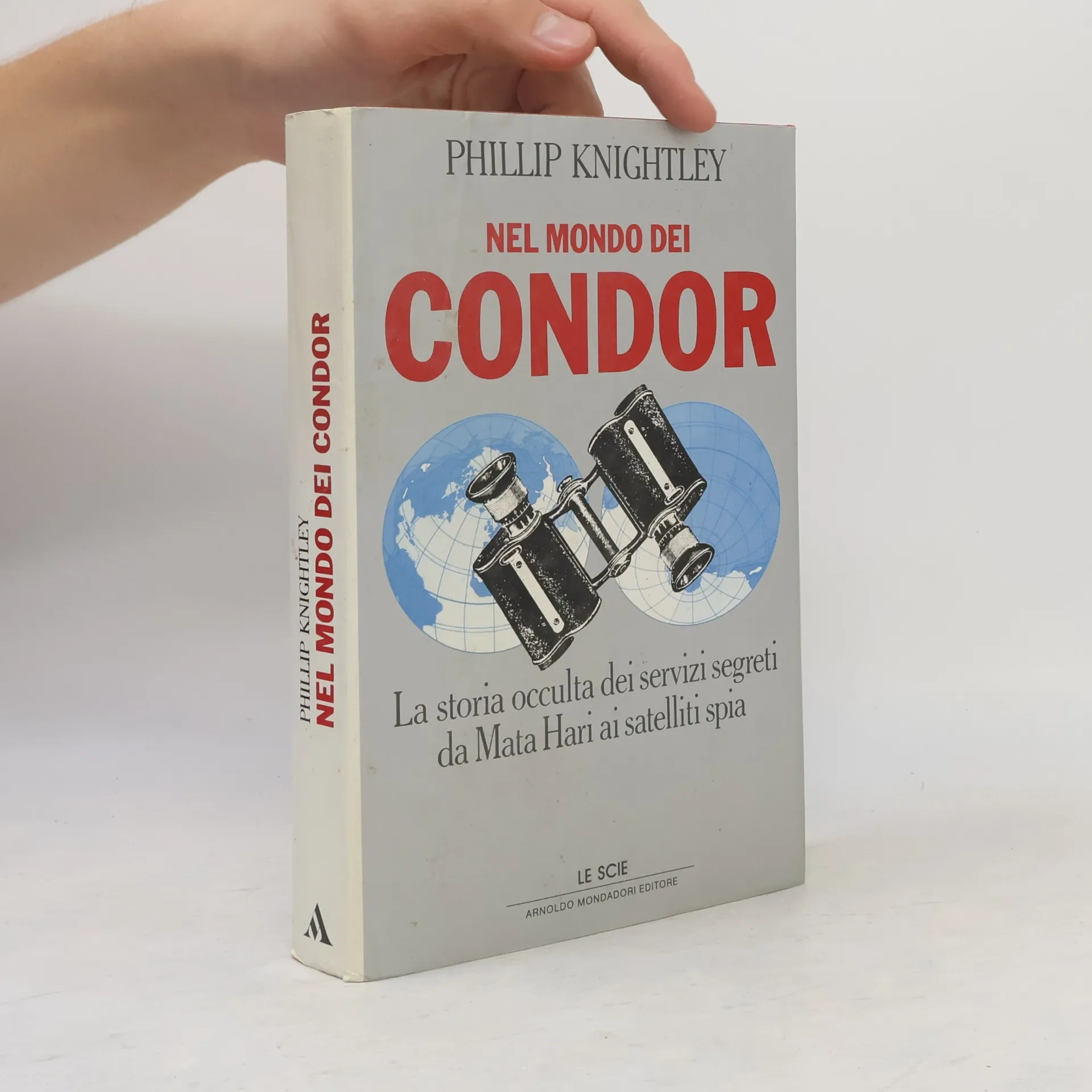
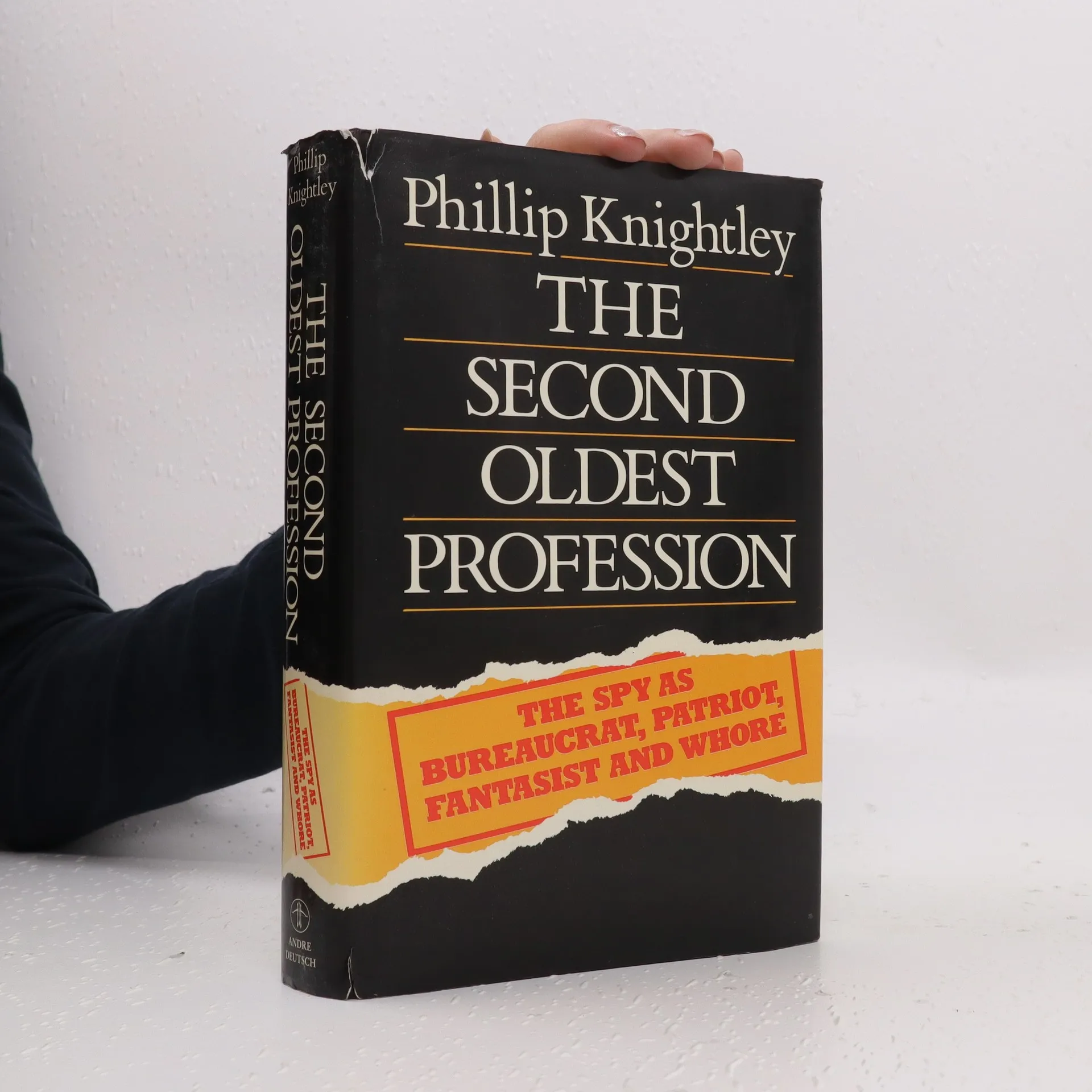
The spy is as old as history but spy services are quite new. Britain founded the first, Her Majesty's Secret Intelligence Service, in dubious circumstances in 1909. Others followed until no country considered itself a nation unless it had a corps of spies. The biggest and most expensive is America's Central Intelligence Agency, the CIA, formed as recently as 1947. The CIA's principle enemy was the Soviet Union's KGB, and the clash of these two giants has been the thrilling stuff of history, novels, films and plays. In assessing the real role of the spy, Phillip Knightley brilliantly takes all the real characters of the spies themselves - Mata Hari, Sidney Reilly, Richard Sorge, Kim Philby, George Blake, James Jesus Angleton, Ruth Kuczinsky, the Rosenbergs - and answers the crucial question. Did they make any difference to the course of history? Or was spying the biggest confidence trick of our time?
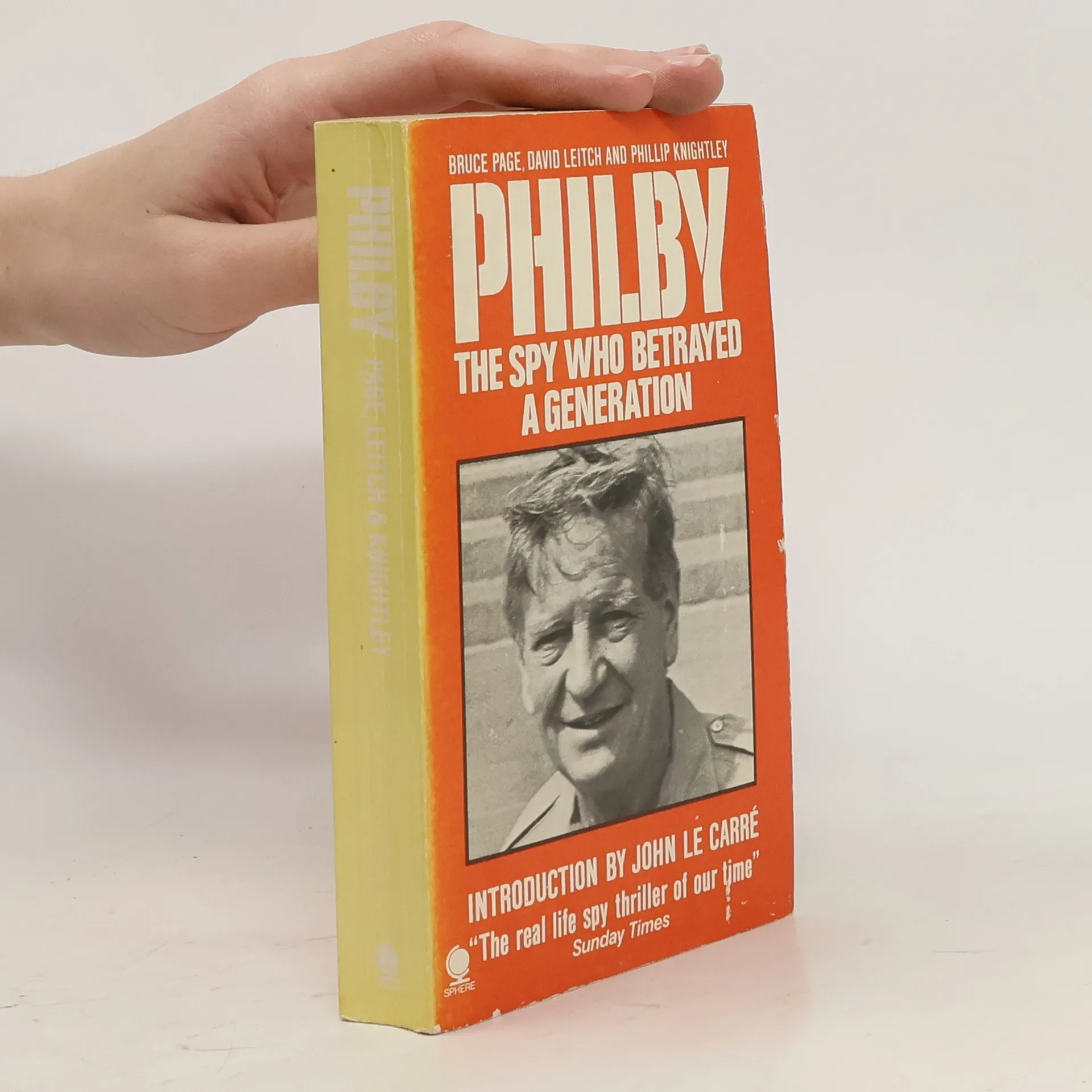
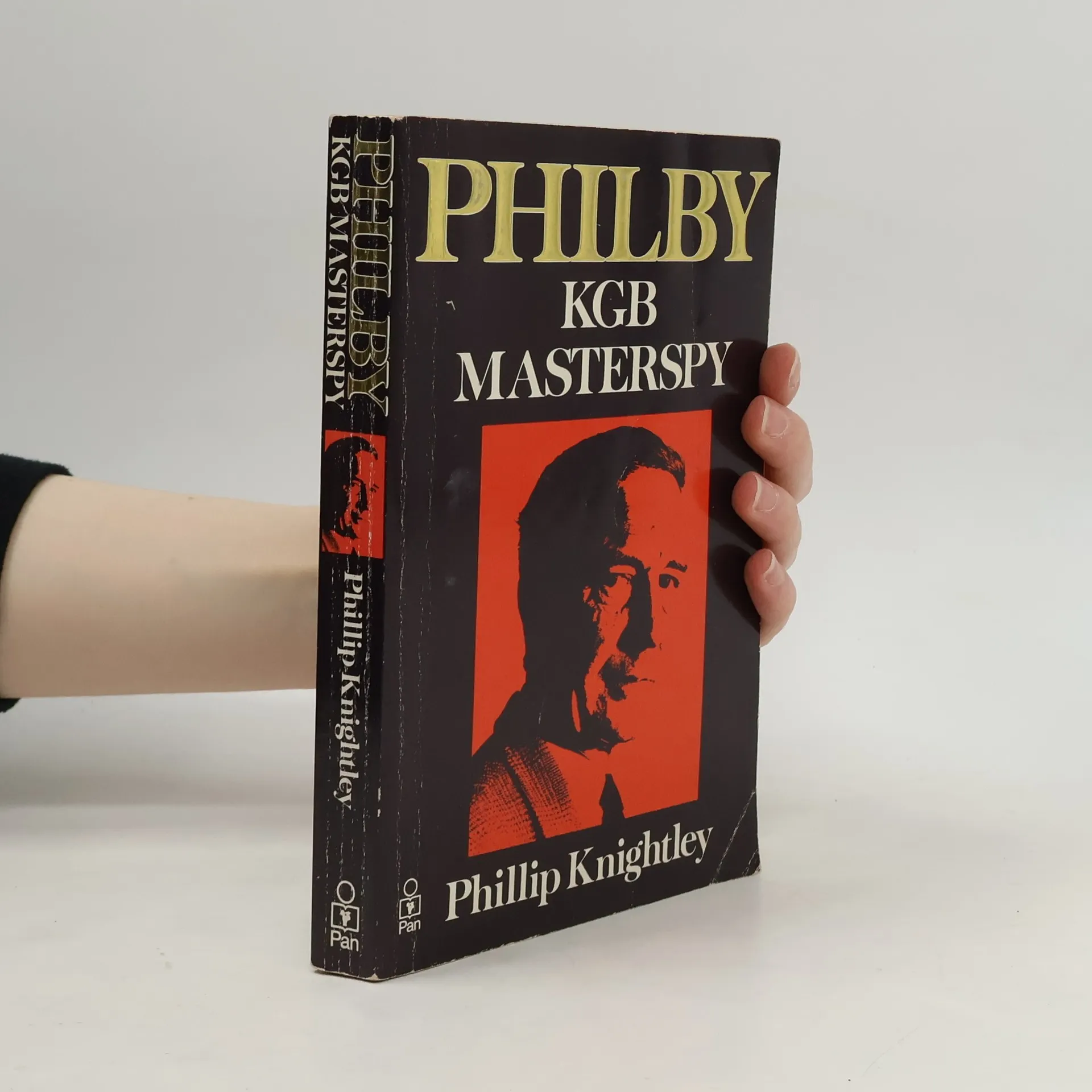
As British liaison officer to the CIA & FBI in 1949, Kim Philby held a position at the heart of the Western intelligence war against the Soviets. The quintessential Englishman, Philby was also an officer in the KGB. Here is the story that Philby revealed to the only Western journalist he trusted. 16 pages of photos.
Australia
- 384pages
- 14 heures de lecture
Part history, part travelogue, part memoir, this book tells the inspiring story of how a one time British colony of convicts turned itself into a prosperous and confident country. This book describes Australia's journey through the eyes of ordinary people, from the trauma of the WW-I to the decline of the relationship with Britain, and more. schovat popis
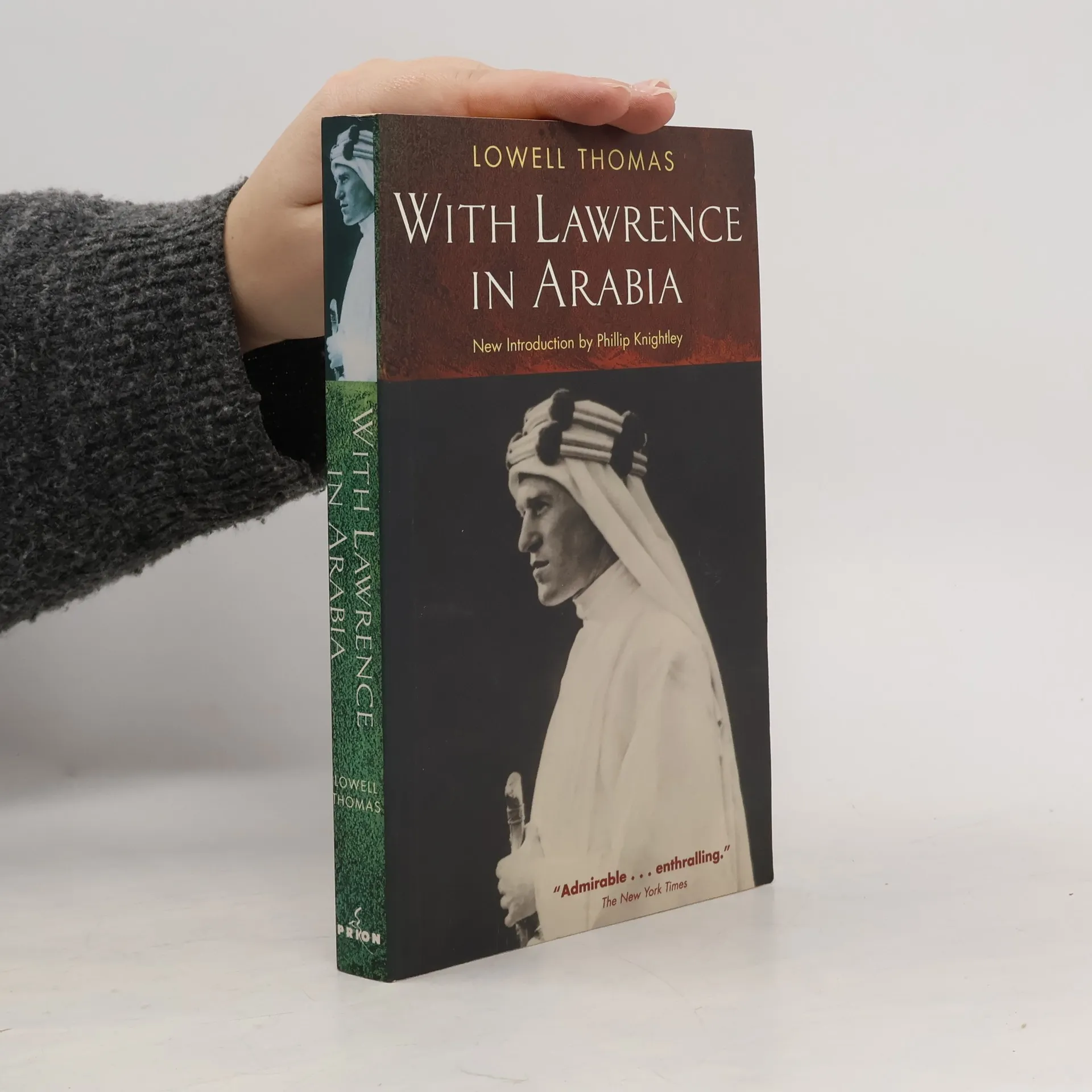
Lost Treasures: With Lawrence in Arabia
- 256pages
- 9 heures de lecture
It was 1918 in Jerusalem, when the admiring young American scholar and journalist Lowell Thomas first met T.E. Lawrence. He went on to write With Lawrence in Arabia, a book that sparked the Lawrence of Arabia legend and was the basis of the celebrated film. With brilliant narrative verve, Lowell recounts the exploits of the young British agent who managed to weld disparate and warring Arab tribes into a formidable mobile fighting force—a guerilla army that would defeat the Turks in the Arab Revolt, sealing the fate of the Ottoman Empire in the Middle East during World War I. On a canvas whose background is the fierce, inhospitable desert and in whose foreground stride the Emir Feisal, King Hussein I of the Hedjaz, the British General Allenby, and the strange, hypnotic figure of Lawrence himself, Thomas paints a vivid portrait of the “modern knight of Arabia.”
A novelist wouldn't dare invent the story contained herein. That a son of the British establishment could, during a 30 year secret service career, be a Communist agent is too far-fetched for fiction. Here's the story of how Philby did it, of what he did & its consequences; of how he betrayed his country, service, friends & the class which nurtured, shaped & protected him.Authors' PrefaceIntroduction1. BeginningsThe man in Dzerzinsky SquareBoyhood of three spiesThe slave of GodThe Cambridge MarxistsCommitment in ViennaJoining the establishment2. PenetrationThe Spanish decorationThe phony warThe secret worldThe rise of Kim Philby3. ExploitationThe new enemyThe Volkov incidentThe priceless secretsThe Albanian subversion4. DownfallCrack-upGetawayThe secret trialA field agent?Philby's comebackEndgame in BeirutThrough the curtain
Nel mondo dei Condor
La storia occulta dei servizi segreti da Mata Hari ai satelliti spia
- 478pages
- 17 heures de lecture