California
- 480pages
- 17 heures de lecture
A concise and lively history of California, the most multicultural state in the nation číst celé




A concise and lively history of California, the most multicultural state in the nation číst celé
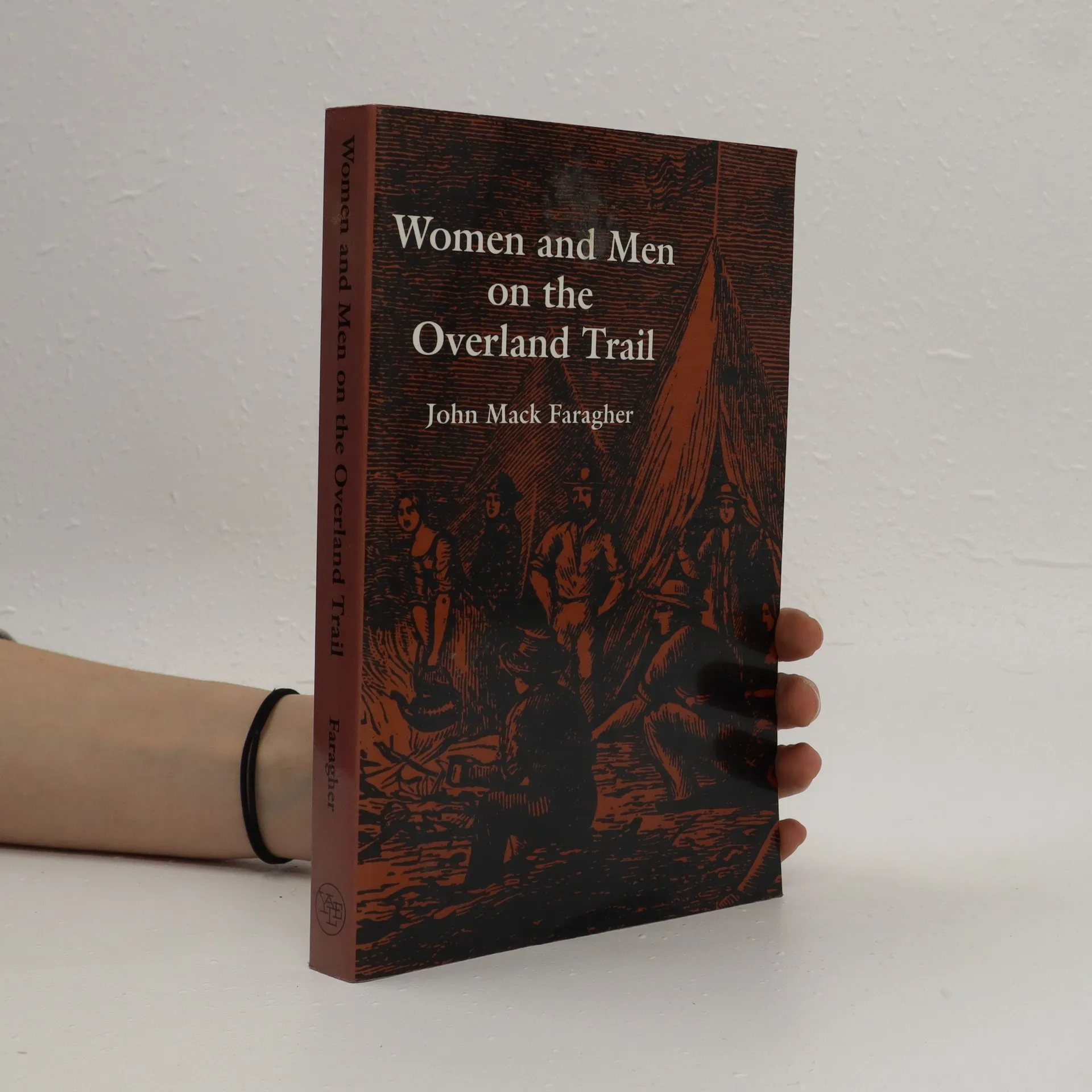
Refutes traditional portraits of women's passive roles in the journey westward on the Overland Trail between 1843 and 1870
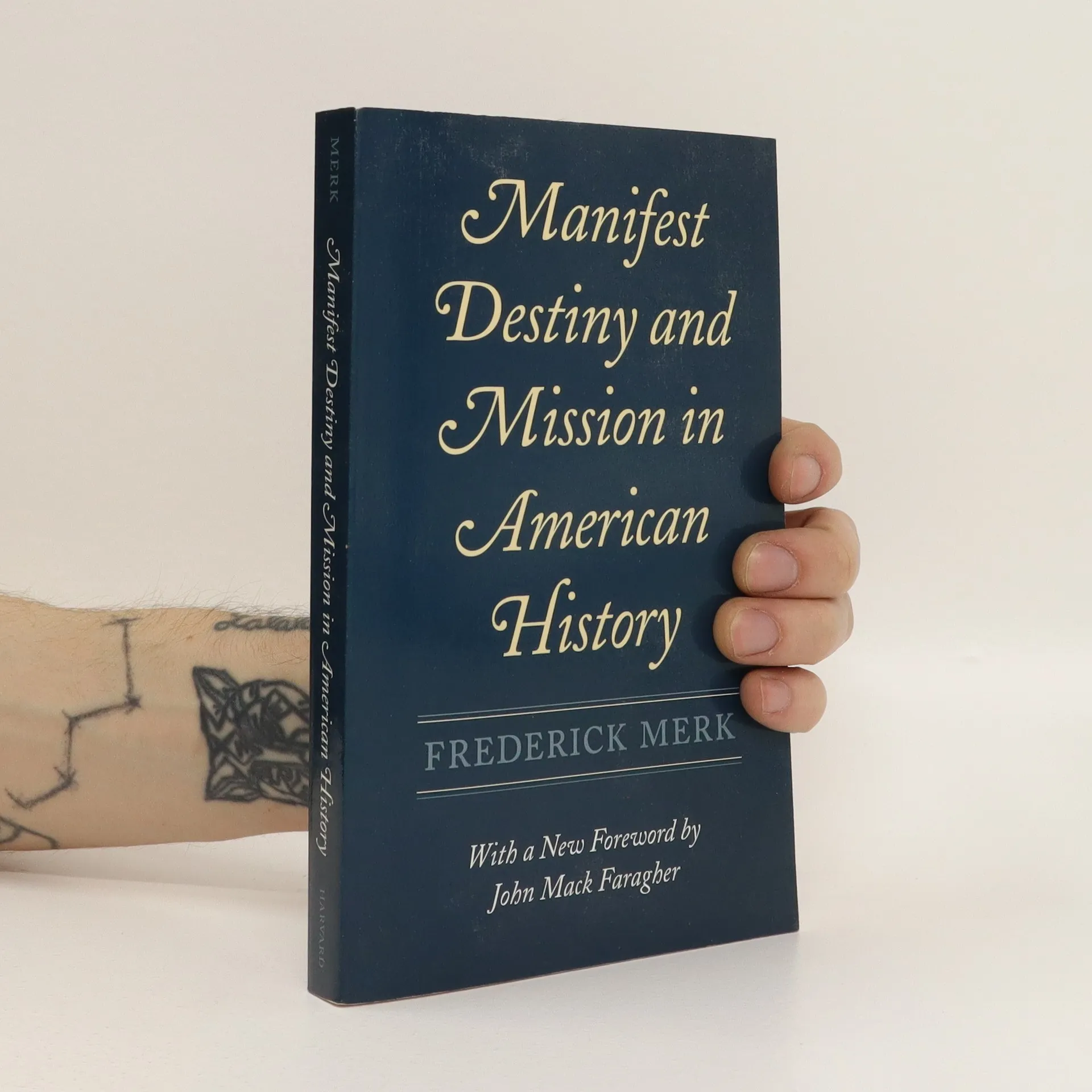
Before this book first appeared in 1963, most historians wrote as if the continental expansion of the United States were inevitable. "What is most impressive," Henry Steele Commager and Richard Morris declared in 1956, "is the ease, the simplicity, and seeming inevitability of the whole process." The notion of inevitability, however, is perhaps only a secular variation on the theme of the expansionist editor John L. O'Sullivan, who in 1845 coined one of the most famous phrases in American history when he wrote of "our manifest destiny to overspread the continent allotted by Providence for the free development of our yearly multiplying millions." Frederick Merk rejected inevitability in favor of a more contingent interpretation of American expansionism in the 1840s. As his student Henry May later recalled, Merk "loved to get the facts straight." --From the Foreword by John Mack Faragher
Winner of the Los Angeles Times Book Prize for Biography for 1993In the first and most reliable biography of Daniel Boone in more than fifty years, award-winning historian Faragher brilliantly portrays America's famous frontier hero. Drawing from popular narrative, the public record, scraps of documentation from Boone's own hand, and a treasure of reminiscence gathered by nineteenth-century antiquarians, Faragher uses the methods of new social history to create a portrait of the man and the times he helped shape. Blending themes from a much vitalized Western and frontier history with the words and ideas of ordinary people, Faragher has produced a book that will stand as the definitive life of Daniel Boone for decades to come, and one that illuminates the frontier world of Boone like no other.
Two eminent historians, Robert V. Hine and John Mack Faragher, present the American West as both frontier and region, real and imagined, old and new, and they show how men and women of all ethnic groups were affected when different cultures met and clashed. Their concise and engaging survey of frontier history traces the story from the first Columbian contacts between Indians and Europeans to the multicultural encounters of the modern Southwest. The book attunes us to the voices of the frontier’s many diverse peoples: Indians, struggling to defend their homelands and searching for a way to live with colonialism; the men and women who became immigrants and colonists from all over the world; African Americans, both slave and free; and borderland migrants from Mexico, Canada, and Asian lands. Profusely illustrated with contemporary drawings, posters, and photographs and written in lively and accessible prose, the book not only presents a panoramic view of historical events and characters but also provides fascinating details about such topics as western landscapes, environmental movements, literature, visual arts, and film. Following in the tradition of Hine’s earlier acclaimed work, The American West: An Interpretive History, this volume will be an essential resource for scholars, students, and general readers.
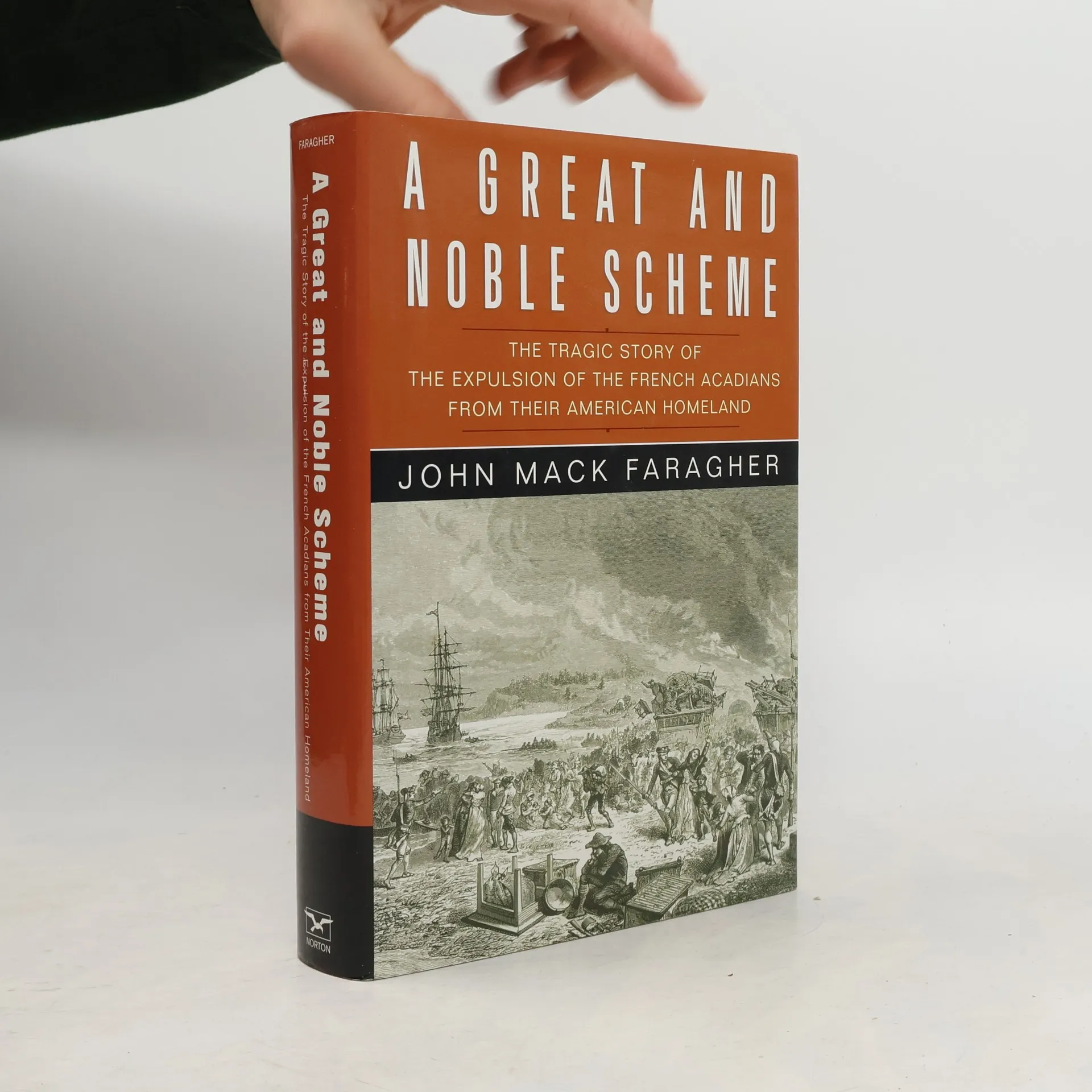
The Tragic Story of the Expulsion of the French Acadians from Their American Homeland
In 1755, New England troops embarked on a "great and noble scheme" to expel 18,000 French-speaking Acadians ("the neutral French") from Nova Scotia, killing thousands, separating innumerable families, and driving many into forests where they waged a desperate guerrilla resistance. The right of neutrality; to live in peace from the imperial wars waged between France and England; had been one of the founding values of Acadia; its settlers traded and intermarried freely with native Mìkmaq Indians and English Protestants alike. But the Acadians' refusal to swear unconditional allegiance to the British Crown in the mid-eighteenth century gave New Englanders, who had long coveted Nova Scotia's fertile farmland, pretense enough to launch a campaign of ethnic cleansing on a massive scale.