Cet érudit littéraire s'est spécialisé dans la période de la Renaissance, recherchant intensivement les controverses religieuses en Angleterre. Son travail a fourni des ressources fondamentales pour comprendre le paysage intellectuel et spirituel de l'époque. Il était connu pour sa perspective unique sur des figures littéraires importantes, offrant de nouvelles interprétations de leurs œuvres et de leurs contextes. Son dévouement à la recherche a éclairé les complexités de la pensée anglaise du début de l'ère moderne.
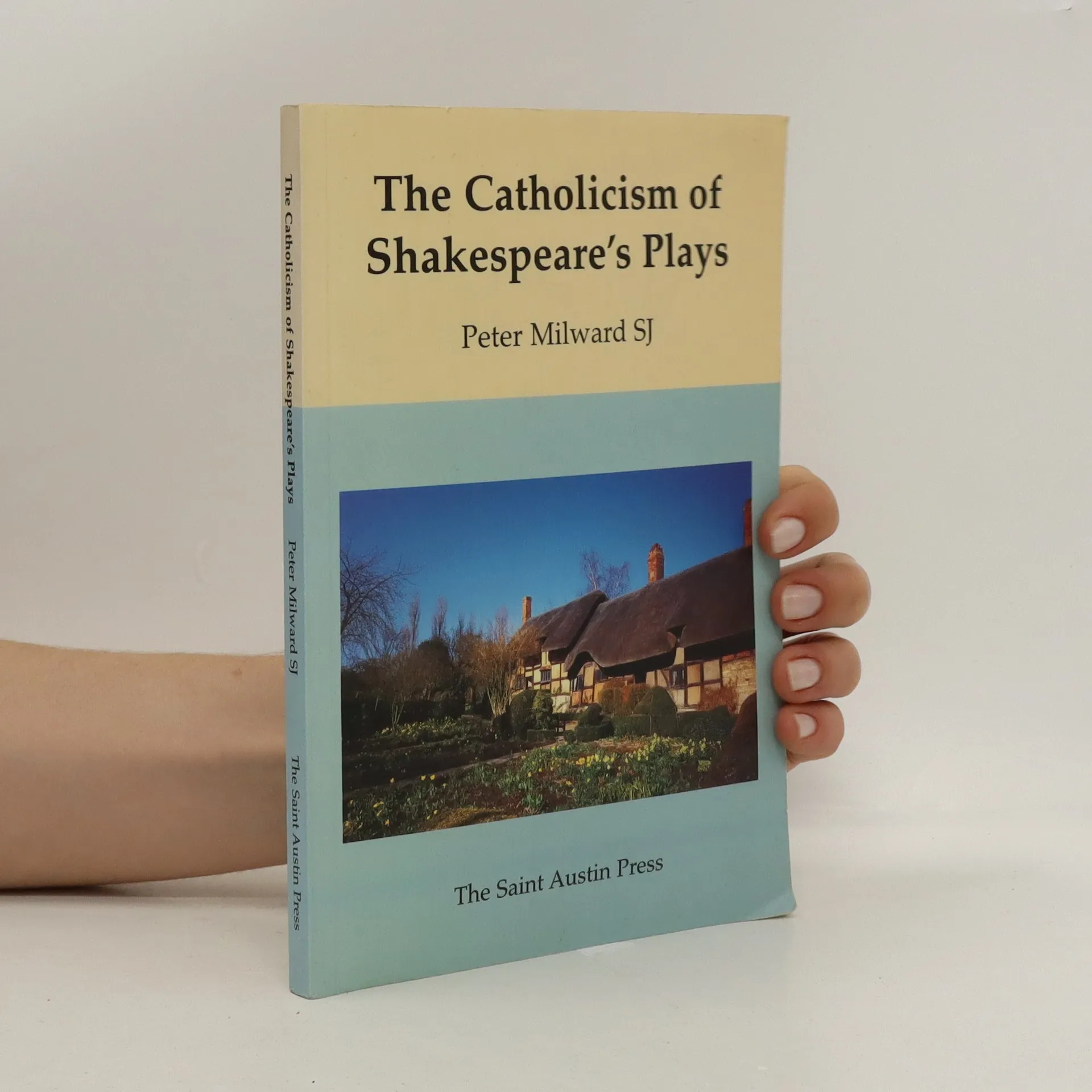
The local tradition in Stratford is that Shakespeare "died a Papist," having sent for a Catholic priest to give him the last rites. It is clear from his plays that he was against the strictures of Puritanism, but in The Catholicism of Shakespeare's Plays, Professor Peter Milward argues that the whole of Shakespeare's work reveals a common thread of sympathy with the plight of the suffering persecuted Catholics under Queen Elizabeth and King James I.
Following his recent study, The Catholicism of Shakespeare's Plays, Fr. Peter Milward examines more closely the themes of doomsday and judgement in the great dramas. As recent research establishes ever more securely Shakespeare's own Catholic background, we are invited to consider the symbolism of the plays from the perspective of the Elizabethan and Jacobean recusant community of which the poet was a member.Fr. Milward draws attention to the profound feeling manifest in the treatment of the desolation of England following the destruction of her Catholic culture, and the persecution of the Church by the new Establishment -- long missed in critical studies. At the end of the second Christian millennium, when the popular mind has been preoccupied with strange predictions of doom, we follow Shakespeare's reflections on the real judgement then being visited upon an apostate nation, and see how England's real and only hope lies in a return to her first allegiance to a greater Royal supremacy than that of the Tudors, under a loftier Queen -- not Elizabeth, but Mary who reigns in Heaven.