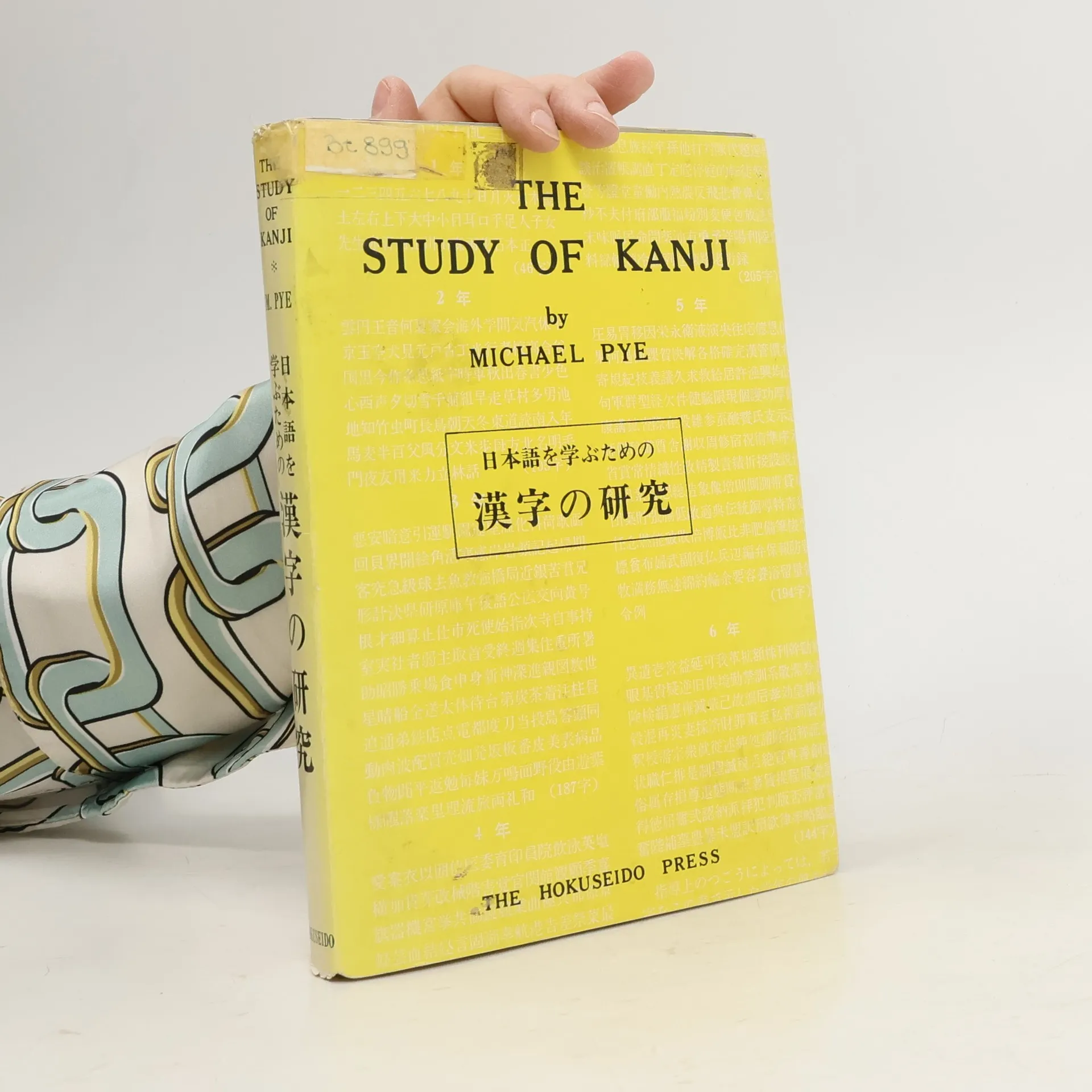
The Study of Kanji
- 305pages
- 11 heures de lecture


Michael Pye est un écrivain d'une grande polyvalence, dont les œuvres couvrent des romans, du journalisme et des enquêtes historiques. Façonné par ses études en Italie et sa première carrière en Écosse, sa prose explore les complexités de la société et de l'histoire avec une perspicacité aiguë. Pye possède une capacité remarquable à capturer l'essence des lieux et des cultures, explorant les nuances de l'expérience humaine avec une voix distinctive. Son écriture offre aux lecteurs une exploration riche et captivante des mondes qu'il crée.

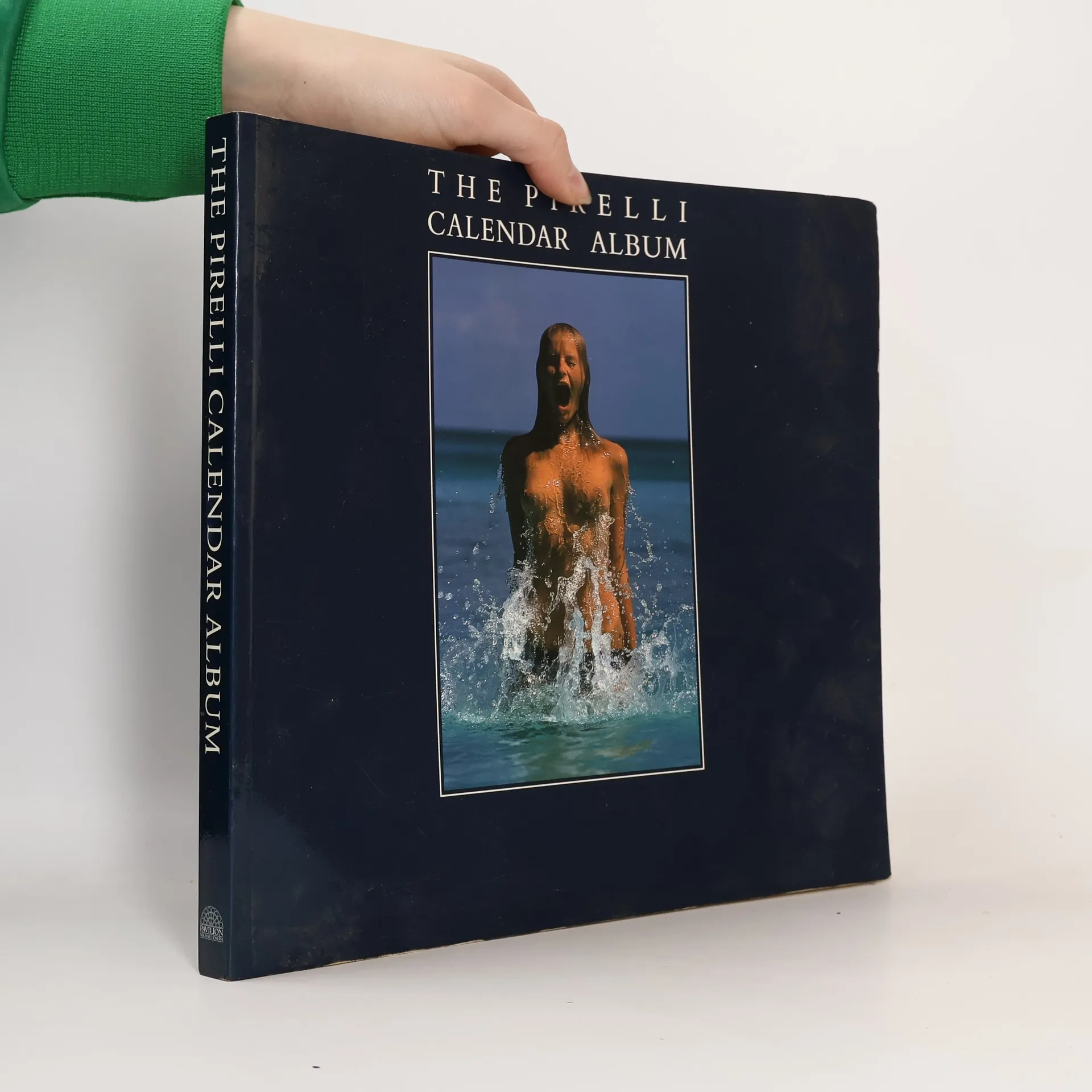
Over a period of twenty-five years the Pirelli calendars have shaken the media world with their audacity, innovation and spectacular imagery. The Calendar was very much a product of the cultural revolution which inspired a new sensuality, a new appreciation of the female form and, above all, an urgent need to break taboos. Each year the Pirelli calendar with its 12 leaves were and still are eagerly awaited.
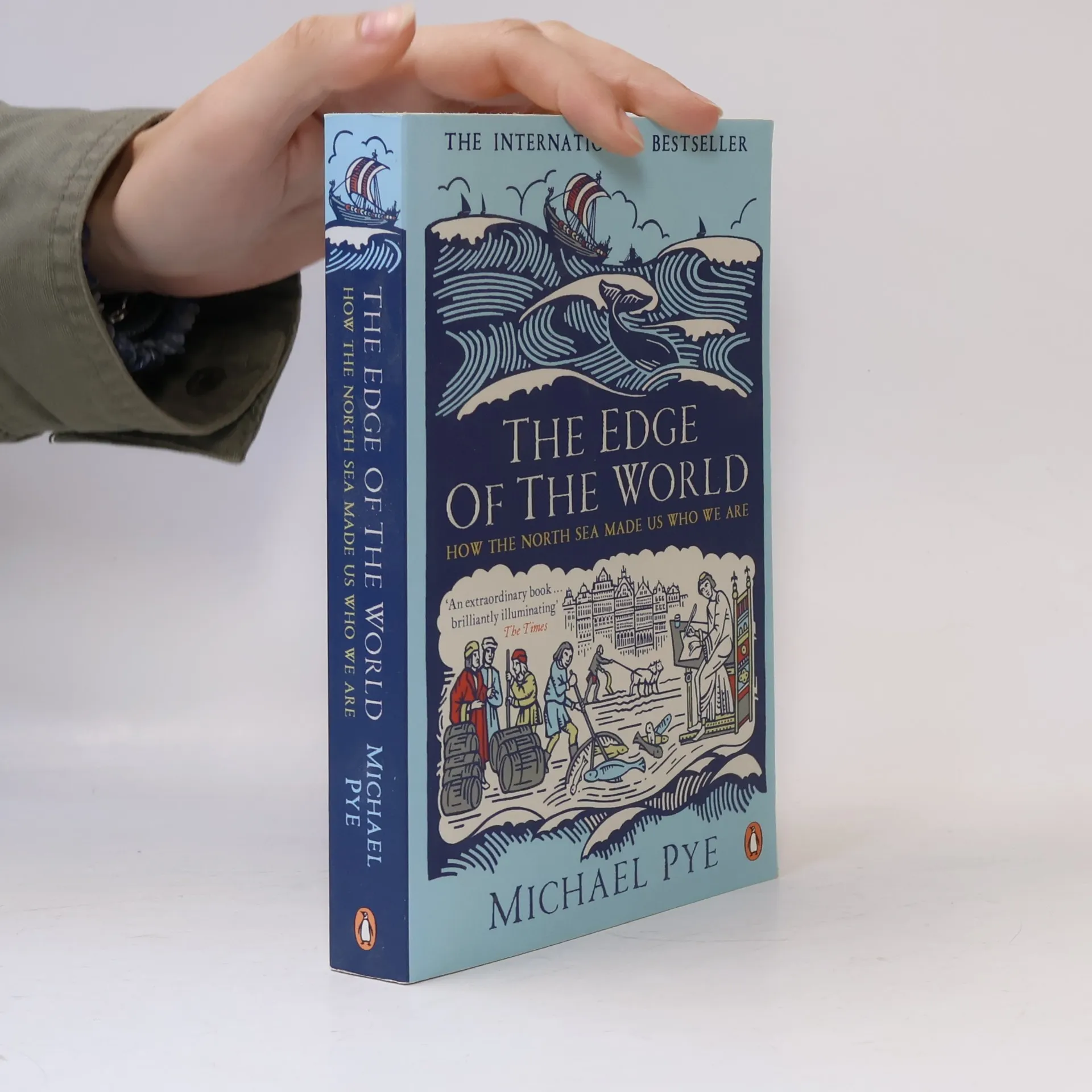
Michael Pye's 'The Edge of the World' is an epic adventure: from the Vikings to the Enlightenment, from barbaric outpost to global centre, it tells the amazing story of northern Europe's transformation by sea
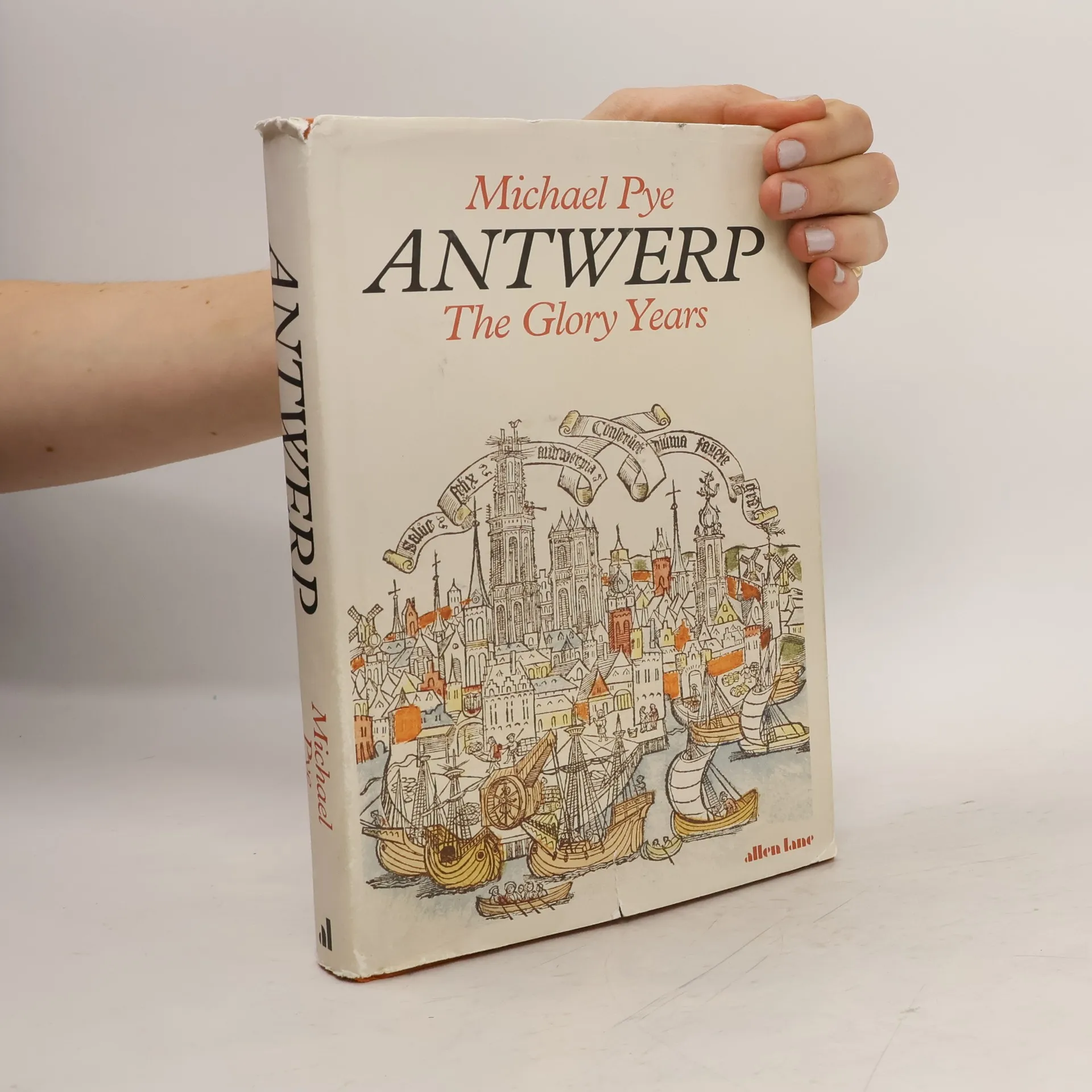
Before Amsterdam, Antwerp was a dazzling North Sea port at the center of the known world, akin to nineteenth-century Paris or twentieth-century New York. It was a place where anything could happen: killer bankers, easy kisses, and a market in secrets and heresy. For half of the sixteenth century, Antwerp was synonymous with breaking rules—religious, sexual, and intellectual. One man monopolized the city's wealth, redefining the concept of money, while another reshaped Antwerp through sheer ambition. Jews fleeing the Portuguese Inquisition found refuge there, aided by a remarkable woman leading Europe's grandest banking family. Thomas More introduced Utopia, Erasmus pondered money and exchanges, and William Tyndale sheltered and smuggled his English Bible until his execution. Pieter Bruegel depicted the city as The Tower of Babel. However, after Antwerp's rebellion against the Spanish, its glory faded, and its history was rewritten. The city that once unsettled many became conformist, with mutinous troops destroying city records. Michael Pye seeks to rediscover this lost Antwerp, using clues from novels, paintings, songs, letters, and archives from Venice, London, and the Medici. He paints a picture of a city marked by fire, plague, and violence, yet learning to assert its power in a post-feudal world, revealing Antwerp as the proud 'exception' in Europe.
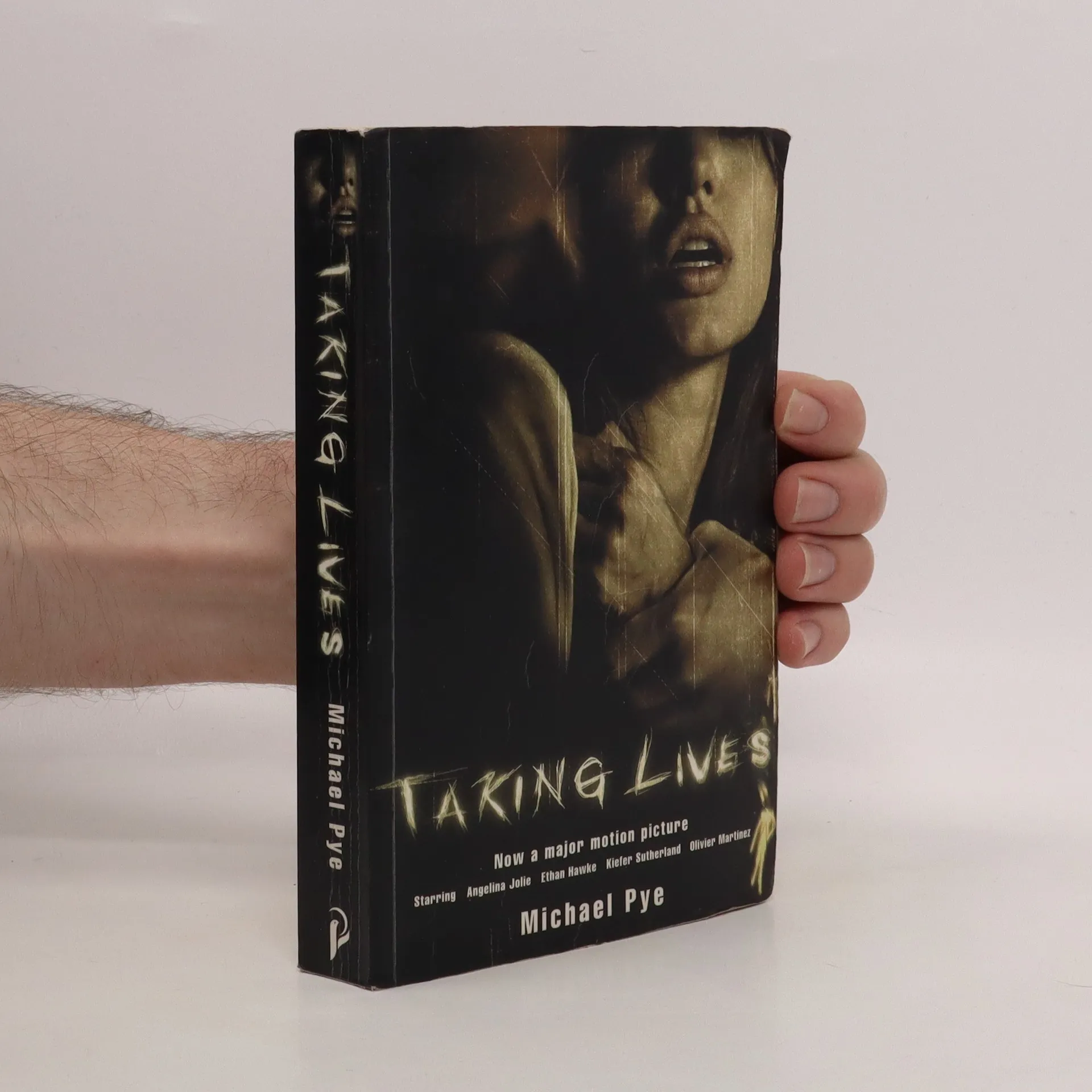
The film tie-in edition of this compelling thriller
The collection features significant translations from various Buddhist texts, primarily reflecting Zen and Shin traditions within early Mahayana Buddhism. These texts, often overlooked in earlier publications, are now assembled to highlight their interconnections and enduring relevance. By bringing together works from Sanskrit, Chinese, and Japanese origins, this volume offers a unique perspective on the diverse yet related Buddhist traditions, making it an essential resource for students and scholars in Buddhist studies.
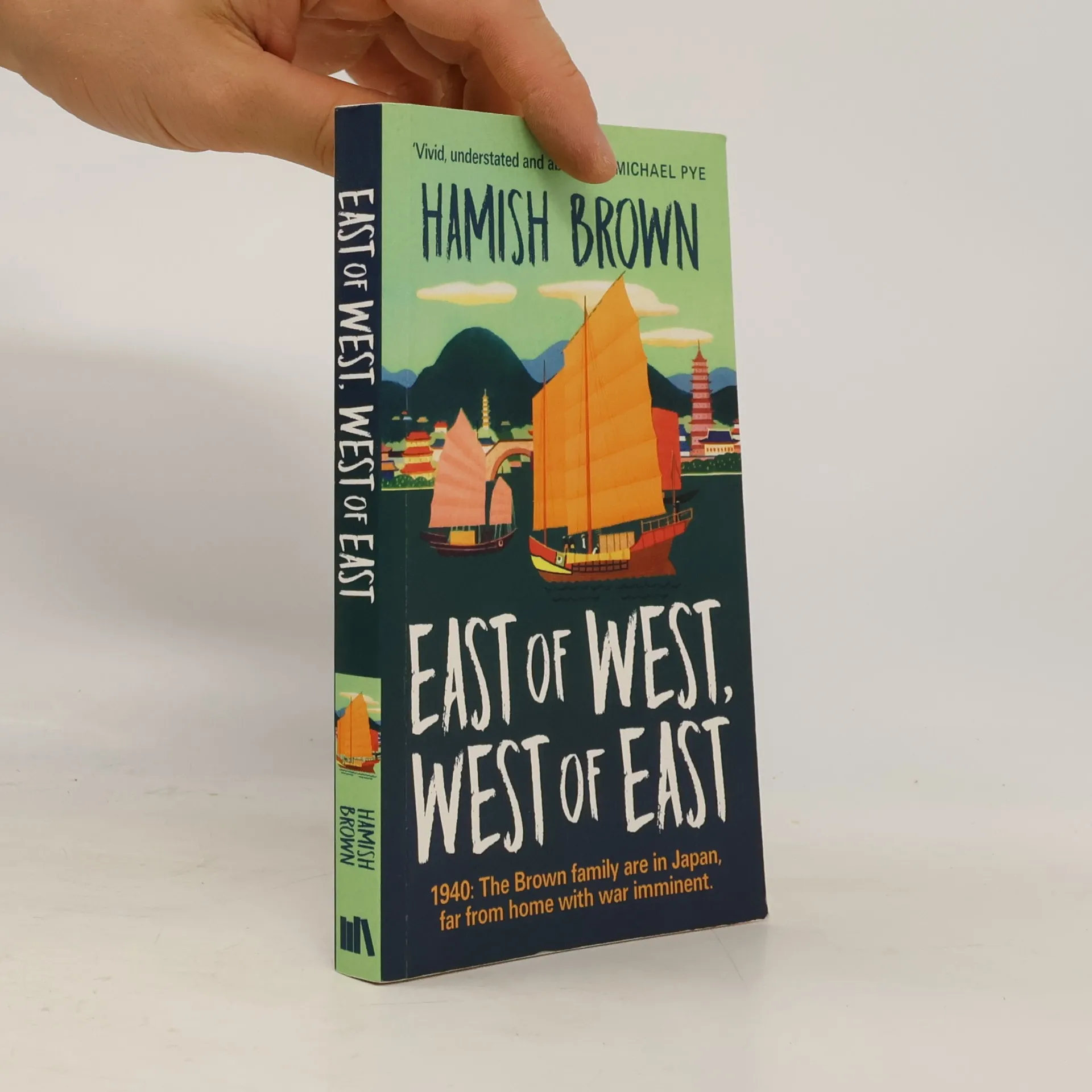
This extraordinary book tells the story of a remarkable family caught in Japan at the outbreak of the Second World War in the Pacific.
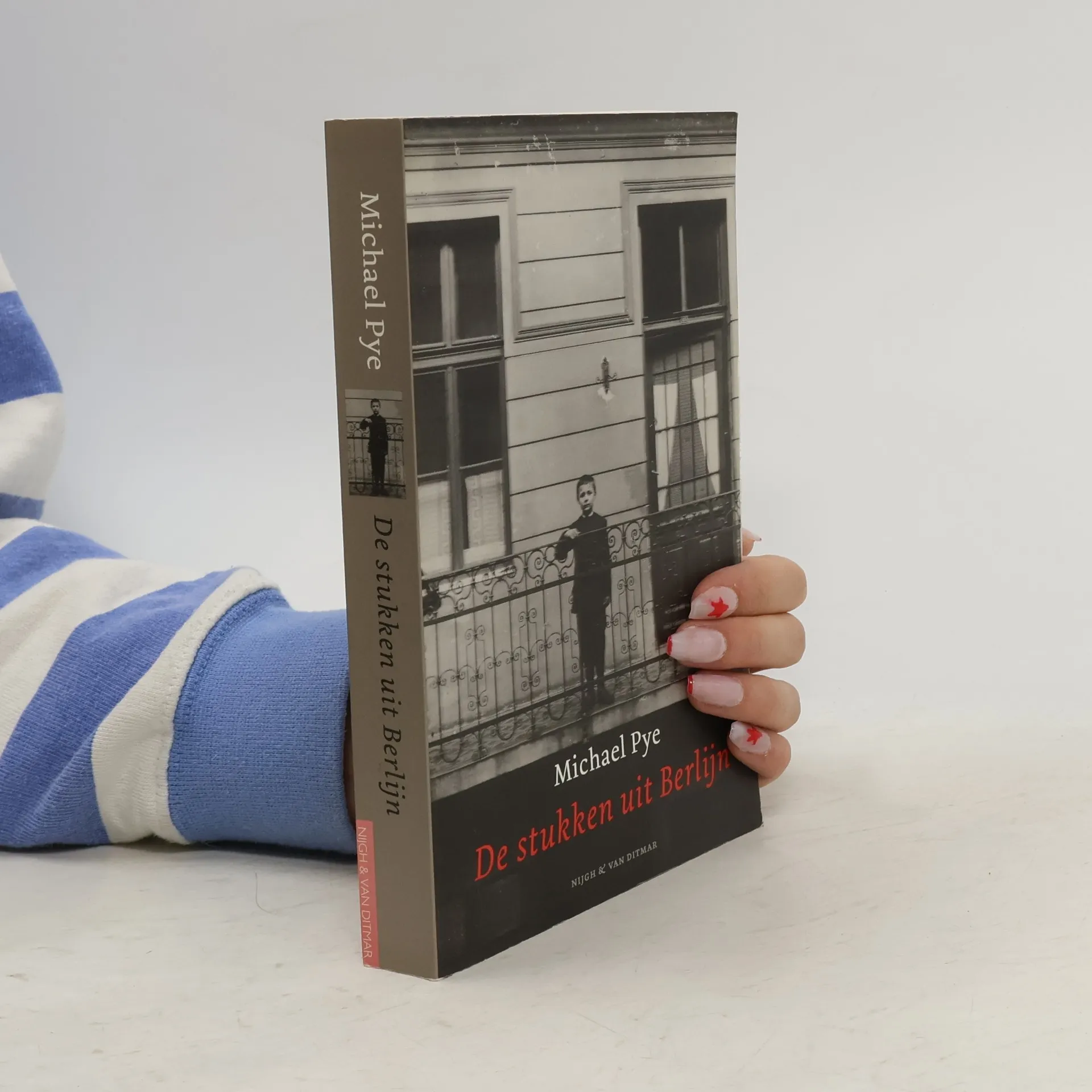
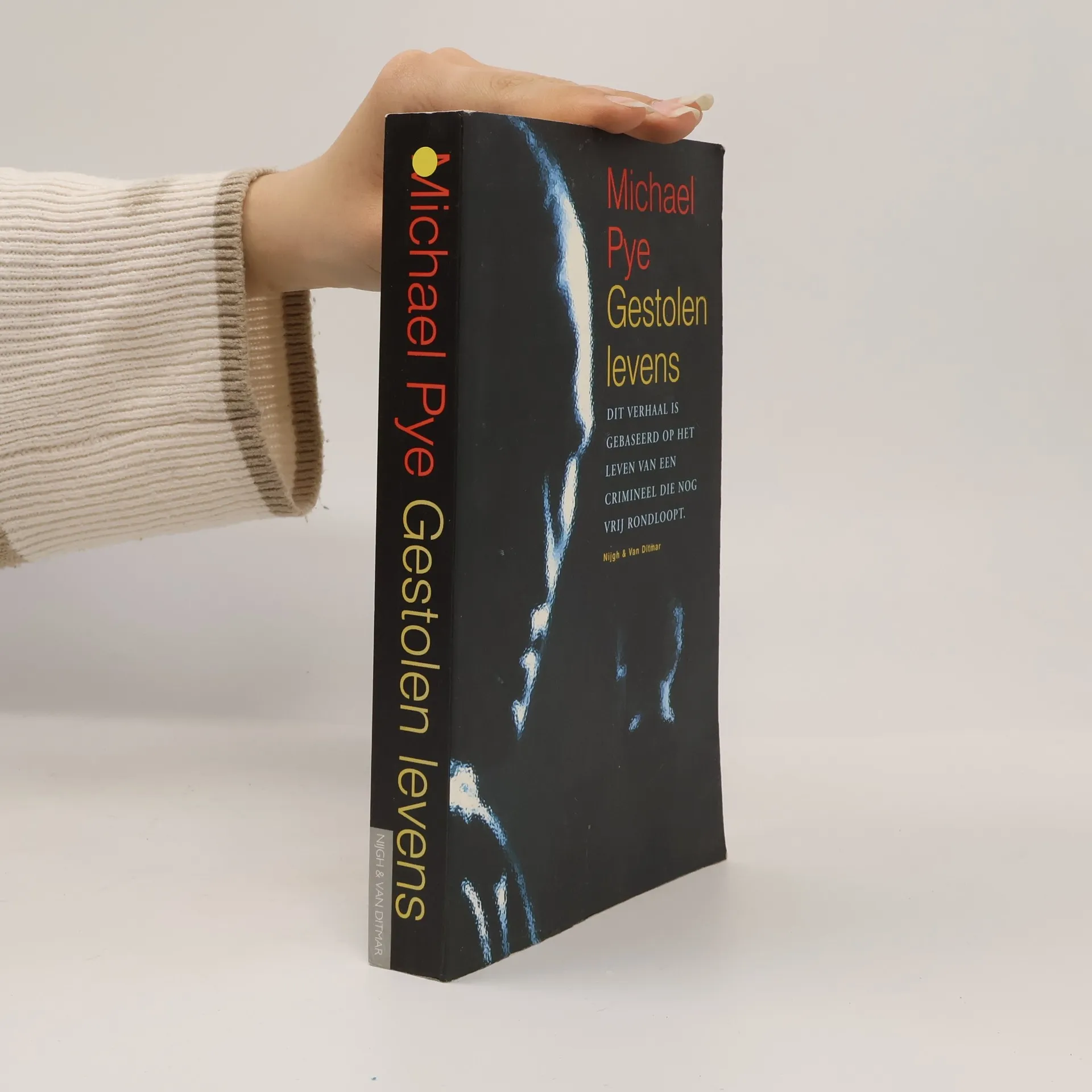
Tijdens een diner in Berlijn ontmoette ik het kwaad. Een journalist vertelde me het verhaal van een vooraanstaande vrouw die in antiek handelde. In 1944 reed ze van het verwoeste Berlijn naar Zürich met zeven vrachtwagens vol spullen die ze van haar joodse vrienden had gestolen. Deze vrienden waren vermoord. Daar had ze wel voor gezorgd. Ze werd uiteindelijk alleen veroordeeld wegens misleiding van de douane aan de Zwitserse grens. Ze overleed, heel oud, fatsoenlijk en stinkend rijk, in haar villa aan een meer. In De stukken van Berlijn maakt u kennis met Lucia Müller-Rossi - ooit de intelligente dochter van een bankier in Milaan, vervolgens een keurige huisvrouw, daarna een courtisane in het Berlijn van de Tweede Wereldoorlog, misdadigster, en dan, na de oorlog, handelaar in prachtige antieke voorwerpen, bekend en gerespecteerd. Totdat Sarah Freeman, een oude bekende van Lucia, tot haar afschuw in de etalage van Lucia's winkel haar eigen ebbenhouten tafel ziet. De oorlogsbuit rakelt het verleden op. Lucia's zoon Nicholas moet zijn kindertijd opnieuw beleven en kan niet langer een stille getuige zijn. Kleindochter Helen betaalt een hoge prijs voor de openbaring van de leugen. Aan vijftig jaar beleefd zwijgen komt een eind.
Gretje è sola nella sua casa a Nuova Amsterdam, l'ammasso di baracche e fango che diventerà New York: il cadavere del marito, Anthony il Turco, giace in cortile fra il ghiaccio. La donna vive sola con Tomas, un giovane muto, e Pieter, uno strano ragazzino spuntato dal nulla, che le strappa il racconto del suo passato: mendicante e poi domestica ad Amsterdam, è finita a fare la prostituta, dopo aver avuto a quindici anni una figlia da un giovane marinaio, Anthony il Turco, e averla abbandonata in un orfanotrofio. Arrivata nelle Indie Occidentali, a Nuova Amsterdam, si è costruita con coraggio e tenacia una vita quasi comoda. Ha ritrovato Anthony il Turco, avuto un'altra bambina, ma il marito è ora morto e molti vorrebbero addossargliene la colpa.
Michael Pye untersucht die vielfältige religiöse Landschaft Japans von den archäologischen Anfängen bis zur modernen Gegenwart. Er beleuchtet die Wechselwirkungen zwischen Shinto und Buddhismus sowie deren Einfluss auf Kultur und Politik, und bietet eine zugängliche Darstellung der japanischen Religionsgeschichte.
Michael Pye war bis zu seiner Emeritierung 2004 Professor für Religionswissenschaft an der Philipps-Universität Marburg mit Schwerpunkt asiatische Religionen, insbesondere Buddhismus in Japan. Von 2005 bis 2008 Gastprofessor an der Otani-Universität in Kyoto. Dr. Katja Triplett ist Kustodin der Religionskundlichen Sammlung in Marburg und arbeitet ebenfalls auf dem Gebiet der Religionen Asiens.
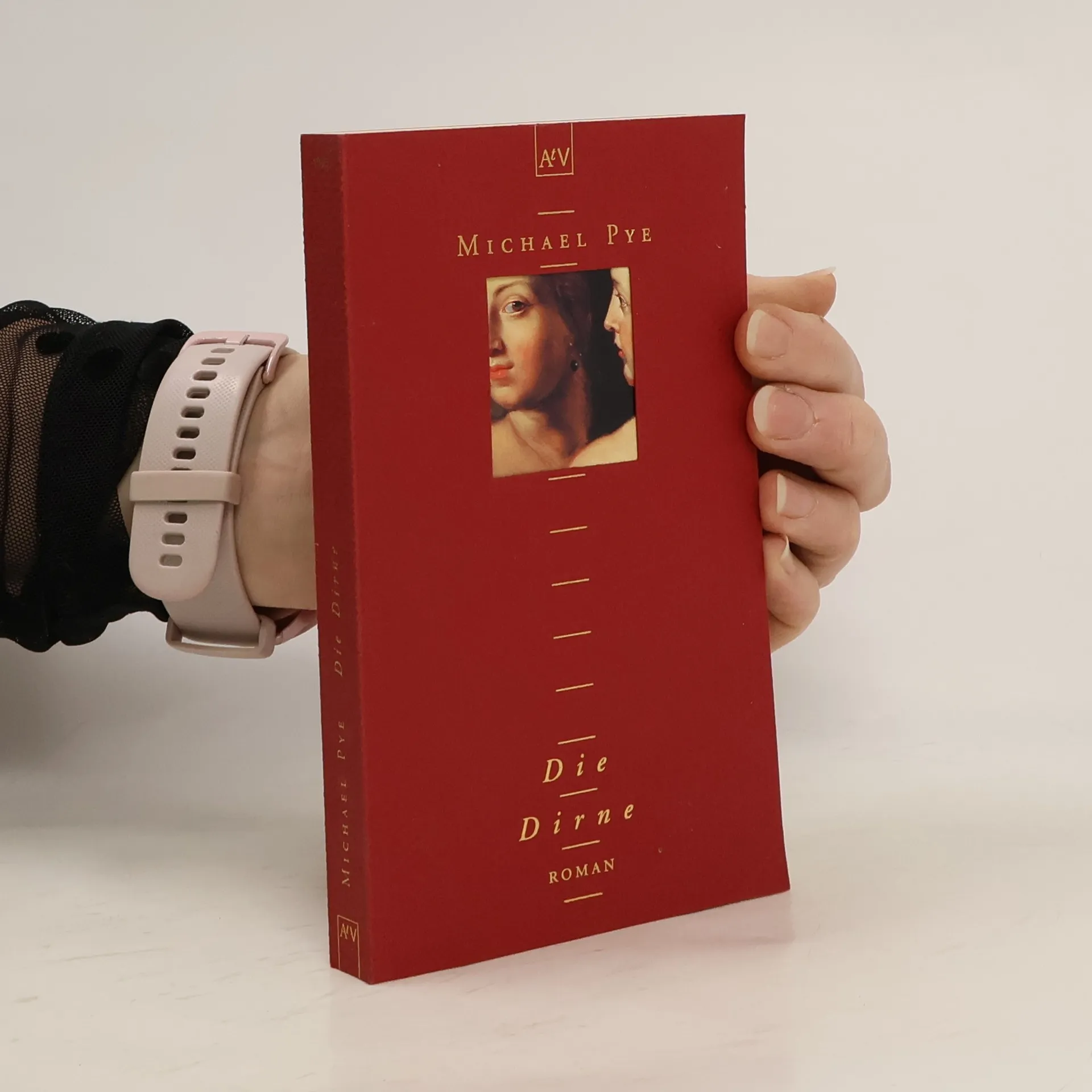
Winter 1640: New York heißt noch Neu Amsterdam und ist nichts weiter als eine kleine holländische Kolonie. Der Boden ist so hartgefroren, daß die Toten nicht mehr beerdigt werden können. Der Hudson River ist weit bis in die See zugefroren, kein Schiff kann den Hafen anlaufen oder verlassen. Die Lebensmittel werden knapp, und wer Geld hat, versorgt sich auf dem Schwarzmarkt. Gretje Reyniers, mit ihrem Mann Antony aus Amsterdam nach New York gekommen, wird stadtbekannt als Dirne, Geldverleiherin und Pelzhändlerin. Als eines Tages ein merkwürdiger Junge auftaucht und von der Stadtverwaltung bei ihr einquartiert wird, holt ihre Vergangenheit sie ein. Zunächst widerwillig beginnt sie, ihm ihre Geschichte zu erzählen...
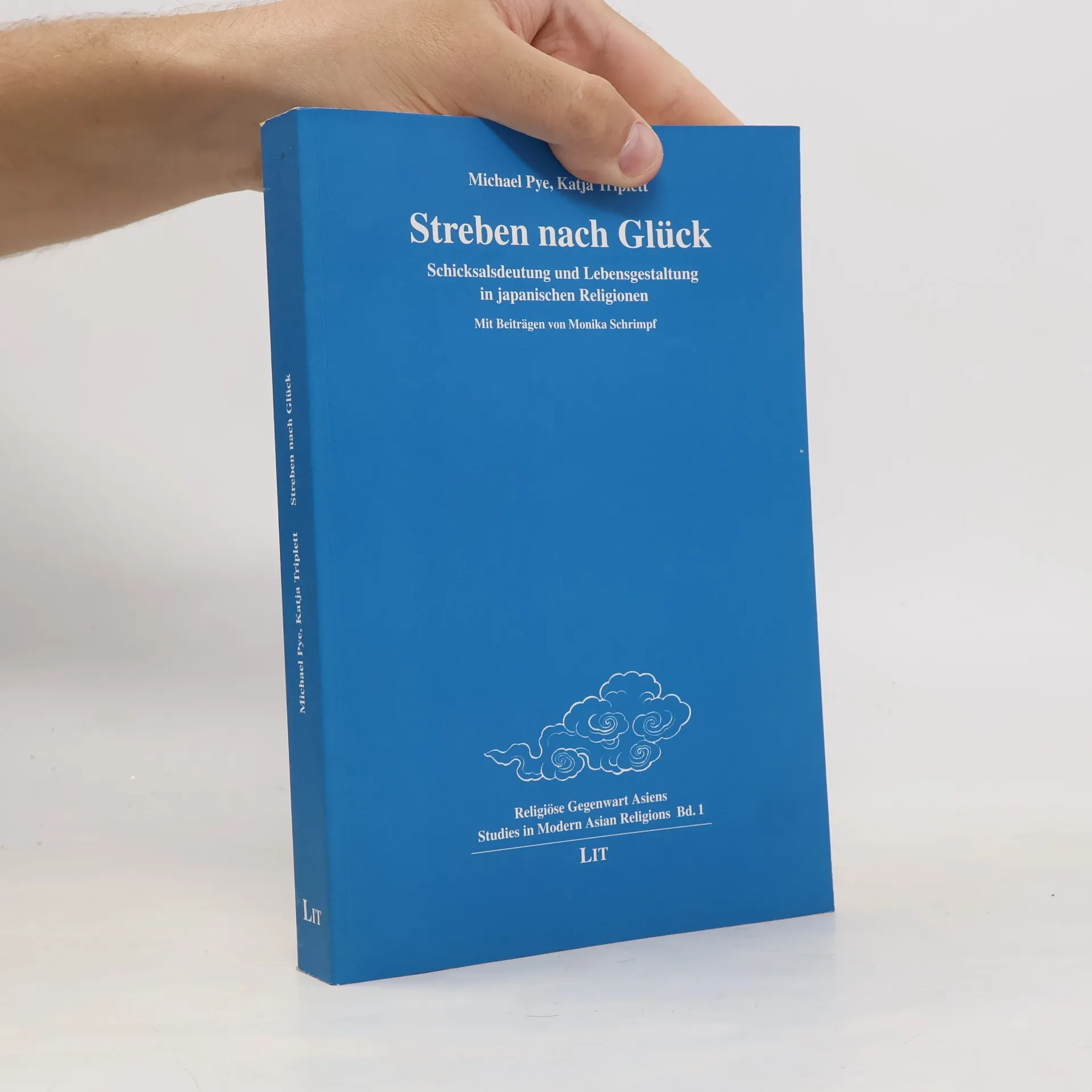
Schicksalsdeutung und Lebensgestaltung in japanischen Religionen
Im gegenwärtigen Japan versucht man auf vielfältige Weise, „schicksalhafte“ Situationen rituell zu beeinflußen und sein Leben günstig zu gestalten. Die religionswissenschaftliche Untersuchung von Ritualen der Schicksalsdeutung und Lebensgestaltung verdeutlicht, daß sie in der Tat bedeutende Momente in den japanischen Religionen darstellen, und daß ein zusammenhängendes Weltbild sie dynamisch miteinander verbindet. Die Autoren führen Beispiele geläufiger Vorstellungen und Praktiken der religiösen Alltagskultur an wie Divinationstechniken und die Verwendung von Amuletten und Talismanen.