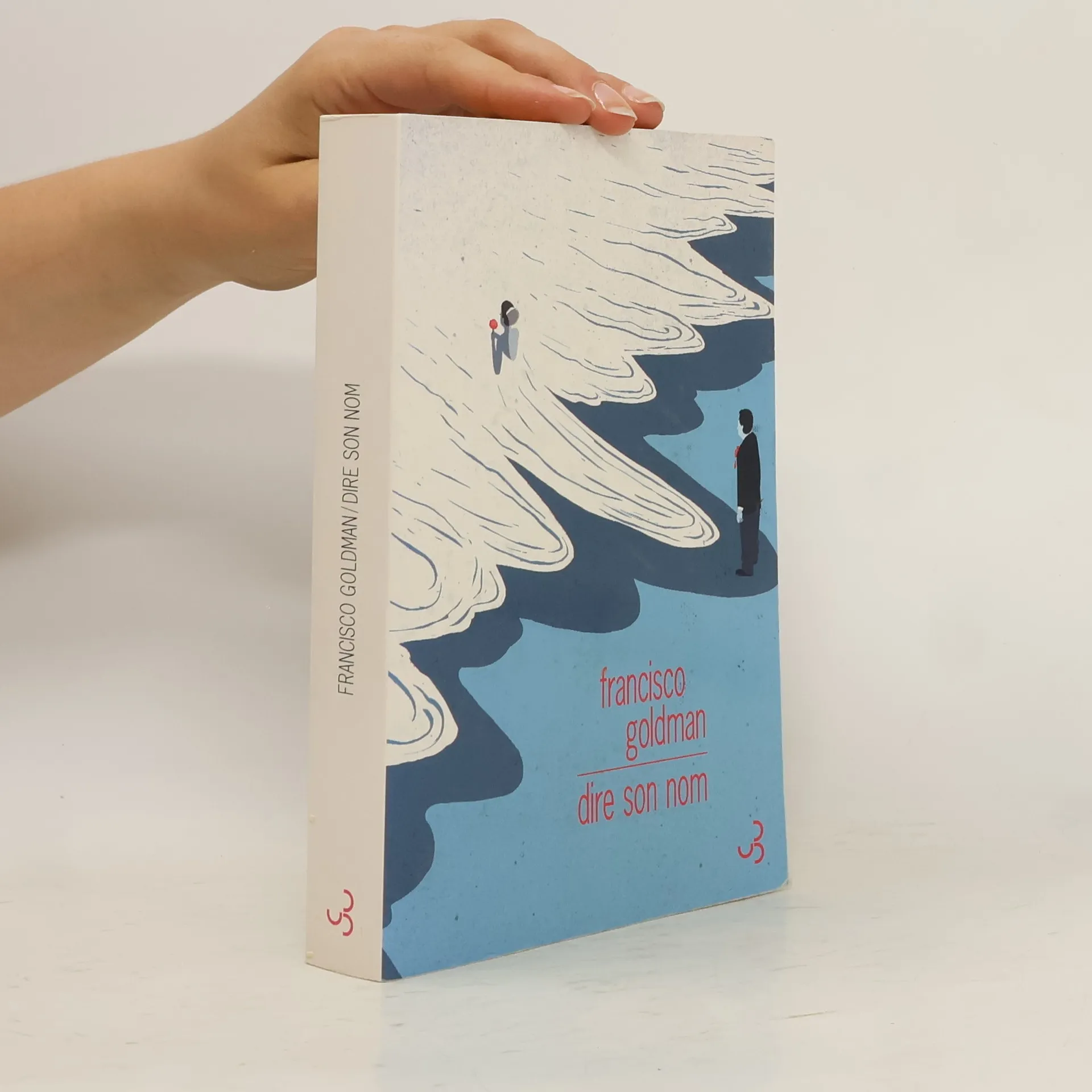
En 2005, le romancier Francisco Goldman épouse au Mexique la jeune et brillante Aura Estrada, qui se destine elle aussi à devenir écrivain. Un mois avant leur second anniversaire de mariage, Aura se brise la nuque en faisant du bodysurf sur la côte mexicaine. Francisco, tenu pour responsable de l’accident par la famille d’Aura est rongé par la culpabilité et le chagrin. Il commence à écrire Dire son nom, un roman qui se présente comme la chronique de son amour pour Aura et de cette perte insurmontable. Désireux de garder vivant son souvenir, Francisco rassemble tout ce qui a un rapport avec elle. De son enfance et ses études à Mexico entourée d’une mère qui lui est dévouée corps et âme, jusqu’à son arrivée à l’Université de Columbia, en passant par leurs premiers moments de couple à New York, ou en voyage au Mexique et en Europe, Francisco Goldman cherche l’essence d’Aura. Il nous fait découvrir l’attachante singularité de leur couple et, ce faisant, il redonne vie à Aura, une jeune femme pleine d’esprit et d’énergie, lumineuse et exubérante. Avec toute l’empathie qui emplit ce roman, Francisco Goldman a su créer avec humour le portrait vivant d’un amour aussi joyeux et léger qu’il est profond et intense.
Francisco Goldman Livres
Francisco Goldman est un romancier et journaliste américain dont les œuvres explorent les thèmes complexes de l'identité et de la collision culturelle. Son écriture est marquée par une profonde compréhension de l'expérience humaine, explorant souvent les tensions entre différents mondes et héritages. Les romans de Goldman se caractérisent par une prose riche et une psychologie des personnages perspicace qui captive les lecteurs. À travers ses récits, il offre une méditation réfléchie sur ce que signifie appartenir et sur la manière dont nos vies sont façonnées par la migration et les relations interculturelles.



Monkey Boy
- 336pages
- 12 heures de lecture
A novel of enormous achievement, Monkey Boy tells the tale of Francisco Goldberg, a middle-aged writer who grapples with his heritage, career, and growing up Guatemalan and Jewish in America.
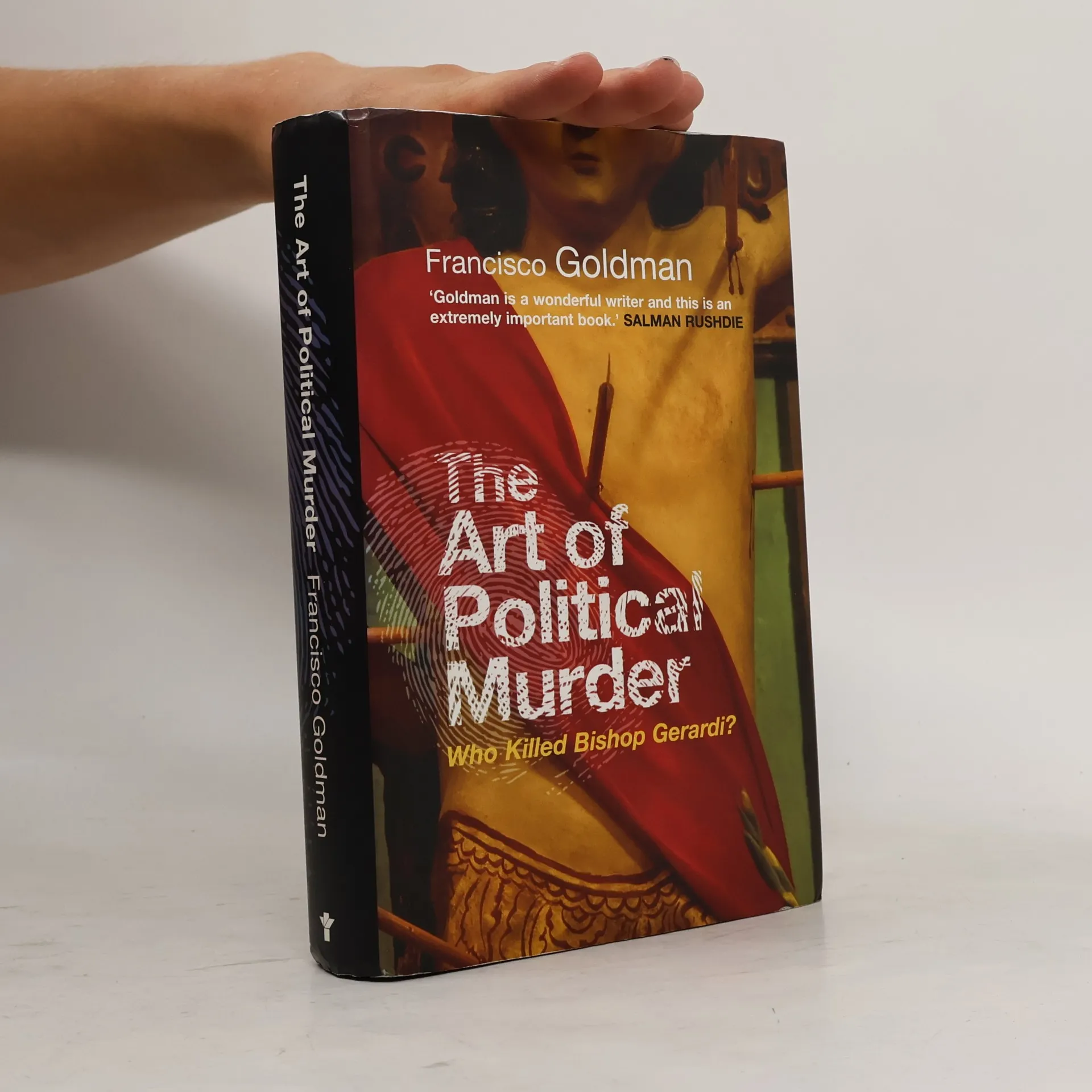
On a Sunday night in 1998, Bishop Juan Gerardi, Guatemala's leading human rights activist, was bludgeoned to death in his garage. Just two days earlier, a Church-sponsored report had implicated Guatemala's government in the murders and disappearances of some 200,000 civilians. The Church, realizing that it could not rely on the legal system to look into the bishop's murder, took the controversial decision to form an investigative team of young men who called themselves Los Intocables (the Untouchables) to find the killers.For seven years, Francisco Goldman followed Los Intocables' efforts to uncover the truth. He observed firsthand some of the most crucial developments in the case, including the killing and forced exile of witnesses, judges and lawyers. The Art of Political Murder is his mesmerising account of the investigation. In telling it, Goldman opens a window on the new Latin American reality of mara youth gangs and organized crime, and demonstrates, at the most intimate level, the difficulties of building democracy in a country awash with political corruption and criminality. Most of all, it is the story of an extraordinary group of courageous people and their fight for justice.
McSweeney's - 42: Multiples
Or Twelve Stories Appearing in Up to Six Versions Each - Eighteen Languages: English, French, Czech, Dutch, German, Hungarian, Icelandic, Italian, Korean, Latin, Polish, Portuguese, Russian, Spanish, Swedish, Turkish
- 300pages
- 11 heures de lecture
With the help of guest editor Adam Thirlwell (author of Kapow!, Visual Editions), Issue 42 is a monumental experiment in translated literature—twelve stories taken through six translators apiece, weaving into English and then back out again, gaining new twists and textures each time, just as you'd expect a Kierkegaard story brought into English by Clancy Martin and then sent into Dutch by Cees Nooteboom before being made into English again by J. M. Coetzee to do. With original texts by Kafka and Kharms and Kenji Miyazawa, and translations by Lydia Davis and David Mitchell and Zadie Smith (along with others by John Banville and Tom McCarthy and Javier Marías, and even more by Shteyngart and Eugenides and A. S. Byatt), this will be an issue unlike anything you've seen before—altered, echoing narratives in the hands of the finest writers of our time, brought to you in a book that looks like nothing else we’ve ever done.
Beacon Anthology: The Beacon Best of 2001
Great Writing by Women and Men of All Colors and Cultures
- 188pages
- 7 heures de lecture
Continuing its tradition of offering the most stimulating and eclectic collection of short fiction, creative nonfiction, and poetry, The Beacon Best returns this year with the acclaimed writer Junot Díaz as guest editor. The 2001 edition features not only celebrated wordsmiths like Ha Jin, Louise Erdrich, Francisco Goldman, Chang-rae Lee, and Zadie Smith, but also emerging new talents like T. E. Holt and Rhina P. Espaillat. This year's edition boasts deeply compassionate stories that explore the widening gap between our day-to-day experiences and what we too often read or see elsewhere. Writes Díaz in his introduction, "The freshness and originality and humanity of these writers and their work renewed me." We hope that the Beacon Best of 2001 will delight and challenge you to see the world with new eyes.Featuring the work Agha Shahid Ali Josefina Báez, Maile Chapman, Lucille Clifton, Edwidge Danticat, Cornelius Eady, Louise Erdrich, Rhina P. Espaillat, John Frazier, Dagoberto Gilb, Francisco Goldman, T. E. Holt, Ha Jin, Chang-rae Lee , Li-Young Lee, Nega Mezlekia, Ishle Park, Pedro Ponce, Patrick A. Rosal, Sonia Sanchez, Danzy Senna, Angela Shaw, Zadie Smith, James Ellis Thomas, Reetika Vaziran, Elissa Wald, Felicia Ward, and Tim Winton.
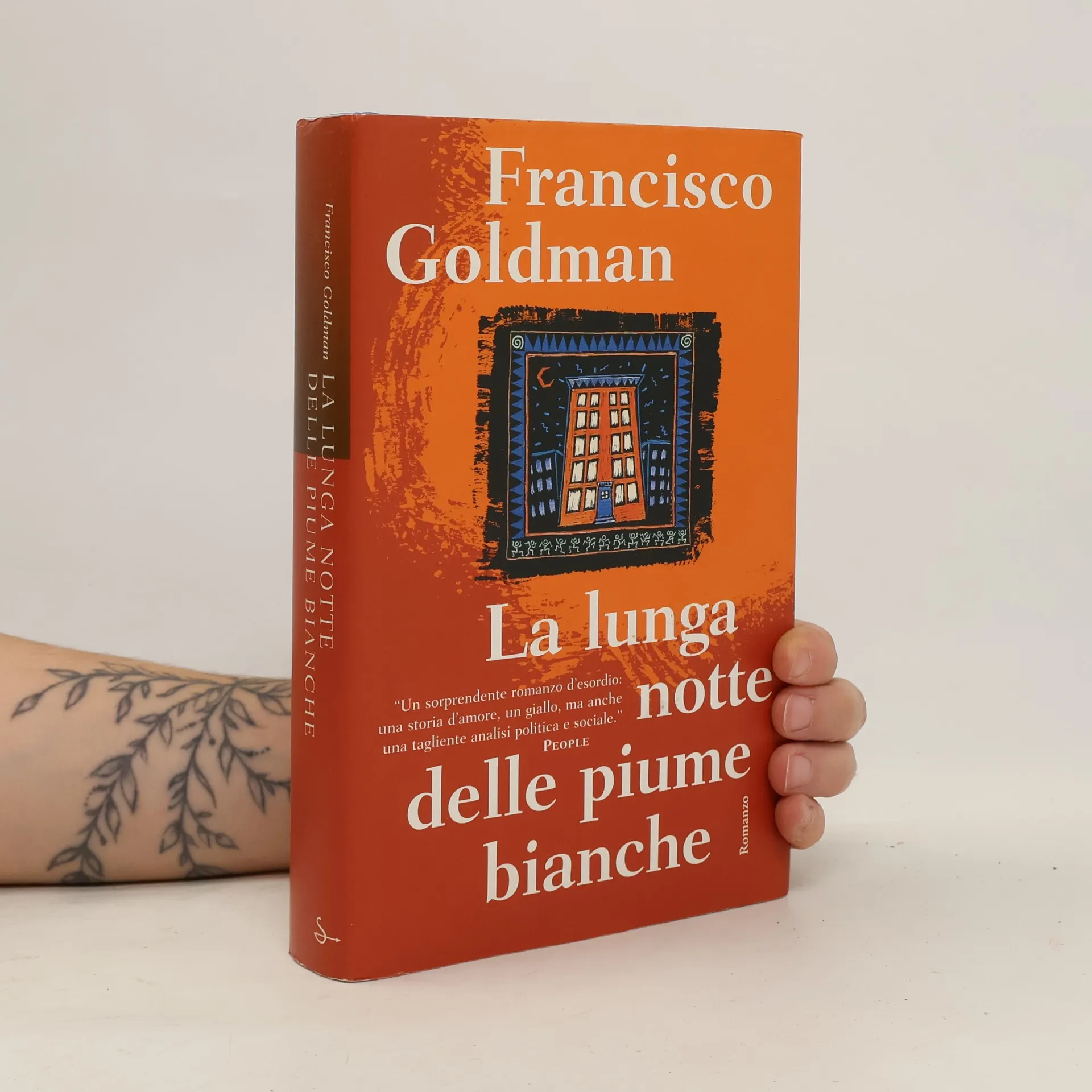
La lunga notte delle piume bianche
- 508pages
- 18 heures de lecture
Flor de Mayo è una giovane donna che vive tra due mondi: cresciuta in un orfanotrofio in Guatemala, a 13 anni viene inviata come domestica presso la famiglia americana de Graetz a Boston. Qui, il piccolo Roger la vede come una sorella maggiore, ammirandola e amandola teneramente. Flor sembra avere un futuro brillante negli Stati Uniti: dotata di grande talento, salta quattro classi e si iscrive al college. Tuttavia, decide di tornare nel suo paese d'origine, il Guatemala, per assumere la direzione di un orfanotrofio. Quando Flor viene trovata assassinata, a Città del Guatemala si diffondono voci e sospetti: era coinvolta in traffici illeciti di bambini? Si era arricchita attraverso le adozioni? Perché è dovuta morire? Roger, in cerca della verità sulla vita e sulla morte della sua amata bambinaia, intraprende un viaggio in Guatemala, dove scopre che la vita di Flor nasconde più segreti di quanto avesse mai immaginato.
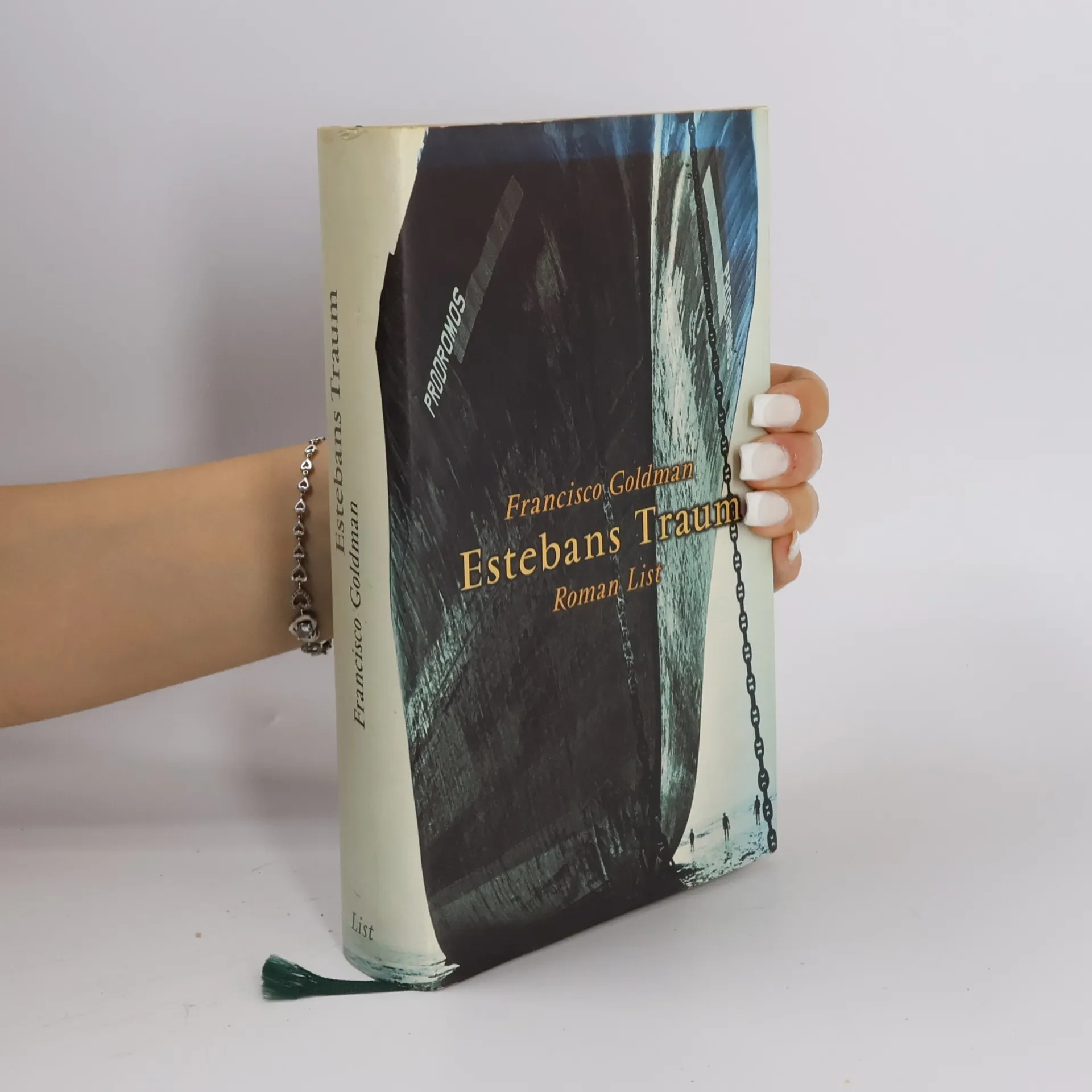
Estebans Traum
- 479pages
- 17 heures de lecture
Mit seinen 19 Jahren hat Esteban in seinem Leben nur Krieg und Armut erlebt. Sein vom Guerilla-Krieg gebeuteltes Heimatland Nicaragua hatte ihm keine Chance bieten können, im Gegenteil, es nahm ihm sogar auch noch die geliebte Freundin. Seinem Traum von einer besseren Zukunft auf der Spur, reist er ins verheißungsvolle Amerika, heuert im Hafen von Brooklyn auf einem uralten Frachtschiff an, das sich schon bald als seeuntüchtig erweist. Ohne Paß sitzt er nun auf dem Schiff fest, die glitzernde Welt von New York vor Augen. Aus dieser Situation kann er sich erst befreien, als er sich hinauswagt in die von brodelndem Leben erfüllten Straßen von Brooklyn, wo er schließlich doch noch ein kleines Stück Freiheit und Glück findet.
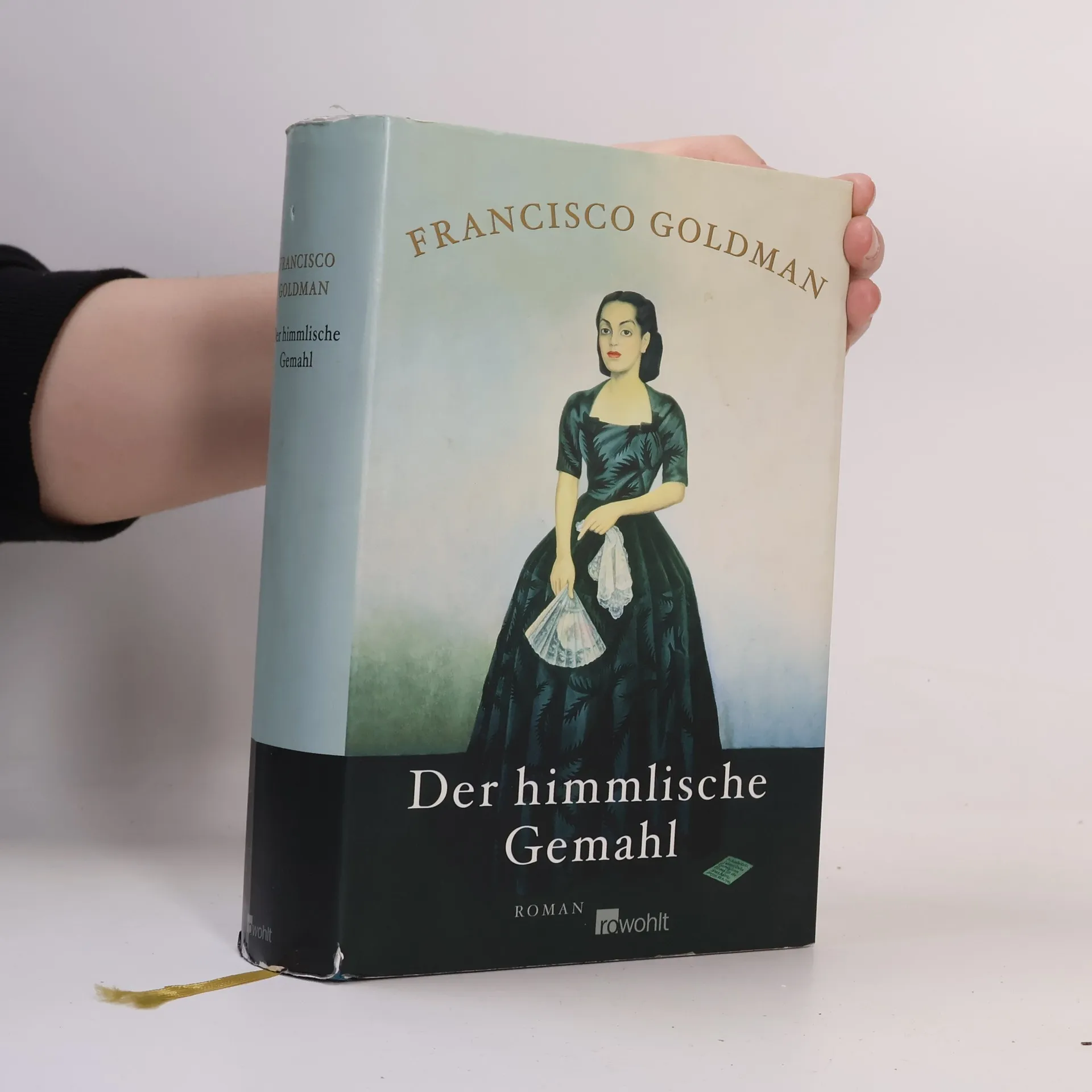
Der himmlische Gemahl
- 704pages
- 25 heures de lecture
Francisco Goldman wurde 1954 als Sohn einer guatemaltekischen Mutter und eines amerikanischen Vaters in Boston geboren. Er studierte Literaturwissenschaft an der New York University, unterrichtete an der von Gabriel Garçia Marquez gegründeten Journalismus-Schule in Cartagena in Kolumbien und lehrt am Trinity College in Hartford, Connectitut. Goldman lebt in New York und Mexico-Stadt. In Frankreich erhielt Goldman für „Sag ihren Namen“ den Prix Femina Étranger 2011. Von Publishers Weekly wurde „Sag ihren Namen“ 2011 zum Buch des Jahres gewählt. Bei Rowohlt erschien zuletzt von ihm „Die Kunst des politischen Mordes“. Robin Detje lebt als Autor und Übersetzer in Berlin. Er ist Teil der Künstlergruppe bösediva. Für seine literarischen Übersetzungen wurde er mit dem Preis der Leipziger Buchmesse und dem Preis der Heinrich Maria Ledig-Rowohlt-Stiftung ausgezeichnet.