

Upton Sinclair's story exposed the conditions in the Chicago stockyards at the turn of the nineteenth century and brought into focus the odds against which immigrants and other working people struggled. This book was championed by the then president Theodore Roosevelt, and was a catalyst to the passing of the Pure Food and Meat Inspection act.
Morris Dickstein Livres
Morris Dickstein, Professeur émérite d'anglais et de théâtre au Graduate Center de la City University of New York, offre des perspectives profondes sur la culture, la littérature et l'histoire intellectuelle américaines du XXe siècle. Son œuvre dissèque méticuleusement les liens complexes entre l'expression artistique, les changements sociétaux et les idéologies prédominantes. Par une analyse pointue et une prose captivante, Dickstein éclaire les forces formatrices qui ont façonné l'identité américaine moderne. Son approche offre aux lecteurs une riche compréhension des courants intellectuels qui ont défini une époque.
Great Film Directors
- 778pages
- 28 heures de lecture
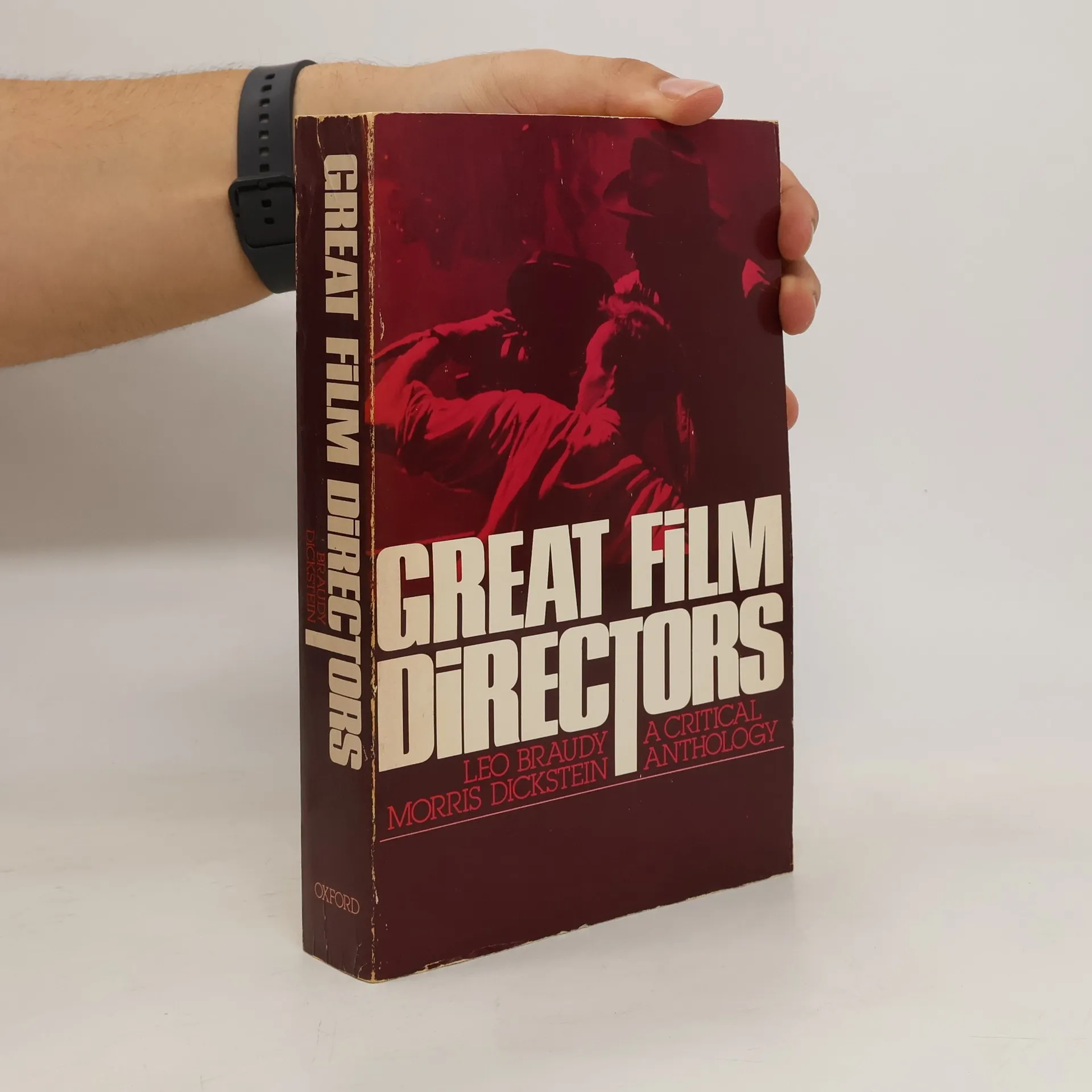
Investigates the careers and cinematic accomplishments of twenty-three great directors including Antonioni, Bergman, Capra, Chaplin, Fellini, Hitchcock, Truffaut, and Welles
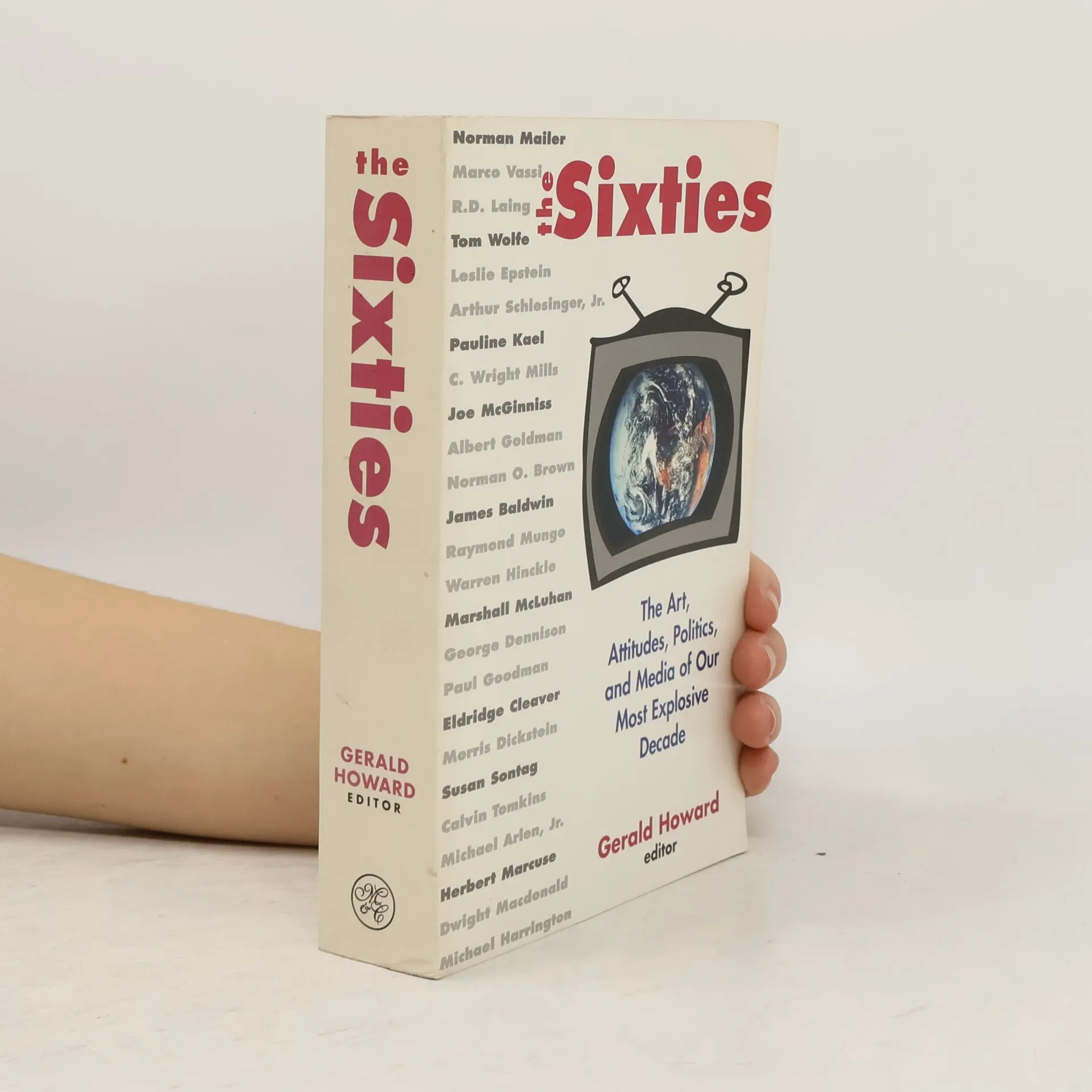
Gathers essays written during the sixties by such people as Norman Mailer, Marshall McLuhan, Tom Wolfe, Eldridge Cleaver, and others about the changes in art, politics, and the media during that decade
Gates of Eden
- 308pages
- 11 heures de lecture
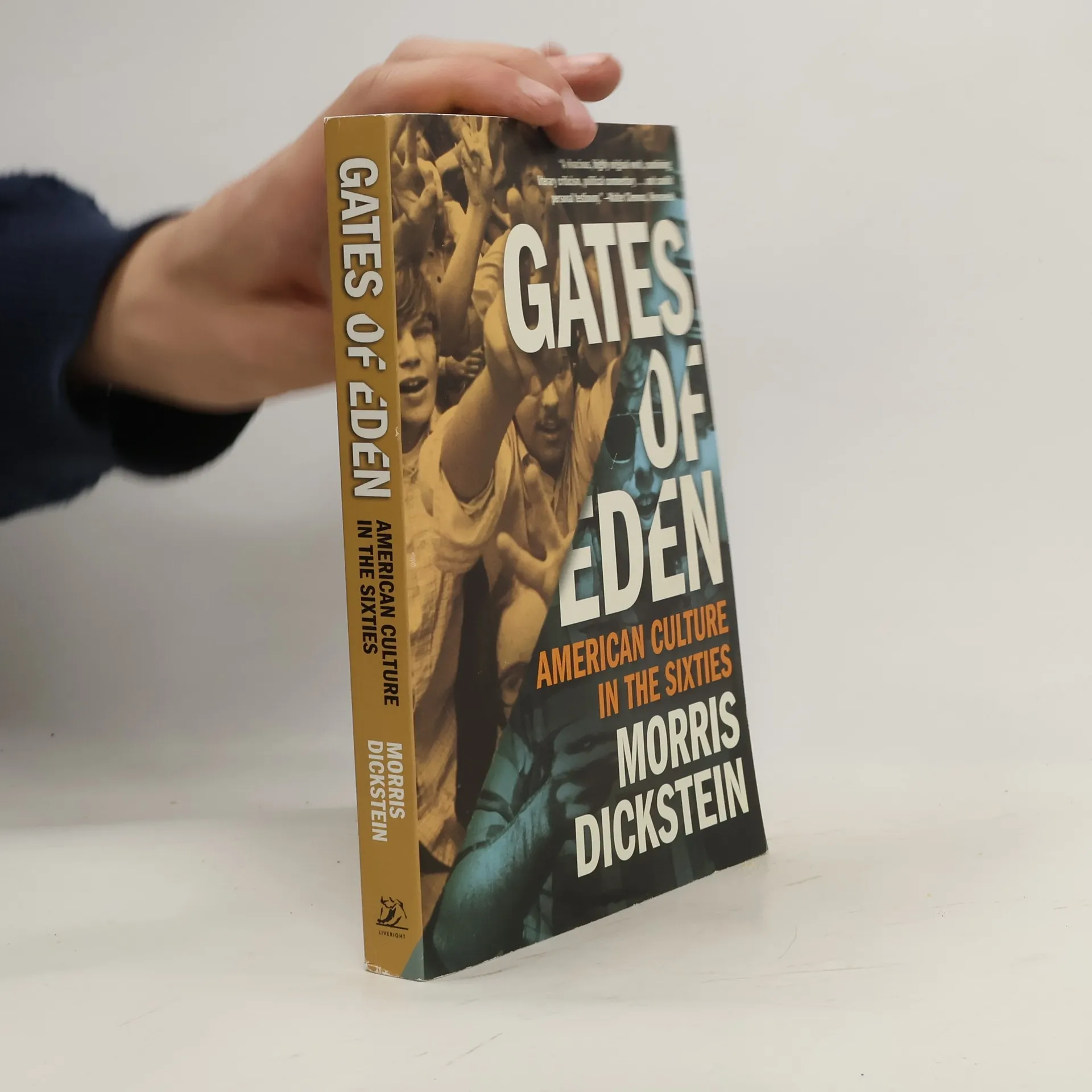
Widely admired as the definitive cultural history of the 1960s, this groundbreaking work finally reappears in a new edition. The turbulent 1960s, almost from its outset, produced a dizzying display of cultural images and ideas that were as colorful as the psychedelic T-shirts that became part of its iconography. It was not, however, until Morris Dickstein's landmark Gates of Eden, first published in 1977, that we could fully grasp the impact of this raucous decade in American history as a momentous cultural epoch in its own right, as much as Jazz Age America or Weimar Germany. From Ginsberg and Dylan to Vonnegut and Heller, this lasting work brilliantly re-creates not only the intellectual and political ferment of the decade but also its disillusionment. What results is an inestimable contribution to our understanding of twentieth-century American culture.
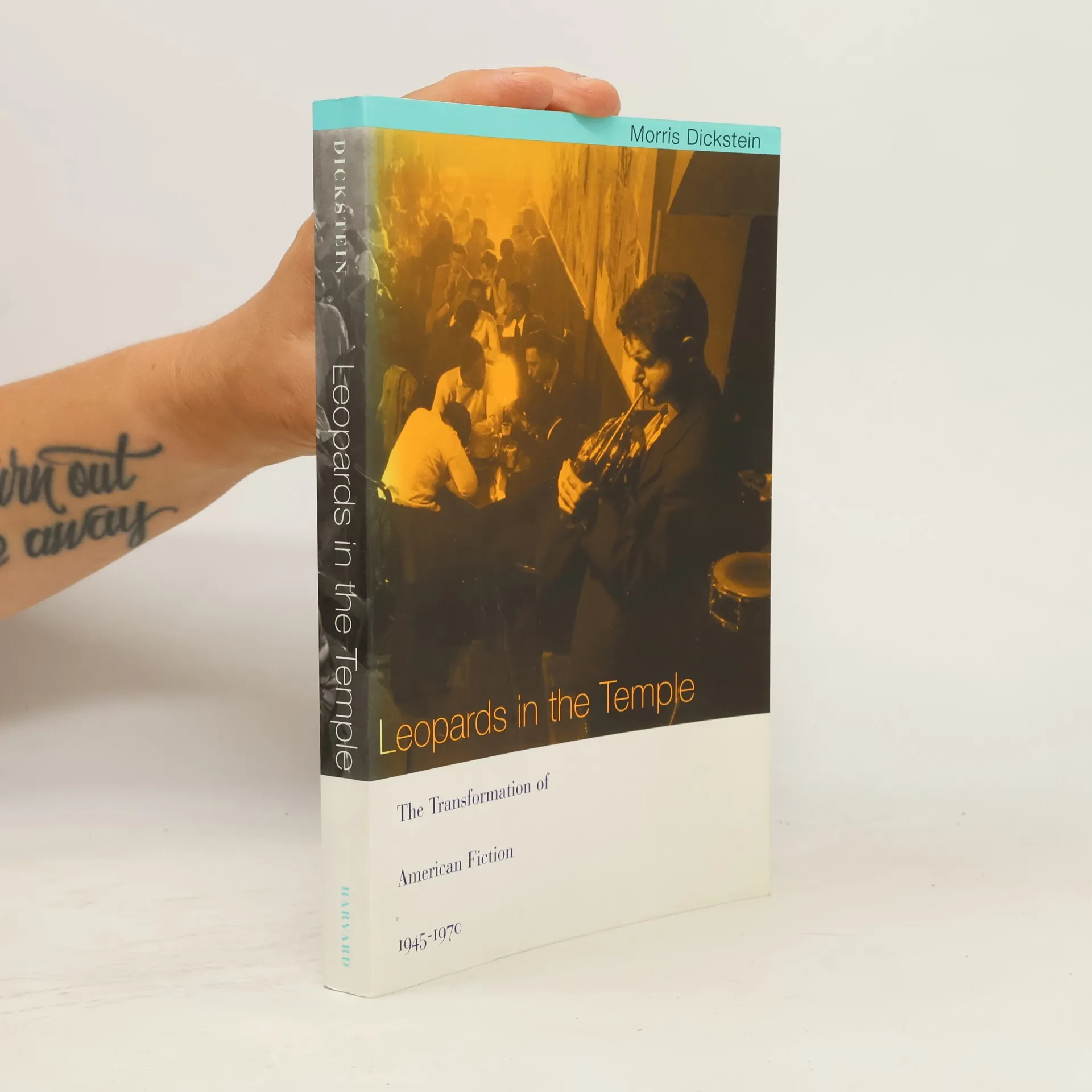
The twenty-five years after the Second World War were a lively and fertile period for the American novel and an era of momentous transformation in American society. Taking his title from the Kafka parable about the leopards who kept racing into the courtyard of the temple, disrupting the sacrifice, until they were made part of the ritual, Morris Dickstein shows how a daring band of outsiders reshaped the American novel and went on to dominate American fiction for the rest of the century.In fluid prose, offering a social as well as a literary history, Dickstein provides a wide-ranging and frank reassessment of more than twenty key figures―including Jewish writers like Norman Mailer, Saul Bellow, and Philip Roth; African-Americans such as Ralph Ellison and James Baldwin; colorful emigrés like Vladimir Nabokov; and avatars of a new youth culture, including J. D. Salinger and Jack Kerouac.Disputing the received wisdom about the culture of the Cold War, Dickstein shows why artists turned inward after the war and demonstrates how the writing of the 1960s emerged from the cultural ferment of the preceding decades, including road novels, avant-garde painting, bebop, film, psychoanalysis, and social changes that continue to affect us today.