A History of Western Society for the Ap(r) European History Course
- 984pages
- 35 heures de lecture


Cette auteure explore les domaines de l'histoire et des études de genre, se concentrant sur l'examen des positions des femmes et des rôles de genre à travers diverses périodes historiques. Son approche repose sur une recherche méticuleuse et l'analyse de sources historiques pour éclairer des aspects moins connus des expériences féminines. À travers ses livres et ses publications savantes, elle contribue à une compréhension plus approfondie des dynamiques sociales et culturelles qui façonnent la société. Son travail est apprécié pour son érudition et sa capacité à relier les idées académiques à un contexte historique plus large.
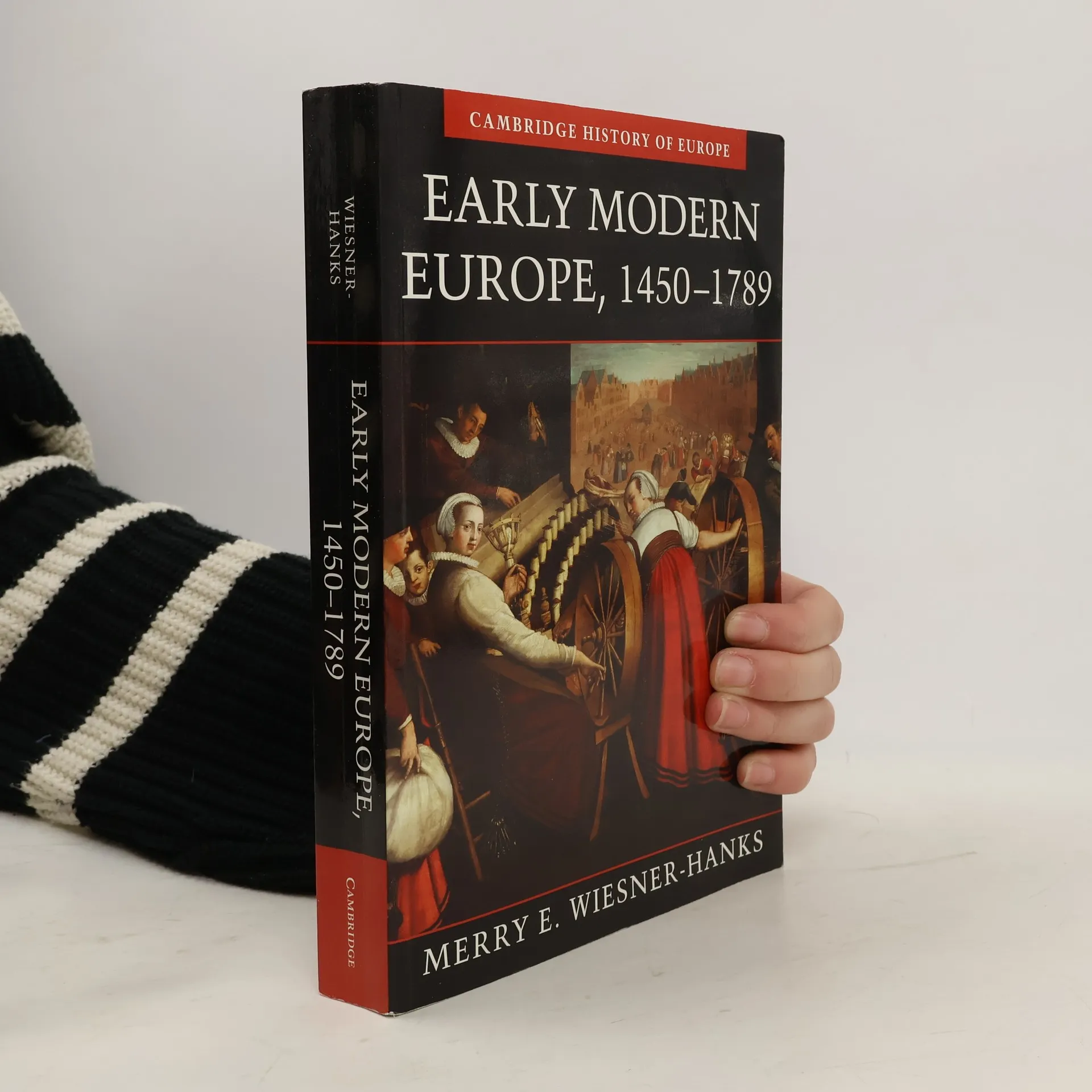

What is Early Modern History? offers a concise guide to investigations of the era from the fifteenth to eighteenth centuries and an entry-point to larger questions about how we divide and organize the past and how the discipline of history has evolved. Merry Wiesner-Hanks showcases the new research and innovative methods that have altered our understanding of this fascinating period. She examines various subfields and approaches in early modern history, and the marks of modernity that scholars have highlighted in these, from individualism to the Little Ice Age. Moving beyond Europe, she surveys the growth of the Atlantic World and global history, exploring key topics such as the Columbian Exchange, the slave trade, cultural interactions and blending, and the environment. She also considers popular and public representations of the early modern period, which are often how students – and others – first become curious. Elegantly written and passionately argued, What is Early Modern History? provides an essential invitation to the field for both students and scholars.
A History of World Societies, Value Edition, is a brief, affordable text that brings the past to life. The two-color Value Edition includes the full narrative of the comprehensive edition and select maps and images.
A concise history of the world from the Paleolithic to the present, telling the story of humans as producers and reproducers.
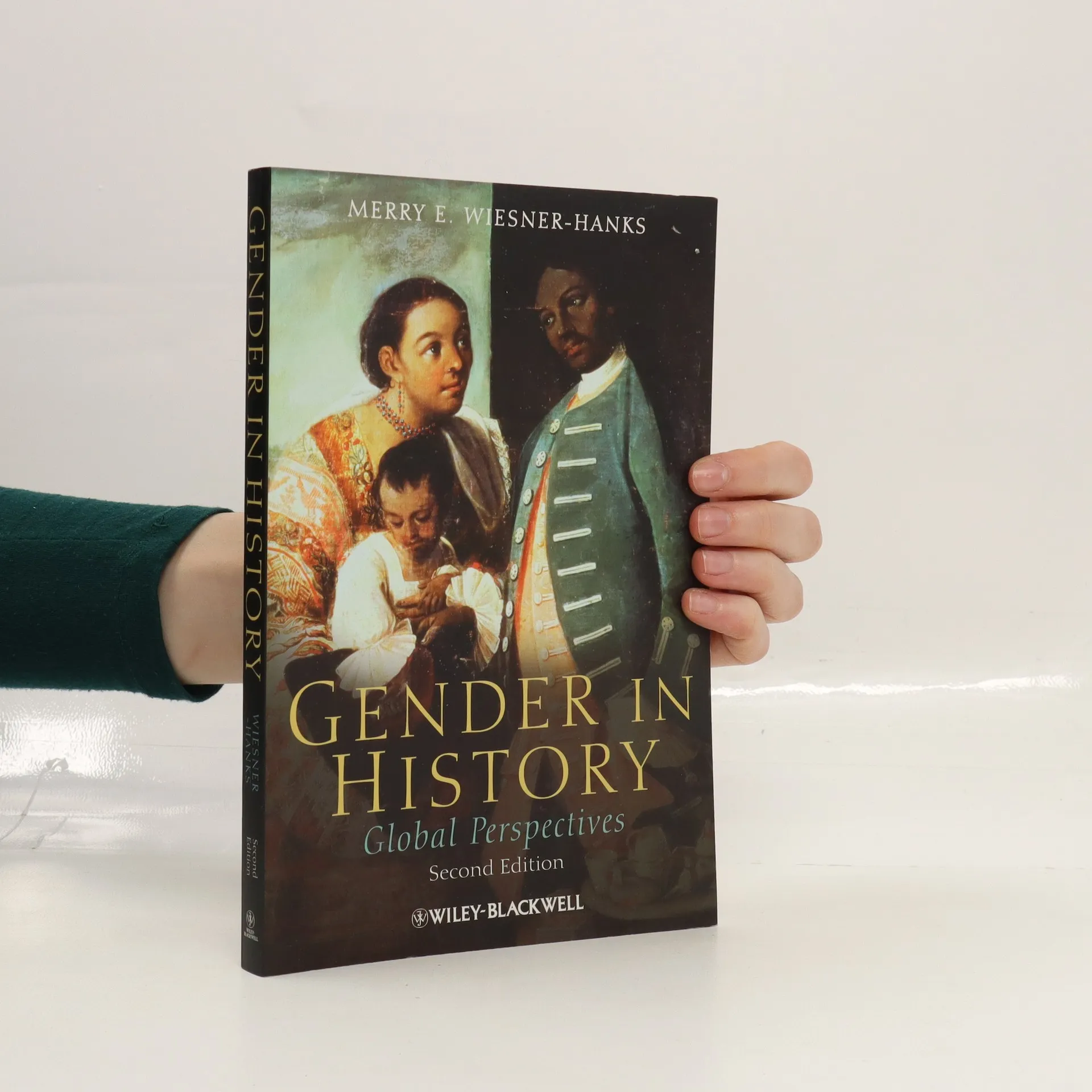
Wiesner-Hanks accomplishes a remarkable feat by reviewing the construction of gender and women's lives across all cultures throughout human history. The work is both theoretically sophisticated and accessible to students. It brilliantly explores the influence of gender constructs in political, social, economic, and cultural affairs. The extensive cultural, geographical, and chronological range of research is matched by the clarity and nuance of the analysis, offering a valuable global perspective on gender roles. Over the past two decades, gender considerations have transformed historical studies, yet many works remain limited to specific time periods or regions. This updated edition provides a concise overview of gender construction from the Paleolithic era to modern times, addressing topics such as primates, slavery, colonialism, masculinity, and transgender issues. Material is presented thematically, revealing connections between gender and structures like family, economy, law, religion, sexuality, and the state. Wiesner-Hanks investigates the historical meanings of being a man or woman and how these roles were shaped by various institutions. The chronological presentation within each chapter highlights the evolution of gender structures over time. This edition offers rich insights into gender roles throughout world history, complemented by a companion website for further exploration.
The third edition of Merry Wiesner-Hanks' prize-winning survey of women and gender in early modern Europe.
Accessible, engaging textbook offering an innovative account of people's lives in the early modern period.