

Bookbot

Mark Rowlands

    1 janvier 1962

    Mark Rowlands est un philosophe reconnu pour ses contributions importantes aux concepts de l'esprit étendu et du statut moral des animaux. Son œuvre la plus célèbre relate sa décennie unique passée à vivre et voyager avec un loup, explorant la relation complexe entre les humains et les animaux non humains. Ce récit captivant est souvent décrit comme une autobiographie d'idées, abordant la conscience, la connaissance et offrant une critique de la pensée conventionnelle sur notre place aux côtés des autres créatures. Le livre est loué pour ses aperçus captivants et son puissant examen du lien entre les espèces.

    The Philosopher At The End Of The Universe
    Animal Rights: All That Matters
    Philosopher and the Wolf
    World on Fire
    The Body in Mind
    Animals Like Us
    • Animals Like Us

      • 236pages
      • 9 heures de lecture
      4,4(60)Évaluer

      The book critiques the commodification of animals, highlighting the severe consequences of a consumerist society that prioritizes profit over ethical treatment. It presents disturbing imagery of animal suffering, from chickens on conveyor belts to dogs subjected to brutal experiments, emphasizing the disconnect between consumers and the realities behind their food. The narrative challenges readers to confront the moral implications of their choices and recognize the hidden cruelty involved in the industrial meat production process.

      Animals Like Us
    • The Body in Mind

      Understanding Cognitive Processes

      • 284pages
      • 10 heures de lecture
      4,5(4)Évaluer

      The book presents a groundbreaking perspective on cognitive processes through a radical externalist or environmentalist lens. It challenges traditional views by emphasizing the significant role of the environment in shaping cognition, suggesting that understanding thought requires examining external factors rather than solely internal mechanisms. This innovative approach invites readers to reconsider the relationship between mind and environment, offering fresh insights into how cognitive processes are influenced by external contexts.

      The Body in Mind
    • The philosopher Mark Rowlands takes a novel perspective on the problem of climate change and how to address it. With energy consumption at the core of the issue, he claims climate, extinction, and pestilence as three epoch-defining environmental issues of our time. Rowlands proposes a single solution to all three: breaking our collective habit of eating animals. Bringing to bear analytic rigor and empirical data, Rowlands argues that reversing the industrial farming of animals for our consumption will both significantly reduce energy emissions and allow for free space to aggressively reforest land being used by industrial animal farms to mitigate the effects of climate change.

      World on Fire
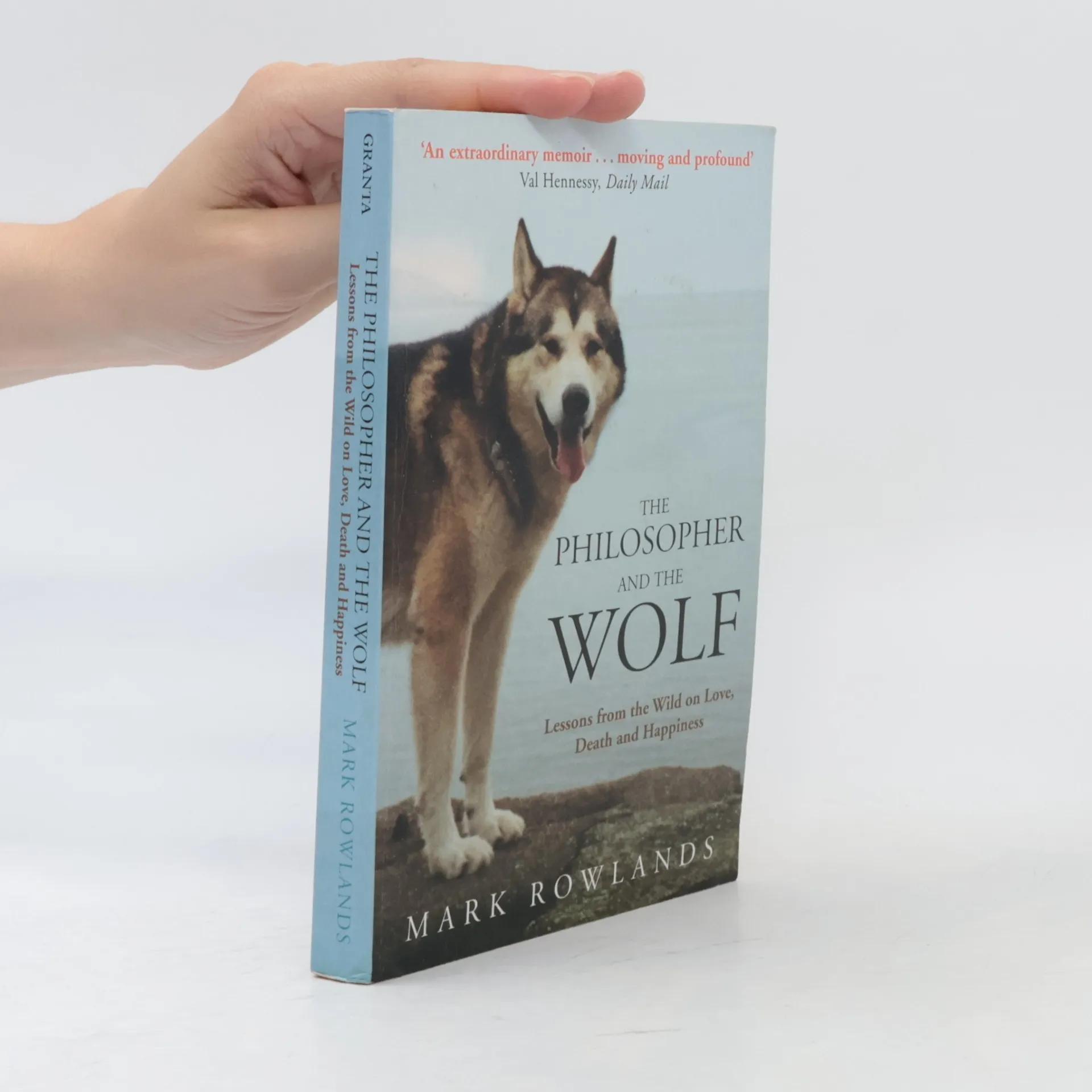
    • This fascinating book charts the relationship between Mark Rowlands, a rootless philosopher, and Brenin, his extraordinarily well-travelled wolf. More than just an exotic pet, Brenin exerted an immense influence on Rowlands as both a person, and, strangely enough, as a philosopher, leading him to re-evaluate his attitude to love, happiness, nature and death. By turns funny (what do you do when your wolf eats your air-conditioning unit?) and poignant, this life-affirming book will make you reappraise what it means to be human.

      Philosopher and the Wolf
    • Animal Rights: All That Matters

      • 147pages
      • 6 heures de lecture
      4,0(82)Évaluer

      Animal Rights is a big deal. From animal testing to vegetarianism, and hunting to preservation of fish stocks, it's a topic that's always in the news. Mark Rowlands, author of The Philosopher and the Wolf, is the world's best known philosopher of animal rights. In this, the first introduction he has written to the topic, he starts by asking whether there is anything about humans that makes us psychologically or physiologically distinctive - so that there might be a moral justification for treating animals in a different way to how we treat humans. From this foundation, he goes on to explore specific issues of eating animals, experimentation, pets, hunting, zoos, predation and engineering animals. He ends with a challenging argument of how an improved understanding of animal ethics can and should affect readers' choices.

      Animal Rights: All That Matters
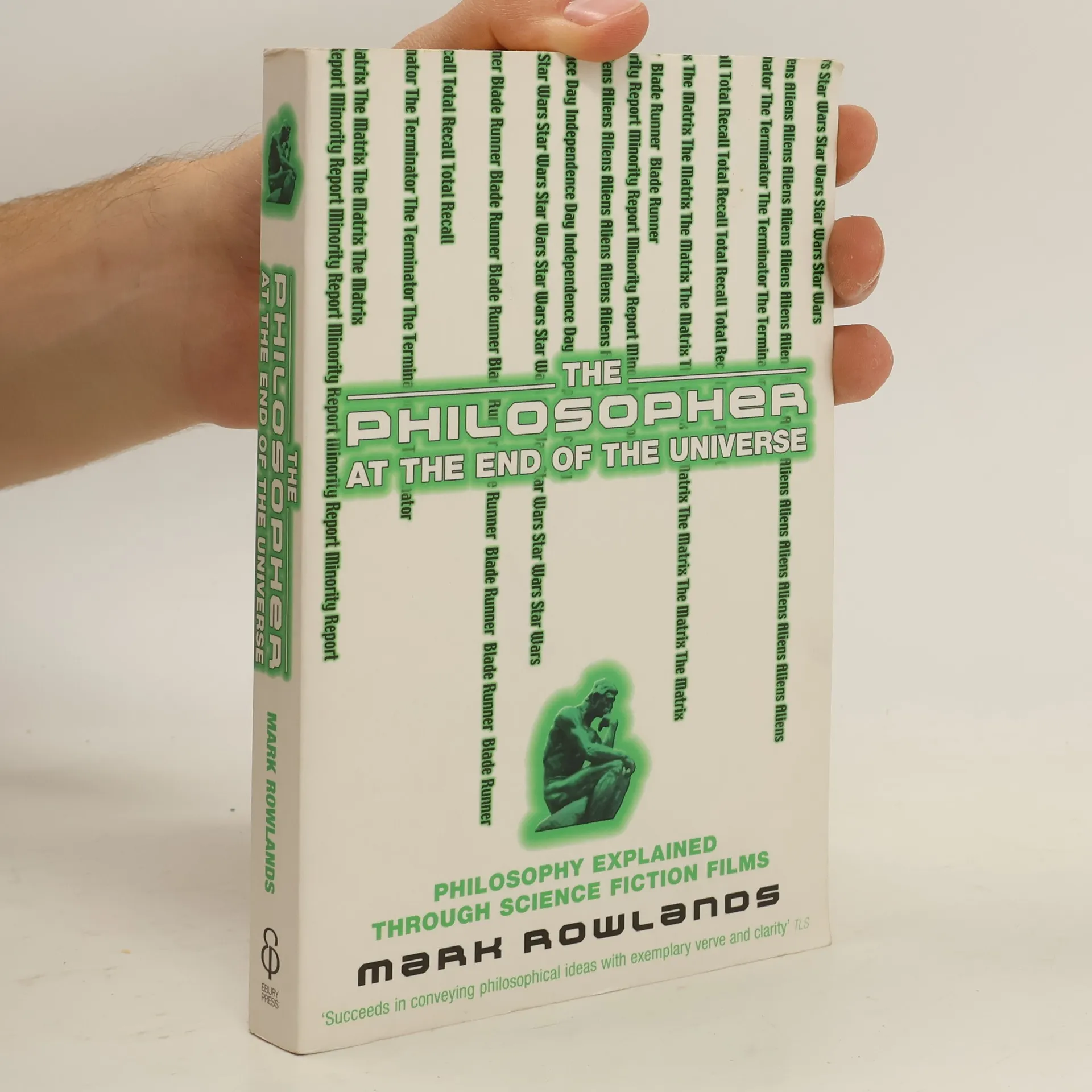
    • The Philosopher At The End Of The Universe

      • 320pages
      • 12 heures de lecture
      3,9(64)Évaluer

      It's Plato, it's Hume, Baudrillard and the concept of the Nietzschean superman!' Keanu Reeves on The MatrixThe Philosopher at the End of the Universe allows anyone to understand basic philosophical concepts from the comfort of their armchair, through the plots and characters of spectacular blockbusting science-fiction movies.

      The Philosopher At The End Of The Universe
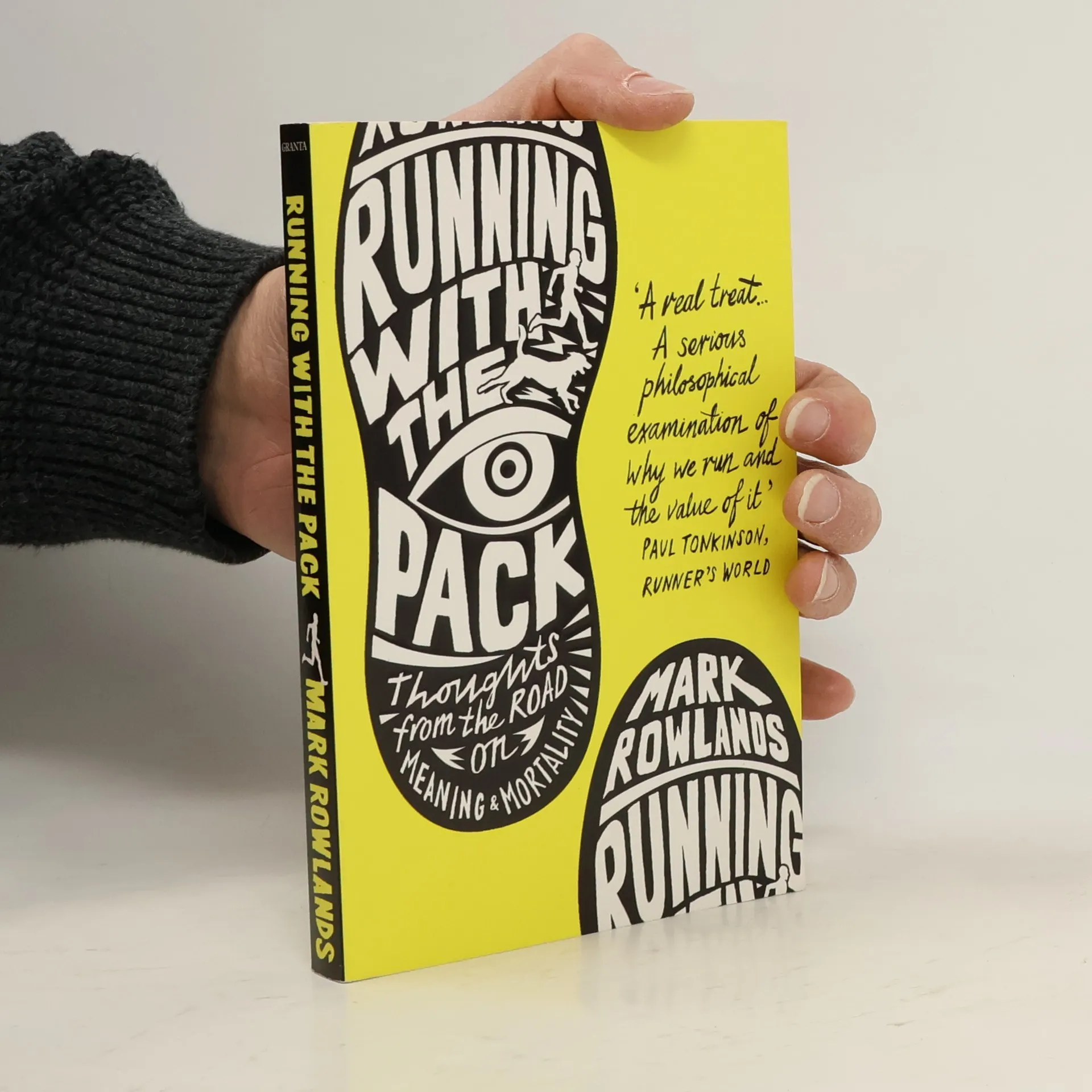
    • Running with the Pack

      • 224pages
      • 8 heures de lecture
      3,7(437)Évaluer

      Mark Rowlands explores the intimate relationship between running and thinking, especially thoughts about the meaning of life, in this brilliant follow-up to The Philosopher and the Wolf

      Running with the Pack
    • Animal Rights

      • 224pages
      • 8 heures de lecture

      Exploring the contentious moral issue of animal rights, this concise and accessible overview delves into various perspectives and arguments surrounding the treatment of animals. It presents a balanced discussion, making complex ideas approachable for readers, and encourages thoughtful consideration of ethical implications and societal responsibilities toward animals.

      Animal Rights
    • The Happiness of Dogs

      Why the Unexamined Life Is Most Worth Living

      • 256pages
      • 9 heures de lecture

      Delving into a dog's perspective, this insightful exploration reveals how their experiences can illuminate human understanding. The author, known for previous works like The Philosopher and the Wolf, offers a unique lens on the bond between humans and dogs, highlighting the lessons we can learn about ourselves through our furry companions.

      The Happiness of Dogs